This study conducted a comprehensive bioinformatics analysis using multiple public databases to evaluate the gene expression patterns, clinical correlations, survival prognosis, tumor stemness scores, and immune-related characteristics of PTDSS1 and PTDSS2 across various cancers. The findings suggest these genes may serve as potential biomarkers for cancer diagnosis, prognosis, and immunotherapy.
Method Article
Multi-Omics Pan-Cancer Bioinformatics Workflow for Evaluating PTDSS1 and PTDSS2 as Prognostic and Immune Biomarkers
1Institute of Translational Medicine Zhuhai People's Hospital Affiliated with Jinan University, 2Department of Food Science and Engineering, Institute of Food Safety and Nutrition, Jinan University, 3The Affiliated Guangdong Second Provincial General Hospital of Jinan University, 4State Key Laboratory of Bioactive Molecules and Druggability Assessment, The Biomedical Translational Research Institute, Health Science Center (School of Medicine), Jinan University
Opens in a new tab
In This Article
Summary
Loading...
$$\rightleftharpoonup{xx}$$
$$\longleftharp{xx}$$,
$$\longrightharp{xx}$$,
Abstract
Loading...
$$\rightleftharpoonup{xx}$$
$$\longleftharp{xx}$$,
$$\longrightharp{xx}$$,
The phosphatidylserine synthesis enzymes PTDSS1 and PTDSS2 play important roles in cellular processes, including membrane composition and signal transduction. Abnormal expressions of these enzymes has been associated with tumor-associated macrophage infiltration and poor survival outcomes in breast cancer. However, their comprehensive roles across different cancer types remain unclear. In this study, we performed a pan-cancer analysis to evaluate the diagnostic, prognostic, immune infiltration, and immunotherapeutic relevance of PTDSS1 and PTDSS2. Multiple public databases were used to analyze gene expression patterns, clinical correlations, survival outcomes, tumor stemness scores, and immune-related characteristics across various cancers. The results showed that PTDSS1 and PTDSS2 are widely expressed in human tissues and significantly upregulated in most tumor tissues compared with normal tissues. High expression of PTDSS1 or PTDSS2 was associated with poorer overall survival (OS) in several cancer types and showed significant correlations with clinical stage and tumor stemness scores. In addition, functional analyses suggested that these genes may contribute to tumorigenesis, immune regulation, and chemoresistance. Overall, the findings highlight the prognostic significance of PTDSS1 and PTDSS2 in multiple cancers and suggest that they may serve as potential biomarkers for cancer diagnosis and prognosis, as well as promising targets for immunotherapy.
Introduction
Loading...
$$\rightleftharpoonup{xx}$$
$$\longleftharp{xx}$$,
$$\longrightharp{xx}$$,
Although substantial advances have been achieved in oncology over the past several centuries, cancer remains one of the primary causes of death and disease burden worldwide1,2. Current clinical management increasingly relies on multimodal treatment strategies, combining different therapeutic approaches to maximize efficacy while improving patient survival and overall well-being2. In this context, cancer immunotherapy has rapidly evolved into a central pillar of modern oncology. Its advantages—including target selectivity, sustained therapeutic effects, applicability across multiple tumor types, resistance-mitigating capacity, and compatibility with other treatments—have driven widespread interest. Nevertheless, its clinical application remains constrained by several factors, including variable patient responsiveness, immune-related toxicities, acquired resistance, a high economic burden, and limitations in treatment monitoring. These challenges highlight the necessity for continued refinement and innovation in this field. At the same time, metabolic reprogramming has emerged as a hallmark of cancer, with lipid metabolism attracting increasing attention. Alterations in lipid acquisition, synthesis, and utilization provide essential support for tumor cell growth and survival and may also play a role in the development of therapeutic resistance3,4. Reprogrammed lipid uptake and utilization support cancer cell proliferation and may contribute to therapeutic resistance5. In addition, lipid-related biomarkers have been associated with patient prognosis and treatment response6,7. Despite increasing attention, the mechanisms of lipid metabolism in cancer and the development of effective lipid-targeted therapies remain insufficiently understood, warranting further investigation.
Phosphatidylserine synthases, PTDSS1 and PTDSS2, are key enzymes responsible for the biosynthesis of phosphatidylserine (PS)8,9,10, one of the main anionic phospholipids in cell membranes11, essential for maintaining membrane structure and function8,12,13. These enzymes share moderate sequence similarity (~32%)13, and possess multiple transmembrane regions, mainly localized to the endoplasmic reticulum and mitochondria-associated membranes14,15,16. PS is generated through a serine exchange reaction with existing phospholipids8,9, with PTDSS1 preferentially utilizing phosphatidylcholine17,18 and PTDSS2 using phosphatidylethanolamine19,20. PTDSS1 is broadly expressed across tissues21, whereas PTDSS2 shows more restricted distribution, with higher levels in mouse brain neurons and testicular Sertoli cells19. Functionally, PTDSS2 is essential for normal testicular development, as about 10% of male knockout mice exhibit infertility and reduced testis size, a phenotype not observed in PTDSS1-deficient mice19. Although single-gene deletion of either enzyme does not impair viability, simultaneous loss leads to embryonic lethality19,22, underscoring the importance of PS biosynthesis in cell survival. Recent evidence suggests that dysregulation of PTDSS1 and PTDSS2 in tumors is associated with altered tumor-associated macrophage infiltration and poorer survival in breast cancer patients23. Collectively, these findings indicate that PTDSS1 and PTDSS2 are critical for membrane homeostasis, and their abnormal expression may contribute to disease progression, particularly in cancer.
This study systematically compares the pan-cancer effects of PTDSS1 and PTDSS2 on tumor expression, prognosis, stemness, immune regulation, genomic alterations, and treatment response. Unlike previous studies focusing on single cancer types or isolated lipid metabolism events, the present research integrates multi-omics data to explore potential links among phosphatidylserine biosynthesis, tumor immunity, and cancer progression. The analysis includes expression patterns, correlations with tumor characteristics and immune-related factors, genomic features, and drug sensitivity prediction. This study aims to deepen the understanding of the functional roles of PTDSS1 and PTDSS2 across different malignancies and to provide a theoretical foundation and practical guidance for the development of personalized treatment strategies.
Protocol
Loading...
$$\rightleftharpoonup{xx}$$
$$\longleftharp{xx}$$,
$$\longrightharp{xx}$$,
This study was based exclusively on publicly available datasets and did not involve direct human or animal participation; therefore, institutional ethical approval and informed consent were not required
1. PTDSS1 or PTDSS2 expression analysis
- Assess PTDSS1 and PTDSS2 mRNA expression in normal human tissues using the Human Protein Atlas (HPA) database (https://www.proteinatlas.org).
- Retrieve PTDSS1 and PTDSS2 gene expression profiles across multiple cancer types from the “Gene DE” module of the TIMER2 platform (http://timer.cistrome.org/).
- Download RNA-seq expression data for normal and tumor tissues from the TCGA (http://cancergenome.nih.gov) and GTEx (http://commonfund.nih.gov/GTEx/) databases.
2. Pathological stage, survival, and tumor stemness analysis
- Download the TCGA Pan-Cancer (PANCAN, N = 10,535, G = 60,499) dataset from the UCSC Xena platform (https://xenabrowser.net/).
- Extract PTDSS1 and PTDSS2 expression data from all samples and exclude entries with zero expression values. Normalize the remaining expression data using the log2(x + 0.001) transformation.
- Remove cancer types containing fewer than three samples, resulting in a final dataset comprising 37 tumor types. Perform differential expression analyses across clinical stages using R software.
- Assess statistical significance between two groups using the unpaired Student’s t-test and among multiple groups using analysis of variance (ANOVA)24.
- Retrieve the TCGA Pan-Cancer dataset from the UCSC Xena platform (https://xenabrowser.net/). Extract PTDSS1 and PTDSS2 expression profiles and exclude samples with zero expression values.
- Remove cases with follow-up durations shorter than 30 days. Normalize the remaining expression data using the log2 transformation with a pseudo-count of 0.001.
- Exclude cancer types containing fewer than 10 samples, resulting in a final dataset comprising 39 cancer types with corresponding OS information. Perform survival analyses using the R package survival.
- Construct Cox proportional hazards models using the coxph function to evaluate the associations between PTDSS1/PTDSS2 expression and patient prognosis across cancers. Assess survival differences using the log-rank test24.
NOTE: Due to the heterogeneity and incomplete availability of clinical annotation data across different tumor types in TCGA, additional clinical covariates (such as age, sex, and tumor stage) were not uniformly incorporated into the Cox regression analyses. - Obtain the TCGA Pan-Cancer dataset from the UCSC Xena platform (https://xenabrowser.net/). Extract PTDSS1 and PTDSS2 expression profiles and calculate tumor stemness indices based on DNA methylation features.
- Integrate stemness scores with gene expression data for subsequent analyses. Exclude samples with zero expression values and normalize the remaining expression data using the log2 transformation.
- Remove cancer types represented by fewer than three samples to improve analytical reliability. Perform Pearson correlation analyses to evaluate the association between PTDSS1/PTDSS2 expression and tumor stemness across different cancer types 24.
NOTE: Samples with zero expression values were excluded to reduce the potential influence of technical noise and undefined values during log-transformation-based normalization. The same principle applies to subsequent steps.
3. Survival prognosis analysis
- Analyze the associations between PTDSS1/PTDSS2 expression and tumor stage using the “Stage Plot” module in the Gene Expression Profiling Interactive Analysis (GEPIA) platform (http://gepia.cancer-pku.cn/).
- Evaluate the prognostic significance of PTDSS1 and PTDSS2 across multiple cancer types using the KM Plotter database (https://kmplot.com/analysis/).
- Stratify patients into high- and low-expression groups according to median expression values (cutoff-high = 50%, cutoff-low = 50%).
- Generate OS significance maps and Kaplan–Meier survival curves for PTDSS1 and PTDSS2 across TCGA tumors using GEPIA2. Statistical significance is assessed using the log-rank test.
4. PTDSS1 or PTDSS2-related gene analysis
- Obtain protein–protein interaction networks of PTDSS1 and PTDSS2 from the STRING database (https://cn.string-db.org/) by selecting experimentally validated interactions in Homo sapiens with the following parameters: minimum interaction score = 0.150 (low confidence), full network type, evidence-based edges, and a maximum number of interactors = 50.
- Identify potential co-expressed genes using the “Similar Gene Detection” module in GEPIA2 (http://gepia2.cancer-pku.cn/#index), and select the top 100 related genes for further analysis.
- Evaluate expression correlations between PTDSS1/PTDSS2 and the top 10 interacting proteins across tumor types using the “Gene_Corr” module in TIMER2.0 (http://timer.cistrome.org/), and visualize the results as heatmaps.
- Retrieve Kyoto Encyclopedia of Genes and Genomes (KEGG) pathway annotations through the KEGG REST API (https://www.kegg.jp/kegg/rest/keggapi.html) and use them as the reference background for functional enrichment analysis.
- Perform gene set enrichment analysis using the R package clusterProfiler with gene set sizes ranging from 5 to 5000.
NOTE: Statistical significance is defined as P < 0.05 and false discovery rate (FDR) < 0.25. - Conduct Gene Ontology (GO) enrichment analyses, including Biological Process (BP), Cellular Component (CC), and Molecular Function (MF), using the DAVID database. Visualize enriched pathways using the microbiome platform.
5. Genetic alteration analysis
- Investigate the mutational profiles of PTDSS1 and PTDSS2 across multiple cancer types using the cBioPortal platform (http://www.cbioportal.org/) based on the TCGA Pan-Cancer Atlas Studies cohort.
- Examine the frequency and alteration types of PTDSS1 and PTDSS2 using the “OncoPrint” and “Cancer Types Summary” modules. Use the “OncoPrint” module to visualize mutations, copy number variations, and gene expression alterations across samples.
- Query PTDSS1 or PTDSS2 in the “Cancer Types Summary” and “Mutations” sections to obtain detailed information regarding alteration sites, mutation types, and their distribution among different cancer types.
- Download the TCGA Pan-Cancer (PANCAN, N = 10,535, G = 60,499) dataset from the UCSC Xena database (https://xenabrowser.net/). Extract PTDSS1 and PTDSS2 expression data for each sample and obtain corresponding microsatellite instability (MSI) scores. Integrate gene expression and MSI data for downstream analyses.
- Exclude samples with zero expression values and transform the remaining data using log2(x + 0.001) scale. Remove cancer types represented by fewer than three samples, resulting in a final dataset comprising expression and MSI data across 37 cancer types24.
- Obtain the TCGA Pan-Cancer dataset from the UCSC Xena database and extract PTDSS1 and PTDSS2 expression data for each sample. Download Level 4 Simple Nucleotide Variation data processed with MuTect2 from the GDC portal (https://portal.gdc.cancer.gov/).
- Calculate tumor mutation burden (TMB) for each sample using the TMB function in the maftools R package and integrate TMB values with corresponding gene expression data.
- Exclude samples with zero expression values and transform the remaining data using log2(x + 0.001) scale. Remove cancer types represented by fewer than three samples, resulting in a final dataset comprising 37 cancer types.
6. Immune regulatory genes, immune checkpoints, and RNA-modified genes analysis
- Obtain the TCGA Pan-Cancer dataset from the UCSC database and extract PTDSS1 or PTDSS2 expression data together with 150 marker genes representing five immune-related pathways (chemokine: 41 genes; receptor: 18 genes; MHC: 21 genes; immunoinhibitor: 24 genes; immunostimulator: 46 genes) for each sample.
- Exclude normal tissue samples and samples with zero expression values and apply a log2(x + 0.001) transformation to all expression data. Perform Pearson correlation analysis to assess associations between PTDSS1 or PTDSS2 and immune pathway marker genes.
- Retrieve the TCGA Pan-Cancer dataset from the UCSC database and extract PTDSS1 or PTDSS2 expression data together with 60 genes involved in immune checkpoint pathways (inhibitory: 24 genes; stimulatory: 36 genes).
- Remove normal samples and samples with zero expression values and transform all expression data using log2(x + 0.001). Conduct a Pearson correlation analysis to evaluate associations between PTDSS1 or PTDSS2 and immune checkpoint-related genes.
- Download the TCGA Pan-Cancer dataset from the UCSC database and extract PTDSS1 or PTDSS2 expression data together with 44 genes associated with three types of RNA modifications (m1A: 10 genes; m5C: 13 genes; m6A: 21 genes) for each sample.
- Exclude normal tissue samples and samples with zero expression values and apply a log2(x + 0.001) transformation to all expression data. Perform Pearson correlation analysis to evaluate the relationships between PTDSS1 or PTDSS2 and RNA modification-related genes.
7. Immune infiltration analysis
- Download the TCGA Pan-Cancer dataset from the UCSC Xena database and extract PTDSS1 and PTDSS2 expression data for each sample.
- Exclude normal samples and samples with zero expression values. Normalize expression data using log2(x + 0.001) transformation and map gene identifiers to GeneSymbol format.
- Calculate StromalScore, ImmuneScore, and ESTIMATE Score for each patient using the ESTIMATE R package, resulting in immune infiltration scores for 9,554 tumor samples across 39 cancer types.
- Perform Pearson correlation analysis using the “corr.test” function in the psych R package to evaluate associations between gene expression and immune infiltration scores.
- Estimate immune cell infiltration scores for B cells, CD4+ T cells, CD8+ T cells, neutrophils, macrophages, and dendritic cells using the TIMER algorithm implemented in the IOBR R package for 9,405 samples across 36 tumor types.
- Conduct Pearson correlation analysis to assess relationships between PTDSS1/PTDSS2 expression and immune cell infiltration levels.
8. Drug sensitivity of PTDSS1 and PTDSS2 in pan-cancer
- Download NCI-60 compound activity data and RNA-seq expression profiles from CellMiner.
- Select FDA-approved or clinical trial compounds for subsequent analysis.
- Perform drug sensitivity analysis of PTDSS1 and PTDSS2 in pan-cancer using R software.
Results
Loading...
$$\rightleftharpoonup{xx}$$
$$\longleftharp{xx}$$,
$$\longrightharp{xx}$$,
PTDSS1 or PTDSS2 mRNA expression in various human normal tissues
Using data from the HPA database, the mRNA expression profiles of PTDSS1 and PTDSS2 across a range of human tissues were examined. Analysis revealed notable tissue-specific expression patterns. PTDSS1 was highly expressed in the parathyroid gland, heart muscle, lymph nodes, tonsils, and bone marrow (Figure 1A), whereas PTDSS2 showed elevated expression in the parathyroid gland, testis, skeletal muscle, kidney, and cerebral cortex (Figure 1B). These findings demonstrate that PTDSS1 and PTDSS2 exhibit distinct expression patterns across human tissues.
PTDSS1 or PTDSS2 was upregulated in multiple human cancers
To further investigate the potential roles of PTDSS1 and PTDSS2 in cancer, their tumor-specific expression patterns across 33 cancer types were analyzed using integrated TCGA and GTEx datasets. PTDSS1 expression was significantly elevated in several malignancies, including liver hepatocellular carcinoma (LIHC), cervical squamous cell carcinoma and endocervical adenocarcinoma (CESC), lung adenocarcinoma (LUAD), thymoma (THYM), bladder urothelial carcinoma (BLCA), diffuse large B-cell lymphoma (DLBC), breast invasive carcinoma (BRCA), rectum adenocarcinoma (READ), stomach adenocarcinoma (STAD), esophageal carcinoma (ESCA), colon adenocarcinoma (COAD), head and neck squamous cell carcinoma (HNSC), uterine corpus endometrial carcinoma (UCEC), cholangiocarcinoma (CHOL), lung squamous cell carcinoma (LUSC), and testicular germ cell tumors (TGCT). In contrast, reduced PTDSS1 expression was observed in kidney renal papillary cell carcinoma (KIRP), kidney chromophobe (KICH), thyroid carcinoma (THCA), and kidney renal clear cell carcinoma (KIRC) (Figure 2A,B). Similarly, PTDSS2 expression was markedly increased in multiple tumor types, including liver hepatocellular carcinoma (LIHC), rectum adenocarcinoma (READ), breast invasive carcinoma (BRCA), prostate adenocarcinoma (PRAD), diffuse large B-cell lymphoma (DLBC), stomach adenocarcinoma (STAD), lung adenocarcinoma (LUAD), cholangiocarcinoma (CHOL), thymoma (THYM), kidney chromophobe (KICH), colon adenocarcinoma (COAD), esophageal carcinoma (ESCA), and head and neck squamous cell carcinoma (HNSC). Conversely, decreased PTDSS2 expression was identified in ovarian serous cystadenocarcinoma (OV), thyroid carcinoma (THCA), kidney renal clear cell carcinoma (KIRC), and testicular germ cell tumors (TGCT) (Figure 2C,D). Overall, these findings demonstrate distinct tumor-specific expression patterns of PTDSS1 and PTDSS2 across diverse malignancies, suggesting their potential involvement in tumor-type-dependent biological processes.
Correlation of PTDSS1 or PTDSS2 expression with tumor stage, prognosis, tumor stemness score, and survival periods
To further explore the functional significance of PTDSS1 and PTDSS2 protein expression in cancer, their associations with clinical stage, prognosis, tumor stemness scores, and survival outcomes were analyzed. Pathological staging assessment revealed a significant positive correlation between PTDSS1 expression and tumor stage in certain cancers, including HNSC and UCS (Figure 3A). PTDSS2 expression was positively correlated with clinical stage in LUSC, LIHC, and TGCT, but negatively correlated with clinical stage in THYM, THCA, and SKCM (Figure 3B). Prognostic analyses indicated that high PTDSS1 expression was associated with poorer survival in multiple tumor types, such as GBMLGG, LGG, UVM, LUAD, LIHC, SKCM-M, HNSC, KICH, KIRP, MESO, SKCM, ACC, SARC, and BRCA, whereas low PTDSS1 expression predicted worse outcomes in KIRC (Figure 3C). Similarly, elevated PTDSS2 expression was associated with poorer prognosis in LIHC, ESCA, UVM, and LUSC, whereas low expression was associated with unfavorable outcomes in THYM, PAAD, and KIPAN (Figure 3D).
Integration of PTDSS1 expression with tumor stemness scores across 11 cancer types revealed significant associations. Ten tumor types, including GBMLGG, LGG, CESC, STES, LUAD, PRAD, LUSC, MESO, UVM, and ACC, showed positive correlations, suggesting a potential role for PTDSS1 in promoting tumor stemness, whereas THCA exhibited a negative correlation, indicating a possible inhibitory effect in this context (Figure 3E). Similarly, analysis of PTDSS2 expression across 12 tumor types demonstrated positive correlations in SARC, PAAD, PCPG, UVM, and ACC, and negative correlations in LAML, KIRP, KIPAN, LIHC, THCA, TGCT, and BLCA, highlighting a complex and context-dependent relationship between PTDSS2 and tumor stemness (Figure 3F).
Survival analyses further revealed that high PTDSS1 expression was associated with decreased OS in LGG, LUAD, OV, SARC, SKCM, and UVM, while increased OS was observed in KIRC and THYM (Figure 4A,B). For PTDSS2, elevated expression was associated with poorer OS in ACC, LIHC, LUSC, and UVM, whereas lower expression was associated with improved OS in PAAD (Figure 4C,D). Collectively, these results indicate that PTDSS1 and PTDSS2 expression levels are context-dependent predictors of tumor stemness and patient prognosis, emphasizing their potential utility as biomarkers for cancer severity and clinical outcome assessment.
PTDSS1 or PTDSS2-related gene analysis
Given the observed associations between PTDSS1/PTDSS2 expression and poor prognosis, molecular interaction networks and biological pathways that may underlie these clinical phenotypes were next explored. The top 50 proteins interacting with PTDSS1 (Figure 5A and Supplementary Table 1) and PTDSS2 (Figure 6A and Supplementary Table 2) were first identified. In parallel, the GEPIA2 tool was used to identify the top 100 genes correlated with PTDSS1 or PTDSS2 expression. Tissue-wise analysis revealed positive correlations between the expression of the top 10 PTDSS1-related genes (Figure 5B and Supplementary Table 3) and PTDSS2-interacting proteins (Figure 6B and Supplementary Table 4) across multiple cancer types.
Subsequent KEGG enrichment analysis demonstrated that both PTDSS1- and PTDSS2-associated genes were significantly enriched in pathways related to glycerophospholipid metabolism and broader metabolic signaling pathways, suggesting that dysregulated phosphatidylserine biosynthesis may contribute to tumor metabolic reprogramming (Figures 5C and Figure 6C). Although PTDSS1 and PTDSS2 share overlapping functions in phosphatidylserine synthesis, their pathway enrichment patterns may also reflect distinct biological roles. PTDSS1 preferentially catalyzes phosphatidylcholine-derived phosphatidylserine synthesis and is predominantly localized to the endoplasmic reticulum, which may support membrane phospholipid remodeling and tumor cell proliferation. In contrast, PTDSS2 preferentially utilizes phosphatidylethanolamine and is enriched in mitochondria-associated membranes, suggesting a closer association with mitochondrial signaling, cellular stress responses, and immune-related regulation. GO enrichment analysis further revealed that most PTDSS1- and PTDSS2-associated genes are involved in Biological Processes (BP), Molecular Functions (MF), and Cellular Components (CC) (Figure 5D and Figure 6D). These findings collectively suggest that PTDSS1 and PTDSS2 may contribute to tumor progression through both shared and functionally distinct phospholipid metabolic mechanisms.
The genomic alterations of PTDSS1 or PTDSS2 in the TCGA pan-cancer cohort
Since genomic alterations may contribute to dysregulated phosphatidylserine metabolism and tumor progression, we next analyzed mutation patterns, TMB, and MSI associated with PTDSS1 and PTDSS2. Using the TCGA dataset across 44 cancer types, the frequency, types, and distribution of mutations were first assessed. PTDSS1 amplifications were most prevalent in BLCA, BRCA, HNSC, and PRAD, with BRCA exhibiting the highest occurrence rate (Figure 7A). In contrast, PTDSS2 deep deletions were frequent in TGCT, GBM, UCEC, and SARC, with TGCT showing the highest rate (Figure 8A). Analysis via cBioPortal indicated that missense mutations constitute the majority of alterations in both genes (Figure 7B and Figure 8B), reflecting diverse genomic variations potentially associated with distinct clinical manifestations and therapeutic responses.
Correlations between gene expression and TMB We further examined. For PTDSS1, significant positive correlations were observed in LUAD, STES, and STAD, whereas negative correlations were noted in LUSC and THCA (Figure 7C). For PTDSS2, only TGCT showed a positive correlation, and LAML showed a negative correlation (Figure 8C). Similarly, MSI correlation analyses revealed that PTDSS1 expression was positively associated with CESC, STES, SARC, and STAD, but negatively correlated with GBMLGG, COAD, COADREAD, PRAD, THCA, and DLBC (Figure 7D). For PTDSS2, positive correlations were observed in GBMLGG, CESC, LUAD, SARC, KIPAN, HNSC, LUSC, LIHC, and TGCT, while negative correlations were noted in COAD and COADREAD (Figure 8D). These findings provide a comprehensive overview of PTDSS1 and PTDSS2 genomic alterations and their associations with key tumor features, offering valuable insights into potential mechanisms of tumorigenesis and avenues for targeted therapeutic strategies.
Correlation of PTDSS1 or PTDSS2 expression with immune signatures and infiltration
Considering the established role of phosphatidylserine exposure in immune evasion and macrophage-mediated tumor progression, the immune-related characteristics associated with PTDSS1 and PTDSS2 expression were further investigated. Initially, correlation analyses between PTDSS1 or PTDSS2 expression and 150 immune regulatory genes revealed predominantly positive associations across diverse cancer types (Figure 9A and Figure 10A). Examination of immune checkpoints further demonstrated significant positive correlations with both PTDSS1 (Figure 9B) and PTDSS2 (Figure 10B), suggesting a potential role of these genes in modulating tumor immune responses. Considering the critical impact of RNA modifications on cancer-related gene expression and signaling pathways, the relationships between PTDSS1 or PTDSS2 and 44 Class III RNA modification genes (m1A (10), m5C (13), m6A (21)) were also assessed. This analysis indicated significant positive correlations between PTDSS1 (Figure 9C) or PTDSS2 (Figure 10C) and most RNA modification-related genes, suggesting a potential regulatory interplay influencing tumor biology.
Analysis of the correlation between PTDSS1 expression and immune infiltration revealed a significant negative association in BRCA, UCEC, LUSC, and THCA, and a positive association in KIRP (Figure 11A). Similarly, PTDSS2 expression exhibited significant negative correlations with immune infiltration in LUAD, COAD, BRCA, PRAD, and LIHC (Figure 11B). Using the Sanger database, the relationships between PTDSS1/PTDSS2 expression, immune cell infiltration, and tumor immune scores (StromalScore) across multiple cancers were further assessed. PTDSS1 expression positively correlated with the infiltration of B cells, CD4⁺ and CD8⁺ T cells, neutrophils, macrophages, and dendritic cells across most tumors (Figure 11C), whereas PTDSS2 expression was negatively associated with these immune cell populations (Figure 11D). Collectively, these results highlight the critical roles of PTDSS1 and PTDSS2 in modulating tumor immune activity and maintaining immune homeostasis. They also suggest that targeting PTDSS1 or PTDSS2 may represent a promising strategy to enhance anti-tumor immune responses, providing potential avenues for cancer immunotherapy research.
Drug sensitivity of PTDSS1 and PTDSS2 in pan-cancer
Investigating the drug sensitivity of PTDSS1 and PTDSS2 across cancers is critical for understanding therapeutic responses and resistance mechanisms. By analyzing gene expressions in cancer patients, we can predict drug efficacy and explore personalized treatment strategies to improve clinical outcomes. Using data from the CellMiner database, correlation analyses were performed between PTDSS1/PTDSS2 expression and drug sensitivity. The results revealed significant positive correlations between PTDSS1 expression and sensitivity to multiple clinical anticancer agents, including MERCAPTOPURINE, Acrichine, Amiodarone Hydrochloride, Artemether, Chelerythrine, Chlorambucil, Fenretinide, Fostamatinib, Hydroxyurea, KX-01, Obatoclax, Parthenolide, Uracil Mustard, Vorinostat, and ZM-336372 (Figure 12A). Similarly, PTDSS2 expression positively correlated with sensitivity to cladribine and fludarabine, both widely used in cancer therapy (Figure 12B).
Conversely, negative correlations were observed between PTDSS1 expression and sensitivity to several FDA-approved drugs, including afatinib, BMS-599626, Erlotinib, Gefitinib, Ibrutinib, Lapatinib, Neratinib, Pluripotin, Sapitinib, and Vandetanib (Figure 13A). PTDSS2 also displayed negative correlations with Denileukin Diftitox Ontak, Depsipeptide, and Pluripotin (Figure 13B). These findings suggest that PTDSS1 and PTDSS2 may contribute to chemoresistance in specific contexts, providing potential biomarkers for personalized cancer therapy and drug response prediction.
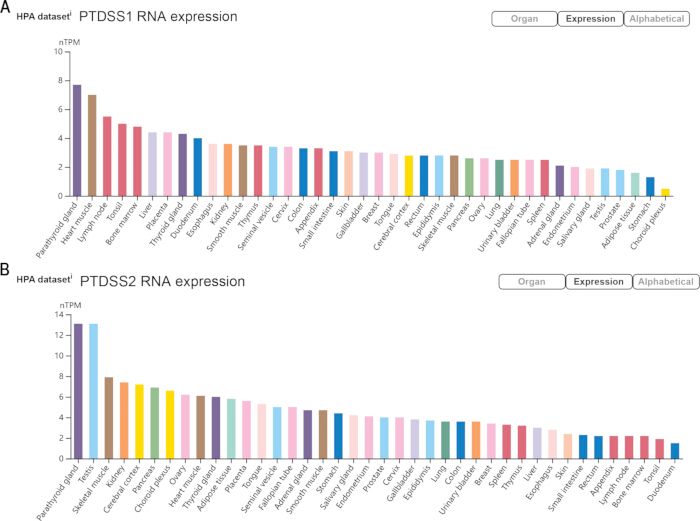
FIGURE 1: mRNA expression profile. (A) PTDSS1 or (B) PTDSS2 mRNA expression profiles in normal human tissues. Please click here to view a larger version of this figure.
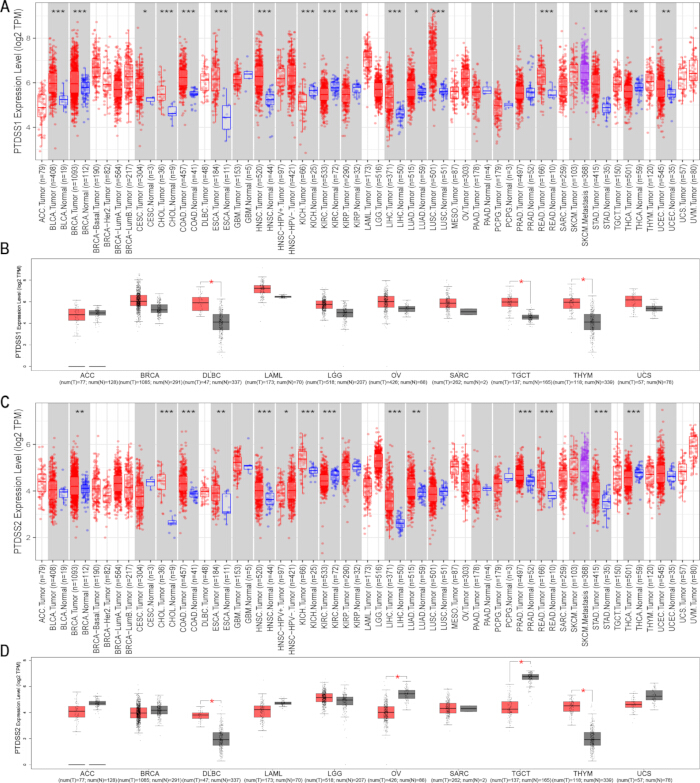
FIGURE 2: PTDSS1 or PTDSS2 expression in various tumor tissues. The expression status of (A) PTDSS1 or (C) PTDSS2 in different tumor types was visualized by TIMER2. * = p < 0.05; ** = p < 0.01; *** = p < 0.001. Box plot representation of (B) PTDSS1 or (D) PTDSS2 expression levels comparison in ACC, BRCA, LGG, DLBC, LAML, OV, SARC, THYM, TGCT, and UCS (TCGA project) relative to the corresponding normal tissues (GTEx database). * = p < 0.05. Please click here to view a larger version of this figure.
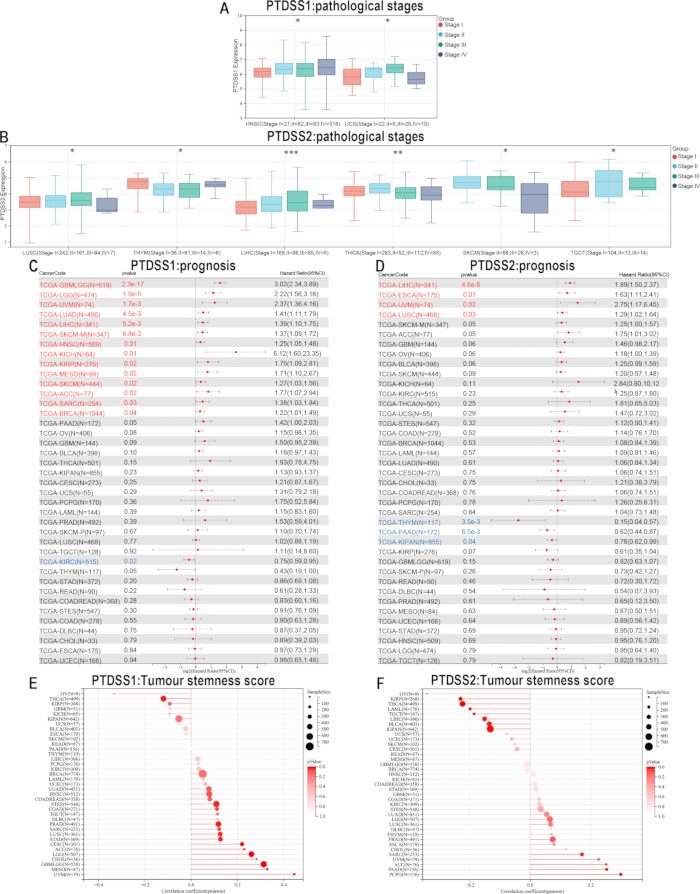
FIGURE 3: Relationship between PTDSS1 or PTDSS2 expression level and prognosis, tumor stemness score, and pathological stages. (A) Correlation between PTDSS1 expression and pathological stages of HNSC and UCS from TCGA datasets. (B) Correlation between PTDSS2 expression and pathological stages of LUSC, THYM, LIHC, THCA, SKCM, and TGCT from TCGA datasets. Log2(TPM + 1) was applied to obtain a log-scale. The correlation of (C) PTDSS1 or (D) PTDSS2 and known prognosis across all TCGA cancers. Correlation between (E) PTDSS1 or (F) PTDSS2 expression and tumor stemness score in pan-cancer. Please click here to view a larger version of this figure.
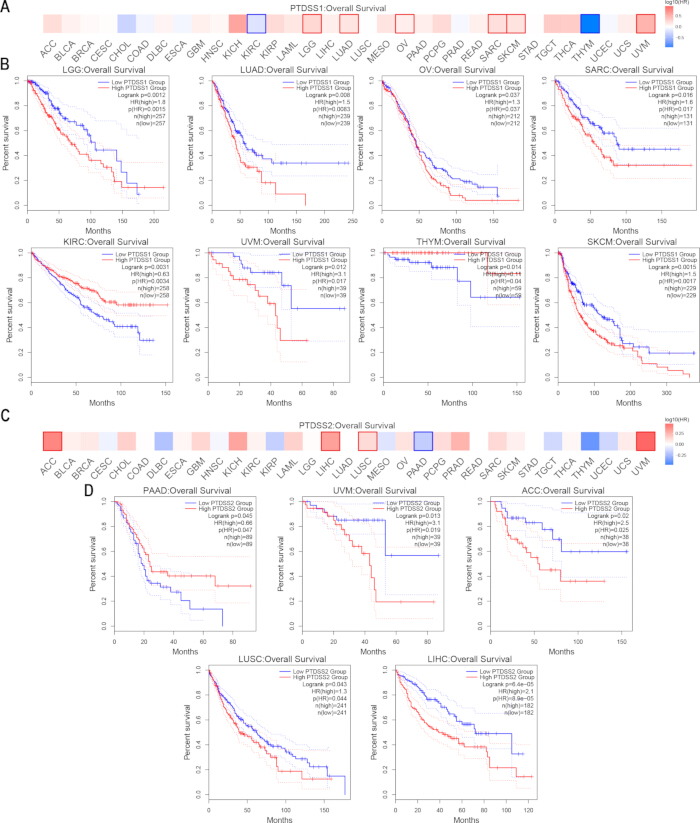
FIGURE 4: Relationship between PTDSS1 or PTDSS2 expression level and patient survival in TCGA tumors. Relationship between PTDSS1 gene expression and overall survival: results from the (A) survival map and (B) Kaplan-Meier curves are shown. Relationship between PTDSS2 gene expression and overall survival, the results of the (C) survival map and (D) Kaplan-Meier curves are shown. Please click here to view a larger version of this figure.
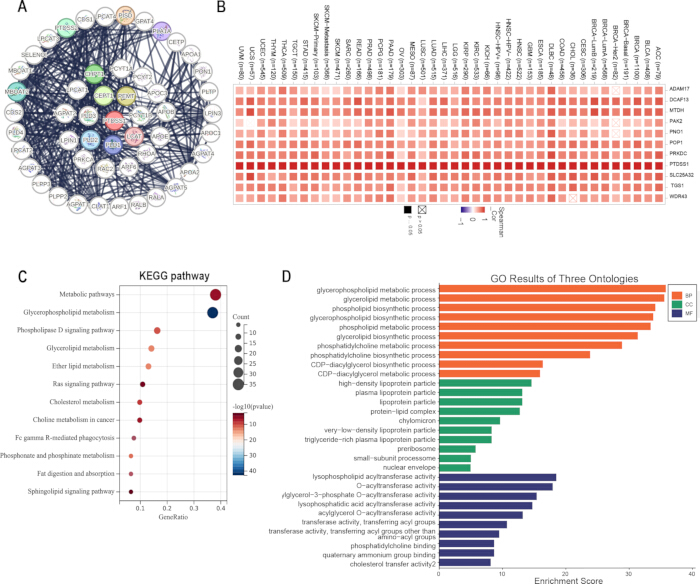
FIGURE 5: PTDSS1-correlated gene and interacted proteins enrichment analysis. (A) PTDSS1-interacted proteins. (B) Profile the tissue-wise expression of the top 10 PTDSS1-correlated targeted genes in different cancer types using an interactive heatmap. (C) KEGG pathway analysis based on the PTDSS1-interacted and correlated genes. (D) GO analysis based on the PTDSS1-interacted and correlated genes. Please click here to view a larger version of this figure.
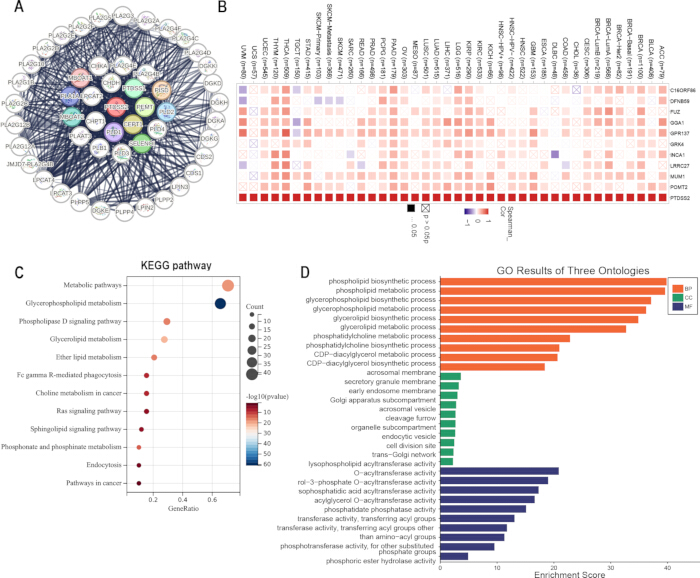
FIGURE 6: PTDSS2-correlated gene and interacted proteins enrichment analysis. (A) PTDSS2-interacted proteins. (B) Profile the tissue-wise expression of the top 10 PTDSS2-correlated targeted genes in different cancer types using an interactive heatmap. (C) KEGG pathway analysis based on the PTDSS2-interacted and correlated genes. (D) GO analysis based on the PTDSS2-interacted and correlated genes. Please click here to view a larger version of this figure.
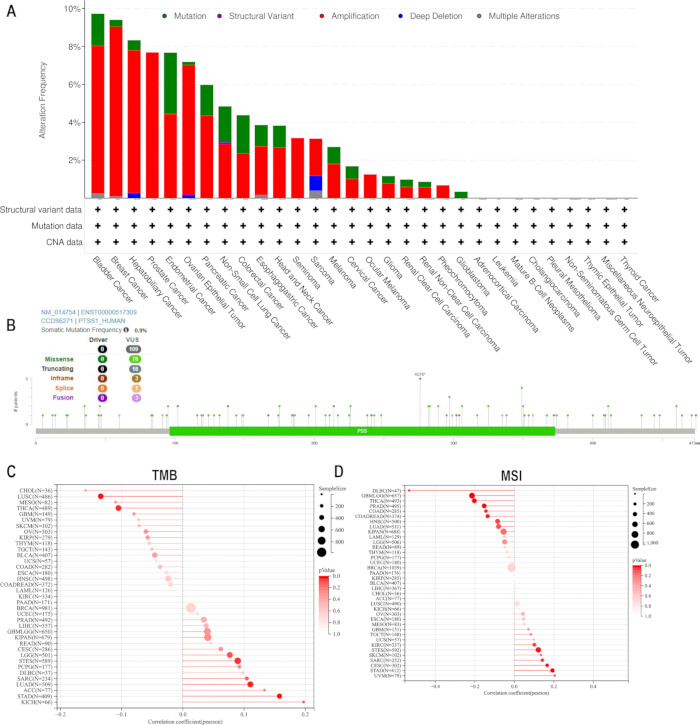
FIGURE 7: Genetic alteration analysis. (A) Mutation frequency and mutation type of PTDSS1 in pan-cancer. (B) The mutation site of PTDSS1 and the number of related cases at this mutation site. (C) Correlation between PTDSS1 expression and TMB in pan-cancer. (D) Correlation between PTDSS1 expression and MSI in pan-cancer. Please click here to view a larger version of this figure.
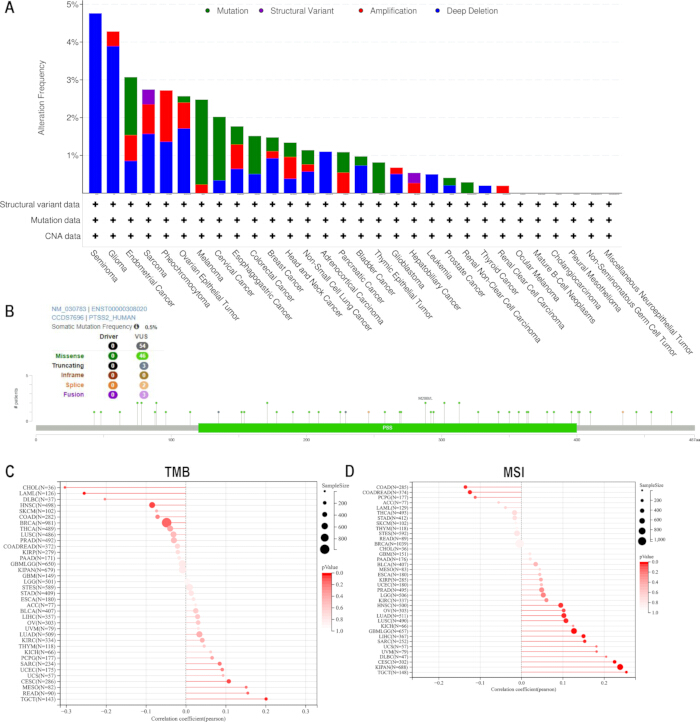
FIGURE 8: Genetic alteration analysis. (A) Mutation frequency and mutation type of PTDSS2 in pan-cancer. (B) The mutation site of PTDSS2 and the number of related cases at this mutation site. (C) Correlation between PTDSS2 expression and TMB in pan-cancer. (D) Correlation between PTDSS2 expression and MSI in pan-cancer. Please click here to view a larger version of this figure.
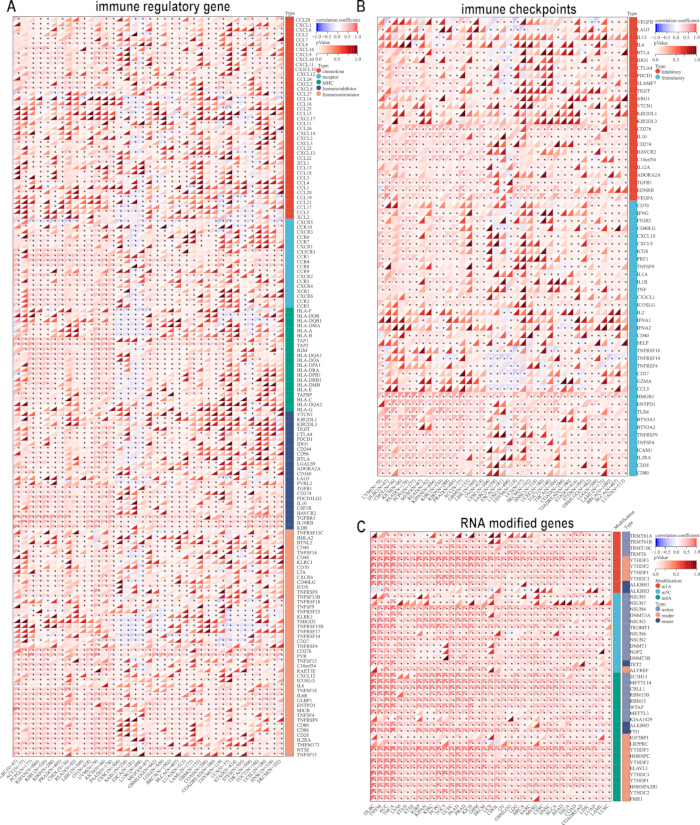
FIGURE 9: Correlation analysis of PTDSS1 and immune regulatory gene, immune checkpoints, and RNA-modified genes. (A) The correlation of PTDSS1 expression with most immune regulatory genes. (B) The correlation of PTDSS1 and known immune checkpoints across all TCGA cancers. (C) Correlation analysis between PTDSS1 expression and 44 RNA modification-related genes, including m1A (10 genes), m5C (13 genes), and m6A (21 genes), across pan-cancer samples. Please click here to view a larger version of this figure.
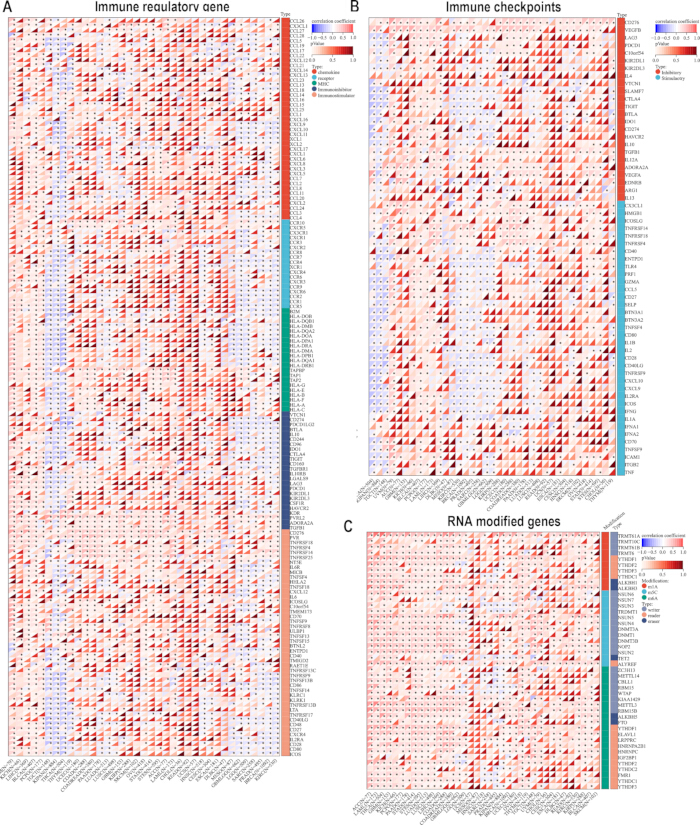
FIGURE 10: Correlation analysis of PTDSS2 and immune regulatory gene, immune checkpoints, and RNA-modified genes. (A) The correlation of PTDSS2 expression with most immune regulatory genes. (B) The correlation of PTDSS2 and known immune checkpoints across all TCGA cancers. (C) Correlation analysis between PTDSS2 expression and 44 RNA modification-related genes, including m1A (10 genes), m5C (13 genes), and m6A (21 genes), across pan-cancer samples. Please click here to view a larger version of this figure.
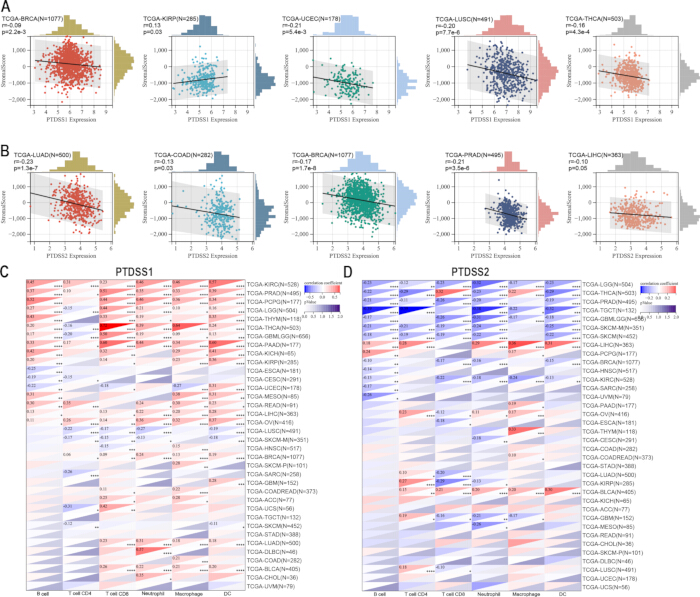
FIGURE 11: Immune infiltration analysis. Correlation between (A) PTDSS1 or (B) PTDSS2 expression and StromalScore in various cancers. Relationship between (C) PTDSS1 or (D) PTDSS2 expression and immune cell infiltration levels across multiple tumor types based on infiltration scores for six immune cell populations: B cells, CD4+ T cells, CD8+ T cells, neutrophils, macrophages, and dendritic cells. * = p < 0.05, ** = p < 0.01, *** = p < 0.001, **** = p < 0.0001. Please click here to view a larger version of this figure.
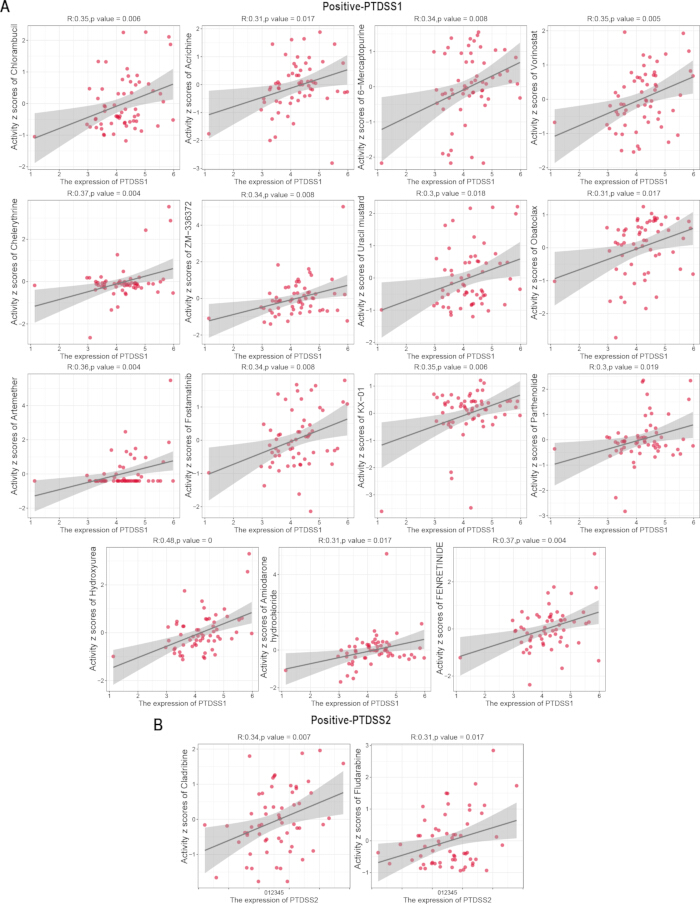
FIGURE 12: Drug sensitivity analysis of PTDSS1 or PTDSS2. (A) Expression of PTDSS1 and sensitivity to MERCAPTOPURINE, Acrichine, Amiodarone hydrochloride, Artemether, Chelerythrine, Chlorambucil, FENRETINIDE, Fostamatinib, Hydroxyurea, KX-01, Obatoclax, Parthenolide, Uracil mustard, Vorinostat, and ZM-336372. (B) Expression of PTDSS2 and sensitivity to Cladribine and Fludarabine. Please click here to view a larger version of this figure.
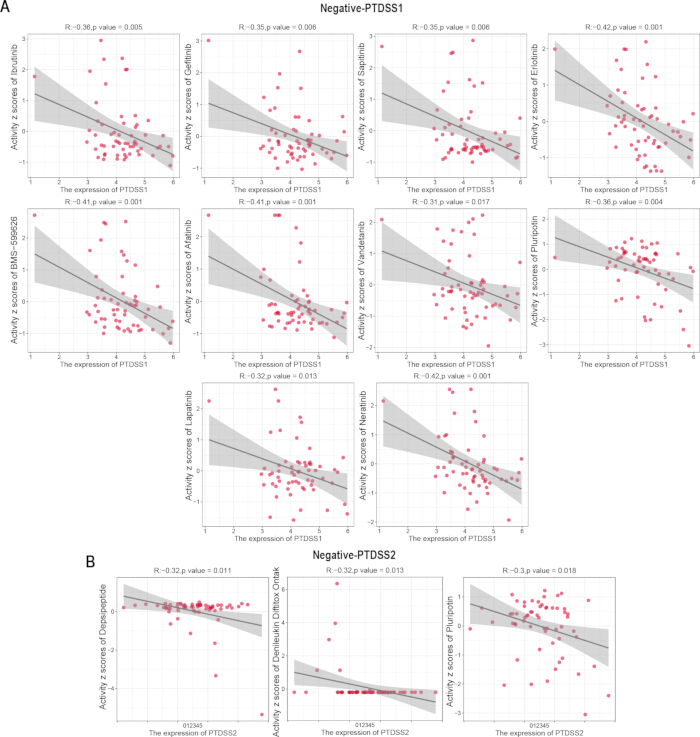
FIGURE 13: Drug sensitivity analysis of PTDSS1 or PTDSS2. (A) Expression of PTDSS1 and sensitivity to Afatinib, BMS-599626, Erlotinib, Gefitinib, Ibrutinib, Lapatinib, Neratinib, Pluripotin, Sapitinib, and Vandetanib. (B) Expression of PTDSS2 and sensitivity to Denileukin Difftitox Ontak, Depsipeptide, and Pluripotin. Please click here to view a larger version of this figure.
Supplementary Table 1: Protein–protein interaction network of PTDSS1-associated proteins identified using the STRING database. The table includes node names, STRING identifiers, and node degree values representing interaction connectivity.Please click here to download this file.
Supplementary Table 2: Protein–protein interaction network of PTDSS2-associated proteins identified using the STRING database. The table includes node names, STRING identifiers, and node degree values representing interaction connectivity.Please click here to download this file.
Supplementary Table 3: Top 100 genes positively correlated with PTDSS1 expression identified using GEPIA2 across TCGA tumor datasets. Gene symbols, Ensembl gene identifiers, and Pearson correlation coefficients (PCC) are listed.Please click here to download this file.
Supplementary Table 4: Top 100 genes positively correlated with PTDSS2 expression identified using GEPIA2 across TCGA tumor datasets. Gene symbols, Ensembl gene identifiers, and Pearson correlation coefficients (PCC) are listed.Please click here to download this file.
Discussion
Loading...
$$\rightleftharpoonup{xx}$$
$$\longleftharp{xx}$$,
$$\longrightharp{xx}$$,
Cancer is a systemic disease characterized by the dysregulation of multiple systems and typically progresses through three stages: elimination, equilibrium, and escape25. In the elimination stage, the immune system effectively eliminates newly formed cancer cells; during the equilibrium stage, cancer cells and immune cells are in a relative balance, preventing tumor expansion or metastasis; ultimately, in the escape stage, cancer cells evade immune surveillance and rapidly proliferate and metastasize2. Therefore, restoring immune surveillance or establishing a state of balanced progression is crucial for effective anti-tumor therapy2. With advancements in medical science, modern cancer treatment employs a comprehensive approach that involves various methods aimed at improving treatment efficacy, enhancing patient survival rates, and improving the quality of life26,27. Immunotherapy, due to its strong specificity, durable responses, wide applicability, resistance-overcoming properties, and combinability, has become an integral part of current cancer treatment28,29,30. However, immunotherapy still faces challenges, including treatment limitations, adverse reactions, treatment tolerance, high costs, and difficulties in monitoring efficacy.
Lipid metabolism also plays a significant role in cancer treatment1. Models of lipid metabolism have shown potential for predicting survival and the efficacy of adjuvant cancer therapy. Abnormal lipid and cholesterol uptake by cancer cells promotes their proliferation and division, and reprogramming of lipid metabolism is also a potential mechanism of resistance to anti-tumor therapy. Therefore, numerous studies have explored the role of lipid-related phenotypic markers in various cancers. For example, a specific gene marker associated with fatty acid metabolism has been found to predict OS and responses to chemotherapy and immunotherapy in colorectal cancer patients6. Wu et al. identified a lipid metabolism-related phenotype in gliomas, establishing a lipid metabolism gene marker to predict OS in advanced glioma patients7. Increased production of glucose sphingolipids has been observed in breast cancer31. Mouse brain tumor cells exhibit a rich composition of immature cardiolipins in mitochondrial lipid profiles32, and increased biosynthesis of ether lipids has been reported in many human tumors. The production of PS and ether lipid content is associated with cancer development33,34.
Glycerophospholipid metabolism is currently considered most relevant to cancer initiation and progression35,36,37,38. Major glycerophospholipids in cells include PS, phosphatidylethanolamine (PE), phosphatidylcholine (PC), phosphatidylinositol (PI), phosphatidic acid (PA), phosphatidylglycerol (PG), and cardiolipin (CL)39. Cell membranes are composed of phospholipids, which maintain and regulate the structure and function of membrane proteins. PS is the major anionic phospholipid in mammalian cell membranes8,9,10, constituting 5-10% of mammalian membrane phospholipids19, and plays important biological roles. In addition to its role as a membrane component, PS is known to play important roles in other cellular pathways, including development, cell signaling, apoptosis, and blood coagulation14,15,16. In the plasma membrane, PS is strictly confined to the inner leaflet, and its exposure on the outer membrane is a hallmark of cell apoptosis40,41,42. It has also been reported that PS is exposed on the surface of tumor endothelial cells43,44, making it a potential marker for targeted drug delivery45,46,47. PS in mammalian cells is synthesized by two integral membrane proteins, PTDSS1 and PTDSS248. These enzymes catalyze the formation of PS through exchange reactions, with serine replacing the head group of the corresponding substrate phospholipid8,9. You-Tyun et al. found that PTDSS1 is an oncogene and a potential therapeutic target for lung adenocarcinoma49. PTDSS2 is located at the tumor suppressor locus 11p15.5, which is frequently lost in various cancer types such as lung cancer, breast cancer, and gliomas50,51,52,53,54,55. Single knockouts of PTDSS1 or PTDSS2 do not affect mouse survival, but double knockouts of PTDSS1 and PTDSS2 result in embryonic lethality, indicating the critical importance of PS for cell survival19,22. PTDSS1 expression is positively correlated with the abundance of tumor-associated macrophages (TAMs) and negatively correlated with the survival rate of breast cancer patients23.
However, there is still a lack of systematic studies examining the role of phosphatidylserine synthase in lipid metabolism in predicting prognosis and anti-tumor response in cancer. Pan-cancer analysis, a method for comprehensively analyzing various cancer types, can discover new biomarkers and therapeutic targets. It can guide clinical practice and promote personalized treatment, making it an important tool for researching cancer development and treatment. Therefore, this study conducted a comprehensive bioinformatics pan-cancer analysis, encompassing in-depth investigations into PTDSS1 or PTDSS2 expression's correlation with prognosis, clinical staging, genetic alterations, immune infiltration, immune checkpoints, tumor stemness index, immune modulators, genomic features, enrichment analyses, and immune therapy, among other pertinent factors.
Firstly, by analyzing the unique expression patterns of PTDSS1 or PTDSS2 across various human tissues and cancer types, we observed elevated PTDSS1 expression in multiple tumor types, including BLCA, BRCA, and CESC. Similarly, PTDSS2 showed upregulation in certain cancers, including BRCA, LIHC, and LUAD. However, decreased expression of PTDSS1 or PTDSS2 was noted in some tumor types, suggesting complex regulatory mechanisms. The distinct expression patterns of PTDSS1 and PTDSS2 imply their potential involvement in tumor initiation through the interplay between lipid metabolism mediated by these enzymes and cancer biology.
To gain deeper insights into the pivotal role of PTDSS1 or PTDSS2 protein expression in cancer, we analyzed the correlation between PTDSS1 or PTDSS2 expression and clinical staging, prognosis, tumor stemness score, and survival. Analysis of disease pathological staging results revealed a significant positive correlation between PTDSS1 expression and tumor clinical staging in specific tumor types, such as HNSC and UCS (Figure 3). Similarly, there was a significant positive correlation between PTDSS2 expression and tumor clinical staging in LUSC, LIHC, and TGCT, whereas a negative correlation was observed in THYM, THCA, and SKCM. Prognostic analysis indicated poorer outcomes for patients with high PTDSS1 expression across various tumor types, including GBMLGG, LGG, UVM, LUAD, and LIHC; conversely, poorer outcomes were observed in KIRC for patients with low PTDSS1 expression. High PTDSS2 expression was associated with poorer outcomes in LIHC, ESCA, UVM, and LUSC, whereas low PTDSS2 expression was associated with poorer outcomes in THYM, PAAD, and KIPAN. These findings suggest that PTDSS1 and PTDSS2 may serve as potential prognostic biomarkers in specific cancer types.
Tumor stemness scores generally reflect the extent to which tumor cells exhibit stem cell-like and dedifferentiated characteristics (Figure 3). Higher stemness scores are commonly associated with enhanced tumor aggressiveness, increased proliferative and metastatic potential, therapeutic resistance, and poorer clinical prognosis. In the present study, significant correlations were observed between PTDSS1 expression and tumor stemness scores in 11 tumor types, including GBMLGG, LGG, and CESC. Similarly, PTDSS2 expression was significantly associated with tumor stemness scores in 12 tumor types, including SARC and PAAD. These findings suggest that PTDSS1 and PTDSS2 may be involved in tumor stem cell-related biological processes and tumor progression in a tumor-type-dependent manner. Given the important role of lipid metabolic reprogramming in maintaining cancer stem cell phenotypes, the observed associations may also imply a potential relationship between phosphatidylserine metabolism and stemness-related tumor characteristics. However, because the present study is based primarily on transcriptomic correlation analyses derived from public datasets, the underlying biological mechanisms and causal relationships require further experimental validation. Samples with zero expression values were excluded prior to normalization and downstream analyses to minimize the potential effects of technical noise and instability during log-transformation processing. However, we acknowledge that this filtering strategy may introduce potential selection bias, as zero expression values may also represent true biological absence in certain tumor contexts. Therefore, the results should be interpreted cautiously, particularly in tumor types with relatively low PTDSS1 or PTDSS2 expression levels.
Additionally, increased PTDSS1 expression was associated with decreased OS in several tumor types, including LGG, LUAD, OV, SARC, SKCM, and UVM (Figure 4). Conversely, increased PTDSS2 expression was associated with decreased OS in ACC, LIHC, LUSC, and UVM. These findings further underscore the potential clinical significance of PTDSS1 and PTDSS2 expression levels as indicators for evaluating tumor progression and patient prognosis. The survival analyses in the present study were primarily based on univariate Cox regression models. Because of the heterogeneity of clinical information across tumor types and the incomplete availability of certain clinicopathological variables in public datasets, additional clinical covariates, such as age, sex, tumor stage, and treatment status, were not uniformly incorporated into the analyses. Therefore, the prognostic associations identified for PTDSS1 and PTDSS2 should be interpreted with caution, and future studies using multivariate models and clinically well-annotated cohorts will be necessary to further validate their independent prognostic value. These clinical and stemness-related associations prompted us to further investigate the molecular pathways and biological processes potentially underlying PTDSS1/PTDSS2-mediated tumor progression.
To gain deeper insight into the molecular effects of PTDSS1 or PTDSS2, we conducted protein-protein interaction analysis to examine their intricate mechanisms of action. In the protein complex networks associated with PTDSS1 or PTDSS2, the study revealed a consistent positive correlation among the top ten target proteins associated with PTDSS1 or PTDSS2 across various cancer types (Figure 5 and Figure 6). Interestingly, further KEGG and GO enrichment analysis highlighted pathways through which PTDSS1 or PTDSS2 may influence tumor initiation. These pathways, such as "Metabolic pathways," "Glycerophospholipid metabolism," "Phospholipase D signaling pathway," "Glycerolipid metabolism," and "Ether lipid metabolism," underscore the involvement of PTDSS1 and PTDSS2 in fundamental cellular processes. GO enrichment analysis (BP/MF/CC) revealed that the majority of PTDSS1- or PTDSS2-associated genes are closely related to phospholipid metabolism. Interestingly, although PTDSS1 and PTDSS2 both participate in phosphatidylserine biosynthesis, enrichment analyses suggest that they may exert partially distinct biological functions in tumor progression. PTDSS1 primarily catalyzes the synthesis of phosphatidylserine from phosphatidylcholine and is mainly localized in the endoplasmic reticulum, potentially contributing to membrane biogenesis and the proliferative lipid remodeling required for rapidly growing tumor cells. In contrast, PTDSS2 preferentially utilizes phosphatidylethanolamine and is enriched in mitochondria-associated membranes, indicating possible involvement in mitochondrial signaling, apoptosis-related pathways, and stress adaptation. The enrichment of glycerophospholipid metabolism, ether lipid metabolism, and phospholipase D signaling pathways further supports the hypothesis that altered phosphatidylserine metabolism may play a central role in tumor metabolic reprogramming. Since phosphatidylserine externalization is closely associated with macrophage-mediated immunosuppressive signaling and tumor immune escape, dysregulation of PTDSS1/PTDSS2 may also contribute to shaping the inflammatory tumor microenvironment.
Given the close relationship between metabolic reprogramming and genomic instability in cancer, we further explored whether PTDSS1/PTDSS2 dysregulation was associated with mutational alterations and genome-wide instability-related features. In order to comprehensively study the role of PTDSS1 or PTDSS2 in cancer initiation and progression, we conducted an extensive analysis of genetic alterations, including mutation patterns, TMB, and MSI (Figure 7 and Figure 8). Inherited or acquired chromosomal aberrations are frequently associated with human cancers, resulting in the overexpression or repression of genes vital to cell cycle replication, differentiation, and/or apoptosis56. Somatic mutations in critical genes transform normal cells into cancer cells56. Genomic profiling revealed diverse mutation patterns and alterations in PTDSS1 and PTDSS2 across different cancer types. While amplifications of PTDSS1 were prevalent in certain cancers, PTDSS2 deletions were more common in others, indicating distinct mechanisms of dysregulation. Missense mutations accounted for the majority of genetic alterations in PTDSS1 or PTDSS2 in cancer, suggesting a wide array of genomic variations across cancer types, potentially linked to diverse clinical manifestations.
TMB levels are typically higher when there are more mutations in tumor cells, often due to DNA repair defects, exposure to carcinogens, or other mutagenic factors. The study found significant correlations between the expression levels of PTDSS1 and PTDSS2 and TMB across various tumor types. This suggests the potential roles of PTDSS1 and PTDSS2 genes in regulating tumor genome stability and mutation burden. Specifically, in some tumor types, such as LUAD, STES, and STAD, PTDSS1 expression showed a positive correlation with TMB, suggesting a possible role in DNA repair or other mutation-related biological processes. Conversely, in some tumor types, such as LUSC and THCA, PTDSS1 expression showed a negative correlation with TMB, suggesting that other complex biological mechanisms may involve distinct functions or regulatory mechanisms of PTDSS1 in these tumors. Similar correlation patterns were observed for PTDSS2, suggesting a potential association with TMB in tumor development via distinct pathways. In addition to studying the association between PTDSS1 and PTDSS2 gene expression and TMB in tumors, we also explored the correlation between PTDSS1 gene expression and MSI across different tumor types. MSI in tumors refers to defects in tumor cells' DNA repair mechanisms, leading to changes in the length of microsatellite sequences (short repeated sequences within DNA). The study found differential correlations between PTDSS1 or PTDSS2 gene expression and MSI across different tumor types. Although recurrent mutations in PTDSS1 and PTDSS2 were identified across multiple tumor types, the functional consequences of these alterations remain unclear. Because the present study was based on public genomic datasets without biochemical or structural validation, we could not determine whether these mutations represent catalytic loss-of-function or gain-of-function events. Some variants located within conserved or functional regions may potentially influence enzyme activity; however, further mechanistic and experimental studies are required to define their biological significance.
Because genomic instability and altered lipid metabolism are both closely linked to tumor immune remodeling, we next investigated the potential immunological relevance of PTDSS1 and PTDSS2 across cancers. The effectiveness of immunotherapy is intricately linked to the status of immune cells within the tumor microenvironment57,58, encompassing CD4+ T cells, CD8+ T cells, myeloid-derived suppressor cells (MDSCs), Natural Killer T (NKT) cells, and others59,60. Given the critical role of the immune system in cancer, this study examines the immunological characteristics of PTDSS1 or PTDSS2 during tumor onset and progression. By analyzing the relationship between PTDSS1 or PTDSS2 expression and immune regulatory genes, immune checkpoints, RNA modifications, immune infiltration, and immune cell infiltration, the research reveals their significant roles in the tumor microenvironment (Figure 9 and Figure 10). Across various cancer types, the expression of PTDSS1 or PTDSS2 shows a clear positive correlation with most immune regulatory genes, immune checkpoint genes, and RNA modification genes, indicating their potential involvement in immune response regulation. Furthermore, analysis of immune infiltration in various cancers demonstrates a significant negative correlation between PTDSS1 or PTDSS2 expression and immune infiltration, spanning multiple tumor types (Figure 11). Lastly, research on the association between PTDSS1 or PTDSS2 expression and immune cell infiltration reveals a significant positive correlation between PTDSS1 expression and the infiltration of immune cell types such as B cells, CD4 T cells, CD8 T cells, neutrophils, macrophages, and dendritic cells (DCs), while PTDSS2 expression shows a significant negative correlation with the infiltration of these immune cell types across various tumors. These findings suggest that PTDSS1 or PTDSS2 may play distinct regulatory roles in different tumor types. Overall, PTDSS1 or PTDSS2 plays a crucial role in regulating tumor immune activity and maintaining immune balance, providing new avenues for future research in tumor immunotherapy. The findings are partially consistent with the study by Sekar et al.23, which reported that PTDSS1-mediated phosphatidylserine signaling contributes to tumor-associated macrophage accumulation and tumor-promoting inflammatory microenvironments. In the present study, PTDSS1 expression was positively associated with macrophage infiltration and multiple immune regulatory signatures across cancers. These observations support a potential link between PTDSS1-related phosphatidylserine metabolism and tumor immune regulation. However, because the analyses were based on transcriptomic correlations derived from public datasets, no direct mechanistic conclusions regarding tumor-associated macrophage function, macrophage polarization, or the relationship between PTDSS1/PTDSS2 and PS receptors (including the TAM family (Tyro3, Axl, Mertk) and the TIM family (TIM1, TIM3, TIM4)) can be established.
Since tumor immune status and metabolic reprogramming are major determinants of therapeutic response, we further examined the relationship between PTDSS1/PTDSS2 expression and anticancer drug sensitivity via the CellMiner database (Figure 12 and Figure 13). We found a significant correlation between the expression of PTDSS1 or PTDSS2 and the sensitivity to various clinical anticancer drugs, highlighting their potential as biomarkers for predicting treatment response. Furthermore, the negative correlation between PTDSS1 or PTDSS2 and the sensitivity to certain drugs suggests their role in mediating drug resistance, which warrants further research to elucidate their underlying mechanisms.
In summary, the findings elucidate the multifaceted roles of PTDSS1 and PTDSS2 in cancer biology, including tumor initiation, progression, immune modulation, and drug response. PTDSS1 and PTDSS2 appear to function in a tumor-context-dependent manner rather than as universally oncogenic or tumor-suppressive factors. Although the expression patterns and prognostic associations of PTDSS1/PTDSS2 varied across different cancer types, consistent associations were observed with tumor stemness, immune regulation, genomic instability, and therapeutic response. These findings suggest that dysregulated phosphatidylserine metabolism may represent a common biological feature involved in tumor progression and immune remodeling across cancers, while the specific functional consequences may differ according to tumor lineage and microenvironmental context.
Although pan-cancer analyses provide a valuable framework for identifying broad molecular associations across malignancies, substantial biological heterogeneity exists among tumor types with respect to tissue origin, genomic landscape, immune microenvironment, metabolic characteristics, and treatment response. Consequently, the associations identified in the present study may not be uniformly applicable across all cancers, and tumor-specific investigations will be necessary to further clarify the biological and clinical significance of PTDSS1 and PTDSS2. The findings were supported by multiple independent public databases and cross-platform analyses, this study remains primarily computational. Further experimental validation and prospective clinical studies are required to confirm the mechanistic and translational significance of PTDSS1 and PTDSS2 in cancer biology and to evaluate their potential value as therapeutic targets and biomarkers for personalized cancer treatment.
Disclosures
Loading...
$$\rightleftharpoonup{xx}$$
$$\longleftharp{xx}$$,
$$\longrightharp{xx}$$,
The authors have no conflicts of interest to declare.
Acknowledgements
Loading...
$$\rightleftharpoonup{xx}$$
$$\longleftharp{xx}$$,
$$\longrightharp{xx}$$,
The authors received no financial support for the research, authorship, and publication of this article.
Materials
| Name | Company | Catalog Number | Comments |
|---|---|---|---|
| cBioPortal platform | cBioPortal | http://www.cbioportal.org/ | Platform for visualization and analysis of multidimensional cancer genomics data |
| GDC portal | Genomic Data Commons (GDC) | https://portal.gdc.cancer.gov/ | Portal for downloading TCGA genomic and mutation datasets |
| GEPIA platform | GEPIA | http://gepia.cancer-pku.cn/ | Web server for gene expression profiling and survival analysis based on TCGA and GTEx datasets |
| GEPIA2 | GEPIA2 | http://gepia2.cancer-pku.cn/#index | Updated web server for gene expression correlation and interactive analysis |
| GTEx Databases | Genotype-Tissue Expression (GTEx) Project | http://commonfund.nih.gov/GTEx/ | Database containing gene expression profiles from normal human tissues |
| Human Protein Atlas (HPA) database | Human Protein Atlas | https://www.proteinatlas.org | Database for analyzing protein and RNA expression profiles in normal tissues and cancers |
| KEGG REST API | Kyoto Encyclopedia of Genes and Genomes (KEGG) | https://www.kegg.jp/kegg/rest/keggapi.html | Application programming interface for retrieving KEGG pathway annotations |
| KM Plotter tool | KMplot | https://kmplot.com/analysis/ | Online tool for evaluating the prognostic significance of genes in multiple cancers |
| maftools R package | Bioconductor package maftools | version 2.8.05 | R package used for tumor mutation burden and mutation analysis |
| psych R package | CRAN R package psych | version 2.1.6 | R package used for correlation and psychological statistical analyses |
| R package | R Foundation for Statistical Computing | version 4.1.3 | Statistical computing software used for drug sensitivity analysis |
| R package clusterProfiler | Bioconductor package clusterProfiler | version 3.14.3 | R package used for KEGG and functional enrichment analyses |
| R package survival | CRAN R package survival | version 3.2-7 | R package used for Cox regression and Kaplan–Meier survival analysis |
| R software | R Foundation for Statistical Computing | version 3.6.4 | Statistical computing software used for bioinformatics and survival analyses |
| STRING database | STRING | https://cn.string-db.org/ | Database for protein–protein interaction network analysis |
| TCGA Databases | The Cancer Genome Atlas (TCGA) | http://cancergenome.nih.gov | Large-scale cancer genomics database containing genomic, transcriptomic, and clinical cancer data |
| TIMER2.0 | TIMER2.0 | http://timer.cistrome.org/ | Platform for immune cell infiltration estimation and correlation analysis in tumors |
| Tumor Immune Estimation Resource 2.0 (TIMER2) platform | TIMER2.0 | http://timer.cistrome.org/ | Web platform for systematic analysis of immune infiltration across diverse cancer types |
| UCSC Xena platform | UCSC Xena | https://xenabrowser.net/ | Platform for visualization and analysis of TCGA and other public multi-omics datasets |
Reprints and Permissions
Request permission to reuse the text or figures of this JoVE article
Request Permission