VoiceNet-RAI integrates MFCC features, multilingual wav2vec 2.0 embeddings, and EfficientNet-Lite for gender and age classification from voice data. The framework achieves up to 97.87% accuracy on the English-language subset and supports responsible applications in speech recognition, authentication, and digital forensics.
Research Article
VoiceNet: A Responsible Artificial Intelligence Multilingual Speech Framework for Gender and Age Classification
89 views
⸱
September 11th, 2026
In This Article
Summary
Abstract
Accurate gender and age classification from voice data is important for personalized, secure, and ethical human-computer interaction (HCI). With the growing use of large pretrained speech models such as wav2vec 2.0, there is a need to leverage these representations responsibly for multilingual and privacy-aware demographic inference. This study proposes VoiceNet-RAI, a deep learning (DL) framework that integrates Mel-Frequency Cepstral Coefficients (MFCCs) with transformer-based multilingual wav2vec 2.0 embeddings within an EfficientNet-Lite architecture to support accurate, fair, and transparent classification across diverse linguistic contexts. The framework combines contextual and spectral information to improve robustness under variable recording conditions. Experiments on multilingual speech data covering 28 languages demonstrate strong classification performance, with the English subset achieving 97.87% accuracy, 98.61% precision, 98.70% recall, and a 98.65% F1-score. External validation using the Mozilla Common Voice dataset yielded 98.27% accuracy for gender classification, demonstrating generalizability to an independent dataset. Ablation analysis further showed that combining MFCC and wav2vec 2.0 features improved performance compared with raw and MFCC-only representations. These findings demonstrate the potential of hybrid spectral-contextual speech representations for robust and responsible gender and age classification.
Introduction
Voice recognition is a core component of human communication through which individuals express their feelings, thoughts, and goals. Human voices are produced through a biological process in which air is exhaled from the lungs and shaped into sound by articulatory organs such as the lips, tongue, and teeth1. The ear plays an essential role in voice identification and can distinguish between male and female voices based on characteristics such as volume and pitch. One characteristic that contributes to substantial differences in vocal pitch between males and females is sexual dimorphism2. Age and gender classification from voice is relevant to numerous applications, including human-machine interaction, automated gender recognition, personalized greetings, speech emotion pre-classification, and gender-based call classification3.
Speech is an intrinsic part of human interaction. The human voice contains multiple characteristics that vary among individuals and can provide information about emotional and mental states, as well as age and sex. These multidimensional characteristics can be utilized in applications such as voice-based security systems and speech-oriented Artificial Intelligence (AI) assistants. Other areas in which voice analysis is important include Automatic Speaker Verification (ASV) systems and emotion-based AI systems. Voice-based input systems can also reduce the search space within databases4,5. In addition, AI-based security systems can use voice data for applications such as criminal investigations and victim protection. Male and female voices exhibit different characteristics because of variations in the resonant properties of the vocal tract. These characteristics can be extracted from speech signals in a form suitable for computational processing, enabling gender classification from voice data6,7. Therefore, effective learning algorithms are required for voice-based gender classification. Deep Learning (DL) algorithms are particularly well-suited for speech-related classification due to their ability to learn complex patterns from audio data. Such models may contain convolutional, recurrent, temporal-convolutional, or fully connected layers, depending on the architecture. These layers can learn relevant acoustic characteristics, including tone and pitch. Once trained, a model can classify gender from previously unseen audio recordings8. Another important area of Machine Learning (ML) research is age classification from voice recordings. ML algorithms can use acoustic characteristics such as pitch, timbre, and amplitude to identify age-related patterns. Techniques such as Principal Component Analysis (PCA) can also be applied to extract informative patterns from speech data and potentially improve classification performance9.
DL has demonstrated strong performance in applications such as image, emotion, and speech recognition. Deep Neural Networks (DNNs), in particular, are widely used for speech-related tasks. In this study, DL-based approaches are applied to voice classification in combination with established feature-extraction techniques. Mel-Frequency Cepstral Coefficients (MFCCs) capture relevant spectral characteristics of speech signals and provide an efficient representation for subsequent processing. The extracted features are subsequently integrated into a transfer-learning framework for voice-based gender and age classification10,11.
Recent studies have increasingly adopted self-supervised and Transformer-based speech representations for speaker-attribute classification. Researchers have investigated demographic biases, including gender and age biases, in self-supervised speech models such as HuBERT and wav2vec 2.0, highlighting the importance of fairness-aware evaluation12. More recently, Transformer-based language-independent approaches have demonstrated the effectiveness of learned contextual speech representations for gender recognition under multilingual and noisy conditions13. Sinha et al. further investigated layer-wise wav2vec 2.0 representations for age and gender classification and showed that different Transformer layers capture varying levels of speaker-related information14. These developments motivate the proposed VoiceNet-RAI framework, which combines conventional MFCC-based spectral information with contextual wav2vec 2.0 representations while incorporating multilingual and Responsible AI considerations.
Recent studies have demonstrated that speaker age and gender can be characterized using both conventional acoustic features and deep learning-based representations. Approaches combining acoustic and temporal information have shown that complementary speech characteristics can improve age and gender classification performance15,16. Related research has also demonstrated that transformed speech features generated using deep bottleneck representations can improve speaker age and gender classification performance17. These findings support the broader use of spectral, temporal, and learned representations for classification tasks involving speech and speech-derived signals.
Several studies have investigated age and gender recognition from speech using machine-learning and deep-learning approaches18,19,20,21,22,23,24,25,26,27,28,29,30. More recent approaches have explored transformed MFCC representations and deep neural networks for speaker age and gender classification31, while multilingual and language-dependent variability remain important considerations when developing robust voice-based demographic classification systems. Differences in pronunciation, phonetic structure, speaker characteristics, and recording conditions can reduce model generalizability across languages and populations. Accordingly, the use of complementary spectral and contextual speech representations may improve robustness in multilingual settings.
Although hybrid approaches have previously combined multiple acoustic features or ensemble classifiers for voice-based demographic recognition, VoiceNet-RAI differs by integrating two complementary levels of speech representation within a unified framework. Specifically, conventional MFCC features preserve localized spectral and vocal characteristics, whereas wav2vec 2.0 provides contextualized representations learned from raw speech using a Transformer encoder. Rather than relying exclusively on handcrafted acoustic descriptors or a single deep representation, VoiceNet-RAI performs feature-level fusion of temporally aggregated MFCC and wav2vec 2.0 representations, then refines the resulting hybrid representation using EfficientNet-Lite. The scientific novelty, therefore, lies in the coordinated integration of spectral, self-supervised contextual, and lightweight deep representations for gender and age classification, together with multilingual evaluation, independent-dataset validation, and subgroup fairness analysis. This combination extends conventional hybrid speech-classification pipelines beyond accuracy-oriented feature fusion toward a framework that simultaneously considers representation complementarity, lightweight model design, generalizability, and Responsible AI.
The main contributions of this research include the development of an approach for identifying gender and age from voice data by integrating MFCC and wav2vec 2.0 features with EfficientNet-Lite. Extensive experiments are conducted on a dataset of voice recordings from 28 languages, with original features, MFCC features, wav2vec 2.0 features, and their combinations evaluated with ML and DL models. Model performance is assessed using both the complete multilingual dataset and the English-language subset. The framework is further evaluated from multilingual and Responsible AI perspectives through gender- and language-specific subgroup analyses, speaker-independent evaluation, and validation using the Mozilla Common Voice dataset. In addition, the performance of the proposed framework is compared with state-of-the-art approaches reported in the existing literature, and cross-validation results are provided. A substantial body of related research has been conducted, and Table 1 summarizes these studies, including the models, datasets, and reported results19,20,21,22,23,24,25,26,27,28,29,30,31.
Protocol
This study used publicly available BVC Challenging Voice Set and Mozilla Common Voice datasets without direct participant involvement. Therefore, institutional ethics approval and additional informed consent were not required. Only data necessary for gender and age classification were processed, and no attempt was made to identify individual speakers. The complete workflow methodology of the proposed framework is shared in Figure 1.
Data acquisition
The dataset used in the proposed approach consisted of .wav audio files obtained from the BVC Challenging Voice Set, a publicly available voice dataset developed by the Biometrics Vision and Computing (BVC) group and hosted on GitHub32. The dataset contained voice recordings from 526 individuals, including 336 male and 190 female speakers. It comprised approximately 3,964 recordings, including both single- and multiple-sentence recordings from each speaker. Table 2 summarizes the demographic characteristics, language coverage, recording properties, data-partitioning strategy, and preprocessing settings used for the speech datasets in the proposed VoiceNet-RAI framework.
Feature extraction
Audio files were processed to extract essential properties, which were subsequently stored in a CSV file. Metadata, including age, gender, and speaker pronunciation, was extracted from the corresponding README files. Python, together with the SciPy package, was used to process the WAV files and extract relevant features. NumPy’s Fast Fourier Transform (FFT) and frequency functions were employed to convert the audio signals from the time domain to the frequency domain. The WAV files represented amplitude as a function of time; however, frequency-related characteristics that could distinguish male and female voices were of greater interest for the classification task33.
To transform the audio signals into frequency-domain representations, the Discrete Fourier Transform (DFT) was implemented using the FFT algorithm. The Fourier transform converts a time-domain signal into a frequency spectrum. Because this spectrum did not preserve temporal information, the audio signal was divided into overlapping segments, and the Fourier transform was applied to each segment using the Short-Time Fourier Transform (STFT) approach. The function np.fft.fft generated the complex frequency spectrum, whereas np.fft.fftfreq provided the corresponding sample frequencies. In the sample directory, 10 audio files were available for a single speaker. Each WAV file was processed using 200 ms sliding windows to extract the dominant frequencies. For example, a 4-second audio recording produced a list of 20 frequency values. For a directory containing 10 recordings, the 10 corresponding lists, each containing 20 frequency values, were combined into a list of lists. Frequencies were filtered to retain values between 20 Hz and 280 Hz, while potential noise around 50 Hz was excluded.
Hybrid MFCC and wav2vec 2.0 feature representation
To capture both high-level contextual speech representations and low-level acoustic characteristics, this study employed a hybrid feature-extraction strategy that integrated MFCC features with Transformer-based wav2vec 2.0 embeddings.
MFCC feature extraction
Mel-Frequency Cepstral Coefficients (MFCCs) are widely used features in speech and audio signal processing, particularly for applications such as speech recognition and speaker identification34,35. In this study, MFCC extraction transformed the audio signals into feature vectors representing perceptually relevant characteristics of speech. The process began with pre-emphasis to enhance high-frequency components, followed by framing and windowing to divide the signal into short, overlapping frames. Each audio sample was first resampled to 16 kHz and segmented into 25-ms frames with a 10-ms overlap. The Fast Fourier Transform was then applied to each frame to convert the signal from the time domain to the frequency domain.
The resulting frequency spectrum was passed through a series of Mel filter banks that approximated the nonlinear frequency response of human auditory perception. These filter banks emphasized more perceptually relevant frequencies while reducing the contribution of less informative ones. The logarithm of each filter-bank output was subsequently computed to approximate the logarithmic sensitivity of human hearing to loudness. A Discrete Cosine Transform (DCT) was then applied to the logarithmic filter-bank energies to decorrelate the coefficients and generate a compact representation of the audio signal. The resulting coefficients, known as MFCCs, captured important spectral characteristics of speech. MFCCs were used for gender and age classification because they captured acoustic characteristics that differentiated voices according to these attributes.
wav2vec 2.0 embedding extraction
The wav2vec 2.0 Base model was pre-trained on large-scale unlabeled speech corpora. The model consisted of a multi-layer Transformer encoder that processed raw waveform inputs and generated contextualized speech embeddings36.
Given an input waveform x ∈ RT, the wav2vec 2.0 model produced a sequence of latent representations:
Z = {z1,z1,....,zn},zi ∈ R768 (1)
where each embedding vector had a dimensionality of 768. To obtain a fixed-length representation suitable for classification, a temporal mean pooling operation was applied across all time steps.
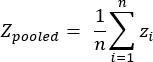 (2)
(2)
Feature fusion mechanism
The MFCC and wav2vec 2.0 features were fused via feature-level concatenation. Specifically, the MFCC features were first aggregated using temporal averaging to produce a fixed-length vector.
m ∈ R40 (3)
The final hybrid feature vector was obtained as:
h = [m || zpooled] ∈ R808 (4)
where || denoted concatenation. This fusion combined deep contextual embeddings with handcrafted spectral features, enabling the model to capture both high-level semantic information and fine-grained acoustic patterns.
All audio samples were first resampled to 16 kHz. MFCC features were computed frame-wise and temporally averaged to produce a fixed 40-dimensional vector, whereas wav2vec 2.0 embeddings were mean-pooled across time to produce a 768-dimensional representation. Because both feature sets were converted into fixed-length vectors before fusion, frame-level temporal alignment was not required. The resulting MFCC and wav2vec representations were then concatenated into an 808-dimensional hybrid feature vector before being passed to the classification model.
Integration with EfficientNet-Lite
The fused feature vector, h, was reshaped into a format suitable for feature learning and provided as input to the EfficientNet-Lite model for training. A fully connected projection layer first mapped the 808-dimensional vector to a higher-dimensional latent space, after which the EfficientNet-Lite blocks refined hierarchical features. Batch normalization and dropout layers were employed to reduce overfitting and improve model generalization. The SoftMax activation function was used to generate the final predicted probabilities for the gender and age classes. The fused representation, h ∈ R808, was initially treated as a one-dimensional feature vector and passed through a fully connected projection layer that mapped it to 4,096 dimensions. The projected representation was then reshaped into a 1 × 64 × 64 tensor before being supplied to the EfficientNet-Lite architecture.
To accommodate the single-channel speech feature representation, rather than the conventional three-channel image input, the original EfficientNet-Lite input convolutional layer was modified from three to one input channel. The remaining EfficientNet-Lite feature-extraction blocks were retained without major architectural modifications. An adaptive global average pooling layer was applied to the final feature maps to produce a fixed-length representation. The original classification head was replaced with a task-specific fully connected layer containing two output units for gender classification and the corresponding number of output units for the predefined age groups. Finally, the SoftMax activation function was applied to generate class probabilities. The proposed hybrid representation combined modern self-supervised speech embeddings with traditional signal-processing features. The wav2vec 2.0 embeddings captured contextual information and long-range dependencies, whereas the MFCC features provided complementary low-level acoustic information. The integration of these representations improved classification performance, particularly under noisy and multilingual speech conditions.
ML Classifier
In this research, the performance of multiple ML algorithms was analyzed for voice-based gender and age-group classification.
Random Forest
Random Forest (RF) was used as a robust Machine Learning (ML) classifier, combining multiple Decision Trees (DTs) to improve prediction accuracy and reduce overfitting. RF operated through an ensemble-learning procedure in which predictions from multiple trees were aggregated to generate the final prediction37,38. This approach enabled RF to capture diverse patterns in the data while reducing the overfitting commonly associated with individual DTs. The randomness introduced during tree construction improved model generalizability, making RF suitable for classification tasks such as gender and age classification from voice data.
Logistic Regression
Logistic Regression (LR) was used as a statistical ML model for classification39. For binary classification, LR estimates the probability of an outcome based on the input features using the logistic (sigmoid) function, and the resulting probabilities are used to generate class predictions. LR was also applicable to multiclass classification problems involving more than two classes. For multiclass classification, LR used approaches such as one-vs-rest or SoftMax regression, depending on the classification setting.
Extra Tree Classifier
The Extra Trees Classifier (ETC) was used as an ensemble learning algorithm that combined multiple DTs to generate predictions40,41. Unlike RF, ETC introduces additional randomness by selecting candidate features and split thresholds at random during tree construction. This procedure generated less-correlated trees and reduced the model's sensitivity to individual features, thereby improving robustness to noise. The Gini index was used as a splitting criterion to evaluate feature importance and partition the data.
Support Vector Machine
Support Vector Machine (SVM) was used as an ML classifier to identify an optimal decision boundary in a high-dimensional feature space42. The objective was to determine a hyperplane that maximized the margin between classes. A larger margin between the decision boundary and the nearest data points generally supported better class separation and generalization. SVM was applicable to several ML tasks, including classification, regression, and feature-based data analysis.
Convolutional Neural Networks
Convolutional Neural Networks (CNNs) were used as Deep Learning (DL) models for classification tasks involving structured representations of image and audio data. One-dimensional CNNs (1D-CNNs) have also been widely applied to sequential and textual data. CNN architectures used convolutional filters and pooling operations to extract discriminative features from the input data43,44. For gender and age classification from voice data, CNNs were applied to speech-derived representations to learn patterns associated with pitch, frequency, tone, and other vocal characteristics relevant to distinguishing gender and age groups.
VGG19
VGG19 was used as a DL architecture characterized by a deep, relatively uniform hierarchical feature-extraction structure45. Its architecture employed small 3 × 3 convolutional filters across 19 layers, enabling progressive extraction of discriminative features. When applied to speech-derived representations, VGG19 captured both low-level acoustic patterns, such as pitch and frequency variations, and higher-level discriminative features. Its deep architecture enabled progressive feature abstraction for modeling vocal characteristics associated with gender and age.
EfficientNet-Lite
EfficientNet-Lite was used as a computationally efficient DL architecture46,47. The model employed a balanced scaling strategy to achieve strong classification performance while requiring fewer computational resources than heavier DL architectures. Its compound scaling approach jointly considered model depth, width, and input resolution to achieve efficient feature extraction.
EfficientNet-Lite was selected for the proposed VoiceNet-RAI framework because of its lightweight architecture and favorable balance between classification performance and model complexity. Compared with heavier architectures, it used efficient convolutional blocks and compound scaling to achieve effective feature learning with fewer parameters and lower computational requirements. These characteristics made EfficientNet-Lite suitable for the proposed speech-classification framework and provided the potential for deployment in resource-constrained environments.
MobileNet
MobileNet was used as a lightweight DL architecture for applications with limited computational resources, including mobile and edge computing environments48. Its computational efficiency was primarily achieved through depthwise separable convolutions, which reduced the number of parameters and computational operations compared with conventional convolutional architectures. These characteristics made MobileNet suitable for evaluating gender and age classification from voice data while maintaining relatively low computational requirements.
InceptionV3
InceptionV3 was used as a deep architecture to extract hierarchical features from speech-derived representations49. The architecture incorporated convolutional, pooling, and mixed operations to extract features at different levels of abstraction. For gender and age classification from voice data, InceptionV3 was used to learn complex acoustic patterns and hierarchical representations associated with variations in vocal characteristics.
Evaluation parameters
Accuracy was one of the most frequently used evaluation metrics for classification tasks50. Although accuracy provided a useful measure of overall classification performance, it did not always provide a comprehensive assessment, particularly for imbalanced datasets. Therefore, additional metrics, including precision, recall, and F1-score, were used to evaluate model performance. These metrics provided a more comprehensive assessment by considering correct and incorrect predictions for each class.
Accuracy was defined as the ratio of correctly classified observations to the total number of observations. Although accuracy was particularly informative for balanced datasets, the dataset used in this study was imbalanced. Therefore, True Positives (TP), False Positives (FP), True Negatives (TN), and False Negatives (FN) were considered when calculating and interpreting the classification metrics. The equation below represents the standard definition of accuracy:
Accuracy = (TP+TN)/(TP+TN+FP+FN)×100 (5)
Precision assesses the classifier's ability to return only relevant instances:
Precision= TP/(TP+FP) ×100 (6)
Recall, also known as sensitivity, measures the classifier’s ability to identify all relevant instances:
Recall= TP/(FN+TP) × 100 (7)
The F1-score combines precision and recall into a single measure and is particularly useful for evaluating classification performance on imbalanced datasets:
F1-Score =2 ×(PPV ×TPR)/(TPR+PPV) × 100 (8)
Results
Experimental results for age and gender classification were evaluated using MFCC-based and hybrid feature representations with ML and DL models. The dataset was partitioned into training and testing sets at an 80:20 ratio, with 80% used for training and 20% for testing. Speaker-level partitioning was applied to prevent recordings from the same speaker from appearing in both sets.
The hyperparameters and implementation details of the proposed framework are summarized in Table 3. The experiments were conducted on a system equipped with an Intel i7-8265U CPU, 16 GB of RAM, and an NVIDIA Tesla K80 GPU running Windows 11. Python and the Scikit-learn library were used to develop the ML models, whereas the proposed DL framework was implemented using PyTorch. These models were evaluated for gender and age classification from voice data.
The Adam optimizer was used with an initial learning rate of 1 × 10⁻4, β₂ = 0.999, and ε = 1 × 10⁻8. A batch size of 64 and a maximum of 50 epochs were used, with early stopping set to a patience of four epochs to reduce overfitting. A dropout rate of 0.3 was applied to the fully connected layers for regularization. Categorical cross-entropy was used as the loss function for the classification tasks. The ReduceLROnPlateau learning-rate scheduler was used to monitor the validation loss.
To prevent data leakage and ensure a fair evaluation, speaker-level splitting was enforced so that no speaker appeared in both the training and testing sets. In addition, five-fold cross-validation was performed to assess the generalizability and robustness of the proposed model.
Results of models using the original dataset
Table 4 presents the performance of several ML and DL models for gender classification on a dataset comprising 28 languages, without MFCC features. Precision, recall, F1-score, and accuracy were used as the evaluation metrics.
Among the evaluated models, EfficientNet-Lite achieved the highest accuracy of 83.48%, with a precision 82.87%, a recall 84.28%, and an F1-score 83.54%. MobileNet and InceptionV3 also performed well, with MobileNet achieving 81.33% accuracy and 83.11% F1-score, and InceptionV3 achieving 80.77% accuracy and 82.52% F1-score. The CNN model achieved an accuracy of 75.71% and an F1-score of 77.43%, while ResNet achieved an accuracy of 74.37% and an F1-score of 75.54%. SVM, RF, LR, and ETC achieved accuracies ranging from 71.42% to 73.59% and F1-scores ranging from 72.48% to 74.34%. VGG19 achieved a comparatively lower accuracy of 70.56%, with a recall of 75.07% and an F1-score of 74.17%. Overall, EfficientNet-Lite and MobileNet achieved the strongest performance among the evaluated models when using the original features.
Results of models using MFCC features
MFCC features were subsequently evaluated for gender classification. Table 5 compares the performance of the ML and DL models using MFCC features on the dataset comprising 28 languages.
EfficientNet-Lite achieved the highest performance, with an accuracy of 92.64%, precision of 93.79%, recall of 94.92%, and F1-score of 94.84%. MobileNet achieved an accuracy of 91.39% and an F1-score of 91.07%, whereas InceptionV3 achieved an accuracy of 90.24% and an F1-score of 89.83%. ResNet achieved an accuracy of 89.43% and an F1-score of 83.67%, while CNN achieved an accuracy of 88.60% and an F1-score of 87.35%. VGG19 achieved an accuracy of 87.48% and an F1-score of 85.58%.
Among the traditional ML models, SVM achieved an accuracy of 85.47% and an F1-score of 84.29%; RF achieved an accuracy of 84.57% and an F1-score of 87.42%; LR achieved an accuracy of 83.25% and an F1-score of 84.98%; and ETC achieved an accuracy of 83.59% and an F1-score of 85.43%. Overall, the inclusion of MFCC features improved the performance of most models compared with the results obtained using the original features. EfficientNet-Lite achieved the highest overall performance in this experiment.
Results of models using hybrid MFCC–wav2vec 2.0 features with the English-language dataset
The next set of experiments evaluated gender classification using the hybrid MFCC–wav2vec 2.0 feature representation on the English-language subset. The performance of the evaluated models is presented in Table 6. EfficientNet-Lite achieved the highest performance, with an accuracy of 97.87%, precision of 98.61%, recall of 98.70%, and F1-score of 98.65%.
Among the traditional ML models, SVM achieved an accuracy of 92.58% and an F1-score of 91.52%; ETC achieved an accuracy of 91.49% and an F1-score of 92.79%; LR achieved an accuracy of 90.64% and an F1-score of 91.34%; and RF achieved an accuracy of 88.36% and an F1-score of 90.86%. Overall, the models demonstrated strong performance on the English-language subset, with EfficientNet-Lite achieving the highest values across the reported evaluation metrics.
Results of five-fold cross-validation
Five-fold cross-validation was performed to evaluate the stability and generalizability of the proposed framework. The cross-validation results obtained using the English-language voice dataset are presented in Table 7. EfficientNet-Lite achieved a standard deviation of ±0.0033 across the five folds. The low variability across folds indicated stable performance under the evaluated cross-validation setting.
Age classification using voice data
In addition to gender classification, age classification was evaluated using multiple models and MFCC features. Table 8 presents the performance of the evaluated models for age classification.
The results showed that the transfer-learning models achieved accuracies above 85%, with MobileNet achieving 85.23% and InceptionV3 achieving 86.67%. EfficientNet-Lite achieved the highest reported performance, with an accuracy of 88.42%, precision of 86.56%, and recall of 87.21%.
Validation of the proposed framework
To evaluate the proposed framework on an external dataset, additional experiments were conducted using the Mozilla Common Voice dataset51. The dataset contained approximately 500 hours of crowdsourced speech recordings with associated demographic metadata, including age, gender, and accent information. The corpus was organized into predefined training, development, and test subsets. Audio recordings were processed using the same preprocessing pipeline as that used in the primary experiments, including resampling to 16 kHz, extraction of 40-dimensional MFCC features, and generation of 768-dimensional wav2vec 2.0 embeddings. The two representations were concatenated to produce the 808-dimensional hybrid feature vector used by VoiceNet-RAI. The validation results are presented in Table 9.
EfficientNet-Lite with the hybrid low- and high-level feature representation achieved a gender classification accuracy of 98.27%, higher than that of the other evaluated models. Among the ML models, RF achieved 90.47% accuracy, SVM 90.69%, and LR 89.75%. Among the other DL models, ResNet achieved 92.19% accuracy, whereas VGG19 achieved 92.12%. The corresponding precision, recall, and F1-score values are reported in Table 9.
Ablation study on feature representation and fusion
An ablation study was conducted to evaluate the contribution of the feature representations used in the proposed framework. Four configurations were considered: raw/original features, MFCC-only features, wav2vec 2.0-only embeddings, and the proposed hybrid MFCC–wav2vec 2.0 representation. EfficientNet-Lite was used as the representative model because it achieved the highest performance across the evaluated experimental settings. The ablation results are presented in Table 10.
The baseline model using raw features achieved 83.48% accuracy, whereas the MFCC-based representation achieved 92.64% accuracy and 94.84% F1-score. The hybrid MFCC–wav2vec 2.0 representation achieved an accuracy of 97.87% and an F1-score of 98.65%. Under identical English-language data partitions and training conditions, the hybrid MFCC–wav2vec 2.0 representation achieved 97.87% accuracy, compared with 92.64% for the MFCC-only representation.
Controlled experiments were conducted using identical data partitions, training settings, and the EfficientNet-Lite architecture to evaluate the contribution of each feature representation. Raw/original features, MFCC-only features, wav2vec 2.0-only embeddings, and the hybrid MFCC–wav2vec 2.0 representation were compared under these conditions. This experimental design was used to assess the individual and combined contributions of the feature representations.
Statistical significance analysis
All feature configurations in this comparison were evaluated using the same English-language subset, identical speaker-level data partitions, and the same five cross-validation folds. The proposed model achieved significantly higher accuracy than the raw-feature (97.86 ± 0.23% vs. 83.48 ± 0.24%; t (4) = 384.32, p < 0.001), MFCC-only (97.86 ± 0.23% vs. 92.60 ± 0.32%; t (4) = 131.50, p < 0.001), and wav2vec 2.0-only configurations (97.86 ± 0.23% vs. 95.34 ± 0.24%; t (4) = 126.00, p < 0.001), confirming that the improvements from MFCC–wav2vec 2.0 fusion were statistically significant.
Responsible AI considerations and deployment guidelines
Responsible AI in voice-based demographic classification required consideration of fairness, transparency, privacy, potential misuse, and deployment-related risks in addition to predictive performance. Although subgroup analysis provided an empirical assessment of performance differences across the evaluated gender and language groups, fairness could not be established solely from similar classification accuracy. Therefore, the VoiceNet-RAI framework was evaluated from multiple Responsible AI perspectives.
Fairness and bias analysis
A fairness analysis was conducted across gender and language subgroups to evaluate the Responsible AI characteristics of the proposed VoiceNet-RAI framework. The results are presented in Table 11. For gender-wise evaluation, model performance was analyzed separately for male and female speakers. The results showed less than 1.5% variation in accuracy and F1-score between the evaluated gender groups.
For language-wise evaluation, performance was assessed across the evaluated language groups within the dataset of 28 languages. The results showed an average variation of less than 2% in accuracy across the evaluated groups, with greater variation observed for some lower-resource languages with fewer available samples.
Fairness was further assessed using the demographic parity difference, the equal opportunity difference, the False Positive Rate (FPR), and the False Negative Rate (FNR). Demographic parity difference quantified differences in positive prediction rates between groups, whereas equal opportunity difference quantified differences in True Positive Rates (TPRs). FPR and FNR were used to characterize subgroup-specific error patterns. These metrics complemented subgroup-level accuracy and F1-score, providing additional information on differences in model performance across the evaluated demographic and linguistic groups. Under the evaluated dataset and subgroup definitions, the results indicated relatively small performance differences across the assessed gender and language groups. However, these findings were limited to the demographic and linguistic groups represented in the evaluated datasets and did not establish fairness across unrepresented populations or deployment settings.
Explainability and transparency
VoiceNet-RAI combined interpretable MFCC-based acoustic features with contextual wav2vec 2.0 embeddings. The ablation study evaluated the contributions of the individual and combined feature representations. However, wav2vec 2.0 embeddings remained comparatively difficult to interpret. Post-hoc explanation methods could therefore be investigated in future studies to identify the features that contributed most strongly to individual predictions.
Privacy preservation
Because voice recordings contained sensitive biometric information, privacy-preserving deployment required data-minimization practices, including processing only the information required for the classification task and avoiding unnecessary storage of raw audio. Secure storage, controlled access, and local inference could further reduce privacy risks. Formal privacy-preserving approaches, including differential privacy, were not evaluated in the present study and remained an area for future investigation.
Responsible deployment
Deployment of VoiceNet-RAI would require human oversight, confidence-aware decision-making, and continuous performance monitoring. Low-confidence predictions should not be used independently for critical decisions, and model performance should be re-evaluated when deployment conditions differ substantially from those represented in the training and validation datasets.
Comparison with state-of-the-art techniques
A comparative evaluation of the proposed framework and previously published approaches is presented in Table 12. Studies published between 2019 and 2024 were considered, including approaches based on ML, DL, and transfer learning. The comparison included previously reported studies in the same application domain. As shown in Table 12, the proposed framework achieved higher reported accuracy for gender and age classification than the compared approaches. However, because the studies may have differed in datasets, preprocessing procedures, data partitions, and evaluation protocols, the comparison reflected reported performance rather than a controlled head-to-head experimental comparison.
DATA AVAILABILITY:
The raw speech data used in this study are publicly available from the BVC Challenging Voice Set hosted on GitHub and the Mozilla Common Voice dataset. The BVC dataset can be accessed at https://github.com/OgeNI/BVC_Challenging_Voice_Set, while the Common Voice dataset is available at https://www.kaggle.com/datasets/mozillaorg/common-voice/data.
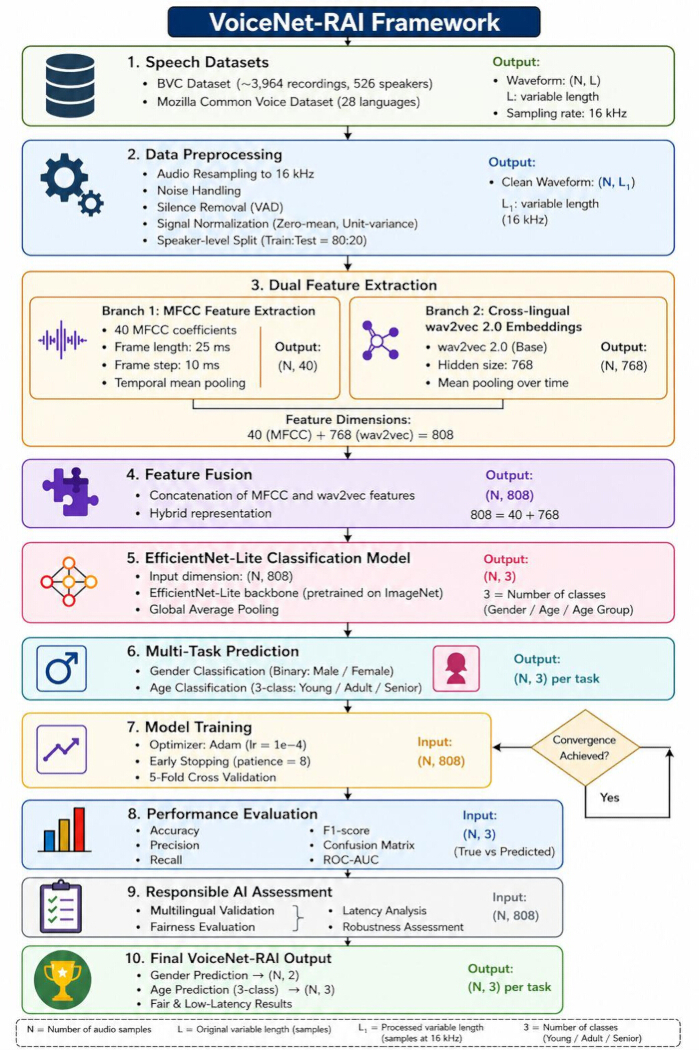
Figure 1: Architecture Diagram. The complete workflow methodology of the proposed framework. Please click here to view a larger version of this figure.
| References | Models | Datasets | Results |
| 19 | GBC, DT, RF, SVM, NN | VoxForge dataset | GBC 90% |
| 20 | Robustscalar, PCA, and Logistic regression, Sequential model | voice.mozilla.org | Sequential Model 91%. |
| 21 | CNN, CRNN, TCN | Mozilla Voice dataset | 80% CNN |
| 22, 23 | Backpropagation, DT, Bagging, RF, KNN, DNN, DL | Kaggle, Mozilla Voice dataset, Speech Accent Archive | Kaggle: Bagging, KNN and RF 98.10%. Voice common: Bagging 55.39%. Speech accent: Bagging 78.94%. |
| 24 | DNN, MLP, KNN, SVC, DT, RF, SVC RBF kernel, ADA, QDA, GNB, ResNET34 and ResNET50. | Mozilla Common Voice | ResNET50 98.57%. |
| 25 | ANN, SVM, RF, DT, NB, KNN | OGI Kids Speech corpus, Private corpus, Specific Dataset, | For Gender detection SVM 98%, For age detection RF 95% |
| 26 | SVM, DA, NB, DT, KNN, Ensem- ble, LightGBM | Mozilla Common Voice, VoxCeleb | LGBM 91% |
| 27 | KNN, SVM, LR, SGD, Stacked model | Various gender sources | Stacked model 99.64% |
| 28 | DNN, SVM | Various gender sources | SVM 97% |
| 29 | SVM, RF, CART, KNN | Dataset contain 3169 instances | RF 93% |
| 30 | CNN | Nigerian subjects dataset | CNN 85.48%. |
| 31 | DT, RF, KNN, LR, SVM, ANN, CNN2D | 3 dataset from kaggle | Gender Prediction: ANN 85.51%, Age Prediction: ANN 89.20%. |
Table 1: Summary of existing studies on voice-based gender and age classification, including models, datasets, and reported performance.
| Dataset Characteristic | Description / Value | ||
| Total number of speakers | 526 | ||
| Male speakers | 336 | ||
| Female speakers | 190 | ||
| Total recordings | Approximately 3,964 | ||
| Number of languages | 28 | ||
| Language-wise distribution | English and 28 native languages (Afemai, Akoko-Edo, Annang, Efik, Ekoi, Fulani, Hausa, Ibibio, Idoma, Igala, Igbo, Igede, Ijaw, Ika, Ikom, Ikwerre, Ishan, Kaire-Kaire, Kanuri, Lokaa, Urhobo, Yoruba, Obudu, Ogoni, Okobo, Okirika, Tiv and Ukwani. The dominant tribe amongst these native languages in the dataset is Igbo.) | ||
| Age groups | three age groups: young people (teens and twenties), adults (thirties, forties and fifties), and seniors (sexagenarians, heptagenarians and octogenarians) | ||
| Age-group distribution | Teens13–19 yearsLow (< 10%)Twenties20–29 yearsVery High (~35–45%)Thirties30–39 yearsHigh (~20–30%)Forties40–49 yearsModerate (~10–15%)Fifties50–59 yearsLow (~5–10%)Sixties+60–80+ yearsSparse (< 5%) | ||
| Recording duration | 3-10 seconds | ||
| Recording conditions | 16 bit PCM | ||
| Original sampling rate | 44.1 kHz | ||
| Processing sampling rate | 16 kHz | ||
| MFCC frame length | 25 ms | ||
| MFCC frame overlap / step | 10 ms | ||
| MFCC representation | 39-dimensional temporally averaged vector | ||
| wav2vec 2.0 representation | 768-dimensional temporally mean-pooled vector | ||
| Final fused representation | 807 dimensions | ||
| Train–test split | 80:20 | ||
| Data partitioning | Speaker-independent splitting | ||
| Cross-validation | 5-fold cross-validation | ||
| External validation dataset | Mozilla Common Voice | ||
Table 2: Demographic characteristics, language coverage, data partitioning, and preprocessing settings of the speech dataset used in VoiceNet-RAI.
| Parameter | Value / Description | ||
| Framework | PyTorch | ||
| Hardware | NVIDIA GPU (CUDA-enabled) | ||
| Random seed | 42 | ||
| Optimizer | Adam | ||
| Initial Learning Rate | 1 × 10⁻⁴ | ||
| β₁ / β₂ | 0.9 / 0.999 | ||
| Adam epsilon | 1 × 10⁻⁸ | ||
| Batch Size | 64 | ||
| Epochs | 50 (Early stopping patience = 8) | ||
| Loss Function | Categorical Cross-Entropy | ||
| Normalization | Z-score normalization | ||
| Learning Rate Scheduler | ReduceLROnPlateau | ||
| Dropout Rate | 0.3 | ||
| Training time | 20min | ||
| Inference time/sample | 13 seconds | ||
| Feature Extraction | Feature Extraction | ||
| MFCC Coefficients | 40 | ||
| Window Size | 25 ms | ||
| Stride | 10 ms | ||
| wav2vec Variant | Base (pretrained) Embedding Dimension | ||
| Pooling Strategy | Mean pooling | ||
| Feature Fusion | Concatenation (MFCC + wav2vec) | ||
| MFCC Coefficients | 40 | ||
| Evaluation Protocol | Evaluation Protocol | ||
| Train-Test Split | Speaker-level separation | ||
| Cross-Validation | 5-Fold | ||
| Datasets | Mozilla Common Voice (28 languages + English subset) and BVC Gender & Age from Voice Challenging Dataset | ||
| Tasks | Gender and Age Classification | ||
Table 3: Training configuration, feature-extraction settings, hyperparameters, and evaluation protocol used for VoiceNet-RAI.
| Models | Accuracy | Precision | Recall | F1-score |
| RF | 71.42 | 72.79 | 74.43 | 73.52 |
| LR | 73.59 | 74.22 | 75.40 | 74.34 |
| ETC | 72.44 | 72.33 | 74.52 | 73.41 |
| SVM | 73.52 | 72.60 | 72.39 | 72.48 |
| CNN | 75.71 | 76.59 | 77.34 | 77.43 |
| VGG19 | 70.56 | 73.28 | 75.07 | 74.17 |
| ResNet | 74.37 | 73.49 | 76.68 | 75.54 |
| EfficientNet-Lite | 83.48 | 82.87 | 84.28 | 83.54 |
| MobileNet | 81.33 | 83.19 | 82.14 | 83.11 |
| InceptionV3 | 80.77 | 81.34 | 82.67 | 82.52 |
Table 4: Gender-classification performance of ML and DL models using the 28-language dataset without MFCC features.
| Models | Accuracy | Precision | Recall | F1-score |
| RF | 84.57 | 86.53 | 87.39 | 87.42 |
| LR | 83.25 | 84.42 | 85.64 | 84.98 |
| ETC | 83.59 | 84.25 | 86.36 | 85.43 |
| SVM | 85.47 | 83.37 | 85.26 | 84.29 |
| CNN | 88.60 | 86.75 | 88.46 | 87.35 |
| VGG19 | 87.48 | 85.49 | 85.80 | 85.58 |
| ResNet | 89.43 | 84.39 | 82.34 | 83.67 |
| EfficientNet-Lite | 92.64 | 93.79 | 94.92 | 94.84 |
| MobileNet | 91.39 | 90.64 | 91.15 | 91.07 |
| InceptionV3 | 90.24 | 88.81 | 90.70 | 89.83 |
Table 5: Gender-classification performance of ML and DL models using MFCC features on the 28-language dataset.
| Models | Accuracy | Precision | Recall | F1-score |
| RF | 88.36 | 90.91 | 89.94 | 90.86 |
| LR | 90.64 | 92.24 | 91.30 | 91.34 |
| ETC | 91.49 | 92.80 | 92.79 | 92.79 |
| SVM | 92.58 | 92.75 | 90.64 | 91.52 |
| CNN | 93.69 | 94.69 | 94.53 | 94.34 |
| VGG19 | 91.37 | 92.64 | 93.48 | 93.21 |
| ResNet | 95.28 | 96.39 | 95.52 | 95.43 |
| EfficientNet-Lite | 97.87 | 98.61 | 98.70 | 98.65 |
| MobileNet | 96.41 | 95.51 | 96.39 | 96.24 |
| InceptionV3 | 96.35 | 95.29 | 96.84 | 96.08 |
Table 6: Gender-classification performance of ML and DL models using the hybrid MFCC–wav2vec 2.0 feature representation on the English-language subset.
| Models | Accuracy | Precision | Recall | F1-score |
| First-fold | 97 | 93 | 96 | 94 |
| Second-fold | 96 | 94 | 96 | 95 |
| Third-fold | 97 | 94 | 95 | 95 |
| Fourth-fold | 96 | 93 | 95 | 94 |
| Fifth-fold | 97 | 94 | 96 | 95 |
| Average | 96.6 | 93.6 | 95.6 | 94.6 |
Table 7: Five-fold cross-validation performance of VoiceNet-RAI on the English-language subset.
| Models | Accuracy | Precision | Recall | F1-score |
| RF | 80.15 | 78.68 | 79.27 | 79.04 |
| LR | 81.28 | 80.69 | 80.43 | 80.54 |
| ETC | 80.58 | 81.21 | 80.82 | 81.04 |
| SVM | 82.54 | 81.31 | 82.14 | 81.78 |
| CNN | 85.27 | 84.39 | 84.47 | 84.43 |
| VGG19 | 83.73 | 82.97 | 83.53 | 83.48 |
| ResNet | 82.68 | 81.42 | 80.78 | 81.95 |
| EfficientNet-Lite | 88.42 | 86.56 | 87.21 | 86.97 |
| MobileNet | 85.23 | 85.64 | 85.95 | 85.81 |
| InceptionV3 | 86.67 | 85.86 | 86.78 | 86.35 |
Table 8: Age-classification performance of ML and DL models in terms of accuracy, precision, recall, and F1-score.
| Models | Accuracy | Precision | Recall | F1-score |
| RF | 90.47 | 92.82 | 90.85 | 91.32 |
| LR | 89.75 | 90.44 | 89.61 | 90.03 |
| ETC | 92.63 | 91.29 | 91.55 | 91.42 |
| SVM | 90.69 | 91.84 | 91.81 | 91.82 |
| CNN | 94.63 | 95.52 | 94.24 | 94.94 |
| VGG19 | 92.12 | 91.34 | 90.52 | 91.10 |
| ResNet | 92.19 | 91.98 | 92.27 | 92.25 |
| EfficientNet-Lite | 98.27 | 98.63 | 98.44 | 98.56 |
| MobileNet | 97.28 | 96.36 | 97.01 | 96.40 |
| InceptionV3 | 95.85 | 96.18 | 97.35 | 97.17 |
Table 9: External validation results for gender classification on the Mozilla Common Voice dataset using the hybrid MFCC–wav2vec 2.0 feature representation.
| Feature Configuration | Accuracy (%) | Precision (%) | F1-Score ( %) |
| Raw features (No MFCC) | 83.48 | 82.87 | 83.54 |
| MFCC only | 92.64 | 93.79 | 94.84 |
| wav2vec 2.0-only | 95.34 | 96.32 | 95.18 |
| MFCC + wav2vec (Proposed) | 97.87 | 98.61 | 98.65 |
Table 10: Ablation analysis of feature representations using EfficientNet-Lite.
| Evaluation Group | SubGroup | Accuracy (%) | F1-score (%) | FPR | FNR | Demographic Parity Difference | Equal Opportunity Difference |
| Gender | Male | 97.95 | 97.95 | 0.021 | 0.024 | _ | _ |
| Gender | Female | 97.62 | 98.50 | 0.024 | 0.027 | _ | _ |
| Gender disparity | Male vs. Female | _ | _ | _ | _ | 0.012 | 0.003 |
| High-resource languages | 98.10 | 98.80 | 0.018 | 0.021 | _ | _ | |
| Low-resource languages | 96.85 | 97.90 | 0.031 | 0.034 | _ | _ | |
| Language Disparity | High vs. Low | _ | _ | _ | _ | 0.028 | 0.014 |
Table 11: Fairness evaluation across gender and language-resource subgroups. Abbreviations: FPR = false positive rate; FNR = false negative rate. Demographic parity difference and equal opportunity difference represent between-group disparities, so they are reported for subgroup comparisons rather than individual groups. Lower disparity values indicate more consistent model behavior across groups.
| Reference | Approach | Accuracy |
| 16 | GBC | 90%. |
| 17 | Sequential Model | 91% |
| 18 | CNN | 80% |
| 19 | Bagging, KNN and RF | 98.10%. |
| 20 | ResNET50 | 98.57%. |
| 21 | SVM | 98% |
| 22 | LGBM | 91% |
| 23 | Stacked model | 99.64% |
| 24 | SVM | 97% |
| 25 | RF | 93% |
| 26 | CNN | 85.48% |
| 27 | ANN | 89.20% |
| This study | EfficientNet-Lite | 97.87% |
Table 12: Accuracy comparison of VoiceNet-RAI with previously reported state-of-the-art approaches for voice-based gender and age classification.
Discussion
This study developed and evaluated an automated framework for gender and age classification from voice data by integrating MFCC features and wav2vec 2.0 embeddings with EfficientNet-Lite. In the initial experiments, EfficientNet-Lite achieved an accuracy of 83.48%, precision of 82.87%, recall of 84.28%, and F1-score of 83.54% using the original features. Following the integration of MFCC features, performance improved substantially, with an accuracy of 92.64%, precision of 93.79%, recall of 94.92%, and F1-score of 94.84% on the dataset comprising 28 languages. Using the hybrid MFCC–wav2vec 2.0 representation on the English-language subset, EfficientNet-Lite achieved an accuracy of 97.87%, precision of 98.61%, recall of 98.70%, and F1-score of 98.65%, recall of 98.70%, precision of 98.61%, and F1-score of 98.65%. Generalizability was further assessed using the Mozilla Common Voice dataset, on which the proposed framework also demonstrated strong performance. In addition, model stability was evaluated using five-fold cross-validation.
The improvement observed after integrating MFCC features indicated that low-level spectral characteristics, including pitch, timbre, and vocal tract information, remained highly discriminative for gender and age classification. The additional performance gain achieved with the hybrid MFCC–wav2vec 2.0 representation suggested that contextual Transformer-based embeddings provided complementary information not fully captured by handcrafted acoustic features alone. This complementarity may explain the improved performance of the proposed hybrid representation compared with the original and MFCC-only configurations. The stronger performance observed in the English-language subset also suggested that linguistic variability may have contributed to classification difficulty. When multiple languages were combined, differences in pronunciation, accent, phonetic structure, and sample distribution may have introduced additional variability, whereas the single-language setting provided a more homogeneous feature space. Validation using the Mozilla Common Voice dataset further suggested that the proposed representation generalized beyond the primary dataset, although differences in recording conditions and demographic distributions may still have affected performance.
Overall, the results indicated that VoiceNet-RAI's performance was driven by the complementary contributions of spectral and contextual speech representations rather than by a single feature type. However, the remaining performance variations across languages and age groups highlighted the need for broader subgroup evaluation, noise-robustness testing, and additional comparisons with recent self-supervised speech models.
Alternative approaches for speech-based gender and age classification include handcrafted acoustic features with conventional ML classifiers, CNN-based learning from speech representations, ensemble methods, and self-supervised models such as HuBERT, WavLM, and data2vec. In contrast, VoiceNet-RAI combines MFCC-based spectral information with contextual wav2vec 2.0 embeddings to exploit the complementary strengths of handcrafted and learned speech representations.
This study had several limitations. First, the primary dataset had imbalanced distributions across gender, languages, and age groups, which may have influenced subgroup performance and limited generalizability to underrepresented populations. Second, variations in recording devices, accents, pronunciation, and acoustic conditions may have affected the reliability of classification. Third, although validation using the Mozilla Common Voice dataset supported generalizability beyond the primary dataset, broader evaluation using additional real-world datasets remained necessary. Finally, the deployment of voice-based demographic classification raised privacy, fairness, and ethical concerns, particularly in uncontrolled or high-impact applications. Therefore, continuous performance monitoring, human oversight, and privacy-aware deployment practices would be necessary for responsible implementation. The framework demonstrated potential for applications in human–computer interaction, voice-based authentication, speech analytics, and digital forensics. Future work will compare VoiceNet-RAI with recent self-supervised speech models, including HuBERT, WavLM, and data2vec, and will explore task-specific attention over the fused MFCC–wav2vec 2.0 representation. Unlike the internal self-attention mechanism of wav2vec 2.0, the proposed future mechanism would explicitly weight task-relevant temporal and feature-level information for gender and age classification.
Disclosures
The authors have no conflicts of interest to disclose.
Acknowledgements
The authors would like to thank Princess Nourah bint Abdulrahman University Researchers Supporting Project number (PNURSP2026R748), Princess Nourah bint Abdulrahman University, Riyadh, Saudi Arabia for funding this research.
Materials
| Name | Company | Catalog Number | Comments |
|---|---|---|---|
| BVC Challenging Voice Set | Biometrics Vision and Computing Group / OgeNI | BVC Challenging Voice Set | https://github.com/OgeNI/BVC_Challenging_Voice_Set |
| EfficientNet-Lite | EfficientNet-Lite, exact variant used | https://github.com/tensorflow/tpu/tree/master/models/official/efficientnet/lite | |
| Graphics Processing Unit | NVIDIA | Tesla K80 | https://www.nvidia.com/ |
| Mozilla Common Voice Dataset | Mozilla Foundation | Common Voice, version used in experiments | https://www.kaggle.com/datasets/mozillaorg/common-voice/data |
| NumPy | NumPy Developers | Exact version used in experiments | https://numpy.org/ |
| Processor | Intel | Intel Core i7-8265U | https://www.intel.com/ |
| Python | Python Software Foundation | Exact version used in experiments | https://www.python.org/ |
| PyTorch | PyTorch Foundation | Exact version used in experiments | https://pytorch.org/ |
| Scikit-learn | Scikit-learn Developers | Exact version used in experiments | https://scikit-learn.org/ |
| SciPy | SciPy Developers | Exact version used in experiments | https://scipy.org/ |
| wav2vec 2.0 Base | Meta AI | facebook/wav2vec2-base | https://huggingface.co/facebook/wav2vec2-base |
| Windows 11 | Microsoft | Windows 11, exact edition/build if available | https://www.microsoft.com/windows/windows-11 |
References
- Pahwa A, Aggarwal G. Speech feature extraction for gender recognition. Int J Image Graph Signal Process. 2016;8:17.
- Ericsdotter C, Ericsson AM. Gender differences in vowel duration in read Swedish: Preliminary results. Work Pap Lund Univ Dep Linguist Phon. 2001;49:34-37.
- Gamit MR, Dhameliya K, Bhatt NS. Classification techniques for speech recognition: A review. Int J Emerg Technol Adv Eng. 2015;5:58-63.
- Rabiner LR, Juang BH. Fundamentals of Speech Recognition. PTR Prentice Hall; Englewood Cliffs, NJ; 1993.
- Hansen JHL, Hasan T. Speaker recognition by machines and humans: A tutorial review. IEEE Signal Process Mag. 2015;32(6):74-99.
- Zhang Y, et al. Towards end-to-end speech recognition with deep convolutional neural networks [conference presentation]. Presented at: Interspeech 2016; San Francisco, CA; 2016. p. 410-414. Available from: https://www.isca-archive.org/interspeech_2016/zhang16b_interspeech.html
- Kabil SH, Muckenhirn H, Magimai-Doss M. On learning to identify genders from raw speech signal using CNNs [conference presentation]. Presented at: Interspeech 2018; Hyderabad, India; 2018. p. 287-291. Available from: https://www.isca-archive.org/interspeech_2018/kabil18_interspeech.html
- Albawi S, Mohammed TA, Al-Zawi S. Understanding of a convolutional neural network [conference presentation]. Presented at: 2017 International Conference on Engineering and Technology (ICET); Antalya, Türkiye; 2017. p. 1-6. Available from: https://ieeexplore.ieee.org/document/8308186
- Abdi H, Williams LJ. Principal component analysis. Wiley Interdiscip Rev Comput Stat. 2010;2(4):433-459.
- Mavaddati S. Voice-based age, gender, and language recognition based on ResNet deep model and transfer learning in spectro-temporal domain. Neurocomputing. 2024;580:127429.
- Jiang H, et al. 3WD-DRT: A three-way decision enhanced dynamic routing transformer for cost-sensitive multimodal sentiment analysis. Inf Sci. 2026;725:122704.
- Jameel HK, Al Ghrairi AHT, Neamah MM. Self-supervised learning for speech recognition: A review. Dijlah J Eng Sci. 2026;3(2).
- Anidjar OH, Yozevitch R. Transformer-based language-independent gender recognition in noisy audio environments. Sci Rep. 2025;15(1):14421.
- Sinha A, Kathania HK, Kurimo M. A study on the layer-wise transferability of self-supervised learning features for children's speech processing tasks. Speech Commun. 2026;180:103392.
- Li M, Han KJ, Narayanan SS. Automatic speaker age and gender recognition using acoustic and prosodic level information fusion. Comput Speech Lang. 2013;27(1):151-167.
- Sánchez-Hevia HA, Gil-Pita R, Utrilla-Manso M, Rosa-Zurera M. Age group classification and gender recognition from speech with temporal convolutional neural networks. Multimed Tools Appl. 2022;81:3535-3552.
- Abu Mallouh A, Qawaqneh Z, Barkana BD. New transformed features generated by deep bottleneck extractor and a GMM–UBM classifier for speaker age and gender classification. Neural Comput Appl. 2018;30:2581-2593.
- Almomani A, et al. Age and gender classification using backpropagation and bagging algorithms. Comput Mater Contin. 2023;74(2):3045-3062.
- Sahar RM, Rao TS, Anuradha S, Rao BS. Performance analysis of ML algorithms to detect gender based on voice. In: Recent Trends in Intensive Computing. 2021. p. 163-171. Available from: https://journals.sagepub.com/doi/abs/10.3233/APC210192
- Kone VS, et al. Voice-based gender and age recognition system [conference presentation]. Presented at: 2023 International Conference on Advancement in Computation & Computer Technologies (InCACCT); Gharuan, India; 2023. p. 74-80. Available from: https://ieeexplore.ieee.org/document/10141801
- Alhussein M, Muhammad G. Voice gender recognition under unconstrained environments using self-attention. Appl Acoust. 2021;175:107823.
- Yücesoy E. Automatic age and gender recognition using ensemble learning. Appl Sci. 2024;14(16):6868.
- Alnuaim AA, et al. Speaker gender recognition based on deep neural networks and ResNet50. Wirel Commun Mob Comput. 2022;2022:4444388.
- Ibrahim F, Nahar KMO, Al-Shannaq MA. Gender identification and age estimation of Arabic speaker using machine learning. J Theor Appl Inf Technol. 2020;98(19):3242-3256.
- Kannapiran P, Sindha MMR. Voice-based gender recognition model using FRT and LightGBM. Teh Vjesn. 2023;30:282-291.
- Alkhammash EH, Hadjouni M, Elshewey AM. A hybrid ensemble stacking model for gender voice recognition approach. Electronics. 2022;11:1750.
- Mutiany M, Herlistiono IO. Gender detection by voice using deep learning. Int J Innov Sci Res Technol. 2020;5(10):841-845.
- Raahul A, Sapthagiri R, Pankaj PK, Vijayarajan V. Voice based gender classification using machine learning. IOP Conf Ser Mater Sci Eng. 2017;263(4):042083. Available from: https://iopscience.iop.org/article/10.1088/1757-899X/263/4/042083
- Iloanusi O, et al. Voice recognition and gender classification in the context of native languages and lingua franca [conference presentation]. Presented at: 2019 6th International Conference on Soft Computing & Machine Intelligence (ISCMI); Johannesburg, South Africa; 2019. p. 175-179. Available from: https://ieeexplore.ieee.org/document/9004306
- Gupta Y, Gangwar K, Singhal M, Hemavathi D. Gender and age recognition using audio data-artificial neural networks. In: Soft Computing for Security Applications: Proceedings of ICSCS 2021. Springer; 2022. p. 449-470. Available from: https://link.springer.com/chapter/10.1007/978-981-16-5301-8_34
- Qawaqneh Z, Mallouh AA, Barkana BD. Deep neural network framework and transformed MFCCs for speaker’s age and gender classification. Knowl-Based Syst. 2017;115:5-14.
- OgeNI. BVC Challenging Voice Set [Internet]. GitHub; 2025 [cited 2026 Aug 16]. Available from: https://github.com/OgeNI/BVC_Challenging_Voice_Set
- Oppenheim AV, Schafer RW. Discrete-Time Signal Processing. 3rd ed. Pearson; Upper Saddle River, NJ; 2010.
- Logan B. Mel frequency cepstral coefficients for music modeling [conference presentation]. Presented at: International Society for Music Information Retrieval Conference (ISMIR); Plymouth, UK; 2000. Available from: https://ismir.net/conferences/ismir-2000/
- Davis SB, Mermelstein P. Comparison of parametric representations for monosyllabic word recognition in continuously spoken sentences. IEEE Trans Acoust Speech Signal Process. 1980;28(4):357-366.
- Baevski A, Zhou H, Mohamed A, Auli M. wav2vec 2.0: A framework for self-supervised learning of speech representations [conference presentation]. Presented at: Advances in Neural Information Processing Systems 33 (NeurIPS 2020); Virtual; 2020. p. 12449-12460. Available from: https://proceedings.neurips.cc/paper/2020/hash/92d1e1eb1cd6f9fba3227870bb6d7f07-Abstract.html
- Yıldırım Ş, Bingöl MS. Metaheuristic approaches to enhance voice-based gender identification using machine learning methods. Appl Sci. 2025;15(23):12815.
- Breiman L. Random forests. Mach Learn. 2001;45:5-32.
- Hosmer DW Jr, Lemeshow S, Sturdivant RX. Applied Logistic Regression. 3rd ed. Wiley; Hoboken, NJ; 2013.
- Geurts P, Ernst D, Wehenkel L. Extremely randomized trees. Mach Learn. 2006;63:3-42.
- Yücesoy E, Nabiyev VV. A new approach with score-level fusion for the classification of a speaker age and gender. Comput Electr Eng. 2016;53:29-39.
- Cortes C, Vapnik V. Support-vector networks. Mach Learn. 1995;20:273-297.
- Abdel-Hamid O, et al. Convolutional neural networks for speech recognition. IEEE/ACM Trans Audio Speech Lang Process. 2014;22(10):1533-1545.
- Nasaruddin N, Pratama Tresma MAP, Muchamad MK, Fuadi Z. Voice frequency-based gender classification using convolutional neural network for smart home. IEEE Access. 2024;12:104190-104203.
- Simonyan K, Zisserman A. Very deep convolutional networks for large-scale image recognition [conference presentation]. Presented at: International Conference on Learning Representations (ICLR); San Diego, CA; 2015. Available from: https://iclr.cc/archive/www/2015.html
- Tan M, Le QV. EfficientNet: Rethinking model scaling for convolutional neural networks [conference presentation]. Presented at: 36th International Conference on Machine Learning (ICML); Long Beach, CA; 2019. p. 6105-6114. Available from: https://proceedings.mlr.press/v97/tan19a.html
- Ertam F. An effective gender recognition approach using voice data via deeper LSTM networks. Appl Acoust. 2019;156:351-358.
- Zhao L, Wang L, Jia Y, Cui Y. A lightweight deep neural network with higher accuracy. PLoS One. 2022;17(8):e0271225.
- Szegedy C, et al. Rethinking the Inception architecture for computer vision [conference presentation]. Presented at: IEEE Conference on Computer Vision and Pattern Recognition (CVPR); Las Vegas, NV; 2016. p. 2818-2826. Available from: https://openaccess.thecvf.com/content_cvpr_2016/html/Szegedy_Rethinking_the_Inception_CVPR_2016_paper.html
- Sokolova M, Lapalme G. A systematic analysis of performance measures for classification tasks. Inf Process Manag. 2009;45(4):427-437.
- Mozilla Common Voice Project. Common Voice Dataset [Internet]. 2024 [cited 2024 Jun 18]. Available from: https://www.kaggle.com/datasets/mozillaorg/common-voice/data