本文介绍了一种用于研究人体姿势控制的实验与分析框架。该方案提供了进行站立实验、测量身体运动学和动力学信号以及分析结果的逐步操作流程,以深入理解人体姿势控制背后的机制。
需要JoVE订阅才能观看此内容。 请登录或开始免费试用
本文内容
摘要
摘要
神经和肌肉骨骼系统的许多组成部分协同作用,以实现稳定的人体直立姿势。需要结合适当的数学方法进行受控实验,以理解参与人体姿势控制的不同子系统的作用。本文描述了一种进行扰动站立实验、采集实验数据以及进行后续数学分析的方案,旨在阐明肌肉骨骼系统和中枢控制在人体直立姿势中的作用。这些方法产生的结果具有重要意义,因为它们有助于理解健康的平衡控制机制,为认识患者和老年人平衡功能障碍的病因提供基础,并有助于设计改善姿势控制和稳定性的干预措施。这些方法可用于研究本体感觉系统、踝关节固有刚度以及视觉系统在姿势控制中的作用,也可进一步扩展至前庭系统作用的研究。这些方法适用于踝关节策略情形,即身体主要围绕踝关节运动,并被视为单连杆倒摆系统。
引言
人体姿势控制是通过中枢神经系统与肌肉骨骼系统之间复杂的相互作用实现的1。人体在站立状态下本质上是不稳定的,会受到多种内部(例如呼吸、心跳)和外部(例如重力)扰动的影响。稳定性由一个包含中枢、反射和本征成分的分布式控制器来实现(图1)。
姿势控制由以下两部分共同实现:一种是通过中枢神经系统(CNS)和脊髓介导的主动控制器,可调节肌肉激活;另一种是内在刚度控制器,可在不改变肌肉激活的情况下抵抗关节运动(图1)。中枢控制器利用感觉信息生成下行指令,以产生纠正性肌肉力,从而稳定身体。感觉信息由视觉、前庭和本体感觉系统转导。具体而言,本体感觉系统提供关于支撑面和关节角度的信息;视觉提供关于周围环境的信息;前庭系统则提供关于头部角速度、线加速度以及相对于重力方向的定位信息。中枢闭环控制器的工作存在较长延迟,可能引起系统失稳2。主动控制器的第二个组成部分是反射性刚度,其可在极短潜伏期内引发肌肉活动,并产生抵抗关节运动的力矩。
主动控制器的两个组成部分均存在延迟;因此,能够即时发挥作用的关节本体刚度在姿势控制中起着重要作用3。本体刚度由收缩肌肉、软组织的被动黏弹性特性以及肢体的惯性特性产生,可在关节运动发生的瞬间产生抵抗性力矩4。由于关节刚度(本体刚度和反射性刚度)会随肌肉激活程度4,5,6和关节位置4,7,8等工况条件的变化而改变,而这些因素又会随着站立时固有的身体摇摆而动态变化,因此其在姿势控制中的作用尚未被明确理解。
明确中枢控制器和关节刚度在姿势控制中的作用至关重要,因为这为以下方面提供了基础:诊断平衡障碍的病因;为患者设计针对性干预措施;评估跌倒风险;为老年人开发跌倒预防策略;以及设计矫形器和假肢等辅助装置。然而,这一任务具有挑战性,因为各个子系统协同作用,而只能测量到整体的身体运动学、关节力矩和肌肉肌电图信号。
因此,必须开发能够利用可测量的姿势变量来评估每个子系统贡献的实验与分析方法。一个技术难点在于,姿势变量的测量是在闭环条件下进行的,导致输入与输出(即因果关系)相互关联。因此,有必要:a)施加外部扰动(作为输入)以诱发姿势反应(作为输出);b)采用专门的数学方法来识别系统模型并分离因果关系9。
本文重点研究使用踝关节策略时的姿势控制,即运动主要发生在踝关节周围的情况。在这种条件下,上半身和下肢协同运动,因此可在矢状面上将人体建模为单连杆倒立摆10。当支撑面坚实且扰动较小时,通常采用踝关节策略1,11。
我们实验室开发了一种站立装置,能够施加适当的机械(本体感觉)和视觉感觉扰动,并记录身体的运动学、动力学及肌肉活动12。该装置提供了所需的实验环境,可通过视觉和/或本体感觉刺激诱发姿势反应,从而研究踝关节刚度、中枢控制机制及其相互作用。此外,还可通过向乳突部位施加直接电刺激来扩展该装置的应用,以研究前庭系统的作用;这种刺激可产生头部速度感并诱发姿势反应12,13。
其他研究者也开发了类似的装置用于研究人体姿势控制,这些装置采用直线压电致动器11、旋转电机14,15以及直线电机16,17,18,在站立状态下对踝关节施加机械扰动。此外,还开发了更为复杂的装置用于研究多节段姿势控制,可在踝关节和髋关节同时施加多种扰动19,20。
站立装置
两个伺服控制的电液旋转执行器驱动两个踏板,以对踝关节位置施加可控扰动。这些执行器能够产生姿势控制所需的大扭矩(>500 Nm);这在诸如前倾的情况下尤为重要,此时身体质心远离踝关节旋转轴(位于前方),导致姿势控制所需的踝关节扭矩值较大。
每个旋转执行器均由独立的比例伺服阀控制,并通过安装在执行器轴上的高性能电位计测量踏板位置反馈信号(材料表)。控制器采用基于 MATLAB 的 xPC 实时数字信号处理系统实现。执行器与伺服阀组合的带宽超过 40 Hz,远高于整体姿势控制系统、踝关节刚度以及中枢控制器的带宽21。
虚拟现实设备与环境
使用虚拟现实(VR)头戴式设备(材料表)来干扰视觉。该设备包含一个液晶显示屏(双AMOLED 3.6''屏幕,每只眼睛分辨率为1080 x 1200像素),可为用户提供发送至设备的媒体内容的立体视觉,实现三维深度感知。屏幕刷新率为90 Hz,足以向用户呈现稳定的虚拟体验22。屏幕视场角为110°,足以产生与真实世界情境相似的视觉干扰。
头戴式设备可追踪用户头部的旋转,并相应地调整虚拟视角,使用户完全沉浸于虚拟环境中;因此,它能够提供正常的视觉反馈;同时,它还可以通过在矢状面内旋转视场来干扰视觉。
动力学测量
垂直反作用力通过位于足部下方两块板之间的四个负荷传感器进行测量(材料表)。踝关节力矩可通过力矩传感器直接测量,该传感器量程为565 Nm,扭转刚度为104 kNm/rad;也可通过负荷传感器测得的垂直力及其到踝关节旋转轴的距离间接计算获得23,前提是假设站立时作用于足部的水平力较小2,24。压力中心(COP)在矢状面内通过将踝关节力矩除以负荷传感器测得的总垂直力来确定23。
运动学测量
足部角度与踏板角度相同,因为在采用踝关节策略时,受试者的足部会随踏板一起运动。小腿相对于垂直方向的角度是通过激光测距仪(材料表)测量小腿的线性位移间接获得的,该仪器分辨率为50 μm,带宽为750 Hz25。踝关节角度为足部角度与小腿角度之和。身体相对于垂直方向的角度是通过激光测距仪(材料表)测量左右侧后上髂嵴(PSIS)中点的线性位移间接获得的,该仪器分辨率为100 μm,带宽为750 Hz23。头部位置和旋转是通过虚拟现实(VR)系统基站相对于VR环境的全局坐标系进行测量的,基站以每秒60次的频率发射定时红外(IR)脉冲,由头戴设备上的红外传感器接收,精度达亚毫米级。
数据采集
所有信号均使用截止频率为486.3的抗混叠滤波器进行滤波,然后通过高性能24位/8通道同步采样动态信号采集卡(材料表),以1000 Hz的采样频率进行采样,动态范围为20 V。
安全机制
站立装置中集成了六种安全机制,以防止受试者受伤;踏板被独立控制,且彼此之间不会产生干扰。(1)驱动轴上设有凸轮,当驱动轴的旋转角度超过其水平位置 ±20° 时,该凸轮会机械地触发一个阀门,从而切断液压压力。(2)两个可调节的机械限位块用于限制驱动器的运动范围;这些限位块在每次实验前根据每位受试者的运动范围进行设定。(3)受试者和实验人员均持有一个紧急停止按钮;按下该按钮将切断驱动器的液压动力,使其变为自由状态,从而可手动移动。(4)在受试者两侧设有扶手,以便在发生不稳时提供支撑。(5)受试者佩戴全身安全带(材料表),并通过连接至天花板上的刚性横杆,以在跌倒时提供支撑。该安全带处于松弛状态,不会干扰正常的站立动作,仅在受试者失去稳定时发挥作用,防止其跌倒。一旦发生跌倒情况,踏板的运动将由受试者通过紧急按钮或由实验人员手动停止。(6)伺服阀在电源中断的情况下,会通过故障保护机制停止驱动器的旋转。
访问受限。请登录或开始试用以查看此内容。
方案
所有实验方法均已获得麦吉尔大学研究伦理委员会的批准,受试者在参与前均签署知情同意书。
1. 实验
注意:每个实验均包含以下步骤。
- 预测试
- 制定所有待进行试验的明确方案,并制作数据收集的核对清单。
- 向受试者提供载有所有必要信息的知情同意书,请其仔细阅读,解答其任何疑问,然后由其签署该同意书。
- 记录受试者的体重、身高和年龄。
- 受试者准备
- 肌电图测量
- 使用单根差分电极(材料表电极间距为1 cm,用于记录踝部肌肉的肌电图(EMG)。
- 使用放大器(材料表增益为1000,带宽为20−2000 Hz。
- 为确保高信噪比(SNR)和最小串扰,应根据Seniam项目提供的指南定位并标记电极安放区域26(1)腓肠肌内侧头(MG):肌肉最突出处;(2)腓肠肌外侧头(LG):腓骨头与跟骨结节连线的1/3处;(3)比目鱼肌(SOL):股骨内侧髁与内踝连线的2/3处;(4)胫骨前肌(TA):腓骨尖与内踝尖连线的1/3处。
- 用剃刀剃除标记区域的毛发,并用酒精清洁皮肤。待皮肤完全干燥。
- 在髌骨上选择一个骨性区域剃毛,用于放置参考电极,并用酒精清洁。
- 让受试者以放松的仰卧位躺下。
- 将参考电极放置在髌骨的剃毛区域。
- 使用双面胶带将电极逐一粘附于剃毛后的肌肉区域,注意确保电极牢固地固定在皮肤上。
- 每次放置电极后,要求受试者对抗阻力进行跖屈/背屈收缩,并在示波器上观察波形,以确保肌电图信号具有较高的信噪比。如果信号信噪比较差,应调整电极位置,直至找到信噪比较高的位置。
- 确保受试者的活动不受肌电图电缆的限制。
- 运动学测量
- 用绑带将反射标记物固定在小腿段,用于测量小腿段角度。
注意:将胫骨标记物尽可能放置在胫骨近端,以使给定旋转角度下产生尽可能大的线性位移,从而提高角度分辨率。 - 让受试者穿上身体安全带。
- 用绑带将反光标记物固定在受试者腰部,用于上身角度测量。确保腰部反光标记物位于左侧和右侧髂后上棘(PSIS)之间的中点位置,且受试者的衣物不遮挡反光面。
- 让受试者站上站立装置。
- 调整受试者的足部位置,使每条腿的外踝和内踝与踏板的旋转轴对齐。
- 用记号笔标出受试者足部的位置,并指导其在实验过程中保持双脚位于相同位置。这可确保踝关节与执行器的旋转轴在整个实验过程中保持对齐。
- 调整激光测距仪的垂直位置,使其对准反射标记的中心。调节激光测距仪与反射标记之间的水平距离,使测距仪工作在其量程中段,并在静立状态下不发生饱和。
- 让受试者以踝关节为轴心前后倾斜,并确保激光器保持在其工作范围内。
- 测量激光测距仪相对于踝关节旋转轴的高度。
注意:这些高度用于将线性位移转换为角度。
- 用绑带将反射标记物固定在小腿段,用于测量小腿段角度。
- 实验方案
- 告知受试者每种试验条件下应期待的情况。
- 指导受试者双手置于体侧,直立静止,目视前方,在面对真实世界中的扰动时,尽力保持平衡。
- 在扰动试验中,启动扰动并允许受试者对其进行适应。
- 受试者行为稳定后,开始数据采集。
- 每次试验后为受试者提供充足的休息时间,以避免疲劳。与受试者沟通,确认其是否需要更长的休息时间。
- 执行以下试验。
- 进行设备测试时,在受试者到达前2小时进行一次2分钟的测试,以检查传感器数据。查看记录的传感器数据中是否存在异常大的噪声或偏移。如果发现问题,需在受试者到达前予以解决。
- 进行2分钟的安静站立试验,期间不施加任何扰动。
注意:本试验提供了一个参照基准,用于确定姿势变量在受到扰动时是否发生变化以及如何变化。 - 对于扰动实验,实施扰动并采集 2−3 分钟的数据。若研究目的是探讨躯体感觉系统/踝关节刚度在站立中的作用,则施加足底扰动;若研究目的是考察视觉在姿势控制中的作用,则施加视觉扰动;若研究目的是探究视觉与足底感觉系统在姿势控制中的相互作用,则同时施加视觉和足底扰动。
注意:踏板扰动通过站立装置踏板的旋转施加。类似地,视觉扰动通过使用虚拟现实(VR)头戴式显示器旋转虚拟视觉场来施加。踏板/视觉场的旋转角度遵循根据研究目标选定的信号。讨论部分详细说明了用于姿势控制研究的扰动类型及各类扰动的优点。
- 对每种特定扰动至少进行3次试验。
注意:进行多次试验以确保在对收集的数据进行分析时模型的可靠性;例如,可对模型进行交叉验证。 - 以随机顺序进行试验,以确保受试者不会学会针对特定扰动做出反应;同时也有助于检测随时间变化的行为特征。
- 每次试验后目视检查数据,以确保所获取的信号具有高质量。
- 肌电图测量
2. 人体姿势控制的识别
- 非参数化识别身体角度对视觉扰动的动态关系
- 实验
- 根据第1.1和1.2节中的步骤,采集2分钟的视觉干扰试验数据。
- 使用梯形信号(TrapZ),其峰-峰值振幅为0.087 rad,速度为0.105 rad/s。
- 保持踏板位置在零角度不变。
- 分析
注意:2.1.2 和 2.2.2 节中的数据分析使用 MATLAB 进行。- 使用以下命令对原始身体角度和视觉扰动信号进行降采样(使可观察到的最高频率为 10 Hz):


其中



注意:当采样率为 1 kHz 时,必须将抽取比设为 50,才能获得 10 Hz 的最高频率。 - 选择感兴趣的最低频率,该频率将决定功率估计的窗长。
注意:此处选择的最低频率为 0.1 Hz,因此功率估计的窗长为 1/0.1 Hz = 10 s。频率分辨率与最低频率相同,因此计算在 0.1、0.2、0.3 进行 …,10 Hz。 - 选择窗函数类型和重叠度以计算功率谱。
注意:对于120秒的试验长度,采用10秒汉宁窗并以50%重叠进行分析,可对23个片段进行平均以估计功率谱。由于我们将数据下采样至20 Hz,因此一个10秒的窗包含200个采样点。 - 使用
 用于查找系统频率响应(FR)的函数:

其中




注意:所展示的 该函数计算指定频率下经衰减处理的虚拟现实扰动与身体角度之间的互谱  ,使用指定长度的汉宁窗
  重叠数量等于
  (即50%重叠)。类似地,它计算VR输入的自功率谱。然后,利用估计的互功率谱和自功率谱,计算系统的频率响应(FR)。
 - 使用以下命令,找到步骤 2.1.2.4 中估计的 FR 的增益和相位:


其中


- 使用以下命令计算相干函数:

其中

注意: 功能遵循类似的步骤
  寻找两者之间的相干性
  和
和  .
. - 将增益、相位和相干性随频率的变化绘制成图。


注意:所介绍的方法可扩展至同时施加视觉和机械扰动的情况,此时必须采用多输入多输出(MIMO)频率响应(FR)辨识方法。9也可使用子空间方法(该方法本质上适用于多输入多输出系统)进行识别。27 或使用多输入多输出(MIMO)Box-Jenkins等参数化传递函数方法28子空间方法和Box-Jenkins方法(及其他方法)均在MATLAB系统辨识工具箱中实现。
- 使用以下命令对原始身体角度和视觉扰动信号进行降采样(使可观察到的最高频率为 10 Hz):
- 实验
- 站立位踝关节本征刚度的参数识别
- 实验
- 进行机械扰动试验,持续2分钟。采用峰-峰值振幅为0.02 rad、切换间隔为200 ms的伪随机二进制序列(PRBS)扰动。确保踏板的平均角度为零。
- 分析
- 对足部信号进行一次微分以获得足部速度(
 ,重复两次以获得足部加速度(
 并重复三次以获得其加加速度(
 类似地,使用以下命令对扭矩进行微分,以获得其速度和加速度:

其中



- 使用以下命令计算足部速度的局部极大值和局部极小值位置,以确定脉冲位置:


其中




注意: 该函数可找出所有局部极大值(正向足部速度)及其位置。为找出局部极小值,需使用相同的函数,但必须反转足角速度的符号。
 - 设计一个 8th 使用以下命令,采用截止频率为 50 Hz 的 Butterworth 低通滤波器:





- 使用巴特沃斯滤波器对所有信号进行零相位偏移滤波:



注意:filtfilt” 函数不会导致滤波后信号发生任何偏移。请勿使用该 过滤器 功能,因为它会产生一个位移. - 绘制足部速度曲线,并通过视觉估计足部速度极值与脉冲起始点之间的时间间隔(脉冲起始点为峰值速度前足部速度为零的第一个时间点)。在本研究的扰动条件下,该时间点出现在2.2.2.2步骤中确定的速度极值前25 ms。
- 对于每次脉冲,通过计算脉冲开始前 25 ms 的踝关节扭矩平均值来确定踝关节基线扭矩,即计算从速度极值点前 50 ms 至前 25 ms 时间段内扭矩的平均值。对 k 执行此操作th 使用以下命令生成具有正速度的脉冲:



注意:此步骤针对步骤 2.2.2.2 中确定的最大速度和最小速度(负向足部速度)均需进行。 - 使用以下命令查找所有脉冲的背景扭矩的最小值和最大值:


- 对于每次脉冲,使用以下命令提取脉冲开始后65 ms的扭矩数据(作为本征扭矩段):


注意:踝关节力矩的一阶和二阶导数(以获得内源力矩的一阶和二阶导数)、足部角度、足部速度、足部加速度以及足部加加速度同样进行此处理。 - 计算 k 的变化th 使用以下命令,将固有扭矩段从其初始值进行调整:

注意:脚部角度的测量也以类似方式进行,以获得 .
. - 将扭矩范围(步骤 2.2.2.7 中获得)划分为宽度为 3 Nm 的区间,并找出每个区间内具有背景扭矩的脉冲。
注意:此步骤使用“查找 功能与索引。假设每个区间内的本征刚度恒定,因为踝关节背景扭矩未发生显著变化。 - 估算扩展内在模型(EIM)的内在刚度参数29,用于 jth 使用第 j 组脉冲进行分箱
 ).
).
- 将所有关节内扭矩反应在 j 处连接起来th 连接至载体以构建重组质粒
 :
:
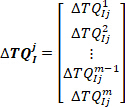
其中 是 ith (
 j组的固有扭矩响应
注意:同样地,将足部角度、速度和加速度,以及关节内力矩的一阶和二阶导数进行串联。th 用于步骤 2.2.2.11.2 的组别 - 将足部角度、速度、加速度和加加速度,以及组 j 的扭矩的一阶和二阶导数共同组成回归矩阵:

- 确定关节的固有刚度参数th 使用反斜杠(\)运算符进行分组:

- 提取第四个元素
 低频固有刚度
 .
.
- 将所有关节内扭矩反应在 j 处连接起来th 连接至载体以构建重组质粒
- 对所有组(分组)执行 2.2.2.11 节中的步骤,并估算相应的低频本征刚度。
- 将所有估计的低频刚度值除以受试者的临界刚度:

其中,m 为受试者的质量,g 为重力加速度,且 身体质心高于踝关节旋转轴的高度,源自人体测量数据30。这给出了归一化的刚度(
 ).
). - 将踝关节背景力矩转换为踝关节背景COP位置(
 通过将踝关节背景扭矩除以相应的测量垂直力来计算。
 - 绘图
 作为压力中心的函数。

其中


- 对足部信号进行一次微分以获得足部速度(
- 实验
访问受限。请登录或开始试用以查看此内容。
结果
伪随机三进制序列(PRTS)和 TrapZ 信号
图2A 显示了一个PRST信号,该信号通过对伪随机速度曲线进行积分生成。在每个采样时刻  ,信号速度可能为零,也可能取预定义的正值或负值,即
  。通过控制 和
  ,可生成具...
访问受限。请登录或开始试用以查看此内容。
讨论
在进行研究人体姿势控制的实验时,有几个步骤至关重要。这些步骤与信号的准确测量相关,包括:1)正确对齐小腿-踝关节旋转轴与踏板的旋转轴,以准确测量踝关节力矩。2)正确设置测距仪,确保其工作在有效范围内,并在实验过程中不发生饱和。3)获取高质量且串扰最小的肌电图(EMG)信号。4)施加适当扰动,既能诱发足够的反应,又不破坏正常的姿势控制。5)根据预期分析选择合适的试验时长,同时避免身体位移和疲劳。除了实验操作外,数据分析也必须谨慎进行。在利用机械扰动站立实验所获取的数据估算本征刚度时,关键在于选择本征反应的时间长度,确保不包含反射性力矩(该力矩在腓肠肌群活动爆发后不久即开始出现)。此外,尽管许多研究假设在站立状态下本征刚度保持不变11,14,15,但最近的一项研究表明,必须考虑本征刚度随姿势摇摆过程中踝关节力矩变化而产生的调制作用23,32...
访问受限。请登录或开始试用以查看此内容。
披露
作者无任何利益冲突需要披露。
致谢
本文由卡塔尔国家研究基金会NPRP资助项目(项目编号:6-463-2-189)和加拿大卫生研究院MOP资助项目(项目编号:81280)支持。
访问受限。请登录或开始试用以查看此内容。
材料
| 姓名 | 公司 | 目录编号 | 评论 |
|---|---|---|---|
| 5K 电位计 | Maurey | 112P19502 | 测量执行器轴的角度 |
| 8 通道 Bagnoli 表面肌电放大器和电极 | Delsys | 测量踝部肌肉的肌电信号 | |
| AlienWare 笔记本电脑 | Dell Inc. | P69F001-Rev. A02 | 支持虚拟现实的笔记本电脑 |
| 数据采集卡 | National Instruments | 4472 | 采集来自传感器的模拟信号 |
| 方向阀 | REXROTH | 4WMR10C3X | 当执行器轴角度超过 ±20° 时旁通流量 |
| 全身式安全带 | Jelco | 740 | 防止受试者跌倒 |
| 激光测距仪 | Micro-epsilon 1302-100 | 1507307 | 测量小腿的线性位移 |
| 激光测距仪 | Micro-epsilon 1302-200 | 1509074 | 测量身体的线性位移 |
| 负荷传感器 | Omega | LC302-100 | 测量垂直反作用力 |
| 比例伺服阀 | MOOG | D681-4718 | 控制液压流向旋转执行器 |
| 旋转执行器 | Rotac | 26R21VDEISFTFLGMTG | 施加机械扰动 |
| 扭矩传感器 | Lebow | 2110-5k | 测量踝关节扭矩 |
| 虚拟环境运动追踪器 | HTC inc. | 1551984681 | 追踪头部运动 |
| 虚拟现实头戴显示器 | HTC inc. | 1551984681 | 提供视觉扰动 |
参考文献
- Horak, F. B. Postural orientation and equilibrium: what do we need to know about neural control of balance to prevent falls? Age and Ageing. 35, 7-11 (2006).
- Morasso, P. G., Schieppati, M. Can muscle stiffness alone stabilize upright standing? Journal of Neurophysiology. 82 (3), 1622-1626 (1999).
- Kearney, R. E., Hunter, I. W. System identification of human joint dynamics. Critical Reviews in Biomedical Engineering. 18 (1), 55-87 (1990).
- Mirbagheri, M. M., Barbeau, H., Kearney, R. E. Intrinsic and reflex contributions to human ankle stiffness: variation with activation level and position. Experimental Brain Research. 135 (4), 423-436 (2000).
- Weiss, P. L., Hunter, I. W., Kearney, R. E. Human ankle joint stiffness over the full range of muscle activation levels. Journal of Biomechanics. 21 (7), 539-544 (1988).
- Golkar, M. A., Sobhani Tehrani, E., Kearney, R. E. Linear Parameter Varying Identification of Dynamic Joint Stiffness during Time-Varying Voluntary Contractions. Frontiers in Computational Neuroscience. 11, 35(2017).
- Weiss, P. L., Kearney, R. E., Hunter, I. W. Position dependence of ankle joint dynamics--I. Passive mechanics. Journal of Biomechanics. 19 (9), 727-735 (1986).
- Weiss, P. L., Kearney, R. E., Hunter, I. W. Position dependence of ankle joint dynamics--II. Active mechanics. Journal of Biomechanics. 19 (9), 737-751 (1986).
- Engelhart, D., Boonstra, T. A., Aarts, R. G. K. M., Schouten, A. C., van der Kooij, H. Comparison of closed-loop system identification techniques to quantify multi-joint human balance control. Annual Reviews in Control. 41, 58-70 (2016).
- Kiemel, T., Elahi, A. J., Jeka, J. J. Identification of the plant for upright stance in humans: multiple movement patterns from a single neural strategy. Journal of Neurophysiology. 100 (6), 3394-3406 (2008).
- Loram, I. D., Lakie, M. Direct measurement of human ankle stiffness during quiet standing: the intrinsic mechanical stiffness is insufficient for stability. Journal of Physiology-London. 545 (3), 1041-1053 (2002).
- Fitzpatrick, R., Burke, D., Gandevia, S. C. Loop gain of reflexes controlling human standing measured with the use of postural and vestibular disturbances. Journal of Neurophysiology. 76 (6), 3994-4008 (1996).
- Dakin, C. J., Son, G. M. L., Inglis, J. T., Blouin, J. S. Frequency response of human vestibular reflexes characterized by stochastic stimuli. The Journal of Physiology. 583 (3), 1117-1127 (2007).
- Vlutters, M., Boonstra, T. A., Schouten, A. C., vander Kooij, H. Direct measurement of the intrinsic ankle stiffness during standing. Journal of Biomechanics. 48 (7), 1258-1263 (2015).
- Casadio, M., Morasso, P. G., Sanguineti, V. Direct measurement of ankle stiffness during quiet standing: implications for control modelling and clinical application. Gait and Posture. 21 (4), 410-424 (2005).
- Sakanaka, T. E. Causes of Variation in Intrinsic Ankle Stiffness and the Consequences for Standing. , University of Birmingham. Doctoral dissertation (2017).
- Sakanaka, T. E., Lakie, M., Reynolds, R. F. Sway-dependent changes in standing ankle stiffness caused by muscle thixotropy. Journal of Physiology. 594 (3), 781-793 (2016).
- Peterka, R. J., Murchison, C. F., Parrington, L., Fino, P. C., King, L. A. Implementation of a Central Sensorimotor Integration Test for Characterization of Human Balance Control During Stance. Frontiers in Neurology. 9, 1045(2018).
- Engelhart, D., Schouten, A. C., Aarts, R. G., van der Kooij, H. Assessment of Multi-Joint Coordination and Adaptation in Standing Balance: A Novel Device and System Identification Technique. IEEE Transactions on Neural Systems and Rehabilitation Engineering. 23 (6), 973-982 (2015).
- Boonstra, T. A., Schouten, A. C., van der Kooij, H. Identification of the contribution of the ankle and hip joints to multi-segmental balance control. Journal of Neuroengineering and Rehabilitation. 10, 23(2013).
- Forster, S. M., Wagner, R., Kearney, R. E. A bilateral electro-hydraulic actuator system to measure dynamic ankle joint stiffness during upright human stance. Proceedings of the 25th Annual International Conference of the IEEE Engineering in Medicine and Biology Society. , Cancun, Mexico. (2003).
- Davis, J., Hsieh, Y. -H., Lee, H. -C. Humans perceive flicker artifacts at 500 Hz. Scientific Reports. 5, 7861(2015).
- Amiri, P., Kearney, R. E. Ankle intrinsic stiffness changes with postural sway. Journal of Biomechanics. 85, 50-58 (2019).
- van der Kooij, H., van Asseldonk, E., van der Helm, F. C. Comparison of different methods to identify and quantify balance control. Journal of Neuroscience Methods. 145 (1-2), 175-203 (2005).
- Amiri, P., MacLean, L. J., Kearney, R. E. Measurement of shank angle during stance using laser range finders. International Conference of the IEEE Engineering in Medicine and Biology. , Orlando, FL. (2016).
- The SENIAM project. , Available from: http://www.seniam.org/ (2019).
- Jalaleddini, K., Tehrani, E. S., Kearney, R. E. A Subspace Approach to the Structural Decomposition and Identification of Ankle Joint Dynamic Stiffness. IEEE Transactions on Biomedical Engineering. 64 (6), 1357-1368 (2017).
- Amiri, P., Kearney, R. E. A Closed-loop Method to Identify EMG-Ankle Torque Dynamic Relation in Human Balance Control. Conference Proceedings of the Annual International Conference of the IEEE Engineering in Medicine and Biology Society. , Berlin, Germany. (2019).
- Sobhani Tehrani, E., Jalaleddini, K., Kearney, R. E. Ankle Joint Intrinsic Dynamics is More Complex than a Mass-Spring-Damper Model. IEEE Transactions on Neural Systems and Rehabilitation Engineering. 25 (9), 1568-1580 (2017).
- NASA. Anthropometry and biomechanics. , Available from: http://msis.jsc.nasa.gov/sections/section03.htm (1995).
- Peterka, R. J. Sensorimotor integration in human postural control. Journal of Neurophysiology. 88 (3), 1097-1118 (2002).
- Amiri, P., Kearney, R. E. Ankle intrinsic stiffness is modulated by postural sway. Conference Proceedings of the Annual International Conference of the IEEE Engineering in Medicine and Biology Society. , Seogwipo, South Korea. (2017).
- Jeka, J. J., Allison, L. K., Kiemel, T. The dynamics of visual reweighting in healthy and fall-prone older adults. Journal of Motor Behavior. 42 (4), 197-208 (2010).
- Jilk, D. J., Safavynia, S. A., Ting, L. H. Contribution of vision to postural behaviors during continuous support-surface translations. Experimental Brain Research. 232 (1), 169-180 (2014).
- Winter, D. A., Patla, A. E., Prince, F., Ishac, M., Gielo-Perczak, K. Stiffness control of balance in quiet standing. Journal of Neurophysiology. 80 (3), 1211-1221 (1998).
- Pasma, J. H., Boonstra, T. A., van Kordelaar, J., Spyropoulou, V. V., Schouten, A. C. A Sensitivity Analysis of an Inverted Pendulum Balance Control Model. Frontiers in Computational Neuroscience. 11, 99(2017).
- Pasma, J. H., et al. Changes in sensory reweighting of proprioceptive information during standing balance with age and disease. Journal of Neurophysiology. 114 (6), 3220-3233 (2015).
- Pasma, J. H., et al. Impaired standing balance: The clinical need for closing the loop. Neuroscience. , 157-165 (2014).
- Engelhart, D., et al. Impaired Standing Balance in Elderly: A New Engineering Method Helps to Unravel Causes and Effects. Journal of the American Medical Directors Association. 15 (3), (2014).
- Pasma, J. H., Boonstra, T. A., Campfens, S. F., Schouten, A. C., Van der Kooij, H. Sensory reweighting of proprioceptive information of the left and right leg during human balance control. Journal of Neurophysiology. 108 (4), 1138-1148 (2012).
- Goodworth, A. D., Peterka, R. J. Sensorimotor integration for multisegmental frontal plane balance control in humans. Journal of Neurophysiology. 107 (1), 12-28 (2012).
- Kiemel, T., Zhang, Y., Jeka, J. J. Identification of neural feedback for upright stance in humans: stabilization rather than sway minimization. Journal of Neuroscience. 31 (42), 15144-15153 (2011).
- van der Kooij, H., van Asseldonk, E. H. F., Geelen, J., van Vugt, J. P. P., Bloem, B. R. Detecting asymmetries in balance control with system identification: first experimental results from Parkinson patients. Journal of Neural Transmission. 114 (10), 1333(2007).
- Fujisawa, N., et al. Human standing posture control system depending on adopted strategies. Medical and Biological Engineering and Computing. 43 (1), 107-114 (2005).
- Johansson, R., Magnusson, M., Fransson, P. A., Karlberg, M. Multi-stimulus multi-response posturography. Mathematical Biosciences. 174 (1), 41-59 (2001).
- Jeka, J., Oie, K., Schöner, G., Dijkstra, T., Henson, E. Position and Velocity Coupling of Postural Sway to Somatosensory Drive. Journal of Neurophysiology. 79 (4), 1661-1674 (1998).
- Peterka, R. J., Benolken, M. S. Role of somatosensory and vestibular cues in attenuating visually induced human postural sway. Experimental Brain Research. 105 (1), 101-110 (1995).
- Maki, B. E., Fernie, G. R. A system identification approach to balance testing. Progress in Brain Research. 76, 297-306 (1988).
- Johansson, R., Magnusson, M., Akesson, M. Identification of human postural dynamics. IEEE Transactions on Biomedical Engineering. 35 (10), 858-869 (1988).
- Maki, B. E., Holliday, P. J., Fernie, G. R. A Posture Control Model and Balance Test for the Prediction of Relative Postural Stability. IEEE Transactions on Biomedical Engineering. BME-34. 10 (10), 797-810 (1987).
- Werness, S. A., Anderson, D. J. Parametric analysis of dynamic postural responses. Biological Cybernetics. 51 (3), 155-168 (1984).
- Hwang, S., Agada, P., Kiemel, T., Jeka, J. J. Identification of the Unstable Human Postural Control System. Frontiers in Systems Neuroscience. 10, 22(2016).
- Ishida, A., Imai, S., Fukuoka, Y. Analysis of the posture control system under fixed and sway-referenced support conditions. IEEE Transactions on Biomedical Engineering. 44 (5), 331-336 (1997).
- Ishida, A., Miyazaki, S. Maximum likelihood identification of a posture control system. IEEE Transactions on Biomedical Engineering. 34 (1), 1-5 (1987).
- Ljung, L. System Identification: Theory for the User. , Prentice-Hall, Inc. Upper Saddle River, NJ. (1986).
- Forssell, U., Ljung, L. Closed-loop identification revisited. Automatica. 35 (7), 1215-1241 (1999).
- Horak, F. B., Nashner, L. M. Central programming of postural movements: adaptation to altered support-surface configurations. Journal of Neurophysiology. 55 (6), 1369-1381 (1986).
访问受限。请登录或开始试用以查看此内容。
重印与许可
