This study presents a digitally supported vocational geology teaching model using the “Mineralogy and Petrology” online course as a case study. The model integrates digital resources, physical specimens, practical training, industry collaboration, a three-stage teaching cycle, and process, outcome, and value-added assessments to support student-centered learning and professional skill development.
研究文章
Digital Empowerment of Vocational Geology Education: A Case Study of the "Mineralogy and Petrology" Online Course
本文内容
摘要
摘要
The digital transformation of vocational education provides opportunities to address persistent challenges in geology teaching. This study uses the national online course “Mineralogy and Petrology” as a case study to examine digitally supported teaching reform in vocational geology education. To address highly abstract course content, relatively passive student learning, and insufficient alignment between course content and industry development, the course team collaborated with industry, enterprises, schools, and research institutions to develop digital teaching resources, including animations, virtual simulations, three-dimensional (3D) models, and micro-videos. The traditional lecture-centered approach was reorganized to integrate digital resources with physical specimens, blended online and offline learning, and a dual-mentor system involving on-campus and off-campus instruction. The curriculum was structured into three progressive modules: Crystallography Fundamentals → Mineral Identification → Rock Identification. A closed-loop teaching cycle of Pre-class Diagnostic Exploration → In-class Skill Consolidation → Post-class Extension and Enhancement was implemented to track students’ learning status and support timely adjustment of instructional strategies. A comprehensive evaluation system integrating process, outcome, and value-added assessments was adopted to evaluate students’ learning and professional skill development. These components were organized within the “One Body, Two Combinations, Four Connections and Dual Integration” teaching paradigm. Professional values, including the “Three Glories Spirit of Geology” and craftsmanship spirit, were integrated throughout the teaching process. Following implementation, course observations and platform data showed positive trends in student engagement and academic performance, while vocational certification and competition outcomes provided additional indicators of practical skill development. Overall, the findings indicate that the digitally supported teaching model was associated with positive trends in student engagement and academic performance and supported the integration of digital visualization, physical specimens, practical training, professional values, and industry collaboration in vocational geology education.
引言
The ongoing global digital transformation in education has made the integration of information technology with teaching and learning a central focus of vocational education reform. Geology, a discipline critical to resource security, large-scale engineering, and disaster prevention, requires graduates with strong professionalism, practical competence, and adaptability to industry demands. However, as new technologies and methods, including the internet, big data, and artificial intelligence, become increasingly integrated into education1,2,3,4, and as vocational education increasingly emphasizes job-oriented skills and close alignment with production processes to achieve “learning for immediate use”5, traditional geology instruction faces growing challenges. These challenges include reduced course hours4,6,7, limited opportunities for practical training8,9, insufficient digital resources, overly simplistic evaluation methods10, outdated textbooks, and the rapid pace of technological and methodological change in the industry. In geology education specifically, highly abstract concepts such as mineral crystal structures and rock formation processes can impose substantial cognitive demands and require strong spatial visualization and representational competence, further highlighting the need for teaching approaches that connect conceptual understanding with practical experience.
Digital technologies offer practical approaches to addressing these challenges. For instance, virtual microscopy incorporating thin-section images, videos, three-dimensional rock models, and integrated feedback has been used to support blended introductory petrology laboratories11. Virtual reality and augmented reality (VR/AR)12 and virtual simulations can also reduce some of the physical constraints associated with practical and field-based training. Internationally, digital resources, including 360° videos, three-dimensional models, animations, augmented reality, and virtual reality, have been developed to reduce barriers to field-based learning and complement conventional geoscience classes and field courses12. The collaborative development of high-quality digital resources by educational institutions, industries, and enterprises, including micro-lectures, animations, and case libraries, can also help address shortages and obsolescence in teaching materials. Big data analytics can support teaching processes and assessment by providing information that may assist instructors in adjusting teaching strategies and supporting more personalized learning. Together, these international approaches provide a relevant pedagogical context for the present course reform, particularly its integration of digital resources with physical specimens, blended learning, and practical training. In addition, embedding professional ethics, scientific inquiry, and social responsibility within the curriculum contributes to the broader development of professional and vocational competencies13,14.
This paper uses the national excellent online course “Mineralogy and Petrology” in vocational education as a case study to examine three key aspects: the context of the curriculum reform, the practical implementation of digitally supported teaching reform, and reflections and future directions. The course reform integrates digital teaching resources with physical specimens, combines online and offline learning with campus- and field-based practice, and incorporates process, outcome, and value-added evaluation within a practice-oriented vocational teaching model. The lessons from this case extend beyond the immediate institutional context and may offer relevant reference points for the international geological education community, vocational educators, and digital learning specialists. In particular, the case illustrates an approach to supporting the learning of abstract geological concepts through digital visualization and physical specimens; organizing a hybrid model that combines online and offline, campus- and field-based learning to support hands-on skill development; and implementing a comprehensive evaluation system that integrates process, outcome, and value-added measures to assess student development. These experiences may provide useful reference points for similar programs seeking to integrate digital technologies, practical training, and professional competency development within geology and vocational education. Accordingly, this study aims to examine how digitally supported resources, blended learning, practical training, and comprehensive assessment can be integrated within a vocational geology course and to evaluate the observed changes following implementation of this teaching model.
方案
This study was registered, filed, reviewed, and approved by the Science and Technology Department of Chongqing Polytechnic University of Engineering, Chongqing. Informed consent was obtained from the participants for the collection and use of the data reported in this study.
Context of curriculum reform
Course context:
Mineralogy and Petrology was a core compulsory foundational course for geology-related programs. It was offered to students who had completed prerequisite courses (e.g., General Geology and General Geology Field Practice) and had acquired basic geological literacy, and integrated theoretical instruction with practical training. The course was intended for second-semester freshmen majoring in geological disciplines and carried 4.5 credits. Aligned with professional talent cultivation objectives, the course targeted job roles including rock and mineral identification, geological surveying, geotechnical engineering investigation, and geological disaster assessment. Its goals were threefold: first, to foster students’ professional ethics—including patriotism, dedication, scientific rigor, meticulousness, and innovation—thereby advancing the fundamental task of “fostering virtue through education”; second, to equip students with foundational knowledge of mineral and rock identification; and third, to develop their professional competence in identifying common minerals and rocks in hydrogeology, engineering geology, and geological disaster contexts.
The measurable standards for the three course objectives were specified as follows. Professional ethics was assessed through performance in ideological and political discussions, adherence to experimental protocols, team collaboration, and demonstration of innovative thinking. Foundational knowledge required students to achieve at least 85% accuracy in describing mineral physical properties and to clearly explain the classification principles of the three major rock groups. Applied competence was evaluated through hands-on specimen identification (with a minimum accuracy rate of 80%), case study analysis, and comprehensive field identification assessments. These indicators were integrated into a three-dimensional evaluation system that combined process, outcome, and value-added assessments, thereby enabling full-process tracking of objective attainment. The course laid a foundation for subsequent studies in Engineering Geology Basics, Soil Mechanics and Foundation Engineering, Geotechnical Engineering Investigation, Slope Engineering, and Foundation Treatment.
Challenges in course teaching:
The course reform addressed three prominent educational challenges: the high abstraction of the course content, which imposed substantial cognitive load and demanded strong spatial visualization and representational competence from students; students’ relatively passive learning engagement; and insufficient integration between industry and education.
Certain segments of the course content were characterized by high abstraction and cognitive difficulty, highlighting the need for high-quality digital teaching resources. The content of Mineralogy and Petrology was highly ABSTRACT: key concepts such as mineral crystal structures and rock formation processes were difficult to visualize through traditional didactic instruction, creating a high cognitive barrier for students. For example, the topic of “crystal symmetry operations” relied heavily on text, static images, and conventional lectures in traditional teaching, which did not adequately support students in developing spatial awareness and could lead to disengagement due to perceived monotony. Therefore, digital teaching resources—including animations, virtual simulations, and microlectures—were developed to function as digitized knowledge nodes, facilitate students’ cognitive connection-building, and enable flexible, anytime-anywhere learning. For the topic of “Crystal Symmetry Operations,” 3D animation resources and virtual simulations were employed. Students accessed these digital resources by logging into the online course platform via mobile phones, computers, tablets, or other terminal devices.
Students exhibited a relatively passive learning stance, highlighting the need for transformation of teaching approaches. The traditional didactic model was dominated by the “teacher-centered lecture, student-centered listening” paradigm, which lacked interactive experiences and practical scenarios, resulting in low student engagement. This unidirectional knowledge transmission approach often led to diminished learning initiative when students confronted tasks requiring spatial visualization, process comprehension, or hands-on operation, thereby hindering their mastery of key concepts. For example, when learning mineral cleavage classification, students manipulated a 3D digital model of calcite online and subsequently examined physical calcite specimens offline, establishing multidimensional linkages between virtual and physical, as well as online and offline, learning contexts. For this calcite 3D modeling activity, students interacted with the model via touchscreen operations (e.g., zooming and rotating) on mobile devices, computers, or other terminals to observe the three sets of cleavage planes of calcite from a three-dimensional spatial perspective. This approach was intended to stimulate learning interest and support students’ hands-on practical skills and spatial visualization capabilities.
The content of Mineralogy and Petrology was not fully aligned with the latest advancements in the industry, highlighting the need for further enhancement of university-enterprise collaboration. University-enterprise collaboration was insufficient in depth, reflecting limited industry-education integration. Course content was disconnected from the practical demands of sectors such as geological exploration and mineral development; the formulation of curriculum standards and the integration of off-campus training facilities lacked in-depth enterprise engagement, resulting in poorly targeted skill cultivation. Accordingly, the course team identified the competency requirements for core roles such as rock and mineral identification and geological surveying through enterprise research, graduate tracking, and analysis of industry occupational standards. Relying on the collaborative mechanism of “industry-enterprise-school-research,” typical production cases and scientific research projects were jointly screened and then transformed into modular learning tasks (e.g., rock and mineral identification and engineering geological evaluation) in accordance with pedagogical principles. These tasks were embedded into project-based teaching, thereby achieving dynamic alignment between the course content and industry development.
The core philosophy of curriculum reform:
In addressing the difficulties in teaching the “Mineralogy and Petrology” course, the course team launched a digital teaching reform with “industry-enterprise-school-research” quadruple collaboration as the nexus. This initiative supported the transformation of traditional geological courses into a composite model integrating digitalization, practice, and ideological and political education. The core concepts underpinning the reform of the national online quality course “Mineralogy and Petrology” were as follows.
First, leveraging the collaborative synergy of the “industry-enterprise-school-research” quadruple partnership, the initiative aimed to co-construct vocational education courses. Guided by educators, teams composed of professionals from industries, enterprises, universities, and research institutions explored the integrated education model of “Position-Course-Competition-Certificate.” The “Position-Course-Competition-Certificate” model was operationally defined as follows: taking the demands of professional positions as the logical starting point, it defined talent cultivation objectives and core competencies; with courses as the carrier, it translated job competency requirements into modular teaching content; with skill competitions as a verification tool, it integrated competition standards and evaluation dimensions into practical teaching to facilitate learning and teaching through competitions; and with vocational skill level certificates as a quality benchmark, it incorporated certificate assessment criteria into course teaching and practical training evaluations, thereby achieving the “integration of courses and certificates.” In its specific implementation, enterprises transformed typical job tasks into teaching cases and participated in practical training guidance; schools took the lead in curriculum system restructuring and daily teaching implementation; industries provided professional standards and skill competition platforms; and research institutions converted the latest scientific research achievements into teaching resources. The four parties jointly formulated curriculum standards, optimized teaching content, and co-constructed on-campus and off-campus practical training bases to achieve precise alignment between talent cultivation and industrial demands. This included the integrated design of teaching content, the development of digital granular resources, and the implementation of diversified and multi-location teaching. Concurrently, efforts were made to strengthen the feedback of scientific research to teaching, expand geological science popularization, enhance multi-angle and multidimensional comprehensive evaluation, cultivate geological craftsmen, and deepen the integration of industry and education.
Second, digital resources supported classroom teaching, while bilingual resources facilitated the international application of vocational education. Focused on smart teaching, universities and enterprises collaboratively developed diverse digital teaching resources—including high-definition animations, virtual simulations, and 3D models of mineral specimens—to enable students to “be willing to learn, enjoy learning, and find learning accessible.” A smart teaching environment was established to support a hybrid teaching model integrating online theoretical learning, offline hands-on practice, on-campus training with group discussions and repeated drills, and knowledge expansion led by enterprise mentors at off-campus bases. Leveraging online data-driven strategies, precision teaching and personalized learning were implemented. Additionally, bilingual instruction of the “Mineralogy and Petrology” course content was implemented at the Tanzania Luban Workshop to support the international application of vocational education. English and Chinese were used in the reported teaching practice, with instruction conducted primarily in English and secondarily in Chinese. Eighteen knowledge points were delivered using bilingual teaching resources, including videos and PowerPoint presentations.
Third, the reform integrated ideological and political education (IPE), deepened the “Three-Teaching Reform,” and embedded value guidance. With the cultivation of geological craftsmen as the core objective, IPE elements were integrated throughout the teaching process. Specifically, three dimensions were emphasized: incorporation of the “Three Glories Spirit of Geology” (taking pride in devoting oneself to the geological cause, taking pride in hard work and perseverance, and taking pride in making contributions to mineral exploration), which aimed to nurture students’ sense of professional mission; integration of the craftsmanship spirit to cultivate students’ professional attitude characterized by the pursuit of excellence; and use of the “Three-Teaching Reform” to promote the dual integration of skill training with IPE and industry demands, thereby constructing a teaching paradigm for geological courses.
In terms of specific integration pathways, the course embedded the “Three Glories Spirit of Geology” throughout its three core teaching modules: the crystallography module incorporated the deeds of geological pioneers; the mineral identification module emphasized a rigorous, meticulous, and excellence-pursuing craftsman attitude; and the rock identification module combined case studies of meritorious mineral exploration to inspire students’ sense of professional mission. In practice, prior to classes, ideological and political cases were provided via the teaching platform to trigger students’ reflection; during classes, group discussions and hands-on specimen operations were carried out in conjunction with typical ore deposit projects; after classes, value internalization was supported through field internships, mine production practices, and volunteer services for geological disaster science popularization. Regarding achievement assessment, a combination of process-based records (e.g., participation in ideological and political discussions and experimental standardization) and value-added evaluation (e.g., performance of professional identity in project practice) was adopted. The assessment was jointly completed by teachers, group peer reviews, and enterprise mentors and was incorporated into the comprehensive course evaluation system.
Curriculum design
Curriculum design translated teaching reform concepts into instructional practices, for example, through the outcome-based education (OBE) concept15,16. The “Mineralogy and Petrology” course at our institution was aligned with the national vocational education teaching standards for the Hydrogeology and Engineering Geology program, the national occupational standard for “Rock and Mineral Identification,” and the talent cultivation plan for the Hydrogeology and Engineering Geology major at our institution. Closely tracking development trends in the geological exploration industry, the course was co-constructed through school-enterprise collaboration, with the goal of nurturing technical and skilled talent for roles such as rock and mineral identification and geological surveying. Guided by a project-based modular curriculum design philosophy, the teaching content was restructured into three core sections, six modules, and twenty learning tasks (Figure 1), forming a progressive curriculum structure that evolved from micro to macro, from abstract to concrete, and from consolidation of disciplinary foundations to the integration of real-world industry application scenarios. Concurrently, ideological and political elements, such as the “Three Glories Spirit of Geology,” were embedded. This project-based modular design provided the structure for the systematic development of digital resources.
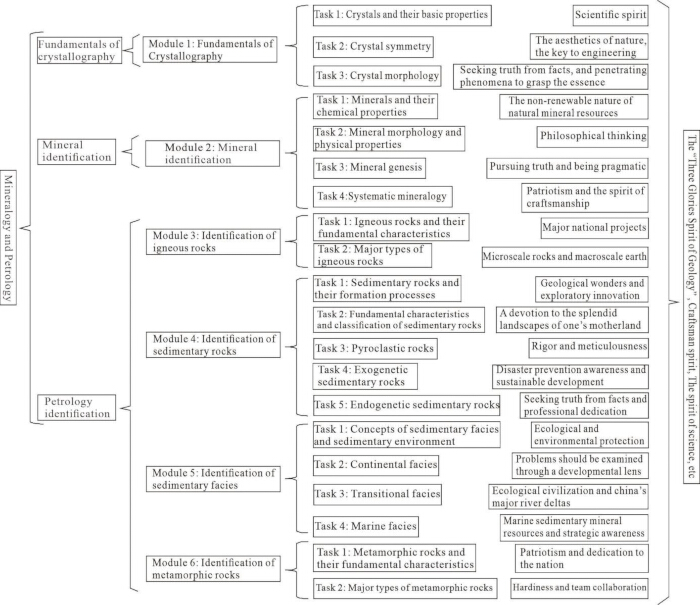
Figure 1. Structure and content of the Mineralogy and Petrology course.
The curriculum was organized into three broad content areas—fundamentals of crystallography, mineral identification, and petrology identification—comprising six modules and 20 learning tasks. The figure also shows the value-oriented educational elements associated with individual learning tasks, including elements related to the “Three Glories Spirit of Geology,” craftsmanship spirit, and scientific spirit. Please click here to view a larger version of this figure.
Curriculum construction
The development of digital teaching resources provided foundational support for curriculum construction within teaching reform and contributed to the development of teaching and talent cultivation models17,18. Integrated with the needs of frontline positions in the geological industry, the curriculum followed the construction logic of “integrated design, structured curriculum, granular resources, and multi-scenario application.” Leveraging the knowledge and skill tree of Smart Vocational Education, it incorporated IPE elements such as the “Three Glories Spirit of Geology” and the craftsmanship spirit. The course team also independently developed digital resources oriented toward the goals of “enabling learning, supporting teaching, and driving reform.” In total, 156 microcourses, 70 teaching courseware items, and an 843-item question bank were developed. To address key and difficult teaching points, 24 animations, 9 virtual simulations, and 30 3D models of mineral specimens were also created (Figure 2).
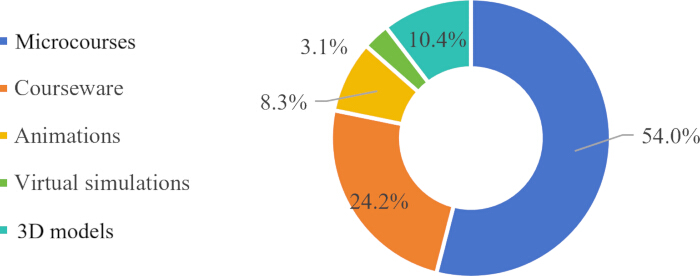
Figure 2. Distribution of digital teaching resource types for the Mineralogy and Petrology course.
The chart shows the proportional distribution of five digital teaching resource types: microcourses (54.0%), courseware (24.2%), animations (8.3%), virtual simulations (3.1%), and three-dimensional models (10.4%). Please click here to view a larger version of this figure.
The identification of key and challenging teaching content was grounded in curriculum standards, student learning analytics, and surveys of enterprise job competency requirements, with comprehensive screening conducted based on students’ common cognitive obstacles (e.g., difficulties in spatial imagination) and skill operation bottlenecks (e.g., accuracy in visual identification). For resource allocation, microcourses were primarily deployed in theoretical cognition modules (e.g., the concept of minerals); animations focused on demonstrating dynamic processes (e.g., crystal symmetry); virtual simulations were applied to high-cost or inaccessible experimental scenarios (e.g., crystal form aggregation); and 3D models were specifically designed to address challenges in observing crystal structures and mineral characteristics, with granular integration into corresponding learning tasks by module.
The digital teaching resources of the curriculum were diverse and predominantly original; 100% of the resources were reported as original, and nearly 50% consisted of video, audio, animation, and virtual simulation resources. In compliance with the curriculum review requirements of the national vocational education smart education platform, the curriculum established standards for resource development and content review.
Curriculum implementation
Course implementation translated the instructional reform framework into classroom practices. Teachers’ instructional practices and timely adjustments supported the implementation of the reform principles. The implementation framework was anchored in learning analytics, guided by vocational post alignment, delivered through blended online-offline learning, and supported by school-enterprise collaboration, forming a closed-loop system encompassing curriculum design, instructional delivery, and outcome evaluation.
Overall instructional implementation framework:
Data-Driven Precision in Learning Analysis: By integrating multidimensional surveys with data from intelligent vocational education platforms, insights were obtained into students’ knowledge mastery, skill proficiency, and learning characteristics. The survey components included: ① a pre-course knowledge diagnostic test, administered one week before course commencement, covering topics such as crystal symmetry and mineral concepts; ② a learning motivation and interest questionnaire, distributed three days before the course, which explored learning preferences and career cognition; and ③ an analysis of preceding in-class assessment assignments. The learning metrics collected by the platform included online learning duration, task completion status, quiz scores, interaction frequency, and contributions to discussion forums. Knowledge mastery was classified into three levels (A/B/C) based on test accuracy rates (≥85%, 60%–84%, and <60%), while skill proficiency was stratified according to the accuracy of specimen identification. The system automatically delivered pre-class preparatory resources based on browsing data: Level A students were provided with extended case studies; Level B students received standard microcourses; and Level C students were provided with basic animations and conceptual explanations. In-class activities were structured to simultaneously address knowledge deficits (“remedial support”) and foster advanced learning (“enrichment”) through group-based arrangements. Additionally, the platform’s diagnostic reports provided real-time feedback on common errors across the entire class (e.g., error rates in cleavage description). This information enabled the formulation of targeted teaching content, identification of key and difficult topics, and development of differentiated teaching plans, thereby supporting “learning-oriented instruction.”
Vocational Post Alignment and Task-Based Content Reconstruction: Drawing on competency requirements for geological positions and insights from enterprise and graduate questionnaires, typical work tasks were transformed into learning projects, supporting alignment between curriculum content and professional standards. The referenced geological positions primarily included rock and mineral identification, geological surveying, geotechnical engineering investigation, and geological hazard assessment. The competency requirements for these roles encompassed proficiency in foundational knowledge of mineral and rock identification, the professional capability to identify common minerals and rocks in practical contexts such as hydrogeology, engineering geology, and geological hazards, as well as a rigorous, meticulous, and excellence-oriented craftsmanship spirit. During the curriculum design phase, the course team distributed questionnaires to collaborating enterprises and previous graduates, systematically collecting enterprises’ feedback on the demand for core job competencies and graduates’ evaluative opinions on the alignment between curriculum content and practical work. Subsequently, priority was given to selecting tasks that occurred frequently in enterprise production practices and were highly correlated with the curriculum’s knowledge points, such as rock and mineral identification, geological recording and documentation, lithological description, and preliminary engineering geological evaluation. These tasks were then decomposed into modular learning projects in accordance with pedagogical principles and embedded into specific teaching units (e.g., mineral identification and rock identification), following the logic of “from micro to macro, from abstract to concrete, and from disciplinary foundation to industrial application,” thereby achieving dynamic alignment between curriculum content and professional standards.
Blended Online-Offline Learning and Technological Pathway Expansion: A digital teaching model was implemented, integrating online theoretical learning and virtual simulation with offline hands-on practice. Online modules utilized digital resources and VR simulations to address abstract challenges such as the spatial structure of mineral crystals; on-campus training laboratories employed group discussions and repeated drills to strengthen practical skills; and off-campus bases, under the guidance of enterprise mentors, facilitated knowledge extension and real-project practice. Together, these components formed a progressive learning chain: “online theoretical learning → virtual simulation practice → on-campus hands-on reinforcement → off-campus practical expansion.”
The four-stage learning chain was specifically designed as follows: ① Online Theoretical Learning (1–2 days before class, approximately 45 min): Students engaged with microlectures and completed pre-class quizzes. Instructors released tasks, analyzed learning analytics from the digital platform, and adjusted in-class teaching strategies accordingly. Completion criteria were 100% completion of video viewing and a quiz score of ≥60%; students meeting these criteria advanced to the next stage. ② Virtual Simulation Practice (during or after class, approximately 30 min): Students operated 3D models and VR modules to perform virtual activities (e.g., crystal structure observation). Instructors provided real-time online question-and-answer support and assigned operational tasks. Completion criteria included completion of the required interactive operations with screenshot documentation; progression criteria required full completion of standardized operational procedures. ③ On-Campus Hands-On Reinforcement (in class, 1–2 teaching periods): Students worked in groups to conduct hand-specimen identification, documentation, and peer assessment. Instructors provided roving guidance, delivered corrective feedback, and organized peer-evaluation activities. Completion criteria included submission of a standardized identification report; progression criteria required an identification accuracy rate of ≥85%. ④ Off-Campus Practical Extension (after class or on weekends, 0.5–1 day): Students completed real-world tasks at production projects or field bases. Enterprise mentors provided on-site guidance and assessed performance. Completion criteria included submission of a practice summary report; progression criteria required a mentor evaluation of “qualified” or above. Students who failed to meet the criteria were required to review microlectures, repeat virtual simulations, or complete additional specimen practice. They proceeded to the next stage only after meeting all requirements.
School-Enterprise Collaborative Linkage and Resource-Enabled Education: The “industry-enterprise-school-research” collaborative mechanism was implemented. The Smart Vocational MOOC platform and the Vocational Education Cloud Platform were used to support small-class SPOC teaching. An open teaching environment was constructed using the Chongqing Municipal Geological Disaster Science Popularization Base, Geological Exhibition Hall, Rock and Mineral Training Laboratory, and enterprise training bases. For instance, during the course introduction, students visited the Geological Exhibition Hall, where a general lecture on the material composition of the Earth, minerals, and rocks was provided, followed by observation of representative mineral and rock specimens; this session lasted 2 academic hours. When addressing topics such as the weak lithological characteristics of argillaceous rocks, their susceptibility to weathering and fragmentation, water-induced softening, poor stability, and the frequent presence of hydrophilic minerals such as montmorillonite, students participated in a 1-h on-site learning activity at the Chongqing Municipal Geological Disaster Science Popularization Base. For hands-on practical training on the five major mineral categories and three primary rock types (igneous, sedimentary, and metamorphic rocks), students conducted practical exercises in the Mineral and Rock Training Laboratory for a total duration of 36 academic hours. Additionally, when covering the application of typical production cases related to minerals and rocks, students attended a 2-h instructional session at the enterprise training base, delivered by industry mentors. Research was also integrated into teaching, geological science popularization was incorporated, and ideological and political education was embedded across online and offline, on-campus and off-campus, and theoretical and practical components.
Teaching Operation Process:
In the course teaching activities, a closed-loop instructional cycle consisting of “pre-class diagnostic exploration → in-class skill consolidation → post-class extension and enhancement” was implemented19. This cycle allowed full-process tracking of students’ learning status and facilitated timely adjustment of teaching strategies (Figure 3). Tracking indicators and adjustment criteria were as follows. Pre-class: Online learning completion rates, pre-study quiz scores, and the quality of discussion-forum questions were monitored. If class pre-study completion fell below 80% or accuracy for a particular knowledge point was <60%, the focus of in-class instruction was adjusted accordingly. During class: Specimen identification accuracy, operational standardization, and peer-evaluation data within groups were tracked. If the error rate for any procedural step (e.g., cleavage observation) exceeded 30%, the instructor immediately reinforced the demonstration and increased the number of practice rounds. Post-class: Submission rates for extension tasks, performance in enterprise-based practice, and value-added assessment data (e.g., project engagement) were monitored. If the class average score on post-class quizzes did not reach 75 points, review reminders were triggered and online question-and-answer sessions were scheduled. Teaching adjustments followed a “warning threshold response” mechanism (e.g., re-teaching if accuracy was <60% and supplementary practice if accuracy was <75%), thereby supporting dynamic optimization of instructional strategies.
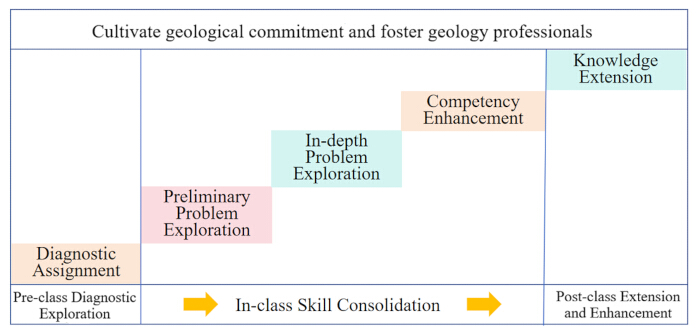
Figure 3. Teaching operation process for the Mineralogy and Petrology course.
The instructional process progressed from pre-class diagnostic exploration through in-class skill consolidation to post-class extension and enhancement. Pre-class diagnostic assignment was followed by preliminary problem exploration, in-depth problem exploration, and competency enhancement during the in-class stage, with knowledge extension occurring during the post-class stage. Please click here to view a larger version of this figure.
Pre-class Diagnostic Exploration: Students independently engaged in learning activities on the course platform, including viewing microlectures and completing pre-class quizzes comprising 5–10 objective questions, with a passing criterion of ≥60% correct answers, and participated in question-posing in group discussion forums. The platform automatically calculated the accuracy rate for each quiz question, with questions exhibiting an error rate >40% labeled as common difficulties. High-frequency inquiries in the discussion forum (e.g., “How to comprehend symmetry elements”) were identified by instructors as cognitive bottlenecks. By integrating quiz results and discussion content, instructors identified students’ areas of knowledge deficit (e.g., a prevalent high error rate in crystal-system classification) and subsequently translated the pre-class diagnostic findings into instructional plans for focused elaboration of key and difficult points during class, as well as adjustment schemes for experimental demonstrations.
In-class Skill Consolidation: The course followed a student-centered approach, guiding learners to actively construct knowledge and deepen conceptual understanding through a variety of pedagogical methods, including case analysis, group discussions, specimen observation, skill drills, and peer review. Instructors provided supplementary demonstrations, guidance, and roving supervision, offering timely clarification and standardizing operational procedures. Based on enterprise surveys and graduate follow-up studies, the course team screened high-frequency, typical, and knowledge-point-aligned real-world geological tasks (e.g., “Rock Type Identification in a Landslide Area”) from production reports of collaborating enterprises; these tasks were then transformed into project-based learning tasks through educational adaptation. During class, instructors issued project briefs that included the geological background, identification objectives, and outcome requirements. Working in groups, students sequentially completed the following steps: ① online information collection through geological data retrieval; ② formulation of identification schemes, including method and process selection; ③ alternating observation and identification using digital models and hand specimens; ④ presentation of conclusions and supporting evidence by group representatives, followed by report submission; and ⑤ cross-group questioning, supplementation, and peer evaluation with critical inquiry.
Specimen identification followed a four-step workflow: “macroscopic/magnifying-glass-based description of mineral physical properties → observation and documentation of hardness and cleavage → comparison with standard identification results → comprehensive naming.” Each module provided 10 sets of unknown specimens, including 5 mineral and 5 rock samples, for iterative practice, with a 15-min time limit per set. A minimum of 10 sets had to be identified across all modules. Inter-group peer assessment was conducted based on four dimensions: completeness of identification reports (20%), accuracy of physical-property descriptions (40%), correctness of naming (30%), and team collaboration (10%). The skill-proficiency criterion required an identification accuracy rate of ≥85% for three consecutive identifications of different specimens; otherwise, supplementary practice and reassessment were mandatory. Instructors provided demonstrative guidance and roving supervision throughout all stages, followed by a final summary and feedback, forming a closed project loop that realized “learning by doing and doing by learning” and consolidated professional skills.
Post-class Extension and Enhancement: Students completed online examinations and offline assignments and participated in practical activities such as enterprise production projects and rural geological disaster science-popularization activities. Online examinations assessed mastery of theoretical knowledge and application of concepts, while offline assignments strengthened comprehensive analytical skills and written expression. Enterprise production projects assessed practical workplace capabilities and professional literacy, while science-popularization activities consolidated professional cognition and cultivated social responsibility. These four types of activities corresponded to knowledge, skill, and value objectives, respectively, supporting post-class extension and comprehensive education. Through these practices, students further developed their learning and professional competencies.
Course Assessment and Evaluation:
Course evaluation connected teachers’ teaching practices with students’ development needs20 and supported the evaluation of teaching reform. The course used a comprehensive evaluation system integrating process evaluation, outcome evaluation, and value-added evaluation. Evaluations involved multiple participants, including teachers, students, enterprises, and industry representatives, and were used to identify problems and inform continuous instructional improvement (Figure 4).
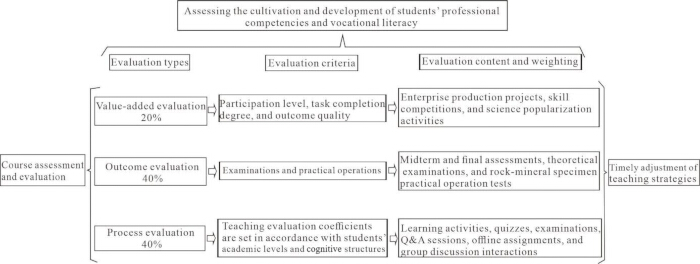
Figure 4. Course assessment and evaluation framework for the Mineralogy and Petrology course.
The framework comprised process evaluation (40%), outcome evaluation (40%), and value-added evaluation (20%). Process evaluation included learning activities, quizzes, examinations, question-and-answer sessions, offline assignments, and group discussions. Outcome evaluation included mid-term and final assessments, theoretical examinations, and practical assessment using rock and mineral specimens. Value-added evaluation considered participation, task completion, and outcome quality in enterprise production projects, skill competitions, and science-popularization activities. Evaluation results were used to inform adjustment of teaching strategies. Please click here to view a larger version of this figure.
Within the comprehensive evaluation system, instructors undertook formative assessment, including classroom observation and practical-operation evaluation, and summative assessment, including preparation and marking of mid-term and final examinations, in accordance with scoring rubrics and examination syllabi. Students participated in formative assessment through self-assessment and peer assessment, including evaluation of group contributions and experimental reports, using unified evaluation scales. Industry mentors focused on value-added assessment, evaluating changes in students’ professional competence based on internship performance, project participation, and vocational skill competition results. Industry representatives participated in the review of course standards and certification assessments (e.g., the “Rock and Mineral Identifier” vocational qualification certificate), supporting alignment between evaluation criteria and industry specifications. All evaluation results were integrated using a weighting of 40% for process assessment, 40% for outcome assessment, and 20% for value-added assessment to generate the semester comprehensive score. Individual learning profiles were also generated to provide feedback for teaching optimization.
Process Evaluation: Differentiated teaching evaluation coefficients were established based on students’ academic levels and cognitive structures. The “assessment coefficient” was not a simple weighted parameter but a dynamic, differentiated progress coefficient tailored to students’ academic proficiency and cognitive structure within formative assessment. Academic proficiency was determined by the results of the course diagnostic test and first-stage module assessment; cognitive structure was evaluated using Bloom’s Taxonomy framework by classifying students’ responses in pre-class quizzes and discussion forums (e.g., recall, comprehension, application, and analysis) into three tiers: “basic,” “developmental,” and “challenging.” During the learning process, the system generated an Individual Progress Coefficient (IPC) based on each assessment result:

This coefficient was integrated into the calculation of the formative assessment total score to measure students’ actual value-added growth relative to their individual baseline, balancing fairness and quality.
Through full-process interactions such as online resource learning, quizzes, question-and-answer activities, offline assignments, and group discussions, teaching and learning were evaluated, and teaching strategies were adjusted accordingly. The online grade was calculated as follows:

Outcome Evaluation: Mid-term and final examinations, as well as theoretical and practical assessments using rock and mineral specimens, were standardized to assess learning outcomes. The outcome evaluation score was calculated as follows:

Students who obtained a score <50 in the Practical Assessment as an individual component were required to take a make-up examination involving re-identification of five new specimens, regardless of whether their overall score met the passing standard. Students with an overall score of ≥90 and a Practical Assessment score of ≥85 were eligible for the “Excellent” grade.
Value-Added Evaluation: Participation in enterprise production projects, skill competitions, and science-popularization activities was used as an assessment component. The evaluation examined changes in students’ knowledge application ability, problem-solving ability, and professional literacy based on their participation, task completion, and outcome quality. Value-added assessment was implemented using enterprise production projects, skill competitions, and science-popularization activities as assessment carriers. Improvements in students’ knowledge application ability, problem-solving ability, and professional literacy were examined by comparing pre-tests, administered before participation, with post-tests of equivalent difficulty administered after participation. A 100-point scale was used for scoring each item, focusing on dimensions including operational norms, scheme quality, and social responsibility. The value-added calculation used the relative progress rate:

This calculation was used to address the ceiling effect. The value-added assessment score was calculated as follows:

Course application and dissemination
In vocational colleges, geological programs exhibited the typical characteristic of “small-scale programs with large market demand.” Despite the limited number of program offerings, they cultivated talent to meet national needs. The “Mineralogy and Petrology” course was applied across geological vocational colleges nationwide and in enterprise continuing education and training programs. According to data from the Smart Vocational Education MOOC Academy, a total of 762 vocational institutions nationwide used the course. This figure encompassed institutions offering geology programs, geology-related programs, and non-geology programs, including both general education and vocational schools in which teachers accessed course resources for instruction and students engaged in self-directed learning via the platform. Specifically, 23 vocational institutions—predominantly geology-focused—adopted the course for formal teaching. The number of vocational colleges offering geology-related programs across China was reported as 16, based on the list of institutions included in the 2025 Jinpingguo Ranking of Competitiveness for Geology-Oriented Higher Vocational Colleges.
Following the course launch in 2019, the cumulative number of registered users in the resource repository reached 16,669. The MOOC was offered for 14 sessions, with a cumulative enrollment of 12,129 learners.
Meanwhile, faculty members from 18 vocational colleges delivered 42 blended teaching sessions via the SPOC platform, with cumulative participation of 3,806 learners. These learners engaged in activities including resource access, online inquiries, completion of online assignments, and online discussions with peers, resulting in a total of 444,377 interactions (Figure 5).
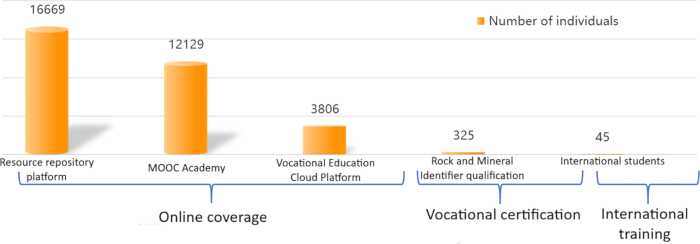
Figure 5. Multidimensional application and dissemination indicators for the Mineralogy and Petrology course.
The figure summarizes three categories of course application: online coverage, including the resource repository platform (16,669 learners), MOOC Academy (12,129 learners), and Vocational Education Cloud Platform (3,806 learners); vocational certification, including 325 of 345 candidates who passed the “Rock and Mineral Identifier” qualification examination (94%); and international training, including 45 international students. Please click here to view a larger version of this figure.
As a training course for the “Rock and Mineral Identifier” professional qualification certificate in the geological industry, primarily designed for students of Chongqing Engineering Vocational and Technical College, a total of 345 candidates took the examination during 2019–2025. Among them, 325 candidates passed, yielding a pass rate of 94% (Figure 5). The course’s digital resources were also adopted by faculty from vocational undergraduate institutions and regular universities and were applied to the training of Tanzanian international students in the Luban Workshop project (30 international students in 2023 and 15 international students in 2025), supporting the international application of vocational education (Figure 5). Overall, these data described the application and dissemination of the course across online learning, blended teaching, vocational certification, and international training contexts.
Curriculum innovation and insights
The curriculum innovation was reflected in the integration of the major components described above. The course centered on the cultivation of geological craftsmen and integrated virtual digital resources for minerals and rocks with physical specimens. It adopted a collaborative training mechanism involving industry, enterprises, academic institutions, and research bodies and embedded the “Three Glories Spirit of Geology” and the craftsmanship spirit into the three core modules of crystals, minerals, and rocks. The course implemented blended online-offline teaching, advanced the “Three Teachings Reform” (reform of teachers, teaching methods, and teaching materials), and applied a teaching paradigm for geological courses featuring “one core orientation, two integrations, four-party collaboration, and dual value infusion.” One Core Orientation centered on cultivating geological craftsmen, with this objective permeating all teaching components. Two Integrations combined online theoretical learning with offline practical training and on-campus foundational training with enterprise-based production practice. Four-Party Collaboration engaged industry, enterprises, academic institutions, and research organizations in joint curriculum development, resource creation, practical training, and evaluation feedback. Dual Value Infusion involved the simultaneous embedding of skill development and professional values, integrating the “Three Glories Spirit” (dedication to the motherland, loyalty to the cause, and devotion to work) and craftsmanship into teaching design, thereby supporting the integration of knowledge acquisition, ability development, and value guidance.
The curriculum provided insights into the digital transformation of vocational education from four dimensions.
Resource empowerment as the foundation: By targeting challenges in course teaching, the course developed tailored digital resources to visualize abstract knowledge. The digital resources described in the curriculum construction and implementation sections were used to support the visualization of concepts that were difficult to represent through conventional text and static images.
Quadruple collaboration (industry, enterprises, academia, and research) as the key: The course aligned teaching with industry and enterprise job requirements, supported integrated resource development, and implemented full-process teaching tracking. The collaborative mechanism therefore linked curriculum development, teaching implementation, practical training, resource development, and professional requirements.
Reform and innovation of teaching models as the core: The course shifted from the traditional lecture-dominated approach to a student-centered paradigm and implemented blended, project-based, and case-based teaching to support students’ learning motivation and hands-on practical capabilities.
Value orientation as the guiding component: The course integrated ideological and political elements with course content to cultivate skilled craftsmen with moral integrity and technical expertise. The value-oriented component was incorporated alongside professional skill development and industry-oriented practical learning, as described above.
结果
Following implementation of the course, continuous data collection and multidimensional observation documented changes in students’ learning experience, teachers’ instructional capabilities, and industry-education integration. The curriculum structure used for implementation, including three content areas, six modules, and 20 learning tasks, is summarized in Figure 1. The composition of the digital teaching resources developed for the course is shown in Figure 2. The reported outcomes were not compared with a pre-reform baseline, comparator cohort, or other control condition; accordingly, the findings were interpreted as observational.
Changes in students’ learning experience
Supported by digital resources developed by the course team, including animations, virtual simulations, microcourses, and three-dimensional (3D) mineral models, students’ course engagement and learning outcomes showed positive trends. These resources were implemented within the closed-loop teaching process comprising pre-class diagnostic exploration, in-class skill consolidation, and post-class extension and enhancement, as summarized in Figure 3. Course assessment incorporated process, outcome, and value-added evaluation, as shown in Figure 4.
The course pass rate increased from 10.38% in Session 1 to 20.20% in Session 6 and 83.57% in Session 13. The pass rate was calculated as the number of students who took the examination and achieved a score of ≥60 divided by the total number of students successfully enrolled in the course.
For the “Rock and Mineral Identifier” vocational qualification examination, 325 of 345 candidates passed during 2019–2025, corresponding to a pass rate of 94%. Students also received 3 first prizes, 8 second prizes, and 5 third prizes in national-level skill competitions. These awards represented the individual achievements of the participating students. Taken together, these observations showed increases in the reported academic and vocational indicators following implementation of the teaching reform; however, they did not establish a causal effect of the reform.
Changes in teachers’ instructional capabilities
The course was adopted by multiple undergraduate and vocational colleges with geology-related programs, and some institutions integrated it into their regular blended teaching practices. Since 2018, when the course development phase commenced, the teaching team received one second prize in the National Vocational College Teaching Ability Competition; six teachers received the title of Outstanding Instructor at the National Skills Competition; and two awards were obtained in the National Teaching Competition. The National Skills Competition and the National Teaching Competition were distinct competition events. These outcomes were accompanied by the teaching team’s continued involvement in curriculum design, digital resource development, and the application of learning data within online teaching environments.
Changes in the industry-education integration mechanism
Through collaboration among industry, enterprises, schools, and research institutions, course content and skill training were increasingly aligned with industry technical standards and enterprise job requirements. This alignment was implemented through the incorporation of occupational competency requirements, enterprise and graduate feedback, representative work tasks, enterprise-supported practical activities, and off-campus training. The multidimensional application and dissemination indicators for the course are summarized in Figure 5, including online platform participation, vocational certification, and international training.
Overall, these observations showed that the course reform was implemented across student learning, teacher development, and industry-education collaboration, with increases observed in selected academic, certification, competition, and dissemination indicators. Because the reported findings were primarily observational, they represented changes occurring following or alongside implementation of the reform and did not provide definitive evidence that the reform directly caused the observed outcomes.
Data Availability:
The data supporting the findings of this study, including de-identified course assessment data, vocational qualification examination records, platform-derived learning and participation data, digital resource records, and international training records, are available from the corresponding author upon reasonable request. Additional source records and supporting documentation used to verify the reported results are also available from the authors upon request. The data are not publicly deposited because some source records contain student-related or institutionally managed information; appropriate de-identification and confidentiality requirements will be maintained when data are shared.
讨论
The digital teaching reform of the Mineralogy and Petrology course integrated digital resources, blended online-offline teaching, project- and case-based learning, industry-education collaboration, and multidimensional assessment. This approach addressed challenges associated with the abstract and spatially demanding nature of geological course content and the need to connect theoretical learning with practical professional competencies. Digital technologies, virtual simulation, and combinations of virtual and physical learning environments have similarly been explored in geology and vocational education to support visualization, practical training, and blended learning7,8,9,10,11,12. The present reform extended these approaches by organizing digital resources and practical activities within a curriculum framework linked to geological occupational tasks while incorporating IPE and the “Three Glories Spirit of Geology.”
Following implementation of the reform, the observed increase in course pass rate, together with the reported vocational certification, competition, course application, and dissemination indicators, suggested that the proposed framework was feasible for implementation across multiple components of vocational geology education. These observations are consistent with the broader use of blended and digitally supported approaches in geological education4,7,9,10,11,12,19. However, the findings should be interpreted as observational changes occurring alongside or following implementation rather than as evidence that the reform directly caused the reported outcomes. In addition, the reported certification and competition outcomes represent specific forms of student achievement and should not be generalized to overall course effectiveness without corresponding participation and selection information. These limitations are important when interpreting the reported changes and assessing the generalizability of the reform to other institutions and student populations.
The textbooks used in the Mineralogy and Petrology course were largely traditional and lacked corresponding digital teaching resources, making it difficult to accommodate students’ needs for real-time and on-site learning supported by information technology. Although the present reform developed microcourses, animations, virtual simulations, three-dimensional (3D) mineral models, and other digital resources, further integration between these resources and formal teaching materials is needed. The development of digital teaching resources has been identified as an important component of digitally enabled curriculum construction and teaching reform17,18. Future efforts should therefore focus on developing new-format digital textbooks grounded in existing high-quality digital resources, thereby supporting deeper integration of textbook content and digital resources and providing students with more systematic, accessible, and personalized learning materials. Alternative or complementary approaches may include continued combinations of physical specimens, digital models, virtual simulations, and other blended instructional formats rather than reliance on a single resource type; related virtual and blended approaches have been explored in geological education9,10,11,12,19.
Sustained efforts should also focus on deepening collaboration among industries, enterprises, vocational institutions, and research organizations. The importance of aligning vocational geology education with changing professional requirements has been recognized in previous work on the development and transformation of geology programs5, while project-oriented and reformed approaches to geology-related curricula have also been explored in different educational settings6,14,15,16. Typical production cases and research projects from enterprises and research organizations could be incorporated into teaching practices to strengthen connections among curriculum content, professional competencies, and workplace applications. Additional opportunities for students to conduct on-site observational learning at enterprise production facilities could further deepen school-enterprise collaboration, strengthen the integration of science and education, enrich classroom teaching content, and support teaching quality. Such collaboration may provide a pathway for applying the proposed curriculum framework to geological surveying, rock and mineral identification, geotechnical engineering investigation, geological disaster assessment, and related vocational learning contexts.
Within the integrated learning environment encompassing online-offline, on-campus-off-campus, and theoretical-practical dimensions, systematic process management and assessment should be reinforced to enable timely tracking of students’ learning progress. The comprehensive assessment framework used in the course incorporated process, outcome, and value-added evaluation, consistent with the broader emphasis on multidimensional teaching evaluation and continuous instructional improvement1,20. Through dynamic feedback between teaching and learning, instructional strategies can be adjusted in response to documented learning performance and difficulties. However, the effectiveness of this data-driven approach depends on clearly defined learning indicators, assessment criteria, thresholds for instructional adjustment, and procedures for interpreting platform-derived learning data. Future work should examine these processes systematically and determine whether differentiated instructional adjustments are associated with measurable changes in knowledge mastery, practical skills, and professional competencies.
Overall, the reform provided an integrated framework for the digital transformation of Mineralogy and Petrology teaching that connected digital resource development, blended and practical learning, industry-education collaboration, and multidimensional evaluation. Its potential importance lies in supporting the visualization of abstract geological concepts while linking classroom learning with practical geological competencies and professional contexts. Nevertheless, further evaluation is required to determine the effectiveness and transferability of the framework beyond the settings described in this study. Future directions include deeper integration of digital resources with teaching materials, expanded collaboration with enterprises and research organizations, greater opportunities for on-site learning, and refinement of data-driven teaching and assessment. Future studies could additionally use pre-post comparisons, comparison cohorts, or other appropriate evaluation designs to examine learning outcomes under the proposed framework.
披露
Conflict of Interest:
The authors declare that they have no conflicts of interest.
Author Contributions:
Caixia Gao: National-level online course leader; responsible for the overall instructional design and served as the lead instructor.
Longyi Shao: Beijing Municipal Teaching Master; provided guidance on course resource development and blended teaching strategies.
Yazhou Wei: Responsible for the development of vocational skills training courses and guidance on their practical application.
Jinying Zhang: Core member of the national online course and lead instructor.
Ruigang Zhang: Industry mentor; provided case-based teaching materials derived from fieldwork.
Chaoyang Huang: Developed micro-lectures for online resources and coached students in skill competitions.
致谢
This research was supported by the Mineralogy and Petrology National Top-tier Online Course for Vocational Education; the National-level Teaching Resource Repository for Hydrology and Engineering Geology; 2026 Annual National Higher Vocational Colleges Research Project on Artificial Intelligence-Empowered Reform and Innovation in Vocational Education and Teaching, “Research on an AI-Enhanced Augmented Reality Immersive Teaching Model: A Case Study of the Mineralogy and Petrology National Top-tier Online Course” (Grant No.KT2612247); and the Science and Technology Research Program of Chongqing Municipal Education Commission (Grant No. KJQN202203423).
材料
| 姓名 | 公司 | 目录编号 | 评论 |
|---|---|---|---|
| Bilingual Mineralogy and Petrology teaching materials | Course-developed resources | N/A | Bilingual teaching resources, including videos and PowerPoint presentations, used for 18 knowledge points in the Tanzania Luban Workshop. Resources were provided in English and Chinese, with instruction conducted primarily in English and secondarily in Chinese. |
| Chongqing Municipal Geological Disaster Science Popularization Base | Chongqing Municipal Education Commission; Chongqing Polytechnic University of Engineering, Chongqing | N/A | Practical learning and geological science-popularization facility used for course extension activities. |
| Enterprise questionnaire | Course team | N/A | Questionnaire used to collect enterprise feedback on occupational competency requirements and the relevance of course content to workplace tasks. |
| Enterprise training bases | Institute of Geology and Mineral Resources in Chongqing, Chongqing | N/A | Off-campus facilities used for practical learning and real-project activities under the guidance of enterprise mentors. |
| Final examination | Course team | N/A | Summative assessment used to evaluate course learning outcomes. |
| Geological Exhibition Hall (in-campus) | Chongqing Polytechnic University of Engineering, Chongqing | N/A | Teaching facility used as part of the course's practical learning environment. |
| Graduate questionnaire | Course team | N/A | Questionnaire used to obtain graduate feedback on the alignment between curriculum content and workplace requirements. |
| Learning motivation and interest questionnaire | Course team | N/A | Pre-course questionnaire administered three days before course commencement to assess learning preferences, motivation, and career cognition. |
| Microcourses | Course-developed resources | N/A | 156 microcourses developed for theoretical learning and course preparation and hosted on the Smart Vocational Education platforms. |
| Mid-term examination | Course team | N/A | Summative assessment used as part of the course outcome evaluation. |
| Mineral specimens | School Mineral and Rock Training Laboratory | N/A | Physical specimens used for observation, identification, repeated hands-on practice, peer assessment, and practical examination. The collection comprised 5 native element minerals, 11 sulfide and sulfosalt minerals, 15 oxide and hydroxide minerals, 27 oxy-salt minerals, and 2 halide minerals. |
| Online examinations | Course team | N/A | Online assessments used during post-class and course-evaluation activities. |
| Peer-evaluation rubric | Course team | N/A | Inter-group evaluation rubric based on completeness of identification reports (20%), accuracy of physical-property descriptions (40%), correctness of naming (30%), and team collaboration (10%). |
| Pre-class diagnostic test | Course team | N/A | Knowledge diagnostic assessment administered one week before course commencement, covering topics including crystal symmetry and mineral concepts. |
| Pre-class quizzes | Course team | N/A | Diagnostic quizzes comprising 5–10 objective questions, with ≥60% correct answers used as the passing criterion. |
| Process-evaluation criteria | Course team | N/A | Criteria used to evaluate online resource completion, quizzes, discussions, assignments, examinations, and other process-based activities. |
| Question bank | Course-developed resource | N/A | An 843-item question bank developed to support teaching and assessment. |
| Resource repository platform | Higher Education Press | N/A | Online course resource repository used to host and distribute digital course resources. |
| Rock and Mineral Training Laboratory | School of Surveying, Mapping and Geographic Information, Chongqing Polytechnic University of Engineering, Chongqing | N/A | On-campus laboratory used for specimen observation, identification practice, group work, peer assessment, and practical examination. |
| Rock and Mineral vocational qualification assessment | Coal Industry Occupational Skill Testing Authority | N/A | “Rock and Mineral Identifier” vocational qualification examination used to assess professional qualification outcomes. |
| Rock specimens | School Mineral and Rock Training Laboratory | N/A | Physical specimens used for observation, identification, repeated hands-on practice, peer assessment, and practical examination. The collection comprised 17 igneous rock specimens, 28 sedimentary rock specimens, and 15 metamorphic rock specimens. |
| Smart Vocational Education platform | Higher Education Press | N/A | Digital vocational-education platform used for the knowledge and skill tree and for collection and review of learning data. |
| Smart Vocational MOOC platform | Higher Education Press | N/A | Online platform used for MOOC delivery and sharing of course resources. |
| SPOC teaching environment | Higher Education Press | N/A | Vocational Education Cloud Classroom environment used for blended small-class SPOC teaching. |
| Teaching animations | Course-developed resources | N/A | 24 animations developed to illustrate dynamic or abstract geological concepts, including crystal symmetry. |
| Teaching courseware | Course-developed resources | N/A | 70 courseware items developed for course delivery. |
| Three-dimensional mineral specimen models | Course-developed resources | N/A | 30 three-dimensional mineral specimen models developed for visualization and interactive learning. |
| Value-added evaluation criteria | Course team | N/A | Criteria used to assess changes in knowledge application ability, problem-solving ability, and professional literacy using pre-test/post-test comparisons and the relative progress-rate calculation. |
| Virtual simulation resources | Course-developed resources | N/A | Nine virtual simulation resources used for abstract, high-cost, or otherwise difficult-to-access geological learning scenarios. |
| Virtual Training Laboratory | Virtual Museum section of the Smart Vocational Education Teaching Resource Library Platform for Hydrology and Engineering Geology | N/A | Virtual training resource used for online rock and mineral identification activities. |
| Vocational Education Cloud Platform | Higher Education Press | N/A | Vocational learning platform used to support online and blended course delivery and SPOC small-class teaching. |
参考文献
- Wang Z, Long S, Zhang J. Research on a human-AI collaborative hierarchical model for intelligent classroom teaching evaluation. Journal of Distance Education.2025;43:32-40.
- Wei X, Chen Q. Research on the training mode of AI data analysts based on the integration of post, class, competition and certificate. Wireless Internet Science and Technology.2025;22:113-116.
- Wang Z, Liu L. Bottom-up: A new form of lifelong learning in the “Internet+” age. Lifelong Education Research.2020;31:30-37.
- Zhang S, Zhou N, Wang Z, Xie H. Exploration and practice of the OTASE online-offline blended teaching model for geohazard-related courses in higher vocational education: A case study of geohazard assessment and prevention. University Education.2025;21:151-156.
- Li L, Li Y, Gao X. Thoughts on the transformation and development of geology majors in higher vocational education in the new era. Underground.2018;40:118-120.
- Shao L, Lu J, Hu S. Construction and reformation practice of the petrology course. China Modern Educational Equipment.2019;17:24-26,29.
- Jiang X, Dong H, Xia M, Xu P. Exploration of engineering geology teaching methods empowered by digital technologies. Modern Business Trade Industry.2025;12:257-259.
- Su Y. Research on the construction of virtual simulation training base in higher vocational colleges. Journal of Liaoning Higher Vocational.2024;26:74-77.
- Yang Q, Kong G, Gao L, Wang Z, Feng X. Exploration of virtuality and reality combination marine engineering geology practice teaching based on OBE concept. Journal of Architectural Education in Institutions of Higher Learning.2024;33:97-103.
- Bai Z, Liu Q, Lu H, Hu X, Wu H. Teaching reform of practical courses in new engineering geology majors based on CDIO-OBE. Journal of Kashgar University.2025;46:81-86.
- Engel K.T., Davidson J., Jolley A., Kennedy B., & Nichols A.R.L.. Development of a virtual microscope with integrated feedback for blended geology labs. Journal of Geoscience Education.2024;72:367-381.
- Duda M, et al. DRAGON Ruhr.nrw: reducing barriers in geosciences and civil engineering education through digital innovation. EGU General Assembly 2025, Vienna, Austria, 27 Apr–2 May 2025, EGU25-20433.https://meetingorganizer.copernicus.org/EGU25/EGU25-20433.html
- Zhang X, Suo K, Ren M, Tang Y. Reform and practice of ideological and political education in postgraduate courses on advances in geological resources and geological engineering. Journal of Higher Education.2026;12:127-132.
- Zhao J, Zuo R, Wang Z. Teaching reform and practice on the course of theory and method of resource quantitative prediction. Chinese Geological Education.2024;33:25-29.
- Hou X, Tan X, Qian J, Ma L. Teaching reform practice of the course “Engineering Geology” based on OBE concept. Education and Teaching Forum.2021;49:60-63.
- Pei Q, Zhao X, Wang S, Liu Y. Exploration of teaching reform of Mineralogy and Petrology curriculum under the new situation—a case study on the Geological Engineering major of Southwest Jiaotong University. Education Teaching Forum.2021;4:43-47.
- Zhu M, Bao T. Building digital resources to deepen the “Three-Teach” reform in the Chinese and Western Pastry Program. Journal of LuCheng. 2024;36:102-104,108.
- Zhao A. Research on the pathways of digitalization-empowered construction of gold courses for tourism management programs. Journal of Mudanjiang College of Education. 2024;6:98-101.
- Mondro C, Benner J, Thomson B,Lang N. Implementation of an augmented reality sandbox as a topographic map learning tool in 100-level geology classes increases long-term knowledge retention and classroom engagement. Journal of Geoscience Education. 2026;74:3-16.
- Liang D, Yin B. Research on the construction and optimization pathways of curriculum teaching evaluation systems in higher education institutions: A case study of Xinjiang Shihezi Vocational and Technical College. Caizhi. 2026;3:99-102.