This retrospective study evaluated whether adjunctive trazodone was associated with improved outcomes in patients receiving fluvoxamine for depression. Compared with fluvoxamine monotherapy, adjunctive trazodone was associated with better sleep architecture and quality, lower depression and anxiety scores, higher circulating 5-HT and BDNF levels, and a higher clinical response rate.
研究文章
Adjunctive Trazodone Effects on Sleep, Mood, and Circulating 5-HT and BDNF in Depression
本文内容
摘要
摘要
This retrospective study evaluated the association of adjunctive trazodone with sleep architecture, sleep quality, depressive and anxiety symptoms, and circulating 5-HT and BDNF levels in patients with depression. A total of 156 propensity-score-matched patients were included in the final analysis, including 78 who received conventional antidepressant therapy (fluvoxamine monotherapy; control group) and 78 who received combined trazodone and fluvoxamine therapy (observation group). Both treatment regimens were continued for 8 consecutive weeks. Propensity score matching (PSM) was used to balance baseline characteristics between the groups. Sleep architecture, sleep quality, depressive and anxiety symptoms, and circulating 5-HT and BDNF levels were assessed at the prespecified clinical time points. Compared with the control group, the observation group demonstrated significantly reduced awake time, prolonged rapid eye movement (REM) sleep and slow-wave sleep (SWS) duration, improved sleep quality, and lower depression and anxiety scores at week 4 (HAMD: 8.23 ± 1.25 vs. 11.88 ± 2.50; HAMA: 4.35 ± 1.32 vs. 7.89 ± 2.17; both P < 0.001), together with higher circulating 5-hydroxytryptamine (5-HT) and brain-derived neurotrophic factor (BDNF) levels at week 8. Furthermore, the overall clinical response rate was significantly higher in the observation group than in the control group. These findings suggest that adjunctive trazodone was associated with better sleep-related and clinical outcomes, as well as higher circulating 5-HT and BDNF levels, than fluvoxamine monotherapy.
引言
Depression is one of the most prevalent psychiatric disorders worldwide, with a lifetime prevalence of 10%–20%, and is a leading cause of non-fatal disease burden. The disorder is characterized by persistent low mood, reduced interest or pleasure, and cognitive impairment, and is frequently accompanied by disturbances in the sleep–wake cycle, autonomic dysfunction, and imbalances in neurotransmitter systems1. Epidemiological studies indicate that approximately 70% of patients with depression experience clinically significant sleep disturbances, including difficulty initiating sleep, impaired sleep maintenance, early morning awakening, and prolonged rapid eye movement (REM) sleep. Disrupted sleep architecture not only worsens depressive symptoms but is also associated with an increased risk of relapse and suicidal behavior2,3,4,5.
Selective serotonin reuptake inhibitors (SSRIs), such as fluvoxamine, remain first-line pharmacological treatments for depression. These agents exert their therapeutic effects by inhibiting serotonin (5-hydroxytryptamine, 5-HT) reuptake, thereby increasing synaptic serotonin concentrations. However, SSRIs have limited efficacy in improving sleep quality. Some patients experience prolonged REM sleep, reduced slow-wave sleep (SWS), and increased nocturnal awakenings following treatment, effects that may be related to 5-HT2A receptor activation and histaminergic inhibition6,7. Therefore, identifying therapeutic strategies that enhance antidepressant efficacy while improving sleep quality remains an important clinical objective.
Trazodone, a triazolopyridine derivative, possesses distinct pharmacological properties. It acts as a 5-HT2A receptor antagonist, a partial 5-HT1A receptor agonist, and a weak inhibitor of 5-HT reuptake, thereby enhancing serotonergic neurotransmission while modulating hypothalamic–pituitary–adrenal (HPA) axis activity. In addition, antagonism of histamine H1 receptors produces sedative effects, whereas α1-adrenergic receptor blockade contributes to the reduction of anxiety symptoms8,9,10. Previous studies have demonstrated that trazodone monotherapy shortens awake time and prolongs slow-wave sleep in patients with depression. However, systematic evidence regarding the synergistic effects of trazodone combined with SSRIs on sleep architecture, emotional regulation, and circulating 5-HT and BDNF levels remains limited.
The present retrospective study analyzed clinical data from 156 patients with depression treated over a two-year period. Propensity score matching (PSM) was used to balance baseline characteristics and compare the therapeutic efficacy of fluvoxamine monotherapy with combined trazodone and fluvoxamine therapy. Primary outcome measures included sleep architecture parameters (awake time, REM sleep time, and SWS time), sleep quality assessed using the Pittsburgh Sleep Quality Index (PSQI), negative emotional symptoms evaluated using the Hamilton Depression Rating Scale (HAMD) and Hamilton Anxiety Rating Scale (HAMA), and circulating 5-HT and BDNF levels, including 5-hydroxytryptamine (5-HT) and brain-derived neurotrophic factor (BDNF). The objective was to evaluate the potential clinical role of adjunctive trazodone in patients with co-occurring depressive symptoms and sleep disturbances.
方案
This retrospective study was reviewed and approved by the Ethics Committee of Beijing Hui Long Guan Hospital, Capital Medical University (approval No. SJK24YWYJ-01; approved on June 1, 2024). The requirement for written informed consent was waived by the Ethics Committee because of the retrospective nature of the study and the use of previously collected clinical data and biological specimens. All patient information was anonymized prior to analysis, and the study was conducted in accordance with the principles of the Declaration of Helsinki.
Study subjects
A total of 210 eligible patients diagnosed with depression who attended the Department of Psychiatry between March 2024 and November 2025 were retrospectively identified, including 92 patients who received combined trazodone and fluvoxamine therapy and 118 patients who received fluvoxamine monotherapy. All patients met the International Classification of Diseases, Tenth Revision (ICD-10) diagnostic criteria for depression. Patients with severe systemic diseases, other psychiatric disorders, a history of substance abuse, or pregnancy were excluded. Treatment allocation was neither randomized nor determined by the study investigators. In routine clinical practice, treatment was selected by the attending psychiatrist according to the patient's clinical presentation, with consideration of the severity and persistence of sleep disturbance, depressive and anxiety symptoms, previous antidepressant response, and medication tolerability. Fluvoxamine monotherapy was generally used when conventional antidepressant treatment was considered sufficient, whereas trazodone was added when prominent or persistent sleep disturbance and/or anxiety symptoms required additional symptomatic management and no relevant contraindication or intolerance was present. Patients were retrospectively classified into treatment groups according to the regimen actually received. Propensity scores were estimated using a binary logistic regression model with treatment group as the dependent variable and sex, age, duration of depression, duration of insomnia, baseline awake time (AT), rapid eye movement sleep time (REM-ST), slow-wave sleep time (SWST), Pittsburgh Sleep Quality Index (PSQI), Hamilton Depression Rating Scale (HAMD), Hamilton Anxiety Rating Scale (HAMA), 5-hydroxytryptamine (5-HT), and brain-derived neurotrophic factor (BDNF) as covariates. Patients were matched at a 1:1 ratio using nearest-neighbor matching without replacement, with a caliper width of 0.2 standard deviations of the logit of the propensity score. After matching, 78 matched pairs (156 patients) were retained for the final analysis. Covariate balance was evaluated using absolute standardized mean differences (SMDs), with an SMD <0.10 considered indicative of adequate balance.
Treatment methods
Patients in the control group had received oral fluvoxamine maleate at an initial dose of 100 mg once daily, which was increased to 150 mg once daily when clinically indicated. Patients in the combination therapy group had received trazodone in addition to fluvoxamine. Trazodone was initiated at 50 mg once daily and increased to 100 mg once daily according to clinical response and tolerability. Treatment was continued for 8 consecutive weeks in both groups; fluvoxamine and trazodone, when prescribed, were administered at bedtime. During the study period, medications known to influence sleep quality or circulating 5-HT and BDNF levels were not administered to either group to minimize potential confounding effects. Outcome assessments followed the routine clinical schedule: baseline assessments were performed before treatment initiation; interim assessments of depressive and anxiety symptoms were conducted at week 4; and end-of-treatment assessments were performed at week 8 for sleep architecture, sleep quality, circulating 5-HT and BDNF levels, and overall clinical efficacy.
Sleep architecture
Sleep architecture was evaluated using overnight polysomnography at baseline and at week 8 after completion of treatment. The primary polysomnographic parameters included awake time (AT), rapid eye movement sleep time (REM-ST), and slow-wave sleep time (SWST).
Sleep quality
Sleep quality was assessed at baseline and at week 8 using the Pittsburgh Sleep Quality Index (PSQI). The PSQI evaluates seven components of sleep quality across 18 items, with a total score ranging from 0 to 21. Higher scores indicate poorer sleep quality.
Depressive and anxiety symptoms
HAMD was assessed at baseline, week 4, and week 8, whereas HAMA was assessed at baseline and week 4. The week-4 HAMD and HAMA assessments were used to characterize interim changes in depressive and anxiety symptoms and reflected the routine interim psychiatric evaluation used in clinical practice to assess early symptomatic response and guide medication adjustment. The week-8 HAMD assessment was used to evaluate overall clinical efficacy categorically. The HAMD and HAMA assessments were performed by trained psychiatrists as part of routine clinical care. Because this was a retrospective study and treatment information was available in the clinical records at the time of assessment, the evaluators were not prospectively blinded to treatment allocation. The HAMD consists of 24 items covering seven domains, including anxiety/somatization, weight loss, cognitive impairment, diurnal variation, psychomotor retardation, sleep disturbances, and hopelessness. Each item was scored on a five-point scale (0–4), yielding a total score ranging from 0 to 96, with higher scores indicating greater severity of depressive symptoms. Scores >35 indicated severe depression, scores of 20–35 indicated moderate depression, scores of 8–19 indicated mild depression, and scores <8 indicated no depression.
The HAMA consists of 14 items assessing psychic and somatic anxiety. Each item was scored on a 5-point scale (0–4), yielding a total score ranging from 0 to 56, with higher scores indicating more severe anxiety. Scores >29 indicated severe anxiety, scores of 22–29 indicated moderate anxiety, scores of 15–21 indicated mild anxiety, scores of 8–14 indicated suspected anxiety, and scores ≤7 indicated no clinically significant anxiety. Throughout the treatment period, medications that could influence emotional assessments were not administered.
Circulating 5-HT and BDNF measurements
Peripheral venous blood (5 mL) was collected between 07:00 and 09:00 after an overnight fast at both baseline and week 8. Baseline samples were obtained before initiation of the first dose of the study medication. At week 8, blood samples were collected on the morning following the previous scheduled bedtime dose, approximately 10–12 h after medication administration and before breakfast or any subsequent medication administration. The same sampling schedule was applied to both treatment groups to minimize potential circadian and post-dose variability. Samples were centrifuged at 1,006 × g for 15 min at 4°C before biomarker analysis. Concentrations of 5-hydroxytryptamine (5-HT) were determined using a Serotonin ELISA Kit, with a detection range of 0.78–50 ng/mL and an analytical sensitivity of <0.35 ng/mL. According to the manufacturer's validation data, the intra-assay and inter-assay coefficients of variation (CVs) were ≤4.7% and ≤7.7%, respectively, and no significant cross-reactivity or interference was observed. Brain-derived neurotrophic factor (BDNF) was measured using an ELISA Kit with an assay range of 15.6–1000 pg/mL and a sensitivity of 1.35 pg/mL. The manufacturer-reported intra-assay CV ranged from 2.4% to 3.2%, and the inter-assay CV ranged from 4.3% to 7.2%. The assay detects natural and recombinant free, Trk-bound, pro-, and mature BDNF, with <0.5% cross-reactivity with available related molecules and no significant interference reported. Absorbance was measured using a microplate reader according to the manufacturer's instructions. Despite the standardized sampling schedule, circulating 5-HT and BDNF were evaluated as exploratory biological measures rather than validated clinical biomarkers of treatment response. Samples with concentrations exceeding the validated assay range were appropriately diluted according to the manufacturer's instructions, and final concentrations were calculated using the corresponding dilution factors.
Clinical efficacy
Overall clinical efficacy was evaluated at the end of the 8-week treatment period based on the percentage reduction in the HAMD score from baseline. Cure was defined as a HAMD score reduction of ≥90%; marked improvement as a reduction of 60% to <90%; improvement as a reduction of 30% to <60%; and no response as a reduction of <30%. The overall clinical response rate was calculated as the percentage of patients achieving cure, marked improvement, or improvement among the total study population. Thus, the week-4 HAMD and HAMA assessments were used to characterize interim changes in depressive and anxiety symptoms, whereas the week-8 HAMD assessment was used efficacy. Sleep quality, polysomnographic parameters, and circulating 5-HT and BDNF were assessed at week 8 because these variables were evaluated as end-of-treatment outcomes after completion of the planned 8-week medication course.
Statistical analysis
Data were analyzed using GraphPad Prism 8 and SPSS version 26.0. Propensity score matching was performed in SPSS version 26.0 using propensity scores estimated from binary logistic regression. Covariate balance before and after matching was assessed using absolute standardized mean differences (SMDs), with values <0.10 considered acceptable. SMDs, rather than significance tests alone, were used as the primary measure of covariate balance. Continuous variables were expressed as mean ± standard deviation (SD) and were compared between groups using independent-samples t-tests. Categorical variables were expressed as frequencies and percentages and were analyzed using the chi-square (χ2) test. A two-tailed P value <0.05 was considered statistically significant. To account for multiple testing across the nine prespecified post-treatment between-group comparisons, a Bonferroni correction was additionally applied, yielding an adjusted significance threshold of P <0.0056 (0.05/9). Because this was a retrospective study, no a priori sample size calculation was performed; the available sample size was determined by the number of eligible patients identified during the predefined study period and the number of patients retained after propensity score matching. A post-hoc sensitivity analysis was performed using G*Power version 3.1.9.7. With 78 patients per group, a two-sided Bonferroni-adjusted α of 0.0056, and 80% statistical power, the matched sample was sufficient to detect a standardized between-group effect size of approximately Cohen's d = 0.59.
结果
General information and pretreatment clinical characteristics
Before propensity score matching, several baseline covariates showed meaningful imbalance between the treatment groups, with absolute SMDs of up to 0.301. After 1:1 matching, 78 matched pairs were retained, and all measured baseline covariates achieved adequate balance, with absolute SMDs ranging from 0.009 to 0.090. No statistically significant differences were observed in baseline demographic or pretreatment clinical characteristics between the matched groups (P > 0.05; Table 1 and Table 2). The improvement in covariate balance before and after matching is shown in Figure 1.
Clinical efficacy
At week 8, the overall clinical response rate, defined as the combined proportion of patients who achieved cure, marked improvement, or improvement, was significantly higher in the observation group than in the control group (74/78 [94.87%] vs. 59/78 [75.64%]; χ2 = 11.474, P < 0.001), indicating a higher clinical response rate in the trazodone plus fluvoxamine group (Figure 2).
Sleep architecture
At week 8, polysomnographic assessment demonstrated that patients in the observation group had significantly shorter awake time (AT) and significantly longer rapid eye movement sleep time (REM-ST) and slow-wave sleep time (SWST) than those in the control group. AT was 65.12 ± 8.44 vs. 83.56 ± 10.56 min (t = −12.047, P < 0.001), REM-ST was 97.74 ± 9.78 vs. 86.33 ± 5.77 min (t = 8.874, P < 0.001), and SWST was 44.87 ± 6.11 vs. 34.73 ± 5.83 min (t = 10.604, P < 0.001), respectively (Figure 3).
Sleep quality
At week 8, the observation group exhibited a significantly lower Pittsburgh Sleep Quality Index (PSQI) score than the control group (6.22 ± 1.98 vs. 8.03 ± 2.21; t = −5.387, P < 0.001), indicating better overall sleep quality (Figure 4).
Depressive and anxiety symptoms
At week 4, HAMD and HAMA scores were significantly lower in the observation group than in the control group. HAMD scores were 8.23 ± 1.25 vs. 11.88 ± 2.50 (t = −11.533, P < 0.001), while HAMA scores were 4.35 ± 1.32 vs. 7.89 ± 2.17 (t = −12.309, P < 0.001), respectively (Figure 5).
Circulating 5-HT and BDNF levels
At week 8, circulating concentrations of 5-hydroxytryptamine (5-HT) and brain-derived neurotrophic factor (BDNF) were significantly higher in the observation group than in the control group. The 5-HT concentrations were 171.56 ± 15.77 vs. 148.65 ± 11.85 ng/mL (t = 10.257, P < 0.001), while BDNF concentrations were 29.03 ± 7.23 vs. 25.23 ± 5.63 ng/mL (t = 3.662, P < 0.001), respectively (Figure 6).
All nine prespecified post-treatment between-group comparisons remained statistically significant after Bonferroni correction, with an adjusted significance threshold of P < 0.0056.
DATA AVAILABILITY:
The de-identified individual-level raw data supporting the findings of this study are uploaded as Supplementary File 1.
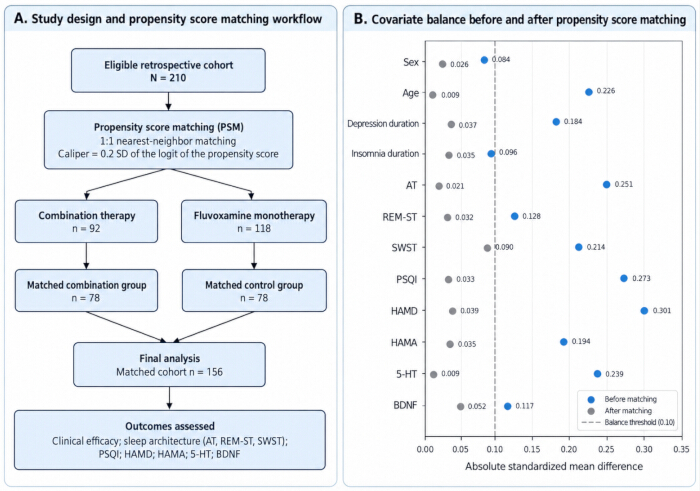
Figure 1: Study design and covariate balance before and after propensity score matching. (A) Schematic overview of the retrospective study and propensity score matching procedure. A total of 210 eligible patients were identified, including 92 patients receiving combined trazodone and fluvoxamine therapy and 118 patients receiving fluvoxamine monotherapy. After 1:1 nearest-neighbor propensity score matching, 78 matched pairs were retained for the final analysis. (B) Love plot showing absolute standardized mean differences (SMDs) for baseline covariates before and after matching. The dashed vertical line represents an absolute SMD of 0.10, the prespecified threshold for acceptable covariate balance. All covariates had absolute SMDs <0.10 after matching. Please click here to view a larger version of this figure.
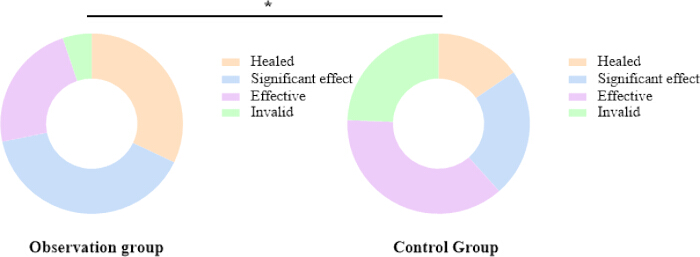
Figure 2: Distribution of clinical efficacy categories at week 8. Patients were classified as having a cure, marked improvement, improvement, or no response according to the percentage reduction in HAMD score from baseline to week 8. The overall clinical response rate was 94.87% (74/78) in the combination therapy group and 75.64% (59/78) in the fluvoxamine monotherapy group (χ2 = 11.474, P < 0.001). *P < 0.0056 according to the Bonferroni-adjusted significance threshold. Please click here to view a larger version of this figure.
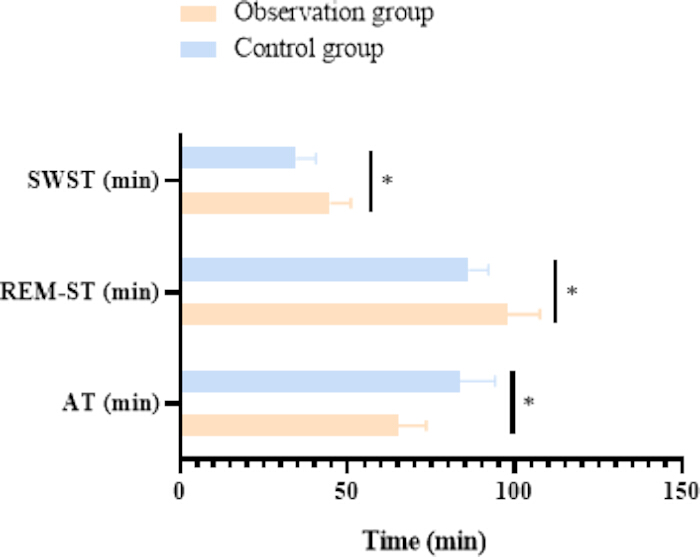
Figure 3: Comparison of polysomnographic parameters at week 8. Comparison of awake time (AT), rapid eye movement sleep time (REM-ST), and slow-wave sleep time (SWST) between the observation and control groups at week 8. Combination therapy significantly reduced awake time and increased REM-ST and SWST compared with fluvoxamine monotherapy. Data are presented as mean ± SD; error bars represent standard deviations (SDs), with n = 78 per group. All reported between-group differences remained significant after Bonferroni correction (adjusted P threshold <0.0056). Please click here to view a larger version of this figure.
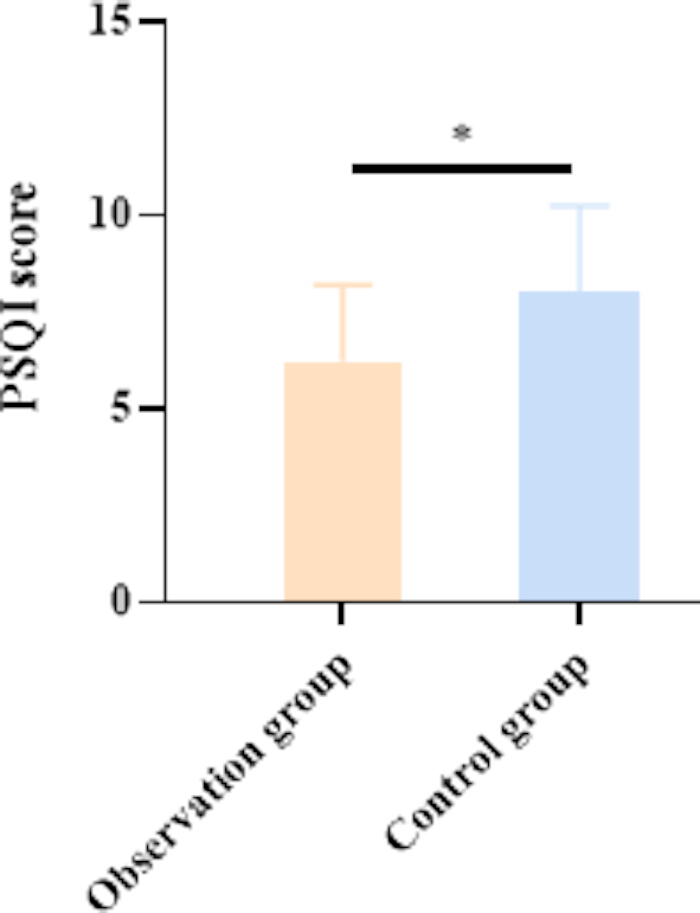
Figure 4: Comparison of sleep quality at week 8. PSQI scores at week 8 in the observation and control groups. Lower PSQI scores indicate better sleep quality. Data are presented as mean ± SD; error bars represent standard deviations (SDs), with n = 78 per group. All reported between-group differences remained significant after Bonferroni correction (adjusted P threshold <0.0056). Please click here to view a larger version of this figure.
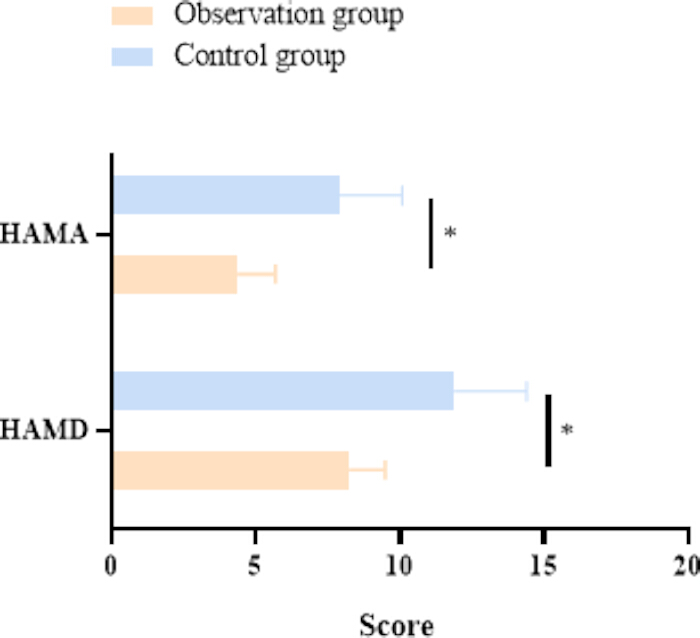
Figure 5: Comparison of depression and anxiety scores at week 4. HAMD and HAMA scores at week 4 in the observation and control groups. Lower scores indicate less severe depressive and anxiety symptoms. Data are presented as mean ± SD; error bars represent standard deviations (SDs), with n = 78 per group. All reported between-group differences remained significant after Bonferroni correction (adjusted P threshold <0.0056). Please click here to view a larger version of this figure.
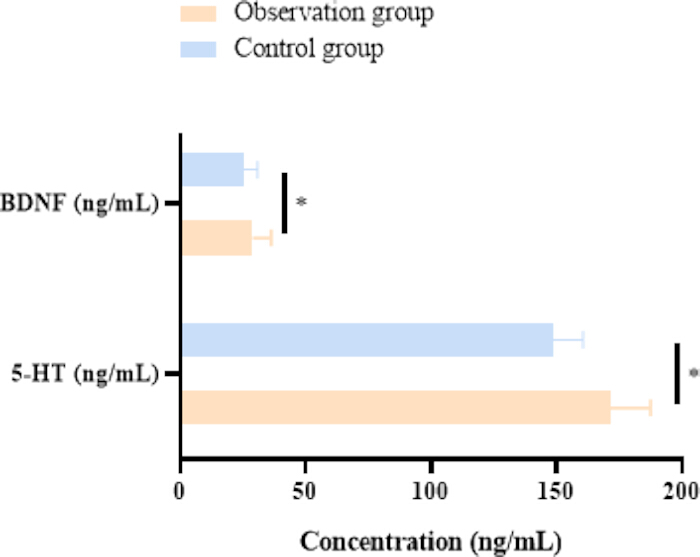
Figure 6: Comparison of circulating 5-HT and BDNF levels at week 8. Serum concentrations of 5-HT and BDNF at week 8 in the observation and control groups. Combination therapy significantly increased serum 5-HT and BDNF levels compared with fluvoxamine monotherapy. Data are presented as mean ± SD; error bars represent standard deviations (SDs), with n = 78 per group. All reported between-group differences remained significant after Bonferroni correction (adjusted P threshold <0.0056). Please click here to view a larger version of this figure.
| Observation group | Control group | x2/ t | P | |
| Number of cases | 78 | 78 | - | - |
| Gender | ||||
| Male | 40 | 39 | 0.026 | 0.873 |
| Female | 38 | 39 | - | - |
| Age(year) | ||||
| Range | 22-55 | 22-55 | - | - |
| Mean value | 38.54 ± 8.77 | 38.62 ± 9.47 | -0.055 | 0.956 |
| Duration of depression (months) | ||||
| Mean value | 17.45 ± 3.65 | 17.33 ± 2.88 | 0.228 | 0.82 |
| Insomnia duration (months) | ||||
| Mean value | 12.11 ± 5.11 | 12.31 ± 6.12 | -0.222 | 0.825 |
Table 1: Baseline demographic and clinical characteristics of the study population. Comparison of baseline demographic characteristics between patients receiving combined trazodone and fluvoxamine therapy (observation group) and those receiving fluvoxamine monotherapy (control group). Variables include sex, age, duration of depression, and duration of insomnia. No statistically significant differences were observed between the two groups (P > 0.05), indicating comparable baseline characteristics.
| Observation group | Control group | t | P | |
| Number of cases | 78 | 78 | - | - |
| Parameters of polysomnography | ||||
| AT | 120.41 ± 11.29 | 120.18 ± 10.96 | 0.771 | 0.442 |
| REM-ST | 75.33 ± 5.14 | 75.49 ± 4.73 | -1.512 | 0.133 |
| SWST | 21.56 ± 3.11 | 21.28 ± 3.12 | 0.561 | 0.575 |
| PSQI (score) | ||||
| Mean value | 11.85 ± 2.66 | 11.94 ± 2.73 | -0.723 | 0.471 |
| Negative emotions (score) | ||||
| HAMD | 28.24 ± 3.11 | 28.35 ± 2.49 | -0.091 | 0.927 |
| HAMA | 16.58 ± 2.95 | 16.68 ± 2.77 | 0.005 | 0.996 |
| Serum neurotransmitter levels (ng/mL) | ||||
| 5-HT | 93.34 ± 5.76 | 93.29 ± 5.69 | -1.071 | 0.286 |
| BDNF | 20.15 ± 1.94 | 20.25 ± 1.88 | 1.482 | 0.141 |
Table 2: Comparison of pretreatment clinical characteristics between the study groups. Comparison of baseline polysomnographic parameters, Pittsburgh Sleep Quality Index (PSQI) scores, Hamilton Depression Rating Scale (HAMD) scores, Hamilton Anxiety Rating Scale (HAMA) scores, and circulating 5-HT and BDNF levels before treatment. No significant differences were observed between the two groups before treatment (P > 0.05).
Supplementary File 1: De-identified individual-level raw data supporting the findings of this study. Please click here to download this file.
讨论
This retrospective study evaluated the clinical outcomes of 156 patients with depression treated with either fluvoxamine monotherapy or combined trazodone and fluvoxamine therapy. Propensity score matching (PSM) was used to balance baseline characteristics between the two groups, thereby reducing the potential influence of measured confounding variables such as age, sex, and disease duration. Comparable baseline characteristics strengthened the validity of subsequent efficacy comparisons. The significantly higher overall clinical response rate observed in the combination therapy group suggests that adding trazodone may enhance the therapeutic efficacy of fluvoxamine through complementary pharmacological mechanisms.
Trazodone has established pharmacological actions involving serotonergic, histaminergic, and adrenergic receptor systems. Based on previous pharmacological and clinical literature, several mechanisms have been proposed to explain its antidepressant and sleep-related effects, including modulation of serotonergic neurotransmission, attenuation of hypothalamic–pituitary–adrenal (HPA) axis hyperactivity, and effects on neuroplasticity11,12. Antagonism of 5-HT2A receptors and partial agonism at 5-HT1A receptors have been proposed to influence serotonergic signaling and prefrontal–limbic function, while antagonism of histamine H1 and α1-adrenergic receptors may contribute to sedative and anxiolytic effects. These mechanisms were not directly assessed in the present study and should therefore be regarded as literature-supported hypotheses that may help contextualize the observed clinical findings, rather than mechanisms demonstrated by the data13,14,15.
Polysomnographic findings demonstrated that combination therapy significantly reduced awake time while increasing both rapid eye movement (REM) sleep time and slow-wave sleep (SWS) duration compared with fluvoxamine monotherapy. These findings indicate meaningful improvements in sleep architecture. Reduced awake time reflects improved sleep maintenance. Previous studies have proposed that the sleep-related effects of trazodone may involve modulation of serotonergic signaling and inhibitory neural pathways involved in sleep–wake regulation16,17,18,19,20. However, neither GABA levels nor GABA-receptor activity, serotonergic activity, or other specific central neural pathways were measured in the present study. Therefore, any involvement of GABAergic or serotonergic mechanisms should be regarded as a literature-supported hypothesis rather than a mechanism directly demonstrated by the findings.
Consistent with the polysomnographic findings, patients receiving combination therapy demonstrated significantly lower Pittsburgh Sleep Quality Index (PSQI) scores, indicating better self-reported sleep quality. Improvements in both objective and subjective sleep measures suggest that trazodone may exert complementary effects on sleep and depressive symptoms, although the neural pathways underlying these clinical changes were not directly investigated in this study. Improvements in sleep-related outcomes and depressive and anxiety symptoms were observed in parallel in the combination therapy group. However, the present study did not statistically evaluate correlations between changes in sleep parameters and changes in HAMD or HAMA scores. Therefore, these findings should be interpreted as concurrent treatment-associated outcomes rather than evidence of a direct or bidirectional relationship between sleep improvement and symptom improvement21,22.
Patients treated with trazodone plus fluvoxamine therapy also exhibited significantly lower Hamilton Depression Rating Scale (HAMD) and Hamilton Anxiety Rating Scale (HAMA) scores than those receiving fluvoxamine alone, indicating greater improvement in both depressive and anxiety symptoms. Lower HAMD and HAMA scores indicated less severe depressive and anxiety symptoms, respectively23,24. Previous studies have proposed that the antidepressant and anxiolytic effects of trazodone may involve serotonergic neurotransmission, HPA-axis regulation, and neuroinflammatory pathways25,26. However, HPA-axis activity, cortisol concentrations, inflammatory markers, and central serotonergic function were not directly assessed in the present study. These mechanisms, therefore, remain plausible literature-based explanations and cannot be inferred directly from the observed reductions in HAMD and HAMA scores.
Combination therapy was also associated with significantly higher circulating concentrations of 5-HT and BDNF, providing exploratory biological findings that were directionally consistent with the observed clinical improvements. Previous literature has linked changes in circulating 5-HT and BDNF to serotonergic signaling and neuroplasticity-related processes27,28,29. More broadly, recent research on the microbiota–gut–brain axis has highlighted interactions among tryptophan/5-HT metabolism, BDNF-related neuroplasticity, and HPA-axis regulation in the pathophysiology of depression, providing additional biological context for the exploratory changes in circulating 5-HT and BDNF observed in the present study30. However, the gut microbiota and gut-brain axis were not assessed in this study, and these pathways should not be interpreted as mechanisms directly demonstrated by the present data. However, peripheral concentrations of these biomarkers do not directly measure central neurotransmission, neuroplasticity, or neuronal regeneration. Therefore, the higher circulating concentrations of 5-HT and BDNF observed in this study should be interpreted as exploratory biological correlates rather than as direct evidence of these proposed mechanisms. Moreover, a bidirectional relationship between 5-HT and BDNF may further potentiate therapeutic efficacy: increased serotonin signaling can stimulate BDNF expression, and elevated BDNF supports the development and maintenance of serotonergic neurons, forming a positive feedback mechanism that enhances antidepressant effects. Nevertheless, circulating 5-HT and BDNF should not currently be regarded as established clinical biomarkers for predicting antidepressant treatment response. Their concentrations may be influenced by preanalytical conditions, assay methodology, sampling time, medication exposure, and lifestyle-related factors such as diet, physical activity, and smoking status. Because detailed information on these lifestyle factors was not systematically available in the retrospective clinical records, they could not be incorporated into the propensity score model or adjusted for in the present analysis. Residual confounding related to these unmeasured factors, therefore, cannot be excluded. Accordingly, the biomarker findings should be interpreted as exploratory and hypothesis-generating rather than as evidence supporting the routine clinical use of circulating 5-HT or BDNF as treatment-response biomarkers.
The findings of this study suggest that combined trazodone and fluvoxamine therapy represents a promising strategy for the comprehensive management of depression, particularly in patients with prominent sleep disturbances and anxiety symptoms. Nevertheless, several limitations should be acknowledged. First, this was a single-center retrospective study in which treatment selection was based on routine clinical judgment rather than random allocation, making the analysis susceptible to selection bias and confounding by indication. Although propensity score matching improved the balance of measured baseline characteristics, residual confounding from unmeasured or incompletely recorded factors cannot be excluded. In addition, HAMD and HAMA assessments were conducted during routine clinical care without prospective blinding to treatment allocation, which may have introduced observer bias into symptom ratings and the HAMD-based classification of clinical efficacy. Second, medication adherence was not systematically assessed using standardized measures such as pill counts, pharmacy refill records, or validated adherence questionnaires; therefore, differences in actual medication exposure may have influenced the observed outcomes. Third, adverse events were not systematically collected or analyzed in the available retrospective records, preventing a comprehensive comparison of treatment tolerability and safety between groups. In addition, outcome assessments were not performed at identical time points: HAMD and HAMA scores used for continuous symptom comparisons were assessed at week 4, whereas sleep-related outcomes, circulating biomarkers, and overall clinical efficacy were evaluated at week 8. This reflects the routine retrospective assessment schedule but limits direct temporal comparisons across these outcomes and precludes conclusions regarding the temporal sequence or mechanistic relationships among symptomatic, sleep-related, and biological changes. For this reason, post hoc correlation or mediation analyses across these differently timed outcomes were not considered sufficiently robust to include in the present study. Fourth, although the post-hoc sensitivity analysis indicated that the matched sample had adequate power to detect moderate or larger between-group effects, the relatively modest sample size and single-center setting may limit the precision of the estimates, the ability to detect smaller effects, and the external generalizability of the findings. Finally, the absence of long-term follow-up precludes assessment of the durability of treatment effects and longer-term safety. Future multicenter, prospective, randomized studies with larger sample sizes, standardized adherence monitoring, systematic assessment of adverse events, and longer follow-up are needed to confirm these findings.
披露
The authors declare no competing financial or non-financial interests related to this study. No artificial intelligence tools were used for study design, clinical decision-making, patient data collection, or generation of the original clinical data.
致谢
The authors thank all participants and staff who contributed to this study. This work was supported by the Beijing Natural Science Foundation (General Project No. 7262068).
材料
| 姓名 | 公司 | 目录编号 | 评论 |
|---|---|---|---|
| Centrifuge 5424 R refrigerated microcentrifuge | Eppendorf SE | 5404000210 | Refrigerated microcentrifuge used for biomarker sample processing at 4 °C. Product URL: https://www.eppendorf.com/my-en/Products/Centrifugation/Microcentrifuges/Centrifuge-5424R-p-PF-240997 |
| epTIPS pipette tips | Eppendorf SE | 0030000811; 0030000889; 0030000927 | Disposable pipette tips covering 0.1–10 µL, 2–200 µL, and 50–1000 µL volume ranges. Product URL: https://www.eppendorf.com/my-en/Products/Lab-Consumables/Pipette-Tips/epTIPS-p-PF-243780 |
| Fluvoxamine maleate tablets, 50 mg | Livzon Pharmaceutical Group Inc. / Livzon Pharmaceutical Factory | NMPA approval No. H20058921 | Oral SSRI used as the control-group antidepressant; administered at bedtime and titrated according to clinical need. Product URL: https://en.livzon.com.cn/product/17.html |
| GraphPad Prism | GraphPad Software, LLC | Version 8.4.3 | Software used for figure generation and graphical presentation of study results. Product URL: https://www.graphpad.com/support/ |
| IBM SPSS Statistics | IBM Corp. | Version 26.0 | Statistical software used for propensity-score matching and statistical analyses. Product URL: https://www.ibm.com/support/pages/ibm-spss-statistics-26-documentation |
| K2EDTA blood collection tubes, 6 mL, 13 × 100 mm | Becton, Dickinson and Company | 367864 | Single-use evacuated K2EDTA tubes used for venous blood collection and preparation of EDTA plasma. Product URL: https://www.bd.com/en-uk/products-and-solutions/products/product-page.367864 |
| Multichannel polysomnography system | Jiangxi Nuocheng Electric Co., Ltd. | Model NPSG-B; | Used for overnight polysomnography and recording of EEG, EOG, EMG, respiratory, ECG, oxygen-saturation, pulse, and body-position signals. Product URL: https://www.nccmed.com.cn/productinfo/166097.html |
| Neuroline 720 surface electrodes | Ambu A/S | 72015-K/10 | Pre-wired silver/silver-chloride surface electrodes suitable for polysomnography, EMG, and related neurophysiological recordings. Product URL: https://www.ambu.com/neurology/intraoperative-monitoring/product/ambu-neuroline-720 |
| Research plus single-channel pipette set | Eppendorf SE | 2231001170 | Variable-volume pipette set covering 0.5–10 µL, 10–100 µL, and 100–1000 µL for ELISA preparation and sample transfer. Product URL: https://www.eppendorf.com/us-en/eShop-Products/Liquid-Handling/Manual-Pipettes-Dispensers/Eppendorf-Research-plus-p-PF-534798 |
| Safe-Lock microcentrifuge tubes, 1.5 mL | Eppendorf SE | 30120086 | Colorless polypropylene microcentrifuge tubes for temporary sample handling and aliquoting. Product URL: https://www.eppendorf.com/us-en/Products/Lab-Consumables/Lab-Tubes/Eppi-Eppendorf-Safe-Lock-Tubes-p-PF-8863 |
| Serotonin ELISA Kit | GeneTex, Inc. | GTX17588 | ELISA kit used for quantitative measurement of 5-hydroxytryptamine (5-HT). Product URL: https://www.genetex.com/Product/Detail/Serotonin-ELISA-Kit/GTX17588 |
| Synergy H1 multimode microplate reader | Agilent Technologies / BioTek | Model H1MF | Microplate reader used for absorbance measurements in ELISA assays. Product URL: https://www.agilent.com/en/product/microplate-instrumentation/microplate-readers/multimode-microplate-readers/biotek-synergy-h1-multimode-reader-1623193 |
参考文献
- Lucassen P, Spijker J. Depression. Ned Tijdschr Geneeskd. 2025;169:D8425.
- Monroe SM, Harkness KL. Major depression and its recurrences: Life course matters. Annu Rev Clin Psychol. 2022;18:329-357.
- Beurel E, Toups M, Nemeroff CB. The bidirectional relationship of depression and inflammation: Double trouble. Neuron. 2020;107(2):234-256.
- Park C, et al. Stress, epigenetics and depression: A systematic review. Neurosci Biobehav Rev. 2019;102:139-152.
- Pandi-Perumal SR, et al. Clarifying the role of sleep in depression: A narrative review. Psychiatry Res. 2020;291:113239.
- Kovich H, Kim W, Quaste AM. Pharmacologic treatment of depression. Am Fam Physician. 2023;107(2):173-181.
- Zhao X, et al. The efficacy and safety of St. John's wort extract in depression therapy compared to SSRIs in adults: A meta-analysis of randomized clinical trials. Adv Clin Exp Med. 2023;32(2):151-161.
- Kraus C, Castrén E, Kasper S, Lanzenberger R. Serotonin and neuroplasticity: Links between molecular, functional and structural pathophysiology in depression. Neurosci Biobehav Rev. 2017;77:317-326.
- Cipriani A, et al. Comparative efficacy and acceptability of 21 antidepressant drugs for the acute treatment of adults with major depressive disorder: A systematic review and network meta-analysis. Lancet. 2018;391(10128):1357-1366.
- De Crescenzo F, et al. Comparative effects of pharmacological interventions for the acute and long-term management of insomnia disorder in adults: A systematic review and network meta-analysis. Lancet. 2022;400(10347):170-184.
- Wichniak A, Wierzbicka A, Walęcka M, Jernajczyk W. Effects of antidepressants on sleep. Curr Psychiatry Rep. 2017;19(9):63.
- Jaffer KY, et al. Trazodone for insomnia: A systematic review. Innov Clin Neurosci. 2017;14(7-8):24-34.
- Everitt H, et al. Antidepressants for insomnia in adults. Cochrane Database Syst Rev. 2018;(5):CD010753.
- Drugs for depression. Med Lett Drugs Ther. 2023;65(1691):193-200.
- Coin A, et al. Real-world use of trazodone in older persons in long-term care settings: A retrospective study. Int J Geriatr Psychiatry. 2024;39(11):e70009.
- Kelly CA, Freeman KB, Schumacher JA. Treatment-resistant depression with anhedonia: Integrating clinical and preclinical approaches to investigate distinct phenotypes. Neurosci Biobehav Rev. 2022;136:104578.
- Unal G, Canbeyli R. Psychomotor retardation in depression: A critical measure of the forced swim test. Behav Brain Res. 2019;372:112047.
- Smith WK, et al. Circadian rhythms and their roles in the pathogenesis and treatment of depression. Sheng Li Xue Bao. 2025;77(4):689-711.
- Konttinen H. Emotional eating and obesity in adults: The role of depression, sleep and genes. Proc Nutr Soc. 2020;79(3):283-289.
- Zhao K, et al. Efficacy comparison of five antidepressants in treating anxiety and depression in cancer and non-cancer patients. Front Neurosci. 2024;18:1485179.
- Lopez R, Barateau L, Evangelista E, Dauvilliers Y. Depression and hypersomnia: A complex association. Sleep Med Clin. 2017;12(3):395-405.
- Jamieson A, et al. Depression-related cerebral pathology and its relationship with cognitive functioning: A systematic review. J Affect Disord. 2019;250:410-418.
- Swainson J, et al. Diet and depression: A systematic review of whole dietary interventions as treatment in patients with depression. J Affect Disord. 2023;327:270-278.
- Mayer G, Jennum P, Riemann D, Dauvilliers Y. Insomnia in neurological diseases. Neurol Res Pract. 2021;3(1):15.
- Johnco C, Rapee RM. Depression literacy and stigma influence how parents perceive and respond to adolescent depressive symptoms. J Affect Disord. 2018;241:599-607.
- Wang Q, et al. Effect of antidepressants on ejaculation dysfunction in patients with depression and anxiety: A systematic review and network meta-analysis. Andrology. 2025;13(6):1333-1345.
- Dudek KA, et al. Neurobiology of resilience in depression: Immune and vascular insights from human and animal studies. Eur J Neurosci. 2021;53(1):183-221.
- Bavato F, et al. Gamma-hydroxybutyrate to promote slow-wave sleep in major depressive disorder: A randomized crossover trial. Neuropsychopharmacology. 2025;50(8):1237-1244.
- Sivolap YP. Serotonin neurotransmission and treatment options for depression. Zh Nevrol Psikhiatr Im S S Korsakova. 2017;117(11):174-177.
- Zhou X, et al. Mechanisms of the effect of gut microbes on depression through the microbiota-gut-brain axis. Front Nutr. 2025;12:1634548.