This review summarizes recent progress in Friction Stir Additive Manufacturing (FSAM), including process developments, multi-material fabrication, tooling improvements, and applications of Artificial Intelligence. It outlines process optimization, current operational challenges, and future research directions toward intelligent, high-performance solid-state manufacturing.
综述文章
Next-Generation Friction Stir Additive Manufacturing: Emerging Technologies and Machine Learning for Process Excellence
本文内容
摘要
摘要
Friction Stir Additive Manufacturing (FSAM) has been recognized as a promising solid-state additive manufacturing (AM) technology for manufacturing metallic components with refined microstructures and enhanced mechanical properties. Unlike fusion-based AM processes, FSAM operates below the melting temperature, reducing solidification-related defects such as porosity, excessive residual stresses, and hot cracking. This review critically summarizes recent advances in FSAM, including tool design, thermal management, process parameter optimization, functionally graded structures, and multi-material fabrication. It also examines the integration of Artificial Intelligence (AI) and Machine Learning (ML) techniques, such as Artificial Neural Networks (ANN), Extreme Gradient Boosting (XGBoost), and Random Forest (RF), for process parameter prediction, property optimization, process monitoring, and defect detection. Current challenges associated with process scalability, data availability, tool wear, interlayer bonding, heat accumulation, and model generalization are critically discussed. Future research directions, including explainable AI, real-time closed-loop process control, digital twins, and standardized datasets, are also highlighted. This review provides an in-depth examination of the status of FSAM by integrating recent technological advances with intelligent manufacturing approaches and highlights key opportunities for sustainable, reliable, and data-driven solid-state additive manufacturing.
引言
There has been a rapid global interest in additive manufacturing (AM) in recent years, as the capabilities of these technologies have been recognized and developed. Initially developed as a rapid prototyping tool, additive manufacturing has evolved into a comprehensive production method that uses a variety of materials, including metals, composites, polymers, and ceramics1. Because AM can create complex geometries and enable personalization with minimal waste, it stands out from conventional formative and subtractive processes, making it ideal for prototypes and short production runs. Nowadays, 3D printing offers both opportunities for topological optimization and unitization. In general, additive manufacturing techniques fall into one of two categories: solid-state (friction-based) and fusion-based, as shown in Figure 1. Solid-state additive manufacturing processes are still in their infancy. Among these, friction stir-based processes cause significant shear deformation of the material during fabrication2,3. Promising alternatives to conventional fusion-based techniques, friction stir-based solid-state additive manufacturing processes represent a state-of-the-art development in the field.
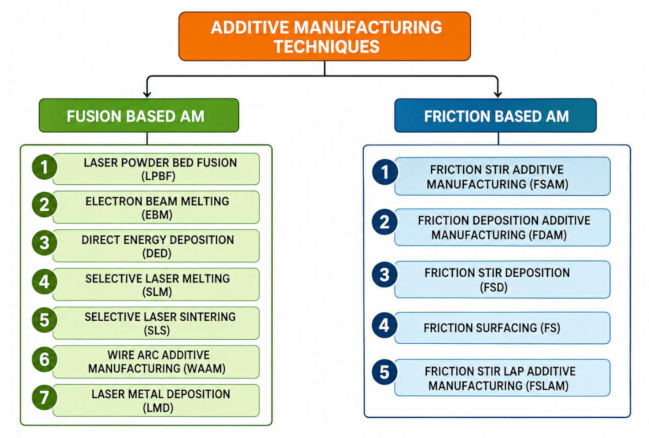
Figure 1. Classification of AM techniques based on fabrication methodology. Please click here to view a larger version of this figure.
These studies show that Friction Stir Welding (FSW), Friction Stir Processing (FSP), Friction Stir Additive Manufacturing (FSAM), and Additive Friction Stir Deposition (AFSD) are closely related technologies that employ friction; however, they differ in their processing objectives and applications. Friction Stir Welding (FSW) is used mainly as a joining technique in which no melting takes place, and the related concepts primarily involve material flow, heat generation, tool geometry, defect formation, and joint properties. Friction Stir Processing (FSP) is primarily a material modification technique used to improve the microstructure through grain refinement, dynamic recrystallization, homogenization, and defect elimination. Friction Stir Additive Manufacturing (FSAM) is the use of friction stir technology to fabricate three-dimensional components by depositing successive layers; major considerations include interlayer interactions, process parameters, thermal behavior, defect formation, and the properties of the fabricated component.
Friction Stir Additive Manufacturing (FSAM) stands apart from fusion-based additive manufacturing processes as a solid-state process in which the feedstock undergoes plastic deformation and consolidation without reaching the melting point. This affects the thermal history, microstructure, defect formation, and residual stress state of the manufactured component. Compared with Laser Powder Bed Fusion (LPBF) and Electron Beam Melting (EBM), FSAM reduces solidification-related defects and hot cracking due to its solid-state processing and promotes dynamic recrystallization, resulting in a fine, equiaxed microstructure4. However, FSAM is less suitable than LPBF and EBM for achieving high-dimensional accuracy and geometric complexity in small components. Compared with Direct Energy Deposition (DED), FSAM generally operates at lower peak temperatures and thermal gradients, reducing distortion and residual stresses. Wire Arc Additive Manufacturing (WAAM) offers very high deposition rates for large metallic components, but its high thermal input and repeated thermal cycles can result in wider heat-affected zones, residual stresses, distortion, and solidification-related microstructural changes. FSAM provides strong interlayer bonding through intense plastic deformation and forging, although its application depends on material formability and process limitations. Therefore, FSAM should be regarded not as superior to other additive manufacturing methods but as a complementary technology offering reduced thermal exposure, minimized solidification defects, and refined microstructures, alongside the geometric precision of LPBF and EBM and the productivity of DED and WAAM5.
FSAM can be considered a significant advancement in the field of metal additive manufacturing and represents a unique class of solid-state additive manufacturing technologies1. White et al.6 proposed that friction heating and bonding could combine metals, polymers, or composites into large deposits without the need for filler materials. Their approach enables solid-state freeform fabrication through localized bonding at faying surfaces using a friction source, a forging load mechanism, a detachable work head, a material feeder, and computer control. Until Dilip et al.7 explored friction surfacing and friction welding as potential pathways for additive manufacturing, relatively few studies had been conducted in this area, resulting in slow progress. Sharma et al.8 introduced an important approach for developing functionally graded composites using FSAM. This technique combines multi-pass stirring with predrilled blind holes to control the distribution of local reinforcement and tailor microstructural evolution across the gradient. It facilitates modification of material properties through dynamic recrystallization, particle disruption, and microstructural refinement.
The use of advanced characterization techniques, including Digital Image Correlation and Electron Backscatter Diffraction, demonstrates the reliability and predictability of the resulting property gradients. Recent advances in FSAM tool design include the work of Hassan et al.9 and Li et al.10, who reported optimized shoulder and pin geometries, along with improved temperature control, to enhance material flow, interlayer bonding, and deposition consistency. These developments enable improved material mixing during deposition, facilitating the fabrication of multi-material and functionally graded structures. As a solid-state process, FSAM avoids problems associated with melting, making it suitable for difficult-to-weld alloys and metal matrix composites. Recent studies have focused on improving material flow, bonding, and mechanical properties9,10. Multi-material and functionally graded structures have also been developed using hybrid materials and reinforced composites11. These studies demonstrated improved hardness and structural uniformity while highlighting challenges related to scalability, energy consumption, and environmental sustainability. In addition, advances in robotic integration, process automation, and energy-efficient operation continue to improve scalability while reducing environmental impact, making FSAM increasingly attractive for industrial applications. By utilizing frictional heat and severe plastic deformation rather than melting, FSAM reduces common fusion-related defects, such as porosity and cracking, while promoting refined microstructures and improved interlayer bonding12.
The incorporation of Artificial Intelligence (AI) and Machine Learning (ML) into FSAM has significantly enhanced this manufacturing technique by enabling intelligent parameter optimization, process monitoring and control, and prediction of mechanical and material properties. Machine learning algorithms, including Artificial Neural Networks (ANN), Random Forest (RF), and Extreme Gradient Boosting (XGBoost), provide effective tools for predicting heat input and tool paths, detecting defects, analyzing temperature evolution, and predicting microstructural and material properties. This review comprehensively examines the development of next-generation Friction Stir Additive Manufacturing by consolidating recent advances in FSAM, automation, sensing, real-time monitoring, and machine learning.
综述与观点
Review methodology
This review critically assesses state-of-the-art Friction Stir Additive Manufacturing (FSAM), Additive Friction Stir Deposition (AFSD), and the integration of Artificial Intelligence (AI) and Machine Learning (ML) in solid-state additive manufacturing. Comprehensive literature searches across Scopus, Web of Science, ScienceDirect, SpringerLink, IEEE Xplore, and Google Scholar (2002–June 2026) iteratively combined keywords including friction stir additive manufacturing, additive friction stir deposition, solid-state additive manufacturing, process optimization, AI, ML, and data-driven modeling. English-language peer-reviewed journal articles, reviews, and original AI/ML studies were screened using predefined inclusion/exclusion criteria to evaluate scientific relevance, methodological quality, and domain contribution.
The analysis examines solid-state additive manufacturing fundamentals and process monitoring, and contrasts conventional optimization—Taguchi, Response Surface Methodology (RSM), and Analysis of Variance (ANOVA)—with machine learning models, including ANN, XGBoost, and RF. Key research gaps, including benchmark deficits, limited datasets, and a lack of real-time monitoring, are identified to establish a strategic roadmap toward adaptive, intelligent, autonomous, scalable, and sustainable FSAM.
Fundamentals of friction stir additive manufacturing
In fusion-based additive manufacturing, components are constructed layer by layer by melting and solidifying raw materials, typically metals or alloys2. These fusion-based processes offer several advantages, including the ability to fabricate intricate geometries, part customization, and good surface finish. However, their widespread application is limited by the inability to process many non-weldable alloys, high feedstock costs, solidification-related defects, low production rates, and high operating costs. In thicker builds, uneven heat distribution and rapid solidification frequently lead to residual stresses, distortion, and poor surface finish. Additionally, these processes often produce columnar grains with highly textured, anisotropic mechanical properties6. To achieve the required tolerances and mechanical performance, most fusion-based techniques require considerable post-processing, such as heat treatment or machining.
Hence, FSAM has emerged as a promising alternative; however, several technical challenges remain, as summarized in Table 1. Friction Stir Additive Manufacturing uses friction-stir welding-driven plastic deformation to consolidate material while building components layer by layer without melting13,14. Fusion-based AM requires melting and solidification, whereas plasticity-centered AM processes rely on severe plastic deformation15. Significant advances in FSAM demonstrate how the technology has progressively evolved to overcome the material and process limitations of fusion-based additive manufacturing, providing a solid-state pathway that expands alloy compatibility, improves build quality, and enhances the overall reliability of metal AM. Friction-based material joining methods and additive manufacturing are discussed in detail in this review.
| S. No | Category | Aspect | Description | Key Details / Values | Impact |
| 1 | Processing Parameters | Rotational Speed | The speed of tool rotation controls heat generation | 400–2000 rpm | Affects material plasticization |
| Traverse Speed | Tool movement speed along the weld line | 2–10 mm/s (120–600 mm/min) | Controls bonding quality | ||
| Axial Force | Downward force applied by the tool | Depends on the material | Ensures proper forging action | ||
| Tool Tilt Angle | Angle of the tool relative to the surface | Typically 1–3° | Improves material flow | ||
| Plunge Depth | Depth of tool penetration | Based on layer thickness | Ensures proper joining | ||
| Dwell Time | The time tool stays before moving | Few seconds | Stabilizes temperature | ||
| 2 | Limitations | Geometric constraints | Difficulty in producing complex shapes | Suitable for simple layered structures | Needs post-processing |
| 3 | Challenges | Process control & optimization | Sensitive to parameter variations | Rotation speed, traverse speed, tilt angle | Affects defect formation |
| 4 | Challenges | Tool Wear | Tool degradation during the process | High in hard alloys | Reduces tool life & consistency |
| 5 | Limitations | Material constraints | Limited to softer alloys | Mainly Aluminum, Magnesium | Restricts industrial use |
| 6 | Challenges | Workpiece handling | Clamping and setup issues | Critical for large components | Affects scalability |
Table 1: Critical process parameters and limitations in FSAM.
The need for robust metal additive manufacturing technologies continues to be driven by the automotive and aerospace industries. Most conventional AM techniques rely on fusion, which presents challenges such as rapid thermal cycling, solidification-related defects, and limited processability for several industrial alloys. FSAM has been proposed as a solid-state alternative capable of achieving high deposition rates with reduced material waste. The evolution and key developments of FSAM are summarized in Figure 2.
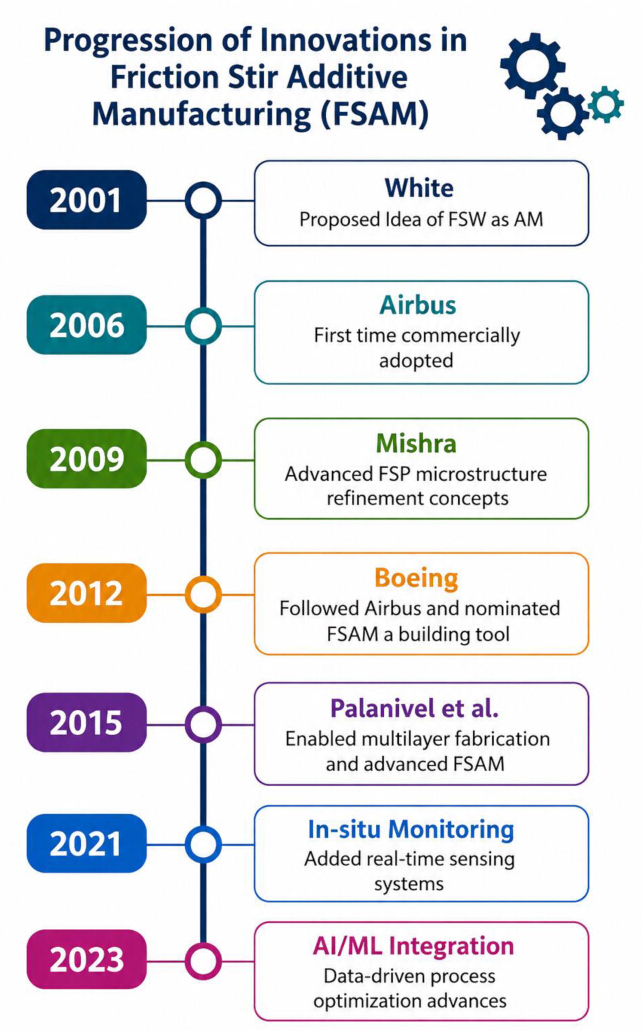
Figure 2. Evolution of key developments in Friction Stir Additive Manufacturing. Please click here to view a larger version of this figure.
The fundamental principles of FSAM and Friction Stir Welding (FSW) are similar; however, the underlying process physics differ because successive layers are added gradually, resulting in repeated thermal and mechanical cycles. FSAM is a solid-state additive manufacturing process that uses the principles of Friction Stir Welding to consolidate successive layers into a three-dimensional component. A schematic representation of FSAM is shown in Figure 3. Friction Stir Welding uses localized plastic deformation to modify the mechanical characteristics of metallic materials16,17. FSAM employs a non-consumable friction-stir tool that rotates and traverses over a substrate or a previously deposited layer. Frictional heating softens the metal below its solidus temperature, while tool rotation generates severe plastic deformation. The plasticized material is consolidated as the tool advances, producing a solid-state bond with the underlying layer. Successive layer deposition creates the three-dimensional component, with each pass contributing to complex thermomechanical cycles that influence the microstructure18,19.
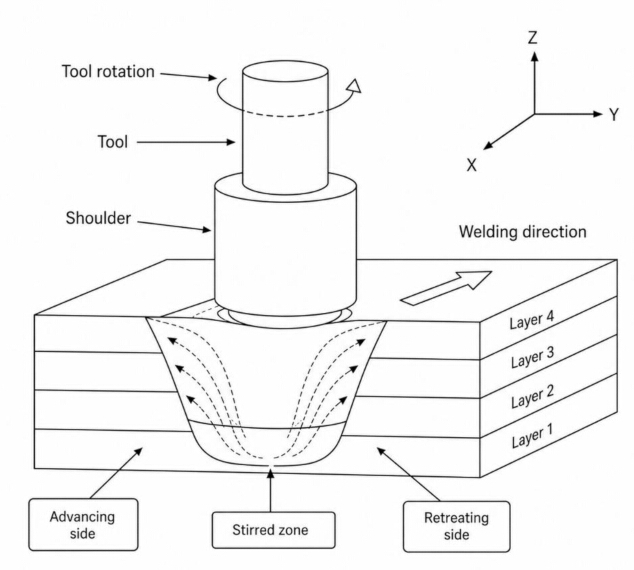
Figure 3. Schematic diagram of Friction Stir Additive Manufacturing. Please click here to view a larger version of this figure.
As discussed in Table 1, FSW tool preparation involves machining features such as a tapered or cylindrical pin, typically 2–6 mm in diameter, and a concave shoulder, usually 10–20 mm in diameter, to confine material flow and improve stirring20,21. Tool materials commonly include H13 tool steel for soft aluminum alloys, such as AA5083, and refractory materials, including tungsten-rhenium and polycrystalline cubic boron nitride, for high-strength and high-temperature applications22,23,24. The tool is generally tilted at 1–3° (typically 2°) relative to the workpiece to achieve balanced heat generation, prevent pin sticking, and allow the shoulder to forge material downward, thereby reducing defects during material flow25. FSAM further extends the FSW concept by successively depositing material through repeated plunging, traversing, and tool retraction. The deposition process can be performed using robotic systems with multi-axis motion, enabling the fabrication of near-net-shape components with improved microstructural control compared with fusion-based additive manufacturing processes.
Thermomechanical conditions, heat input, plasticization behavior, and metallurgical bonding between layers in FSAM are influenced by process parameters such as tool rotation speed, travel speed, downward force, tool tilt angle, plunge depth, and dwell time20,21. Operational challenges and process limitations include geometric complexity constraints, parameter sensitivity, progressive tool wear, limited material compatibility, and workpiece fixing requirements. These factors directly affect microstructural evolution, defect formation, dimensional accuracy, process stability, and large-scale industrial scalability22.
Despite significant progress, FSAM remains at the pilot-production and laboratory-validation stages for most industrial applications. Challenges remain in equipment robustness, process repeatability, fatigue performance, multi-material interface consistency, in-situ defect detection, and qualification standards for critical industries such as automotive, aerospace, submarine, and defense. Further research is required on industrial-scale deposition systems, process control, machine learning modeling, long-term structural integrity, and standardized certification procedures to enable reliable, high-throughput, industry-ready FSAM production systems.
Recent advancements in FSAM
FSAM has enhanced its capability to fabricate high-performance metallic components through innovations in process control, tooling, and material development. Advanced tool designs, including taper-bobbin configurations and wear-resistant polycrystalline cubic boron nitride (PCBN) or coated tool components, have supported stable multilayer deposition. In parallel, process innovations such as real-time AI-based monitoring, hybrid multi-pass strategies, and automated feedstock handling have improved process stability while mitigating residual stresses, porosity, and other defects associated with additive manufacturing26,27. Multi-material and functionally graded structures have enabled the fabrication of alternating aluminum alloy layers, such as AA6061/AA7075 and AA2024/AA5083, thereby providing opportunities to tailor strength-ductility characteristics and fatigue performance28,29,30. Recent investigations have also demonstrated the applicability of FSAM to high-strength aluminum alloys, metal-matrix composites, and titanium alloys, including AA6061/TiC-graphene and Al-SiC systems, where dynamic recrystallization and particle-induced microstructural refinement contribute to improved grain structure and hardness26,30. Collectively, these developments demonstrate the increasing potential of FSAM for advanced manufacturing and repair applications while highlighting the need for further improvements in tool life, thermal management, defect control, and process scalability26,27,28,29,30,31.
Building on these advances in materials development, tooling, and process strategies, recent research has increasingly focused on advanced equipment architectures, in situ sensing, and predictive process control to improve the consistency of FSAM. Specialized processing platforms and multi-axis deposition systems provide greater flexibility in build configuration and tool movement, while closed-loop thermal management and real-time measurements of torque and axial force enable improved control of process conditions. In addition, numerical approaches combined with machine learning techniques have been explored for predicting material flow, process responses, thermal behavior, and parameter optimization. These developments facilitate improved interlayer consolidation while providing greater insight into the relationships among microstructural evolution, process conditions, and mechanical performance32.
Tooling and equipment developments
Tooling and equipment play a crucial role in determining the quality, productivity, and reliability of Friction Stir Additive Manufacturing (FSAM). Conventional FSAM employs a non-consumable tool with a shoulder for frictional heat and a profiled pin (cylindrical, threaded, tapered, square, or triflute) for plastic deformation and material mixing. Unfavorable processing conditions cause tunnel defects, kissing bonds, voids, insufficient mixing, flash, poor interlayer bonding, oxide inclusions, and dimensional inaccuracies. Durability is impacted by tool wear, thermal accumulation, residual stresses, and microstructural heterogeneity. Advanced materials like polycrystalline cubic boron nitride (PCBN), tungsten-based alloys, and wear-resistant coatings minimize tool degradation. Modern FSAM integrates rigid CNC platforms, multi-axis motion control, automated clamping, force/torque sensors, Industry 4.0 monitoring, and adaptive feedback. Hybrid processing strategies—multi-pass deposition, automated feedstock positioning, and plunge-depth control—further enable defect-free functionally graded materials and multi-material structures5,9.
Recent strategies extend to advanced thermal management. Hassan et al. combined in-process cooling with cyclic solution post-weld heat treatment (PWHT), thereby significantly improving microhardness and ultimate tensile strength in AA7075-T651 laminates while preserving ductility, thereby overcoming the classic strength–ductility trade-off33.
FSAM development relies heavily on advances in machine design, process monitoring, intelligent control, and digital manufacturing34. To replace costly trial-and-error, statistical methods—Design of Experiments (DOE), Taguchi method, Response Surface Methodology (RSM), and robust parameter design—are widely implemented via Design-Expert and Minitab35,36,37. Sensing technologies are vital to manage process-induced defects, anisotropy, and microstructural variation38. Industry 4.0 integrates machine learning (ML), artificial intelligence (AI), cloud computing, and cyber-physical systems into a closed-loop framework (Figure 4)2,39.
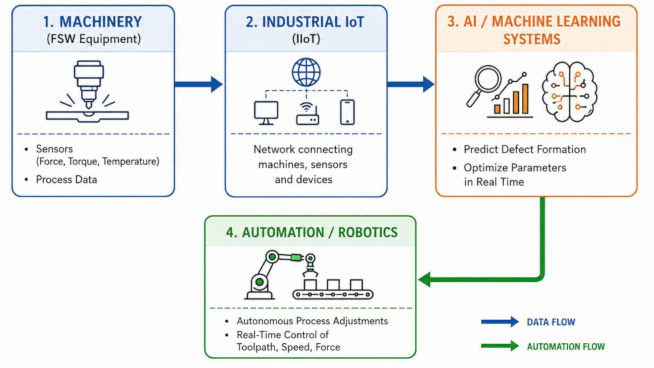
Figure 4. Integrated smart manufacturing framework for Friction Stir Additive Manufacturing. Please click here to view a larger version of this figure.
Recent advancements in FSAM technology have focused on increasing the flexibility, scalability, and efficiency of the manufacturing process. One of the major advancements in related solid-state additive manufacturing technologies is the development of large-scale Additive Friction Stir Deposition (AFSD) systems, which enable the deposition of meter-scale metallic components with mechanical properties comparable to those of forged parts. Advanced AFSD systems use sophisticated tool materials, programmable control architectures, and modular deposition heads that ensure high deposition rates and excellent metallurgical quality. Multi-axis machine configurations have enabled the fabrication of complex geometries, including curved surfaces. At the same time, robotic FSAM has emerged as a versatile manufacturing system using position- and force-controlled wire feeders and modular robotic platforms.
Another noteworthy trend is the development of portable FSAM systems. Portable FSAM systems enable onsite repair, remanufacturing, and restoration of components in aerospace repair facilities, offshore locations, and military applications. This broadens the technology's applicability while reducing transportation costs and production time.
However, critical challenges persist34. Thermomechanical modeling of high-strength alloys remains difficult. Gaps exist in process windows, fatigue/cyclic behavior, tool wear, and platform validation. While ML, acoustic emission, thermography, and feedback control show promise, future work should focus on certification standards, geometric accuracy, industrial implementation, and benchmarking against Selective Laser Melting (SLM), Wire Arc Additive Manufacturing (WAAM), and Electron Beam Melting (EBM), as summarized in Table 2.
| S.No | Technical Challenges / Research Gap | Description |
| 1 | Limited understanding of thermal behavior and material flow | Accurate thermal simulation and flow modeling are still insufficient to predict defect formation and bonding uniformity |
| 2 | Lack of standardized process parameters | Optimum tool geometry, rotational speed, traverse speed, and plunge depth vary widely by material. |
| 3 | Limited multi-material and MMC processing studies | Few studies are available on dissimilar material deposition and integration of ceramic reinforcements. |
| 4 | Challenges in scalability and industrial automation | Current research is limited to laboratory scale; large structural components and robotic FSAM systems require development. |
| 5 | Inadequate surface finish and geometric accuracy | Post-processing is still required; adaptive control systems are emerging, but not mature. |
| 6 | Tool wear and degradation | High-strength alloys cause tool erosion, affecting repeatability. |
| 7 | Insufficient long-term performance data | Few studies report fatigue, corrosion, residual stress, or high-temperature performance. |
| 8 | Limited comparison with commercial AM systems | Benchmarking vs. SLM/WAAM/EBM is still inadequate for industrial adoption. |
Table 2: Research gaps and emerging technological challenges in FSAM development.
In-situ monitoring is essential for advanced FSAM systems because process stability directly governs component microstructure and mechanical properties. Systems employ force, torque, rotational speed, temperature, vibration, and acoustic emission sensors during deposition. Infrared (IR) thermography evaluates heat generation and material softening, force/torque sensors track tool-material interaction and material flow, and acoustic emissions detect voids and consolidation defects. Multimodal sensor fusion frameworks create comprehensive process signatures, forming the foundation for closed-loop control systems that automatically adjust parameters to minimize variability and improve quality. These sensor data also fuel machine learning models for performance prediction.
Industry 4.0 integration and digital twins
The digital revolution in manufacturing has created new opportunities for intelligent FSAM through the integration of the Internet of Things (IoT), cloud computing, cyber-physical systems, and digital twins38. These technologies enable continuous interaction among manufacturing equipment, sensors, computational platforms, and production management systems. Digital twins are considered among the most promising technological developments for future FSAM applications because they provide a virtual representation of the manufacturing process that is continuously updated with live sensor data. Their implementation supports process optimization, maintenance planning, virtual validation, and quality assessment. However, fully autonomous production remains limited by challenges in IoT connectivity, adaptive control, compatibility, and system integration40.
Machine learning applications
Parameter selection
Machine Learning (ML) enables data-driven optimization and predictive modeling of complex, nonlinear FSAM parameters that govern material flow, temperature, microstructure, and mechanical properties41. Conventional optimization methods are often time-consuming, costly, and reliant on trial and error. ML provides an effective alternative by capturing complex nonlinear relationships among process variables42. These models link process inputs and outputs using historical manufacturing, simulation, and experimental data. Since additive manufacturing involves numerous interacting variables, parameter optimization remains challenging. Therefore, research has focused on developing manufacturing and materials databases that support ML algorithms for accurate prediction and optimization. The effectiveness of ML algorithms depends strongly on high-quality training datasets. ML-based applications in additive manufacturing generally fall into three categories: process design, materials design, and part design43.
Supervised methods—Artificial Neural Networks (ANNs), Support Vector Machines (SVMs), Random Forests (RFs), and gradient boosting—predict properties and thermal responses. Unsupervised methods identify process clusters, while Genetic Algorithms (GA), Particle Swarm Optimization (PSO), and Bayesian optimization optimize parameters.
For instance, Qiao et al.44 used SVMs, ANNs, and RFs to optimize AA6061 deposition parameters for improved tensile strength and hardness. Hybrid physics-ML models enhance thermal predictions when experimental data is limited, while reviews by El-Zathry et al.45 summarized the development of ML approaches for friction stir-based additive manufacturing and highlighted their applicability to intelligent manufacturing. The authors concluded that ML methods can substantially reduce trial-and-error experimentation, shorten process development time, and support adaptive manufacturing. Thus, the adoption of machine learning techniques for FSAM process parameter selection can be considered a milestone toward intelligent manufacturing systems. The use of these techniques enables the capture of complex thermomechanical relationships in the FSAM process, thereby enabling rapid prediction of manufacturing outcomes. This technology not only facilitates the window optimization process but also reduces experimental costs and material wastage43,44,45. The success of ML models in FSAM depends on dataset size and quality, the validation methodology employed, and the models' interpretability and generalizability. To prevent overfitting on small datasets, models require k-fold cross-validation, independent material/equipment testing, standard metrics (R2, RMSE, MAE, F1-score), and Explainable Artificial Intelligence (XAI).
Process monitoring and control
The complex thermo-mechanical interactions, material flow behavior, and tool–workpiece dynamics inherent to FSAM present significant challenges for conventional physics-based modeling approaches. Process stability and component quality are strongly influenced by in-situ process signatures, including axial force, torque, temperature evolution, and tool vibration, which exhibit highly nonlinear behavior and are highly sensitive to variations in processing parameters.
Current studies have shown that data-driven models, including Artificial Neural Networks (ANNs), Support Vector Machines (SVMs), Decision Trees, and deep learning (DL) architectures, are highly effective in capturing nonlinear relationships between sensor signals, manufacturing outcomes, and process parameters. These models have demonstrated significant potential for process optimization, intelligent control, predictive maintenance, and defect prediction in additive manufacturing systems46. Furthermore, comprehensive reviews of ML applications in additive manufacturing classify these approaches into real-time control, quality prediction, and process monitoring, emphasizing the importance of multi-sensor data fusion and advanced feature extraction techniques for analyzing datasets of temperature, torque, and force generated during manufacturing processes47.
Despite these advancements, several practical challenges remain. Critical evaluations of current ML implementations have highlighted issues related to inadequate labeled datasets, process non-stationarity, tool wear effects, and signal noise. These challenges are particularly significant in FSAM due to dynamic heat generation at the tool–material interface and severe plastic deformation48. Consequently, current research has focused on developing learning strategies, including hybrid data-driven–mechanistic models, transfer learning, and physics-informed machine learning, to improve process reliability and prediction accuracy in complex manufacturing environments.
Recent investigations have also demonstrated strong correlations among microstructural evolution, defect formation, and the resulting mechanical properties. These findings provide the foundation for quality-oriented control strategies that simultaneously monitor process stability and ensure the desired material characteristics49. In addition, AI-based monitoring frameworks have proposed closed-loop control architectures in which ML models operate within feedback systems to continuously adjust critical process parameters, including traverse speed, tool rotational speed, layer overlap, and plunge force, based on real-time temperature and force measurements50.
Several representative case studies further demonstrate the feasibility of ML-based monitoring and control strategies for manufacturing processes closely related to FSAM. Artificial Neural Network (ANN) and Support Vector Regression (SVR) have been successfully applied to friction stir-based manufacturing operations to predict defect formation and process stability using real-time torque and force data. These studies establish direct relationships between material flow behavior and process signatures, which are critical for achieving high-quality interlayer bonding and deposition consistency in FSAM51.
Similarly, deep learning (DL) approaches, such as Convolutional Neural Networks (CNN) and autoencoder-based architectures, have been employed in metal-based additive manufacturing for real-time anomaly detection and thermal image analysis. These approaches are directly transferable to FSAM, where thermal history plays a vital role in governing microstructural development, consolidation, and plasticization52. Integrating ML models into feedback loops to dynamically adjust process parameters based on real-time sensor data can maintain process stability across varying operating conditions. Such approaches can be adapted to FSAM to control traverse speed, tool rotational speed, and axial force in response to force-temperature-torque fluctuations53.
Further studies have established ML-based relationships between in-situ process signatures and the resulting mechanical properties and microstructural characteristics of manufactured components54. In parallel, predictive maintenance frameworks utilizing vibration and force data have been successfully employed to monitor tool degradation, highlighting a particularly relevant application for FSAM, where tool wear influences heat generation, deposition quality, and material flow. More recently, digital twin-based approaches integrating physics-based models, ML algorithms, and real-time sensor data have been proposed to address challenges related to limited training data and process variability. These hybrid frameworks offer scalable solutions for developing adaptive and intelligent manufacturing systems55.
Mechanical and material characterization
ML models leverage SEM, TEM, EBSD, and mechanical data to model microstructure-property relationships without exhaustive testing56,57,58. Models including ANNs, RF, XGBoost, Gradient Boosting Regression (GBR), SVM, Kernel Ridge Regression (KRR), and Gaussian Process Regression (GPR) map non-linear inputs like composition, grain size, and processing history. SHAP values in XAI quantify feature importance59,60. A performance comparison of various Machine Learning models for material property prediction is presented in Table 3.
| S.No. | Property | Top Models | Key Inputs | Performance (R²/MAE) |
| 1 | Tensile Strength [59] | XGBoost, GBR | Composition, grain size, process params, hardness | 0.91 / ~50 MPa |
| 2 | Hardness [60,61] | BPNN, RF | Alloying elements, tempers, and recrystallization | 0.9 / low % error |
| 3 | Wear [60] | SVM, RF | FSP params, grain/phase features | <5% error |
Table 3: Performance comparison of various machine learning models for the prediction of material properties.
Offline ML models enable prediction of mechanical behavior, microstructure, defects, and temperature, whereas optimization algorithms identify suitable process parameters to improve deposition quality. Real-time monitoring is achieved using sensors, thermal cameras, force measurements, acoustic emission sensors, and machine vision systems. Closed-loop control systems provide real-time feedback for adjusting process parameters. However, fully automated closed-loop FSAM systems remain largely unexplored, representing an important direction for future research.
Recent studies emphasize the importance of ML-based algorithms for material property prediction and optimization. For example, Zhong et al.61 proposed a Deep Hybrid Conditional Generative Adversarial Network (DHG-CGAN) combined with Extra Trees Regression to predict the hardness and toughness of high-entropy alloy coatings. The proposed model achieved R2 values of 0.93 and 0.88 for hardness and toughness, respectively. Furthermore, SHAP analysis identified the heat of evaporation of tungsten as one of the most influential variables affecting hardness. Fu et al.62 developed an XGBoost model to predict the tensile strength of aluminum alloys based on composition, grain size, and hardness.
The model achieved an R2 value of 0.914 and demonstrated that elements such as Fe, Cu, and Mg play important roles in strength development. Incorporating hardness and microstructural information significantly improved prediction accuracy compared with using composition alone. Multilayer ANN models were applied by Merayo et al. and Prabhakar et al. to predict the yield strength and ultimate tensile strength of 713 commercial aluminum alloys63,64. Prediction errors of 3.67% and 4.26% were reported for yield strength and ultimate tensile strength, respectively, demonstrating the applicability of ANN models for industrial alloy property prediction. Seo et al.65 developed an ML model for resistance spot welding of aluminum using voltage measurements acquired during welding as predictive inputs. Using a linear regression model, they achieved approximately 30% lower uncertainty in tensile strength predictions than conventional voltage-based models. A comparative analysis of reported Machine Learning studies is presented in Table 4.
| Study | ML Model | Dataset Size | Validation Strategy | Performance Metric | Overfitting Risk | Interpretability | Model Transferability |
| Seo et al. [65] | Linear Regression | Time-series voltage data | Experimental validation | ~30% uncertainty reduction | Moderate | High | Limited (Resistance Spot Welding only) |
| Fu et al. [62] | XGBoost | 67 samples | Train/Test validation | R² = 0.914 | Moderate (small dataset) | Moderate (feature importance available) | Limited (not FSAM-specific) |
| Merayo et al. [63] | Artificial Neural Network | 713 aluminium alloys | Cross-validation | Error: 3.67–4.26% | Low | Low ("black-box" model) | Moderate (requires FSAM validation) |
Table 4: Comparative analysis of reported studies on machine learning.
Critical evaluation and future prospects
Even though significant advancements have been made in Friction Stir Additive Manufacturing (FSAM), several challenges hinder its industrial implementation. A major limitation is the lack of large-scale, publicly available datasets suitable for machine learning (ML). Relying on small, process-specific datasets limits model generalizability and increases the risk of overfitting. Future studies must establish benchmark datasets combining process parameters, thermal histories, force/torque measurements, microstructures, defects, and material properties. Cross-machine/material validation, uncertainty estimation, and independent testing are required to ensure ML model transferability across manufacturing environments.
Integrating process physics with data-driven ML remains another key challenge. While Artificial Neural Networks (ANN), deep learning, and ensemble models achieve high accuracy, their black-box nature limits interpretability. Explainable Artificial Intelligence (XAI) techniques—Shapley Additive Explanations (SHAP), feature attribution, and sensitivity analysis—improve insight into interactions among process parameters, material flow, microstructures, defects, and mechanical properties. Furthermore, current models inadequately account for the effects of tool wear on frictional heat, material flow, layer thickness, and interlayer bonding. Akbari et al.66 demonstrated successful integration of SHAP-based explainability for additive manufacturing property prediction. Future research should merge ML with multiscale modeling, digital twins, physics-informed neural networks, and advanced process control.
Current FSAM research focuses primarily on tensile strength and hardness; further work must evaluate fatigue life, fracture toughness, corrosion resistance, wear behavior, residual stress, and long-term reliability for safety-critical aerospace, automotive, and marine applications. Process repeatability, dimensional accuracy, deposition rate, energy consumption, cost, certification, and technology readiness must be evaluated before industrial scale-up. Digital twins, real-time monitoring, predictive analytics, and closed-loop control offer substantial potential for intelligent FSAM systems. Future research must progress from laboratory studies toward standardized data generation, uncertainty-aware ML, cross-machine validation, tool wear tracking, long-term assessment, and certified intelligent process control.
结论
FSAM is now regarded as an advanced solid-state additive manufacturing technique for fabricating metallic components with refined microstructures and reduced susceptibility to solidification-related defects. This review demonstrates that process parameters, thermal conditions, material flow characteristics, and microstructural evolution significantly influence the mechanical properties and performance of FSAM-fabricated components. However, current conclusions are primarily based on laboratory-scale investigations, and variations in materials, feedstock, tool geometry, and manufacturing systems limit direct comparisons and broad generalization of published results.
Artificial Intelligence (AI) and Machine Learning (ML) have shown considerable potential for optimizing process parameters, predicting material properties, detecting defects, and monitoring manufacturing processes in FSAM and related friction-based manufacturing technologies. However, relatively few ML models have been specifically developed and validated for FSAM, with most existing studies relying on small, process-specific datasets. Consequently, the industrial application of current ML models remains limited. Key challenges include the development of standardized benchmark datasets, independent and cross-machine validation, uncertainty quantification, explainable and physics-informed ML, and the incorporation of tool wear and long-term component performance into predictive models.
In summary, FSAM represents a promising solid-state additive manufacturing technology with significant potential for intelligent and sustainable manufacturing. Future research should focus on multimodal sensing, digital twins, explainable machine learning, continuous process monitoring and control, and comprehensive evaluation of fatigue performance, corrosion resistance, dimensional accuracy, large-scale manufacturing, cost-effectiveness, and qualification procedures. Addressing these challenges will facilitate the transition of FSAM from laboratory-scale demonstrations to an industrially mature technology capable of meeting practical manufacturing requirements.
披露
The authors do not have any conflicts of interest to declare.
参考文献
- Srivastava M, et al. A review on recent progress in solid state friction based metal additive manufacturing: friction stir additive techniques. Crit Rev Solid State Mater Sci. 2019;44(5):345-77.
- Mishra RS, Ma ZY. Friction stir welding and processing. Mater Sci Eng R Rep. 2005;50(1-2):1-78.
- Mishra RS, Haridas RS, Agrawal P. Friction stir-based additive manufacturing. Sci Technol Weld Join. 2022;27(3):141-65.
- Dong H, et al. A review on solid-state-based additive friction stir deposition. Aerospace (Basel). 2022;9(10):565.
- Nouranga KN, Prashanth BN, Ram Prabhu T. A comprehensive review of solid-phase additive techniques: insights into friction stir additive manufacturing and additive friction stir deposition (AFSD). Results Eng. 2025;27:106604.
- White D. Object consolidation employing friction joining. US Patent 6,457,629; 2002.
- Dilip JJS, Janaki Ram GD, Stucker BE. Additive manufacturing with friction welding and friction deposition processes. Int J Rapid Manuf. 2012;3(1):56-69.
- Sharma A, et al. A new process for design and manufacture of tailor-made functionally graded composites through friction stir additive manufacturing. J Manuf Process. 2017;26:122-30.
- Hassan A, Pedapati SR, Awang M, Soomro IA. A comprehensive review of friction stir additive manufacturing of non-ferrous alloys. Materials (Basel). 2023;16(7):2723.
- Li H, et al. Research progress of friction stir additive manufacturing technology. Acta Metall Sin. 2023;59(1):106-24.
- Kundurti SC, Sharma A. Evaluation of microstructural, mechanical and corrosion behaviours of laminated AA6061/AA7075 metal matrix composites built by friction stir additive manufacturing for structural applications. Mater Res. 2023;26:e20230176.
- Bhat MM, Kulkarni VV, Seemikeri CY, Patil DM. Lightweight multi-material laminates through the routes of friction stir additive manufacturing. Int Res J Adv Eng Hub. 2025;3(9):3534-63.
- Shah D, Badheka VJ. Friction stir additive manufacturing—a review. In: Recent Advances in Mechanical Infrastructure: Proceedings of ICRAM 2020. Springer; Singapore; 2021. p. 13-36.
- Leon JS, Bharathiraja G, Jayakumar V. A review on friction stir welding in aluminium alloys. IOP Conf Ser Mater Sci Eng. 2020;954(1):012007.
- Magudu A, Msomi V, Mabuwa S. Recent advances in friction stir additive manufacturing: a review of mechanical and microstructural performance in similar and dissimilar composites. Mechanika. 2026;32(2):152-9.
- Mishra RS. Bulk nanomaterials from friction stir processing: features and properties. In: Zehetbauer MJ, Zhu YT, editors. Bulk Nanostructured Materials. Wiley-VCH; Weinheim; 2009. p. 255-72.
- Palanivel S, Sidhar H, Mishra RS. Friction stir additive manufacturing: route to high structural performance. JOM. 2015;67(3):616-21.
- Hassan A, et al. Challenges and opportunities in friction-based additive manufacturing of heat-treatable aluminum alloys. J Manuf Mater Process. 2026;10(6):214.
- Mao Y, et al. Formation characteristic, microstructure, and mechanical performances of aluminum-based components by friction stir additive manufacturing. Int J Adv Manuf Technol. 2016;83(9-12):1637-47.
- Babu KT, Muthukumaran S, Bharat Kumar CH. A study on grain size, mechanical properties and first mode of metal transfer in underwater friction stir welded AA5052-O. Key Eng Mater. 2018;775:466-72.
- Hassan A, Pedapati SR. Exploration of possible defects originating in Al-5083 laminates synthesized through friction stir additive manufacturing technique. In: Ahmad F, Iskandar T, Habib K, editors. ICREEM 2022. Lecture Notes in Mechanical Engineering. Springer; Singapore; 2024.
- Hassan A, et al. Experimental investigation on tool pin profile for defect-free multi-layered laminates using friction stir additive manufacturing. Results Eng. 2023;20:101516.
- Hassan A, et al. Development of carbide-reinforced Al-7075 multi-layered composites via friction stir additive manufacturing. J Compos Sci. 2025;9(10):568.
- Babu KT, Muthukumaran S, Sathiya Narayanan C, Bharat Kumar CH. Analysis and characterization of forming behavior on dissimilar joints of AA5052-O to AA6061-T6 using underwater friction stir welding. Surf Rev Lett. 2020;27(3):1950121.
- Habba MIA, Ahmed MMZ. Friction stir welding-based technologies: a comprehensive review from the sustainable manufacturing perspectives. J Mater Res Technol. 2025;38:1-29.
- Babu KT, Muthukumaran S, Bharat Kumar CH. The role of material location on the first mode of metal transfer and weld formation in dissimilar friction stir welded thin sheets. Trans Indian Inst Met. 2019;72(6):1589-92.
- Dong X, et al. Recent advances in additive friction stir deposition: a critical review. Materials (Basel). 2024;17(21):5205.
- Hassan A, et al. Fabrication challenges and mechanical properties of SiC-reinforced Al-7075 laminates synthesized via friction stir additive manufacturing: a preliminary study. Prog Eng Sci. 2026;3(1):100243.
- Modi U, Rai A, Ahmed S. Research prospects of friction stir additive manufacturing [conference paper]. Presented at: Recent Advances in Mechanical Infrastructure; 2024. AIP Conf Proc. 2960(1):030006.
- Kumar S, et al. Influence of tool tilt angle on physical, thermal, and mechanical properties of friction stir welded Al-Cu-Li alloys. Mater Today Commun. 2023;34:105348.
- Hassan A, et al. Investigation on surface hardness and microstructure evolution in AA7075-T651 multi-layered laminate fabricated through friction stir additive manufacturing. Iran J Mater Sci Eng. 2023;20(4):1-12.
- Abdullah ME, Rohim MNM, Mohammed MM, Derazkola HA. Effects of partial-contact tool tilt angle on friction stir welded AA1050 aluminum joint properties. Materials (Basel). 2023;16(11):4091.
- Hassan A, et al. Enhancing microhardness and tensile strength of in-process cooled Al-7075-T651 FSAM laminates without compromising ductility through PWHT. J Adv Join Process. 2025;11:100304
- Khan NA, Chakraborty D, Srivatsan TS, Kumar A. Recent progress in the friction stir additive manufacturing: process parameters, microstructural evolution, and mechanical performance. Trans Indian Inst Met. 2025;78(9):219.
- Rathee S, et al. Metal additive manufacturing using friction stir engineering: a review on microstructural evolution, tooling and design strategies. CIRP J Manuf Sci Technol. 2021;35:560-88.
- Delir Nazarlou R, et al. Optimizing and development of friction stir welding using AI-supported prediction method and digital twin technology. Weld World. 2026;70(3):935-48.
- Hassan A, et al. Multi-objective optimization of friction stir additively manufactured Al-7075 multi-layered laminates. J Alloys Compd. 2024;993:174659.
- Delir Nazarlou R, Nemati Akhgar B, Omidbakhsh F. Optimization of friction stir welding parameters with Taguchi method for maximum electrical conductivity in Al-1080 welded sections. Sci Iran. 2021;28(4):2250-8.
- Ozel T. A review on in-situ process sensing and monitoring systems for fusion-based additive manufacturing. Int J Mechatron Manuf Syst. 2023;16(2-3):115-54.
- Mabuwa S, Moloi K, Msomi V. Industry 4.0-enabled friction stir welding: a review of intelligent joining for aerospace and automotive applications. Metals (Basel). 2026;16(4):390.
- Yadav A, Srivastava M, Jain PK, Rathee S. Machine learning in solid state additive manufacturing: state-of-the-art and future perspectives. Int J Interact Des Manuf. 2025;19(4):2317-36.
- Meng L, et al. Machine learning in additive manufacturing: a review. JOM. 2020;72(6):2363-77.
- Shehbaz W, Peng Q. Selection and optimization of additive manufacturing process parameters using machine learning: a review. Comput Aided Des Appl. 2025;22(5):893-911.
- Qiao Q, et al. A comparative study of machine learning in predicting the mechanical properties of the deposited AA6061 alloys via additive friction stir deposition. Mater Genome Eng Adv. 2024;2(1):e31.
- El-Zathry NE, et al. Enhancing friction stir-based techniques with machine learning: a comprehensive review. Mach Learn Sci Technol. 2025;6(2):021001.
- Kumar S, et al. Machine learning techniques in additive manufacturing: a state of the art review on design, processes and production control. J Intell Manuf. 2023;34(1):21-55.
- Xames MD, Torsha FK, Sarwar F. A systematic literature review on recent trends of machine learning applications in additive manufacturing. J Intell Manuf. 2023;34(6):2529-55.
- Vashishtha G, et al. Current applications of machine learning in additive manufacturing: a review on challenges and future trends. Arch Comput Methods Eng. 2025;32(4):2635-68.
- Sarkon GK, et al. State-of-the-art review of machine learning applications in additive manufacturing: from design to manufacturing and property control. Arch Comput Methods Eng. 2022;29(7):5663-721.
- Masinelli G, et al. Artificial intelligence for monitoring and control of metal additive manufacturing [conference paper]. Presented at: International Conference on Additive Manufacturing in Products and Applications; 2020. p. 205-20.
- Chigilipalli BK, Veeramani A. A machine learning approach for the prediction of tensile deformation behavior in wire arc additive manufacturing. Int J Interact Des Manuf. 2025;19(1):185-97.
- Scime L, Beuth J. Anomaly detection and classification in a laser powder bed additive manufacturing process using a trained computer vision algorithm. Addit Manuf. 2018;19:114-26.
- Razaviarab N, Sharifi S, Banadaki YM. Smart additive manufacturing empowered by a closed-loop machine learning algorithm [conference paper]. Presented at: Nano-, Bio-, Info-Tech Sensors and 3D Systems III; 2019. Proc SPIE. 10969:50-7.
- Everton SK, et al. Review of in-situ process monitoring and in-situ metrology for metal additive manufacturing. Mater Des. 2016;95:431-45.
- Ahsan MM, Liu Y, Raman S, Siddique Z. Digital twins in additive manufacturing: a systematic review. Internet Things. 2025;33:101692.
- Choudhury S, Das R, Sethi D, Roy J, Roy BS. Critical assessment 43: microstructural and mechanical properties of friction stir additively fabricated SiC-reinforced AA6061 build. Mater Sci Technol. 2023;39(18):3090-110.
- Jha KK, Imam M. Microstructure evolution and local mechanical properties of friction stir additively manufactured (FSAM) AA5083/AA6061/AA7075 gradient composite. Mater Sci Eng A. 2024;903:146668.
- Chen M, et al. The microstructure evolution and mechanical properties of multi-layer friction stir additive manufacturing for T2 copper. Mater Today Commun. 2025;42:111213.
- Zahran BM. Using neural networks to predict the hardness of aluminum alloys. Eng Technol Appl Sci Res. 2015;5(1):757-9.
- Al-Enzi FFS, Mohammed SS. Prediction of hardness and wear behaviour of friction stir processed cast A319 aluminum alloys using machine learning technique. Eng Res J. 2020;1(46):16-26.
- Zhong K, et al. Machine learning-driven optimization of hardness and toughness in high-entropy alloy coatings based on composition and descriptor. J Appl Phys. 2025;137(19):195305.
- Fu K, et al. Predictive modeling of tensile strength in aluminum alloys via machine learning. Materials (Basel). 2023;16(22):7236.
- Merayo D, Rodríguez-Prieto A, Camacho AM. Prediction of mechanical properties by artificial neural networks to characterize the plastic behavior of aluminum alloys. Materials (Basel). 2020;13(22):5227.
- Prabhakar DAP, Shettigar AK, Herbert MA, Malghan RL. Predictive modeling of microhardness and tensile strength for friction stir additive manufacturing of AA8090 alloy using artificial neural network. Modelling. 2026;7(2):61.
- Seo BW, et al. Prediction of tensile strength in aluminum spot welding using machine learning. Sci Rep. 2025;15(1):42735.
- Akbari P, Zamani M, Mostafaei A. Machine learning prediction of mechanical properties in metal additive manufacturing. Addit Manuf. 2024;91:104320.