Rotazione mentale

1. Design dello stimolo.
- Presenta gli stimoli per questo esperimento - lettere e numeri, insieme alle loro immagini speculari (Figura 1) - in varie rotazioni.

Figura 1. Esempi di stimoli per un compito di rotazione mentale. Le righe superiori mostrano due caratteri (R e 4) e una copia di ciascuno ruotato. La riga inferiore mostra un'immagine speculare di ciascuno (sul lato destro di ogni coppia) e una versione ruotata di ciascuno. Il compito di rotazione mentale comporta l'identificazione di versioni ruotate di personaggi familiari e la loro distinzione dalle versioni ruotate delle loro immagini speculari. - Usa PowerPoint, Keynote o un programma simile per generare gli stimoli.
- Per questo esperimento, usa la lettera maiuscola "R" e la lettera minuscola "g", insieme ai numeri "4" e "7".
- In PowerPoint creare una copia di ciascuno dei quattro caratteri. Utilizzate il font Helvetica Light per questo esperimento.
- Fai una seconda copia di ogni personaggio e capovolgili per produrre un'immagine speculare di ciascuno.
- Crea 12 copie di ciascuno dei quattro personaggi e delle loro immagini speculari.
- Ruotare ciascuna delle 12 copie con un incremento crescente di 15°. La copia originale di ciascuno è 0°, la successiva è 15°, poi 30°, e così via, fino a 180°. Fare riferimento alla Figura 2 per vedere l'insieme completo degli stimoli utilizzati per questo esperimento.

Figura 2. Una serie completa di stimoli per il compito di rotazione mentale. Quattro caratteri (3, R, 4 e g), ciascuno abbinato alle proprie immagini speculari e ruotato con incrementi di 15° tra 0 e 180. - Dalle 13 copie ruotate di ogni stimolo e della sua immagine speculare, genera gli stimoli per ogni singola prova. Una versione di prova consiste in una delle quattro immagini non speculari stampate nella parte superiore di una pagina. La parte inferiore della pagina include quella lettera o numero e la sua immagine speculare in una delle 12 rotazioni (Figure 3 e 4).
- Crea una pagina per ogni prova dell'esperimento. Ognuno dei quattro numeri / lettere ha 13 pagine di prova, quindi assicurati che ci siano 52 pagine in totale e stampale.
- Numerato il retro delle pagine da 1 a 52. Il numero su ogni pagina è il tag numero. Il numero con cui è etichettata una pagina non ha importanza. Tuttavia, quando si numero le pagine, creare anche una chiave, una tabella che riporti la natura dello studio su ogni pagina e la risposta corretta (sinistra o destra), in modo che le risposte possano essere associate a singoli studi in seguito. Crea la chiave per assomigliare a un foglio di calcolo Excel etichettato "Chiave di rotazione mentale" (Tabella 1).
| Numero Tag | Carattere | Angolo | Risposta corretta |
| 1 | 3 | 60 | A DESTRA |
| 2 | g | 75 | A DESTRA |
| 3 | g | 30 | A DESTRA |
| 4 | g | 60 | A SINISTRA |
| 5 | g | 165 | A DESTRA |
| 6 | 4 | 105 | A SINISTRA |
| 7 | 3 | 15 | A SINISTRA |
| 8 | 3 | 165 | A SINISTRA |
| 9 | 4 | 180 | A SINISTRA |
| 10 | R | 15 | A DESTRA |
| 11 | g | 180 | A DESTRA |
| 12 | g | 45 | A DESTRA |
| 13 | g | 105 | A DESTRA |
| 14 | 3 | 45 | A DESTRA |
| 15 | 4 | 15 | A SINISTRA |
| 16 | R | 60 | A SINISTRA |
| 17 | R | 45 | A SINISTRA |
| 18 | R | 150 | A SINISTRA |
| 19 | g | 0 | A DESTRA |
| 20 | R | 30 | A SINISTRA |
| 21 | 3 | 120 | A SINISTRA |
| 22 | 4 | 90 | A SINISTRA |
| 23 | R | 75 | A SINISTRA |
| 24 | 4 | 135 | A DESTRA |
| 25 | 3 | 180 | A SINISTRA |
| 26 | 4 | 45 | A SINISTRA |
| 27 | R | 90 | A DESTRA |
| 28 | 4 | 0 | A SINISTRA |
| 29 | 4 | 120 | A SINISTRA |
| 30 | 3 | 135 | A DESTRA |
| 31 | R | 135 | A SINISTRA |
| 32 | 3 | 30 | A SINISTRA |
| 33 | 4 | 75 | A SINISTRA |
| 34 | 3 | 105 | A SINISTRA |
| 35 | 3 | 150 | A SINISTRA |
| 36 | R | 105 | A DESTRA |
| 37 | 4 | 60 | A DESTRA |
| 38 | 4 | 30 | A SINISTRA |
| 39 | R | 120 | A DESTRA |
| 40 | R | 180 | A DESTRA |
| 41 | g | 135 | A DESTRA |
| 42 | 3 | 0 | A SINISTRA |
| 43 | 3 | 90 | A SINISTRA |
| 44 | 4 | 150 | A DESTRA |
| 45 | 4 | 165 | A SINISTRA |
| 46 | 3 | 75 | A DESTRA |
| 47 | R | 165 | A SINISTRA |
| 48 | g | 90 | A DESTRA |
| 49 | g | 150 | A DESTRA |
| 50 | g | 15 | A SINISTRA |
| 51 | R | 0 | A DESTRA |
| 52 | g | 120 | A DESTRA |
Tabella 1. Un esempio di chiave che riporta la natura del processo in ogni pagina e la risposta corretta (sinistra o destra).

Figura 3. Una pagina di prova di esempio per una prova dell'esperimento di rotazione mentale. Il partecipante deve segnalare se il carattere a sinistra o a destra (sotto la linea) è la "R" ruotata (al contrario della rotazione dell'immagine speculare).
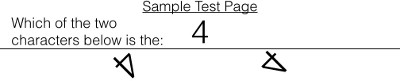
Figura 4. Una pagina di prova di esempio per una prova dell'esperimento di rotazione mentale. Il partecipante deve segnalare se il carattere a sinistra o a destra (sotto la linea) è il "4" ruotato (al contrario della rotazione dell'immagine speculare).
- Per associare i risultati al contenuto di ogni prova, è necessario un posto dove registrare i risultati, quindi crea un altro foglio di calcolo con una colonna per il numero di prova, una colonna per il tag numero di quella prova, una colonna per la risposta data (destra o sinistra) e una colonna per il tempo necessario al partecipante per produrre una risposta. Stampare questo foglio di risposta.
- Inoltre, crea una pagina demo da utilizzare per spiegare le istruzioni. Mostra un esempio di uno dei personaggi, la sua immagine speculare e alcuni esempi del personaggio in una delle rotazioni. Etichettalo chiaramente (Figura 5).

Figura 5. Un foglio di istruzioni. Questo foglio presenta uno dei personaggi, la sua immagine speculare e una rotazione di ciascuno al fine di facilitare la spiegazione della procedura al partecipante.
- Oltre alle versioni stampate delle pagine di prova e demo, acquista un cronometro per l'esperimento ed è anche utile avere un assistente per aiutarti con i tempi e la registrazione delle risposte.
2. Procedura.
- Usa la pagina demo per spiegare le istruzioni al partecipante: "Questo esperimento indagherà sulla tua capacità di ruotare gli oggetti usando immagini visive. In ogni prova, ti verrà chiesto di decidere quale delle due immagini è una versione ruotata di un numero o di una lettera familiare. L'alternativa sarà una rotazione dell'immagine speculare dello stesso numero o lettera. Ecco un esempio: il numero 3. Ed ecco la sua immagine speculare. In una prova, vedrai il 3 originale, insieme a qualcosa come i due esempi nella parte inferiore della pagina, il 3 ruotato e una rotazione della sua immagine speculare. Dirai "sinistra" o "destra" per indicare quale pensi sia l'originale. Dovresti rispondere il più rapidamente possibile senza sacrificare la precisione. In altre parole, rispondi non appena sei sicuro della risposta, ma non prima".
- Mescola le 52 pagine di prova per randomizzare l'ordine. Dopo aver mescolato, inserisci i tag numerici delle prove nell'ordine in cui verranno presentati nel foglio di risposta.
- Avviare l'esperimento. Posiziona la pila di pagine a faccia in giù tra lo sperimentatore e il partecipante, i tag numerici rivolti verso l'alto.
- Tieni premuto il cronometro dall'assistente.
- In ogni prova, fai dire all'assistente "Vai" quando avvia il timer. A questo segnale, capovolgi la pagina di quella prova. Chiedere al partecipante di studiare la pagina e dire "destra" o "sinistra" per indicare quale personaggio è la risposta per quella prova.
- Quando il partecipante segnala una risposta, fare in modo che l'assistente interrompa il timer. Quindi, registrare il tempo di risposta e la risposta fornita sul foglio di risposta.
- Ripetere questa procedura per tutte le 52 prove.
3. Analisi.
- Al termine dell'esperimento, analizzare i dati.
- Immettere i tag numerici scritti a mano, le risposte e i tempi di risposta in una copia digitale del foglio di risposta e salvarlo con un nuovo nome, ad esempio "Risposte MR partecipante 1" (Tabella 2).
| Prova # | Numero Tag | Risposta data | Tempo di risposta | Numero Tag2 | Carattere | Angolo | Risposta corretta | Risposta corretta? |
| 4 | 1 | A DESTRA | 4876 | 1 | 3 | 60 | A DESTRA | 1 |
| 38 | 2 | A DESTRA | 6758 | 2 | g | 75 | A DESTRA | 1 |
| 40 | 3 | A DESTRA | 3579 | 3 | g | 30 | A DESTRA | 1 |
| 26 | 4 | A SINISTRA | 8752 | 4 | g | 60 | A SINISTRA | 1 |
| 10 | 5 | A DESTRA | 6494 | 5 | g | 165 | A DESTRA | 1 |
| 49 | 6 | A SINISTRA | 6587 | 6 | 4 | 105 | A SINISTRA | 1 |
| 16 | 7 | A SINISTRA | 3434 | 7 | 3 | 15 | A SINISTRA | 1 |
| 45 | 8 | A SINISTRA | 9172 | 8 | 3 | 165 | A SINISTRA | 1 |
| 35 | 9 | A SINISTRA | 1856 | 9 | 4 | 180 | A SINISTRA | 1 |
| 17 | 10 | A DESTRA | 6818 | 10 | R | 15 | A DESTRA | 1 |
| 12 | 11 | A DESTRA | 4797 | 11 | g | 180 | A DESTRA | 1 |
| 5 | 12 | A DESTRA | 5378 | 12 | g | 45 | A DESTRA | 1 |
| 21 | 13 | A DESTRA | 3301 | 13 | g | 105 | A DESTRA | 1 |
| 25 | 14 | A DESTRA | 1393 | 14 | 3 | 45 | A DESTRA | 1 |
| 33 | 15 | A SINISTRA | 3937 | 15 | 4 | 15 | A SINISTRA | 1 |
| 42 | 16 | A SINISTRA | 5827 | 16 | R | 60 | A SINISTRA | 1 |
| 31 | 17 | A SINISTRA | 6004 | 17 | R | 45 | A SINISTRA | 1 |
| 9 | 18 | A SINISTRA | 6174 | 18 | R | 150 | A SINISTRA | 1 |
| 46 | 19 | A DESTRA | 6619 | 19 | g | 0 | A DESTRA | 1 |
| 3 | 20 | A SINISTRA | 2276 | 20 | R | 30 | A SINISTRA | 1 |
| 18 | 21 | A SINISTRA | 4176 | 21 | 3 | 120 | A SINISTRA | 1 |
| 28 | 22 | A SINISTRA | 7819 | 22 | 4 | 90 | A SINISTRA | 1 |
| 24 | 23 | A SINISTRA | 7368 | 23 | R | 75 | A SINISTRA | 1 |
| 6 | 24 | A DESTRA | 4984 | 24 | 4 | 135 | A DESTRA | 1 |
| 47 | 25 | A SINISTRA | 4495 | 25 | 3 | 180 | A SINISTRA | 1 |
| 7 | 26 | A SINISTRA | 5476 | 26 | 4 | 45 | A SINISTRA | 1 |
| 50 | 27 | A DESTRA | 7919 | 27 | R | 90 | A DESTRA | 1 |
| 27 | 28 | A SINISTRA | 7182 | 28 | 4 | 0 | A SINISTRA | 1 |
| 48 | 29 | A SINISTRA | 5793 | 29 | 4 | 120 | A SINISTRA | 1 |
| 13 | 30 | A DESTRA | 8986 | 30 | 3 | 135 | A DESTRA | 1 |
| 36 | 31 | A SINISTRA | 9457 | 31 | R | 135 | A SINISTRA | 1 |
| 11 | 32 | A SINISTRA | 7903 | 32 | 3 | 30 | A SINISTRA | 1 |
| 29 | 33 | A SINISTRA | 9703 | 33 | 4 | 75 | A SINISTRA | 1 |
| 51 | 34 | A SINISTRA | 9565 | 34 | 3 | 105 | A SINISTRA | 1 |
| 1 | 35 | A SINISTRA | 9341 | 35 | 3 | 150 | A SINISTRA | 1 |
| 8 | 36 | A DESTRA | 2849 | 36 | R | 105 | A DESTRA | 1 |
| 52 | 37 | A DESTRA | 2355 | 37 | 4 | 60 | A DESTRA | 1 |
| 2 | 38 | A SINISTRA | 2094 | 38 | 4 | 30 | A SINISTRA | 1 |
| 32 | 39 | A DESTRA | 7338 | 39 | R | 120 | A DESTRA | 1 |
| 43 | 40 | A DESTRA | 5431 | 40 | R | 180 | A DESTRA | 1 |
| 37 | 41 | A DESTRA | 2734 | 41 | g | 135 | A DESTRA | 1 |
| 19 | 42 | A SINISTRA | 5978 | 42 | 3 | 0 | A SINISTRA | 1 |
| 14 | 43 | A SINISTRA | 3305 | 43 | 3 | 90 | A SINISTRA | 1 |
| 22 | 44 | A DESTRA | 5273 | 44 | 4 | 150 | A DESTRA | 1 |
| 41 | 45 | A SINISTRA | 4472 | 45 | 4 | 165 | A SINISTRA | 1 |
| 23 | 46 | A DESTRA | 2353 | 46 | 3 | 75 | A DESTRA | 1 |
| 34 | 47 | A SINISTRA | 8211 | 47 | R | 165 | A SINISTRA | 1 |
| 20 | 48 | A DESTRA | 2049 | 48 | g | 90 | A DESTRA | 1 |
| 44 | 49 | A DESTRA | 9719 | 49 | g | 150 | A DESTRA | 1 |
| 39 | 50 | A SINISTRA | 9562 | 50 | g | 15 | A SINISTRA | 1 |
| 15 | 51 | A DESTRA | 1282 | 51 | R | 0 | A DESTRA | 1 |
| 30 | 52 | A DESTRA | 3548 | 52 | g | 120 | A DESTRA | 1 |
Tabella 2. Esempio di foglio di risposta completato.
- Aprire la chiave di risposta e ordinare per tag numerico. Taglia e incolla il contenuto della chiave di risposta nel foglio con le risposte dei partecipanti, quindi ora ci sono colonne che riportano sia le risposte e i tempi di risposta del partecipante, sia i dettagli di ogni prova.
- Aggiungere un'altra colonna alla fine del foglio, denominata "Risposta corretta?" Confrontare la risposta data con la risposta corretta in ogni riga e immettere un 1 nella riga corretta della risposta se la risposta data era corretta o uno 0 se non lo era.
- Riassumi i risultati. Media la colonna "Risposta corretta?" per vedere la proporzione complessiva di studi con risposte corrette. Questo dovrebbe essere molto alto o perfetto per la maggior parte dei partecipanti. Mediare la colonna del tempo di risposta per avere un'idea dei tempi di risposta complessivi. Tale colonna può anche essere mediata filtrando in base alla lettera sul processo e/o all'orientamento della lettera.
Fonte: Laboratorio di Jonathan Flombaum—Johns Hopkins University
Le immagini mentali visive si riferiscono alla capacità di evocare immagini nell'occh…
Capitoli in questo video
0:00
Panoramica
0:58
Disegno Sperimentale
2:16
Esecuzione dell'Esperimento
3:45
Risultati Rappresentativi
4:28
Applicazioni
5:35
Sintesi
Copyright © 2026 MyJoVE Corporation. Tutti i diritti riservati.