
Guest Editors
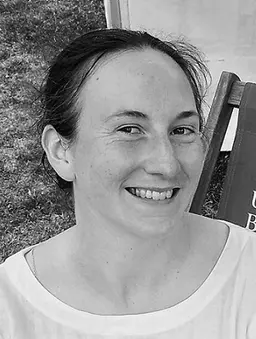
Naomi Pollock
University of Birmingham, England
<p>Naomi Pollock has completed her PhD in biochemistry and structural biology which focused on ATP-binding cassette transporters, from the University of Oxford. Following her PhD, she worked as a postdoctoral research associate at the University of Manchester working on cystic fibrosis. She currently works at the University of Birmingham in the laboratory of Professor Tim Dafforn, developing new methods for the purification of membrane proteins using amphipathic polymers.</p>

Dr. Juan Francisco Bada Juarez
Ecole Polytechnique Fédérale de Lausanne, Switzerland
<p>Juan was awarded a BSc in Chemistry and Chemical Engineering (in 2012) and an MSc in Molecular and Biological Chemistry from EPFL, CH in 2014. He then pursued a DPhil in Biochemistry in the lab of Prof. Anthony Watts at the University of Oxford (UK), where he worked on a new method to purify and characterize biophysically and biochemically a wide range of membrane proteins in a detergent-free environment named SMA nanodiscs (Lipodisq®/SMALP), where the native lipid composition, protein-protein and protein-lipid interactions can be studied. Juan was also involved on the atomic resolution structure of a photoreceptor by X-ray crystallography as well as in the development of novel lipid nanoparticles for drug delivery. He then moved to the lab of Prof. Matteo Dal Peraro and the lab of Dr. Chan Cao (EPFL, CH) as a postdoc to work on the engineering and design of novel biological nanopores.</p>
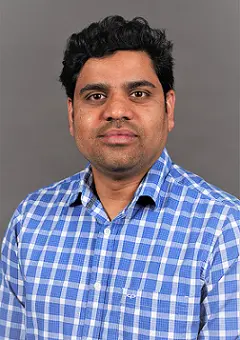
Dr. Thirupathi Ravula
University of Michigan, Ann Arbor, Biophysics Program and Department of Chemistry
<p>Dr. Thirupathi Ravula received his PhD in nanoscience from the Indian Institute of Science. After his postdoctoral training at the University of Michigan, he joined as an associate scientist in NMRFAM at the University of Wisconsin-Madison. His research focuses on the molecular materials involving in the self-assembly of lipids and polymers. Polymer-based nanodiscs are valuable tools in biomedical research that can offer detergent-free solubilization of membrane proteins maintaining their native lipid environment. His expertise includes the synthesis of polymers that forms lipid nanodiscs. Major research contributions include the development of various types of polymer-based nanodiscs for the structural studies of membrane proteins using NMR.</p>

Dr Mansoore Esmaili
McGill university, Montreal, Canada
<p>Dr. Mansoore Esmaili received her undergraduate (cell and molecular biology) and Master's degree in Biochemistry at the University of Tehran. She later received her PhD from the University of Alberta. She is currently a postdoctoral researcher at McGill University.</p> <p> </p>
Collection Overview
Unlike cytosolic proteins, membrane proteins (MPs) are embedded within the plasma membrane and the lipid bilayer of intracellular organelles. MPs serve in various cellular processes and account for over 65% of the current drug targets. The development of membrane scaffold proteins (MSP)-based nanodiscs has facilitated the accommodation of synthetic lipids to stabilize MPs. Moreover, bio-inspired synthetic polymers present an invaluable tool for the excision and liberation of superstructures of MPs and their surrounding annular lipid bilayer in the nanometric discoidal assemblies. The unprecedented range of membrane proteins (some with up to 24 transmembrane helices) from various sources have been reconstituted into nanodiscs, and both their conformational dynamics and interactions have been studied by cryo-electron microscopy (cryo-EM), solution-state, and solid-state nuclear magnetic resonance spectroscopy (NMR), X-ray crystallography, small-X-ray scattering (SAXS), and native mass spectrometry. In this collection, we will address how various biophysical approaches are utilized to characterize membrane protein assemblies and their interactome in nanodiscs.
Articles

A Technique for Stabilizing Membrane Proteins in Nanodiscs
0 Views
•
2026
•
1College of Biology, Hunan University, 2State Key Laboratory for Conservation and Utilization of Subtropical Agro-bioresources, College of Life Science and Technology, Guangxi Key Laboratory for Sugarcane Biology, Guangxi University, 3Jinshan Hospital, Zhongshan Hospital, Institute for Translational Brain Research, State Key Laboratory of Medical Neurobiology, MOE Frontiers Center for Brain Science, Fudan University