
Guest Editors
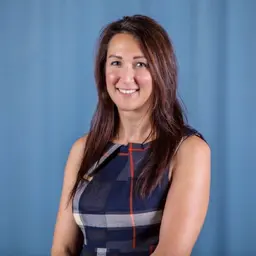
Shareen Doak
Swansea University
<p>Shareen Doak is a Professor of Genotoxicology and Cancer in Swansea University Medical School where she leads the <em>In Vitro</em> Toxicology Group. Shareen is a UK and EUROTOX Registered Toxicologist, an invited Fellow of the Royal Society of Biology (FRSB) and an elected Fellow of the Learned Society of Wales (FLSW).</p> <p>Shareen sits on the UK Government Committee on Mutagenicity (COM), and is the Nanomaterials Working Group Co-Leader for the International Genetic Toxicology Technical Committee (GTTC). She is also Editor-in-Chief for <em>Mutagenesis</em>.</p> <p>Shareen Coordinates the €13Million H2020 PATROLS project (<a href="http://www.patrols-h2020.eu" style="text-decoration-line: none;">www.patrols-h2020.eu</a>) and is Director of the €12Million Celtic Advanced Life Science Innovation Network (CALIN), an Ireland-Wales INTERREG operation established to build an innovation bridge between Wales and Ireland in life sciences (<a href="http://www.calin.wales" style="text-decoration-line: none;">www.calin.wales</a>).</p> <p>Shareen’s research interests focus on the genotoxic profiles of engineered nanomaterials, the mechanisms underlying their DNA damaging potential and subsequent consequences upon human health. Her interests extend to the development of advanced 3D culture models and mechanism-based bioassays for safety assessment to reduce the need for animal testing. While her prostate cancer research focuses on understanding the molecular basis of progression to invasive, aggressive disease; with the ultimate aim of identifying a prognostic biomarker panel for improved clinical management of patients.</p> <p> </p>
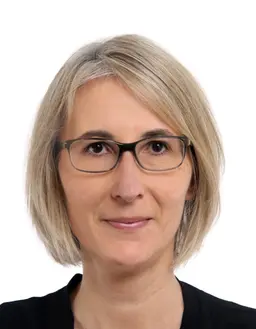
Barbara Rothen-Rutishauser
University of Fribourg
<p>Prof. Dr. Barbara Rothen-Rutishauser has received her doctorate in cell biology from the Swiss Federal Institute of Technology (ETH) in Zurich in 1996. From 1996 to 2000 she was a postdoctoral fellow in Biopharmacy at the Institute of Pharmaceutical Sciences, ETHZ, and in 2000 she joined Prof. Peter Gehr’s research group at the University of Bern, Switzerland as a postdoc. After being promoted to group leader in 2006 she completed her habilitation in cell biology in 2009. B. Rothen-Rutishauser is an expert in the field of cell-nanomaterial interactions in the lung, with a particular focus on 3D tissue models, e.g. lung, and nanomaterial aerosol exposures. Since 2011 she is the new chair in BioNanomaterials at the Adolphe Merkle Institute, University of Fribourg, Switzerland, the position is shared equally with Prof. Alke Fink. The activities of the research group cover many areas, from material synthesis and characterization to biological responses and hazard assessment. Prof. Rothen-Rutishauser has published more than 250 peer-reviewed papers and is an associate editor of the journal “Particle and Fibre Toxicology”.</p> <p> </p>
Collection Overview
There is a need to provide hazard assessment tests for the early stage of development in pharmaceutical, cosmetic, and chemical industries to support both product selection, and later, regulatory approvals. This can be more challenging for products based on nanomaterials as their behavior in biological compartments can differ from traditional chemical compounds. Therefore, intensified efforts have been made during recent years towards a systematic development and evaluation of innovative and more reliable non-animal models. The variety of in silico and in vitro methods is broad and range from physiologically based pharmacokinetic modeling, to two-dimensional (2D) cell cultures, and to increasingly complex 3D cell cultures and co-cultures representing a more realistic physiological situation. The focus of this special issue will be to show how such advanced models can be reproducibly generated, characterized and applied for nanomaterial hazard assessment purposes.
Articles


An Air-liquid Interface Bronchial Epithelial Model for Realistic, Repeated Inhalation Exposure to Airborne Particles for Toxicity Testing
0 Views
•
Cited by 45
•
2020
•

