
Guest Editors

Maria Cimini
Temple University
<p>I am a researcher with a strong interest in the interaction between progenitor cells and immune cells in cardiovascular physiopathology. During my BS and MS degrees, I studied with old fashion approaches the histo-pathology of the heart, the lymphatic system and progenitor cells phenotype using transmission electron microscopy. I had the fortune to be guided and taught about histology and microscopy in all the details. After my master's degree, I wanted to peruse my scientific carrier with a very competitive international PhD program and I choose to improve my skills working as a pre-doctoral fellow at Harvard University in order to be competitive during my graduate studies. It was very important to me to became independent, to be able to troubleshoot and most important skillful. In the course of my pre-doctoral career, I have acquired extensive expertise on the mechanism of neo-lymphangiogenesis during the scar formation in the infarcted heart and I investigated the novel role of the lymphatic vessels in the cardiac progenitor cells trafficking after myocardial infarction. During this study, I noticed, by serendipity, that the glycoprotein podoplanin, a specific lymphatic endothelial cell marker was expressed with an unexpected heterogeneity, thus, during my PhD I investigated and characterized the cell populations that acquire podoplanin after myocardial infarction in a time-dependent manner. As early as I begin my PhD program I established my line of research and I published the characterization of podoplanin positive cells. Continuing on the same topic I focused my attention on cellto-cell communication and during my first year of post-doc I published my findings regarding the interactome between podoplanin positive cells and podoplanin binding cells. At the present I am investigating the paracrine communication of podplanin positive cells; my proposed study has multiple innovative components, I am looking for the first time at different prospective the role of exosomes derived from progenitor cells that have been always described to improve organs function. These studies open a new line of investigation extending beyond known pro-reparative properties and are thus novel with significant implication for therapies.</p>
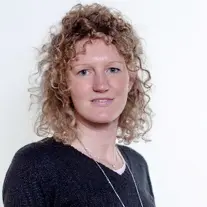
Valentina Paloschi
Technische Universität München, DE, Klinik und Poliklinik für Vaskuläre und Endovaskuläre Chirurgie
<p>Dr. Valentina Paloschi is a research scientist specialized in molecular and cellular biology in diverse fields with 10+ years of experience in top academic institutions in Italy, Sweden, and Germany. Her background combines molecular disciplines (Biotechnology, Biology, and Pharmacology) with clinical research (Cardiovascular Diseases). In her research, she has a strong translational approach with a focus on new technologies as a tool to gain insights into disease-mechanisms. In this perspective, she has developed an expertise in Organ-on-Chip research-area with established collaborative and interdisciplinary projects between scientists in academia and in the biotech industry. She has also led and coordinated collaborative projects with researchers and clinicians within academia and hospitals. She is a very skilled scientific communicator as evidenced by 14 publications in peer-reviewed journals, numerous presentations at international conferences and increasing experience in teaching and mentoring of medical and biomedical students.</p>
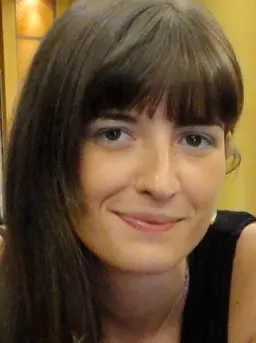
Silvia Fittipaldi
University of Bologna
<p>Dr. Silvia Fittipaldi is a Molecular and Cellular Biologist with a PhD in Clinical Medicine and Surgery. During the last 10 years, she developed her scientific career in industry (Johnson & Johnson, France, Eli Lilly Research Center, UK and Fluics, Germany), academia (Massachusetts Institute of Technology, USA and University of Bologna, Italy) as well as in the public healthcare system (S. Orsola-Malpighi University Hospital, Italy). Of French and Italian mother tongues and fluently speaking English, she always had a passion for languages and also studied Spanish and German. Based on her international background, she is very dedicated to facilitating data dissemination and paper writing. Currently working as a research grant manager at the University of Bologna, Italy, her major scientific areas of interest are, cardiovascular disease, stem cell growth during atherogenesis, hepatocarcinoma subclassification with a strong background in molecular diagnostics pathology and cancer biomarkers identification. These studies have been published in major journals including Scientific Reports (Nature Research), Oncotarget, Histopathology, Journal of Endovascular Therapy and BMC Cancer, among others.</p>
Collection Overview
The origin of carotid atherosclerotic plaque is still under debate. Plaque progression depends on multiple mechanisms: (1) arterial beds’ heterogeneity, (2) blood - vessel hemodynamics, (3) vessel regeneration, (4) inflammation, (5) lipid accumulation, (6) apoptosis, and (7) thrombosis/angiogenesis (highly related to plaque vulnerability). Together with cell and protein analysis, the different genomic and epigenetic miRNA-mRNA axes in carotid plaques (associated with their histological patterns) can shed light on the use of novel diagnostic markers, suggestive of plaque evolution. The development of new molecular techniques (together with standard histology, digitalization and artificial intelligence) could give quantifiable information on the content of plaques as well as help clarify the processes during atherosclerosis, in order to discover novel treatment and detection methods. These mechanism impacts on the study of anti-proliferative drug coating eluted stent and their effectiveness on cellular proliferation.
This collection comprehends but is not limited to: (1) new methods to study plaque cell, protein and mRNA content (including new imaging and artificial intelligence modalities), (2) histopathological analysis extended to difficult tissue retrieval (e.g. calcified areas), and (3) quantification of angiogenesis. Certainly the development and divulgation of novel approaches relating to tissue analysis are pertinent to a vast range of pathologies and affect the clinical guidelines for diagnosis at all levels.
Editorial

Articles

Predicting Amputation using Local Circulating Mononuclear Progenitor Cells in Angioplasty-treated Patients with Critical Limb Ischemia
0 Views
•
Cited by 3
•
2020
•
Juan Antonio Suárez-Cuenca1, Eduardo Vera-Gómez1, Alejandro Hernández-Patricio1, Atzín Suá Ruíz-Hernández1, Juan Ariel Gutiérrez-Buendía1, Carlos Ramiro Zamora-Alemán1, Alberto Melchor-López1, Yasser Alberto Rizo-García2, Oscar Antonio Lomán-Zúñiga2, Ignacio Escotto-Sánchez2, Juan Miguel Rodríguez-Trejo2, Rebeca Pérez-Cabeza de Vaca3, Mario Antonio Téllez-González3, Paul Mondragón-Terán3
1Experimental Metabolism and Clinical Research Laboratory, Clinical Research Department, Division of Biomedical Research, Centro Médico Nacional 20 de Noviembre, ISSSTE, 2Vascular Surgery and Angiology Department, Centro Médico Nacional 20 de Noviembre, ISSSTE, 3Regenerative Medicine and Tissue Engineering Laboratory; Coordination of Research, Centro Médico Nacional 20 de Noviembre, ISSSTE


Optimized High Quality DNA Extraction from Formalin-Fixed Paraffin-Embedded Human Atherosclerotic Lesions
0 Views
•
Cited by 4
•
2021
•
1Department for Vascular and Endovascular Surgery, Klinikum rechts der Isar, Technical University Munich, 2partner site Munich Heart Alliance, Deutsches Zentrum für Herz-Kreislaufforschung (DZHK), 3Department of Vascular Surgery, University Hospital Zurich, 4Department of Experimental Cardiology, German Heart Centre, Technical University Munich

Role of Diffusion MRI Tractography in Endoscopic Endonasal Skull Base Surgery
0 Views
•
Cited by 3
•
2021
•
Matteo Zoli*1,2, Lia Talozzi*2, Micaela Mitolo3, Raffaele Lodi2,4, Diego Mazzatenta*1,2, Caterina Tonon*2,3
1IRCCS Istituto delle Scienze Neurologiche di Bologna, Center for the Diagnosis and Treatment of Hypothalamic-Pituitary Diseases - Pituitary Unit, 2Department of Biomedical and NeuroMotor Sciences, University of Bologna, 3IRCCS Istituto delle Scienze Neurologiche di Bologna, Functional and Molecular Neuroimaging Unit, 4IRCCS Istituto delle Scienze Neurologiche di Bologna
