This video demonstrates the procedure for performing electroconvulsive therapy in a human patient, highlighting the stimulation process and assessing seizure activity through pupillary response.
A subscription to JoVE is required to view this content. Sign in or start your free trial.
Method Article
Performing Electroconvulsive Therapy and Assessing Seizure Efficacy via Pupillary Response
1.7K views
⸱
August 29th, 2025
In This Article
Abstract
Protocol
All procedures involving human participants have been performed in compliance with the institutional, national, and international guidelines for human welfare and have been reviewed by the local institutional review board.
1. Electroconvulsive Therapy Procedure
1. Conduct electroconvulsive therapy (ECT) via bitemporal electrode stimulation using an ECT instrument. Set the initial electrical stimulus dose (%) at half the value of each individual’s age.
NOTE: Maximum stimulus dose is 100%. The electrical stimulation time is about 7-8 s.
2. Immediately after electrical stimulat....
Access restricted. Please log in or start a trial to view this content.
Results
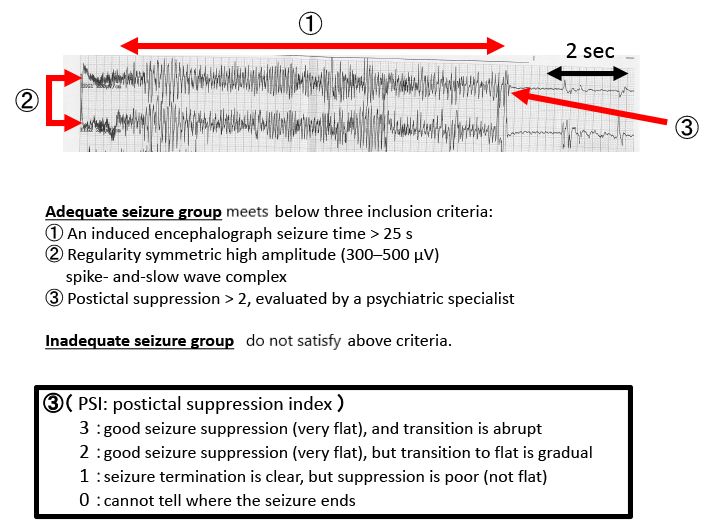
Figure 1. Electroencephalogram (EEG) results during a typical seizure.
Access restricted. Please log in or start a trial to view this content.
Materials
| Name | Company | Catalog Number | Comments |
|---|---|---|---|
| Npi-100/automated infrared pupillometer | NeurOptics | ||
| Electroencephalogram (EEG) | Somatics Inc. | ECEF-4 | |
| Npi-200/automated infrared pupillometer | NeurOptics |
