This video demonstrates the induction of an acute electroconvulsive seizure (ECS) in a rat model to study seizure-induced neuroplasticity. Researchers apply electrical stimulation via ear-clip electrodes, triggering neuronal hyperexcitability and clonus. This model helps investigate synaptic plasticity, seizure mechanisms, and electroconvulsive therapy (ECT)-related therapeutic effects.
A subscription to JoVE is required to view this content. Sign in or start your free trial.
Method Article
Inducing an Acute Electroconvulsive Seizure in a Rat Model
908 views
⸱
June 17th, 2025
In This Article
Abstract
Protocol
All procedures involving animal models have been reviewed by the local institutional animal care committee and the JoVE veterinary review board.
1. Induction of Acute ECS
NOTE: See Figure 1B, top panel.
- Wet the ear clips with sterile saline and ensure that they are saturated.
- Wet a rat's ears with sterile saline by wrapping them in saline-soaked gauze. Once they are wet, remove the gauze.
- Attach one clip per ear and position beyond the main cartilage band.
- Confirm on the ECS machine that a true loop is established; if not, an error message or a reading of "1" will appear on the machine.
- Wear a thick, non-metal glove. While holding the rat gently in a gloved hand, press the "SHOCK" button for a few seconds and slowly release the grip on the rat to observe the seizure. For the sham "no seizure" (NS) control, handle the rat identically, but do not deliver the current.
- Disconnect the ear clips as clonus begins and record the seizure behavior according to a revised Racine's scale that includes "mouth and facial movements" (stage 1), "head nodding" (stage 2), "forelimb clonus" (stage 3), "rearing with forelimb clonus" (stage 4), and "rearing and falling with forelimb clonus" (stage 5). The seizure should last approximately 10 s; record the seizure duration using a timer.
- Following seizure termination, return the rat to its home cage. Monitor the rat for another 5 min to make sure of the recovery of the rat from the seizures. Keep it singly housed in the cage and return the cage to the recovery room.
- Repeat the ECS induction on the next rat.
- Monitor the rats throughout the remainder of the day and at least once in the morning and once in the afternoon the following day until they are euthanized for experiments.
NOTE: The ECS induction method could lead to clinical signs as an incidental side effect, which requires attention. For example, the ECS induction protocol could induce seizures that last longer than 15 s and cause unnecessary distress to the rats. In this case, terminate the seizure using diazepam (10 mg/kg, i.p.) or pentobarbital (25 - 30 mg/kg, i.p.). If the rats develop respiratory distress or severe behavioral abnormalities following seizure cessation, euthanize them by carbon dioxide inhalation followed by decapitation.
Access restricted. Please log in or start a trial to view this content.
Results
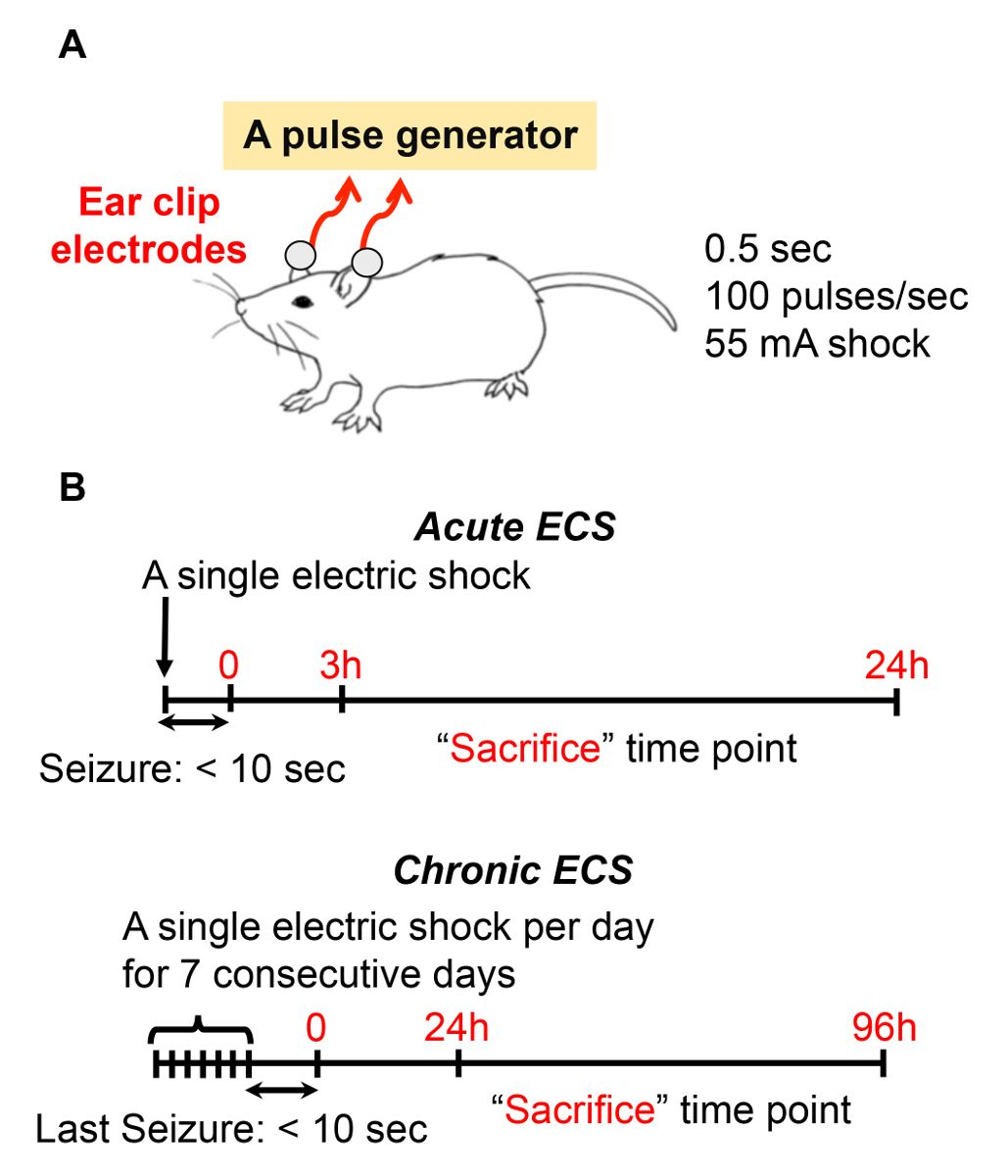
Figure 1: Schema for the Induction of Acute ECS and Chronic ECS. (A) A rat was con...
Access restricted. Please log in or start a trial to view this content.
Materials
| Name | Company | Catalog Number | Comments |
|---|---|---|---|
| Sprague-Dawley rat | Charles River Laboratories | ECS supplies | |
| A pulse generator | Ugo Bsile, Comerio, Italy | 57800 | ECS supplies |
