
Guest Editors
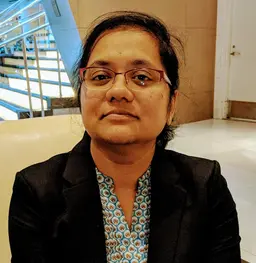
Soumita Das
University of California San Diego, School of Medicine, Department of Pathology
Dr. Soumita Das’s research program involves understanding the three-way cross-talk between gastro-intestinal epithelial cells, immune cells, and microbe/microbial products (beneficial as well as pathogenic). Her expertise lies in microbial pathogenesis, host innate immune responses, and human and animal models of infection and inflammation. She has been working on the host-microbe interactions of gastroenteric infection for more than 15 years and her research experience includes identification of Vibrio cholerae transcripts following infection, gastric epithelial cell responses and the cross-talk between luminal antigen and T cells during Helicobacter pylori infection; the interaction between gut microbes and host engulfment pathway in macrophages that affects the host immune responses and chronic inflammatory diseases. In collaboration, in collaboration she has also examined the effect of smoking and vaping on the heart and lungs. For the last eight years, she is involved in the research-training program with undergraduate, graduate students, and postdoctoral fellows. Her lab recently developed the organoid-in-a-dish model comprising epithelial cells, immune cells, and microbes that can be utilized to identify biomarkers and to screen drugs for infection and inflammatory diseases. The core expertise of her lab is biochemistry, epithelial biology, microbiology, and mucosal immunology. In collaboration with UCSD faculty members, they have also initiated the HUMANOID™ CoRE, a Human organoid-based Center of Research Excellence at UC San Diego, where Dr. Das is the Faculty Director. Her lab expertise lies in the isolation of primary cells from tissues, generation of organoids from tissue-derived adult stem cells, and their subsequent use in the creation of polarized monolayers (resembling the epithelial barrier in physiology) for use in disease modeling. For example, to model a disease accurately, organoids in 3D or as monolayers are often co-cultured with microbes (bacteria or viruses) that are associated with chronic diseases, with/without stromal (fibroblast, endothelial cells, etc.) and immune cells.
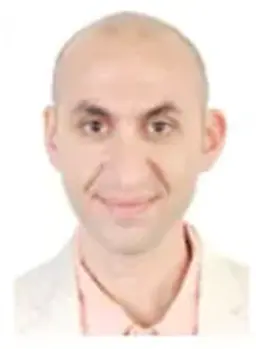
Ibrahim M. Sayed
University of California San Diego, School of Medicine, Department of Pathology and Assiut University, Faculty of Medicine, Department of Medical Microbiology and Immunology, Egypt
Dr. Ibrahim M Sayed has a background in the field of microbiology, virology, immunology, cancer biology, molecular and cell biology with analytical and technical skills that has enabled him to involve in various projects. He has good experience in working with in vivo animal models. He was involved in the development of human liver chimeric mouse model for studying the pathogenesis of viral hepatitis. During his postdoctoral training, he developed stem-cell-based organoid model from IBD patients/ genetically predisposed CRC patients (FAP, lynch, JPS and PJS) for the development of new therapeutic strategies and studying the role of microbial sensors in the pathogenesis of IBD and CRC. In addition, he developed 3D organoid models from colon, ileum, stomach, pancreas, and lung of healthy human and murine models to study the pathogenesis of cancer producing pathogens such as H.pylori and Fusobacterium nulceatum in this model. Recently Dr. Sayed was involved in studying the pathogenesis of COVID 19 in 3D lung organoids.
Collection Overview
The gut lining is the largest mucosal surface that separates diverse stressors (trillions of microbes, toxins, food antigens) on one side from the largest immune system on the other. The gut lining is a critical frontier that keeps the microbes out; a compromised gut barrier allows microbes and unwanted antigens to cross the epithelium and generate inflammation, which may contribute to increased cytokine production with consequent several chronic and metabolic disorders such as insulin resistance (IR)/diabetes, obesity, atherosclerosis, aging and colorectal carcinoma. Administration of nutritional supplements, probiotics and/or prebiotics can help in maintaining the gut barrier integrity and thus reduce the risk of the previous diseases. Gut barrier integrity can be assessed by measurement of the degree of epithelial tight junctions and transepithelial electrical resistance (TEER). There are several in vivo and in vitro model systems that can be used to assess the gut barrier integrity, interaction of epithelial and immune cells following exposure to microbes and environmental toxicants. These systems would be beneficial for studying the cause of inflammation and chronic disease.
The aim of this collection is to encourage videos involving the model systems/ techniques used to assess gut barrier integrity, interaction of microbes with gut epithelium and immune cells to understand the role of cellular homeostasis to control the onset of chronic diseases.
Articles

Assessment of Gut Barrier Integrity in Mice Using Fluorescein-Isothiocyanate-Labeled Dextran
0 Views
•
Cited by 22
•
2022
•
1Nutrition and Microbiome Laboratory, Institut du cancer de Montréal, Centre de recherche du Centre hospitalier de l’Université de Montréal (CRCHUM), 2Digestive Surgery Service, Centre hospitalier de l’Université de Montréal (CHUM), Faculty of Medicine, Université de Montréal, 3Department of Medicine, Faculty of Medicine, Université de Montréal

Abstracts
HistoGel embedding of patient-derived organoids for histological staining
Soumita Das*1,
Ibrahim M. Sayed*1,
Joshua Alcantara2
1Department of Pathology, School of Medicine, University of California San Diego.,
2Department of Cellular and Molecular Medicine, University of California San Diego, La Jolla, CA 92093, USA