Guest Editor

Collection Overview
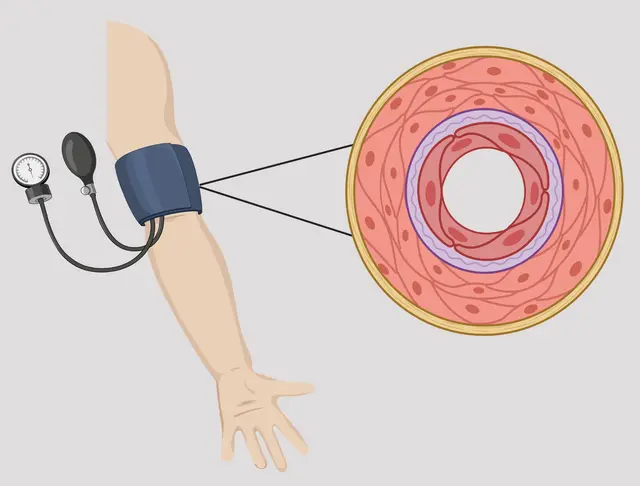
Vascular remodeling consists of changes in the structure of resistance vessels and is responsible for the development and progression of cardiovascular diseases such as hypertension, atherosclerosis, and aneurysms. Factors such as inflammation, vascular injury, oxidative stress, and vessel hemodynamics have been consistently described as components that contribute to the progression of these diseases.
Vascular remodeling occurs as a consequence of the adaptation of the arterial wall to many stimuli. In this fashion, vascular cells are exposed to the most diverse types of stimuli (cytokines, chemokines, and growth factors) and trigger different signals (autocrine, juxtacrine, intracrine, or paracrine), that will be transmitted by other cells and will influence the environment where they are inserted. This intense molecular dynamic has as a consequence the alteration of cell phenotypes, characterized by abnormal proliferation and migration and apoptosis of vascular smooth muscle cells (VSMC). For example, hypoxic microenvironments stimulate biochemical and functional changes related to metabolic reprogramming and genetic modifications related to cell survival. In addition, hypoxic exposure induces a local inflammatory response and recruited circulating progenitor and inflammatory cells contribute significantly to the structural remodeling and persistent vasoconstriction. The molecular dynamics induced by different vascular remodeling stimuli is a highly complex process where several interactive events must be considered in the search for more effective therapeutic interventions.
