Guest Editor

Collection Overview
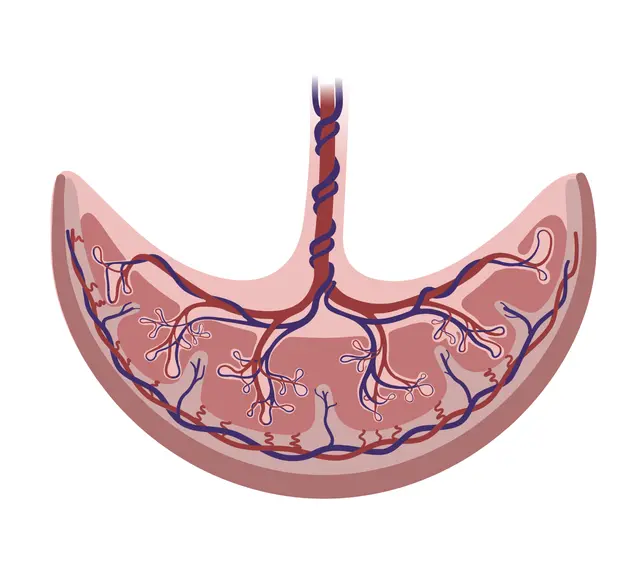
The placenta is potentially the most vital organ of the body, its correct development and performance are essential to support fetal growth and, consequently, crucial for the development of every organ in the body. It functions to ensure the fetus is supplied with oxygen and nutrients, as well as operating as a waste disposal system and protective barrier. For such a crucial organ, there are still numerous questions about its development, function, and dysfunctions. Many gestational complications are underpinned by placental anomalies, such as pre-eclampsia, fetal growth restriction, miscarriages, and still-birth. Additionally, there is mounting evidence that the placenta can impact the life-long health and disease predispositions of the offspring due to directing fetal development in utero. To increase our understanding of pregnancy complications and the associated poor offspring outcomes, it is necessary to determine precisely how the placenta is established, its normal and abnormal functions, and how its role changes over gestation. The aim of this methods collection is to compile techniques used for examining placental function both in vivo and ex vivo and to emphasize the use of cutting-edge technology and imaging methods that enable a thorough examination of the development of this unique organ.
Articles


Ex Vivo Placental Explant Flow Culture - Mimicking the Dynamic Conditions In Utero
0 Views
•
Cited by 2
•
2023
•

Disruption of the Mouse Blood-Brain Barrier by Small Extracellular Vesicles from Hypoxic Human Placentas
0 Views
•
Cited by 8
•
2024
•
Hermes Sandoval*1, José León*1,2, Felipe Troncoso1, Valeria de la Hoz3, Aaron Cisterna3,4, Moisés Contreras1, Fidel O. Castro5, Belén Ibañez1, Jesenia Acurio1, Carlos Escudero1,6
1Vascular Physiology Laboratory, Department of Basic Sciences, Universidad del Bío-Bío, Chillan, 2Nursery School, Health Faculty, Universidad Santo Tomás, Los Angeles, 3Obstetrics and Gynecology Department, Herminda Martin Clinical Hospital, Chillan, 4Faculty of Medicine, Universidad Católica de la Santísima Concepción, Concepcion, 5Laboratory of Animal Biotechnology, Department of Animal Science, Faculty of Veterinary Sciences, Universidad de Concepción, Chillan, 6Group of Research and Innovation in Vascular Health (GRIVAS Health), Chillan