
Guest Editors
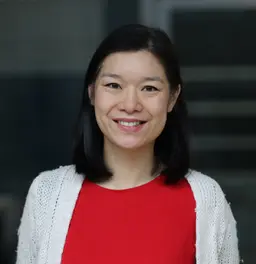
Dora Tang
Max Planck Institute for Molecular cell Biology and Genetics; University of Saarland, Department of Synthetic Biology
Dora Tang received her PhD from Imperial College London in the area of Membrane biophysics and did two post-docs at the University of Bristol. The first was in the area of Origin of Life and the second in Synthetic Biology as part of the BrisSynBio. In 2016, she started her independent research lab at the Max Planck Institute for Molecular Cell Biology and genetics, in Dresden as part of the MaxSynBio. In 2023, she became professor in Synthetic Biology at the University of Saarland, Germany. She runs a interdisciplinary research programme with the overarching goal to build living systems from a minimal number of parts using bottom up approaches. To do this, she integrates, compartments, reactions and communication to construct synthetic cellular systems that can support and sustain out-of-equilibrium behaviour. Her lab uses a variety of methods and techniques from soft matter self-assembly to cell free methods and quantitative biophysical characterization to construct and characterize synthetic cellular systems. This provides the capability to unravel the physico-chemical principles of living systems to address questions in the origin of life, in modern biology and in engineering.

Kristina Ganzinger
NWO physics institute AMOLF
After studying biochemistry and biophysics at Technische Universität München (DE), Kristina received her PhD in physical chemistry from the University of Cambridge (UK) in 2015, under the guidance of Sir Prof. David Klenerman. After a postdoc at the Max Planck Institute for Biochemistry (Martinsried, GER) with Prof. Petra Schwille, she began her current position as tenure-track group leader at the NWO physics institute AMOLF (Amsterdam, NL) in 2018. Her main aim is to unravel how immune cells communicate with each other, both in natural and immunotherapy contexts: how do immune cells use molecular signaling pathways to transmit, process, and respond to information, both precisely and unambiguously? Her approach is based on microscopy that pushes technical boundaries and on synthetic biology. Combining signaling pathway reconstitution with single-molecule biophysics, her work provides a mechanistic and quantitative perspective on cell signaling. The Ganzinger group’s current research addresses:Signaling pathway reconstruction: we use a hybrid in vitro-in vivo approach, interfacing in vitro cell surface models with immune cells.Engineering signaling pathways: Her group pushes the application of the same biophysics approach to understand the man-designed signaling networks in immunotherapeutics against cancer.Signaling in synthetic cells: Her groups develops methods for the in vitro reconstitution of signaling molecules in lipid vesicles, the groundwork for her goal to develop synthetic cells that communicate with each other and with living cells. Her group is passionate about open access science and sharing methods, for example via github (see https://github.com/GanzingerLaband https://ganzingerlab.github.io/K2TIRF/index.html) and detailed method papers.
Collection Overview
Artificial cell synthesis is an emerging interdisciplinary research field that brings together synthetic biologists, chemists, biologists, physicists, and biochemists toward the exciting goal of building living synthetic cells from scratch with potential applications in living materials, drug delivery, the origin of life, and as minimal models for biological systems. However, the challenges associated with the methods in the field are to disseminate good working practices and protocols between labs and compile standard protocols that would be of use to the growing community. The field encompasses a variety and broad range of protocols that span disciplines, and video methods can be very effective in allowing this range of protocols to be disseminated.
The aim of this Methods Collection is to collate standard protocols that are typically used within the field and can be shared between labs around the world. The topics of interest include:
- Fabrication: Compartments and sub-compartments, inter and intracellular communication, 3D printing, microfluidics, and encapsulation
- Bio-inspired cell-free technologies: RNA synthetic biology, DNA nanotechnology, transcription and translation, and inorganic materials
- Features of syn cell: Metabolism, energy generation and maintenance, lipid synthesis, fusion/ fission, and syn cell characterisation
- Control: Optogenetics, cell-free gene circuits, and microfluidics
The community will benefit from this collection, which provides a set of standard protocols for establishing good working practices and can also serve as teaching material for those who wish to establish synbio courses for undergraduates. Here is a list of Synthetic Cell Research articles previously published in JoVE.
Articles


Reconstitution of the Bacterial Glutamate Receptor Channel by Encapsulation of a Cell-Free Expression System
0 Views
•
Cited by 1
•
2024
•
1Neuroscience Program, University of Michigan, Ann Arbor, 2Cellular and Molecular Biology Program, University of Michigan, Ann Arbor, 3Department of Mechanical Engineering, University of Michigan, Ann Arbor, 4Department of Biomedical Engineering, University of Michigan, Ann Arbor, 5Department of Biophysics, University of Michigan, Ann Arbor

