Guest Editors
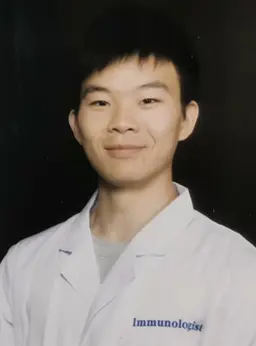
Liangbin Lin
The Third People's Hospital of Chengdu, Southwest Jiaotong University
Dr. Liangbin Lin is an assistant research fellow in immunology at the Affiliated Hospital of Southwest Jiaotong University, the Third People's Hospital of Chengdu. His research focuses on the cGAS-STING pathway and antiviral immunity, T cells and tumor immunity, ubiquitination modifications and autoimmune diseases. His research has been published in journals such as Science Signaling, Signal Transduction and Targeted Therapy, Cell Discovery, and Frontiers in Immunology. Dr. Lin received his Bachelor of Science degree in Applied Chemistry from Sichuan Agricultural University, his Master of Science degree in Biochemistry and Molecular Biology from Sichuan University, and his Doctor of Philosophy degree in Cell Biology from Sichuan University.
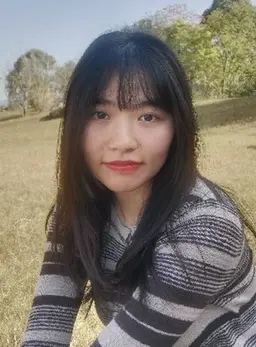
Hui Yu
The Third People's Hospital of Chengdu, Southwest Jiaotong University
Hui Yu, Ph.D., completed her doctoral degree in Medicine at Sichuan University and is currently a postdoctoral researcher at the Affiliated Hospital of Southwest Jiaotong University, the Third People's Hospital of Chengdu. Her research focuses on the regulatory mechanism of non-canonical NF-κB signaling pathways and ubiquitination in autoimmunity. Hui Yu made contributions to the understanding of the regulatory mechanisms behind the noncanonical NF-κB signaling pathway. Her comprehensive review on the NF-κB signaling pathway has garnered widespread acclaim, amassing over 800 citations.
Wenyong Yang
The Third People's Hospital of Chengdu, Southwest Jiaotong University
Dr. Wenyong Yang is an assistant researcher at Chengdu Third Hospital affiliated with Southwest Jiaotong University. He received his Ph.D. in Biochemistry and Molecular Biology from Sichuan University in 2021 and his bachelor's degree in Biotechnology from Sichuan University in 2015. Dr. Yang has expertise in cancer research, immunology, and redox regulation. He is currently the principal investigator of a National Natural Science Foundation of China (NSFC) Youth Project investigating the molecular mechanisms by which PSAT1 promotes chemoresistance in colorectal cancer through modulating mitochondrial function (2024-2026, RMB 300,000). Previously, he participated in an NSFC project studying the role of HIV Tat protein in activating the YAP1 signaling pathway and regulating metabolic reprogramming in Kaposi's sarcoma (2019-2022, RMB 540,000). Dr. Yang has published multiple peer-reviewed articles in prestigious journals such as Small, Cellular & Molecular Immunology, Scientific Reports, and Frontiers in Immunology. Notably, he is a co-corresponding author on a 2023 Small paper, a co-first author on papers in Cellular & Molecular Immunology (2022) and Scientific Reports (2024), as well as a co-first author on articles in Frontiers in Immunology (2020) and Drug Development Research (2014). His research interests lie in elucidating molecular mechanisms underlying cancer progression, metastasis, and chemoresistance, with a focus on redox regulation, immunology, and mitochondrial function. Dr. Yang's interdisciplinary work spans biochemistry, molecular biology, and cancer research.
Jingwen Jiang
West China School of Public Health and West China Fourth Hospital, Sichuan University
Dr. Jiang obtained her doctoral degree in Biochemistry and Molecular Biology from Sichuan University. Currently, she is an associate researcher at the West China School of Public Health, Sichuan University. Dr. Jiang's primary research focuses on elucidating the mechanisms underlying tumor metabolism and identifying potential drug targets. Her work contributes to advancing our understanding of the complex metabolic processes that drive cancer progression and developing novel therapeutic strategies.
Collection Overview
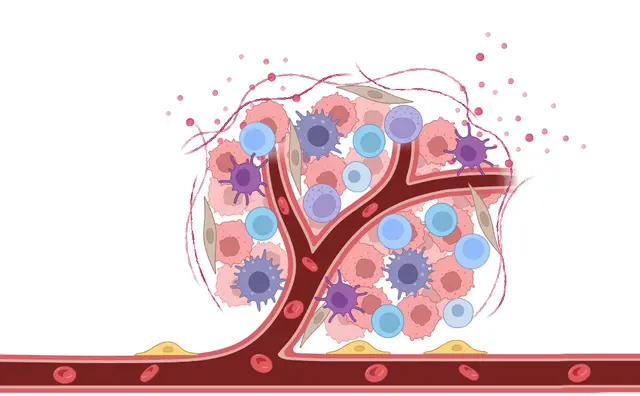
The tumor microenvironment (TME) is a complex ecosystem involving intricate interactions between tumor cells and various immune cell subsets, including T cells, B cells, and myeloid cells. These immune components are pivotal in shaping the anti-tumor immune response, tumor progression, and therapeutic outcomes. However, our understanding of their precise functional contributions remains incomplete. This Methods Collection will provide comprehensive state-of-the-art techniques for investigating the functions of these immune components within the TME. It will cover isolation and purification strategies for specific immune cell subsets, functional assays to assess their cytotoxic potential, cytokine profiles, and regulatory functions. Additionally, it will explore techniques to evaluate the antigen-presenting capabilities, antibody production, and immune-modulatory roles of B cells, as well as methods to characterize the phenotypic and functional heterogeneity of myeloid cells. We also aim to cover in vivo tumor models, advanced imaging approaches, and bioinformatics pipelines for multi-omics data integration. By providing detailed protocols and expert insights, this collection aims to equip researchers with tools to unravel the intricate functions of immune cells in the TME, advancing the development of effective cancer immunotherapies.
Articles


Collection of Naturally Released Exosomes from Tumor Tissue
0 Views
•
2025
•
Jiang Yao*1, Ping Wu*2, Qiujing Du1, Yong Qing3, Junliang Wu3, Wenhan Zhao1, Shanshan Du1, Qijie Li1
1Medicine and Engineering Interdisciplinary Research Laboratory of Nursing & Materials, West China Hospital, Sichuan University/West China School of Nursing, Sichuan University, 2Department of Occupational Diseases, The Second Affiliated Hospital of Chengdu Medical College Nuclear Industry 416 Hospital, 3Department of Plastic and Burn Surgery, West China School of Medicine, West China Hospital, Sichuan University

Abstracts
Extraction of Bone Marrow Mononuclear Cells
min Zhang1,
lili Wang1,
houyu Zhao1,
kelei Zhao1,
xiaohan Yuan1,
lulu Xu1,
yi Luo1,
yanting Liu1,
yinghua Ji*1,
ping Lu*1
1The first affiliated Hospital of Xinxiang Medical College