
Guest Editors
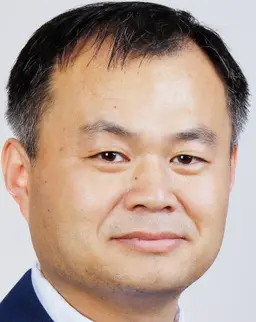
Zhaoxin Wang
East China Normal University
Dr. Wang is currently an associate professor of cognitive neuroscience in East China Normal University. He received his B.S and Ph.D. degree from School of Life Science at the University of Science and Technology of China. He used to be a PostDoc at the Shantou University of China and the Hong Kong University.
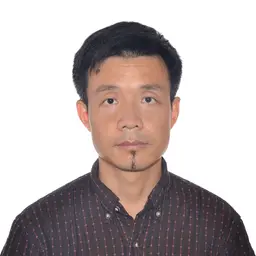
Junling Gao
The University of Hong Kong
Dr. Junling Gao received his Bachelor of Clinical Medicine in Tongji Medical College, Huazhong University of Science & Technology, Mainland China. He had five years of clinical experience in cerebrovascular disease. He got his Master's Degree in Neurorehabilitation in the same University. He later obtained a Ph.D. in Neurology at The University of Hong Kong (HKU), major in neuropsychology and neuroimaging, and a Master of Buddhist Studies in HKU. Dr. Gao’s research interests include using neurophysiological and neuroimaging tools to measure the activity of CNS and PNS, caused by different conditions, such as pathological change and change after training. He has published more than ten relevant journal papers. Dr. Gao currently works as a Research Officer in the Electroencephalogram Laboratory in the Centre of Buddhist Studies, The University of Hong Kong.
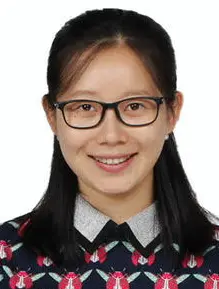
Qun Yang
Hangzhou Normal University
Dr. Qun Yang is an Associate Professor of the Psychology Department at Hangzhou Normal University. She received a Ph.D. degree in developmental and Educational Psychology from the Department of Psychology at Southwest University in China. Dr. Yang is interested in understanding the psychological functions and the neural mechanism of social judgments and decision making, particularly in moral judgments and social punishment by using behavioral and neuroscientific methods, such as ERP, fMRI. Dr. Yang was a director of two national natural science foundations of China and has published more than twenty academic papers in peer-reviewed journals.
Delin Sun
Duke University Medical Center
Dr. Delin Sun is now a research scientist in Duke University Medical Center. He is mainly investigating the neural underpinnings of Post-Traumatic Stress Disorder (PTSD) and Moral Injury. He is also interested in social neuroscience, including face recognition (expression, attractiveness and familiarity), social interaction (dishonesty, cooperation) and affective processing. His research methods include behavioral, neuroimaging (MRI/fMRI) and neurophysiological (EEG/ERP) recordings.
Collection Overview
Emotions are tightly associated with human thoughts, feelings and behaviors in various ways. Abnormal emotion processing leads to excessive or insufficient reactions, and is often accompanied by mental disorders such as anxiety, depression, post-traumatic stress disorder (PTSD), and alcohol or drug abuse. Therefore, the study of the neural correlates of human emotion processing bear important implications for fully understanding the inner mechanisms of emotion, and may contribute to the diagnosis and treatment of emotion-related mental disorders. It remains a significant challenge to non-invasively capture the neural signals of emotion in vivo, which often vary temporally and change dramatically across contexts. It also becomes increasingly important to merge findings from different modalities and through diverse analyses approaches. In this collection, we present a variety of experimental studies and methodologies for the investigation of emotion-related dynamic brain responses. The multidimensional neural responses will be recorded through the most widely-used neuroimaging and neurophysiological techniques including functional magnetic resonance imaging (fMRI), electroencephalography (EEG), and magnetoencephalography (MEG).
Articles

Evaluation of the Cognitive Performance of Hypertensive Patients with Silent Cerebrovascular Lesions
0 Views
•
Cited by 3
•
2021
•
1Department of Neurology, The First Affiliated Hospital of Wenzhou Medical University, 2Department of Medicine, The University of Hong Kong, 3Centre of Buddhist Studies, The University of Hong Kong, 4Department of Diagnostic Radiology, The University of Hong Kong, 5Research Centre of Heart, Brain, Hormone & Healthy Aging, The University of Hong Kong