1.6
Significance of Marketing

View the full transcript and gain access to JoVE Business videos
Q1: Why is marketing essential for business success beyond just having a good product?
Marketing bridges the gap between businesses and potential customers by enabling effective communication and mutual understanding. Without marketing, even excellent products remain unknown and unwanted. Marketing generates awareness, attracts customers, and fosters loyalty, ultimately driving sales and profits while establishing brand reputation and competitive advantage in the market.
Q2: How does marketing help businesses understand and serve their customers better?
Marketing conducts extensive research to comprehend target audience needs, forming the foundation for product development, pricing, and communication strategies. By identifying consumer needs through market understanding, businesses can develop products tailored to those needs. This customer-centric approach ensures that offerings align with market demands and customer preferences, enhancing overall market success.
Q3: What role does marketing play in setting prices and choosing distribution channels?
Marketing guides businesses in setting competitive prices that cover costs while reflecting perceived product value. It also informs decisions about distribution channels and product accessibility, determining whether products reach customers through physical stores, online marketplaces, or other venues. These strategic choices ensure products are available where and when customers want them.
Q4: How does marketing contribute to building and maintaining customer relationships?
Marketing employs diverse communication strategies including advertising, social media, content marketing, and public relations to maintain and strengthen customer relationships. Beyond initial acquisition, marketing implements loyalty programs and retention strategies that keep existing customers engaged. This ongoing relationship management fosters business growth while reducing customer acquisition costs.
Q5: What broader economic impacts result from successful marketing efforts?
Successful marketing boosts revenue, triggering business expansion that generates new job opportunities within companies and for collaborators like suppliers. This growth contributes significantly to tax revenues and fosters overall economic development. Marketing's impact extends beyond individual businesses to support broader economic growth and community prosperity.
Q6: How does marketing shape brand perception and competitive positioning?
Marketing shapes brand perception, establishes customer trust, and differentiates companies from competitors through strategic communication and consistent messaging. By building strong brand recognition and reputation, marketing creates competitive advantage in the marketplace. This differentiation helps businesses stand out and maintain market position against rivals.
Q7: What strategic functions does marketing perform to drive business growth?
Marketing performs multiple strategic functions including market research, customer acquisition and retention, product development guidance, pricing strategy, and distribution planning. These collective efforts work together to attract potential customers, foster loyalty, and drive sales. Understanding the evolution marketing concept consumer perspective helps businesses align their strategies with changing customer expectations and market dynamics.
Explore Related Chapters

Marketing Environment

Consumer Behaviour

Segmentation, Targeting, Positioning

Creating Customer Value: Product to Experience

Capturing Customer Value: Price to Exchange

Delivering Customer Value: Place to Everywhere

Communicating Customer Value: Promotion to Evangelism

Social Responsibility and Ethics in Marketing

Market Research

Competitive Marketing Strategies
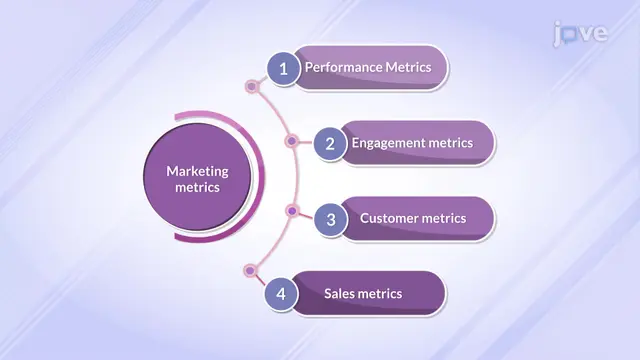
Marketing Metrics

Digital Marketing

Services Marketing

B2B Marketing

Global Marketing

Contemporary Topics in Marketing

Now Playing
1.6 : Significance of Marketing
Marketing Fundamentals
3.9K Views

1.1 : Defining Marketing
Marketing Fundamentals
31.7K Views

1.2 : Evolution of Marketing Concept - The Industrial Perspective
Marketing Fundamentals
3.3K Views

1.3 : Evolution of Marketing Concept - Consumer Perspective
Marketing Fundamentals
2.1K Views

1.4 : Value Creation in Marketing
Marketing Fundamentals
3.9K Views

1.5 : The Marketing Toolkit - 4Ps to 4Es
Marketing Fundamentals
3.3K Views

1.7 : Changing Marketing Landscape
Marketing Fundamentals
3.8K Views

1.8 : Nonprofit Marketing
Marketing Fundamentals
1.2K Views

1.9 : Marketing Myopia
Marketing Fundamentals
3.4K Views

1.10 : Defining Marketing Strategy
Marketing Fundamentals
3.8K Views

1.11 : Marketing Plan
Marketing Fundamentals
1.8K Views

1.12 : Marketing Plan Document
Marketing Fundamentals
1.6K Views