1.11
Marketing Plan

View the full transcript and gain access to JoVE Business videos
Q1: What is the difference between a marketing strategy and a marketing plan?
A marketing strategy is the overall game plan outlining marketing goals, target audience, and how to reach them. A marketing plan is the roadmap to achieve that strategy, including planning, implementation, and control phases. The strategy answers what and why, while the plan addresses how, when, and who will execute the tactics.
Q2: What are the three main phases of a marketing plan?
The planning phase defines business mission and objectives while identifying opportunities and threats through situation analysis. The implementation phase involves segmentation, targeting, positioning, and allocating resources for product, price, place, and promotion decisions. The control phase evaluates performance using marketing metrics to track progress and make necessary adjustments.
Q3: How does a marketing plan help businesses stay competitive?
A marketing plan enables businesses to differentiate by allocating resources effectively, tracking progress through key performance indicators, and making necessary adjustments to stay on course. It brings clarity to objectives, ensures team alignment, and minimizes risks by considering potential challenges and preparing contingency plans for unexpected situations.
Q4: Why is resource allocation important in marketing plan implementation?
Resource allocation during implementation ensures efficient use of budget and time across product, price, place, and promotion decisions. Proper allocation enables well-coordinated efforts among different teams, maximizes the impact of marketing activities, and supports the business in achieving its strategic goals within financial constraints.
Q5: What makes a marketing plan effective and adaptable?
An effective marketing plan should be customer-focused, goal-oriented, and adaptable to changing market conditions. It establishes clear key performance indicators for real-time progress tracking and strategy optimization, allowing businesses to respond quickly to market shifts while maintaining focus on core objectives and customer needs.
Q6: How does situation analysis contribute to the planning phase?
Situation analysis identifies opportunities and threats in the market during the planning phase, helping businesses understand their competitive environment. This analysis informs the definition of business mission and objectives, enabling the organization to position itself strategically and make informed decisions about segmentation, targeting, and positioning strategies.
Q7: What role do marketing metrics play in the control phase?
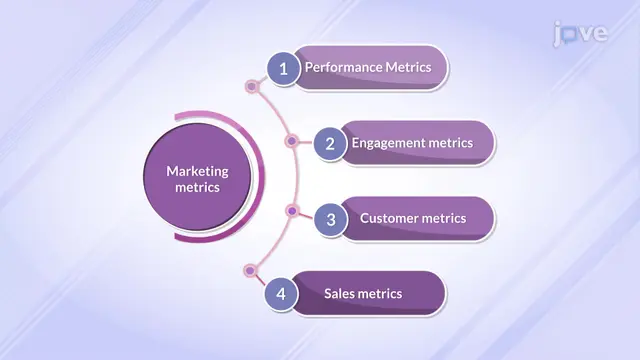
Marketing metrics in the control phase evaluate performance against established objectives and key performance indicators. They enable real-time progress tracking, identify areas requiring adjustment, and provide data-driven insights to optimize strategy execution, ensuring the business stays aligned with its marketing goals and adapts tactics as needed.
Explore Related Chapters

Marketing Environment

Consumer Behaviour

Segmentation, Targeting, Positioning

Creating Customer Value: Product to Experience

Capturing Customer Value: Price to Exchange

Delivering Customer Value: Place to Everywhere

Communicating Customer Value: Promotion to Evangelism

Social Responsibility and Ethics in Marketing

Market Research

Competitive Marketing Strategies
Marketing Metrics

Digital Marketing

Services Marketing

B2B Marketing

Global Marketing

Contemporary Topics in Marketing

Now Playing
1.11 : Marketing Plan
Marketing Fundamentals
1.8K Views

1.1 : Defining Marketing
Marketing Fundamentals
31.7K Views

1.2 : Evolution of Marketing Concept - The Industrial Perspective
Marketing Fundamentals
3.3K Views

1.3 : Evolution of Marketing Concept - Consumer Perspective
Marketing Fundamentals
2.1K Views

1.4 : Value Creation in Marketing
Marketing Fundamentals
3.9K Views

1.5 : The Marketing Toolkit - 4Ps to 4Es
Marketing Fundamentals
3.3K Views

1.6 : Significance of Marketing
Marketing Fundamentals
3.9K Views

1.7 : Changing Marketing Landscape
Marketing Fundamentals
3.8K Views

1.8 : Nonprofit Marketing
Marketing Fundamentals
1.2K Views

1.9 : Marketing Myopia
Marketing Fundamentals
3.4K Views

1.10 : Defining Marketing Strategy
Marketing Fundamentals
3.8K Views

1.12 : Marketing Plan Document
Marketing Fundamentals
1.6K Views