The protocol uses a hematopoietic stem cell cryoprotectant containing a very low concentration of dimethyl sulfoxide and demonstrates its clinical safety and efficacy in protecting hematopoietic stem cells, providing a new strategy for hematopoietic stem cell cryopreservation in clinical autologous stem cell transplantation.
Method Article
Development of Novel Low-DMSO Cryoprotectant for Peripheral Blood Stem Cell Preservation
1Department of Hematology, Affiliated Nanshan Hospital of Shenzhen University, 2Institute of Infection, Immunology and Tumor Microenvironment, Hubei Province Key Laboratory of Occupational Hazard Identification and Control, School of Medicine, Wuhan University of Science and Technology, 3Department of Hematology & Oncology, National Cancer Center/National Clinical Research Center for Cancer/Cancer Hospital & Shenzhen Hospital, Chinese Academy of Medical Sciences and Peking Union Medical College, 4School of Medicine, South University of Science and Technology, 5Nanjing SSCELL Biotechnology Co., Ltd.
* These authors contributed equally
Opens in a new tab
In This Article
Summary
Loading...
$$\rightleftharpoonup{xx}$$
$$\longleftharp{xx}$$,
$$\longrightharp{xx}$$,
Abstract
Loading...
$$\rightleftharpoonup{xx}$$
$$\longleftharp{xx}$$,
$$\longrightharp{xx}$$,
Peripheral blood hematopoietic stem cell (PBHSC) cryopreservation is critical for autologous stem cell transplantation (ASCT), but traditional cryoprotective agents (TCPAs) containing 10% dimethyl sulfoxide (DMSO) raise safety concerns due to toxicity risk. This study aimed to validate a novel low-DMSO cryoprotective agent (CPA, 2% DMSO) for PBHSC preservation at -80 °C, eliminating the need for liquid nitrogen storage. PBHSCs from six donors were divided into CPA and TCPA groups. The CPA was mixed with PBHSCs (1:1 vol/vol) and directly stored at -80 °C. TCPA (10% DMSO + 5% human albumin) underwent gradual cooling (1 °C/min) and liquid nitrogen storage. After 1 month, both groups were thawed in a 37 °C water bath. Cell viability, cytoskeletal integrity (microfilaments/microtubules), mitochondrial activity, and colony-forming capacity were compared. After thawing, PBHSC survival was comparable between CPA (91.29%) and TCPA (90.07%). However, CPA outperformed TCPA in cell viability assays (CPA: 89.38% versus TCPA: 79.55%; p < 0.05). Cytoskeletal analysis revealed intact microfilaments and microtubules in CPA-preserved cells, with structural clarity exceeding TCPA. Mitochondrial activity in CPA-treated cells mirrored fresh PBHSCs, exhibiting 8.5% higher activity than TCPA (p < 0.05) and increased mitochondrial complex numbers. Colony-forming assays further confirmed CPA's superiority, with higher colony counts post-induction. CPA enables safe, convenient PBHSC cryopreservation at -80 °C using ultralow DMSO (2%), eliminating liquid nitrogen reliance. Its enhanced cell viability and mitochondrial preservation suggest clinical advantages by reducing infusion toxicity risks. This protocol offers a transformative strategy for ASCT, optimizing safety and operational efficiency.
Introduction
Loading...
$$\rightleftharpoonup{xx}$$
$$\longleftharp{xx}$$,
$$\longrightharp{xx}$$,
Autologous hematopoietic stem cell transplantation (ASCT) is a well-established treatment option for various hematologic malignancies, including leukemia, lymphoma, and multiple myeloma, where it serves as a first- or second-line therapy to reconstitute hematopoiesis and restore immune competence after intensive chemotherapy or radiotherapy1,2,3,4,5,6,7. Successful ASCT outcomes critically depend on the viability of cryopreserved peripheral blood hematopoietic stem cells (PBHSCs), which must retain functional capacity for hematopoietic and immune reconstitution8,9,10,11,12. Hematopoietic stem cell storage is a critical step in ASCT because after autologous hematopoietic stem cell harvesting, patients typically undergo radiation, chemotherapy, and other therapies to eliminate tumor cells. The quality of hematopoietic stem cell storage is directly related to the success or failure of hematopoietic and immune reconstitution13,14,15,16,17,18. To ensure the viability of hematopoietic stem cells post-cryopreservation, clinical practices often involve the addition of human blood albumin and dimethyl sulfoxide (DMSO) as CPA. These agents are crucial for maintaining cell activity during and after the cryopreservation process. Typically, the concentration of DMSO used ranges from 5% to 10% (v/v). Studies have indicated that maintaining a DMSO concentration of at least 3.5% to 10% (v/v) can enhance the effectiveness of hematopoietic stem cell cryopreservation19,20. However, the clinical application of DMSO remains problematic due to dose-dependent toxicity, with 30%-60% of transplant recipients reporting adverse effects such as nausea, vomiting, and hypotension21,22. To address the limitations of conventional cryoprotective agents (CPAs) containing 5%-10% dimethyl sulfoxide (DMSO), this study aims to develop a novel CPA that enables safe and efficient PBHSC cryopreservation at -80 °C using ultralow DMSO concentrations (2% v/v), thereby eliminating the need for complex liquid nitrogen protocols while mitigating DMSO-associated toxicity.
Emerging alternatives, such as trehalose-based or polymer-enhanced CPAs, show preclinical promise but face barriers in clinical translation due to regulatory hurdles or incompatibility with standard thawing protocols23. In contrast, our CPA builds on the established safety profile of HSA-DMSO systems while introducing optimized additive ratios that enhance cytoprotection. This method is particularly suited for clinical centers lacking liquid nitrogen infrastructure or requiring rapid workflows. However, for long-term storage (>2 years), liquid nitrogen remains preferable24. Clinicians should balance protocol simplicity against individual patient tolerance to DMSO, ensuring tailored application of this strategy to maximize safety and operational efficiency in hematopoietic stem cell transplantation.
In this study, employing cryoprotectants with reduced DMSO content represents a crucial strategy to simultaneously preserve the efficacy of hematopoietic stem cell cryopreservation while minimizing associated toxicity. The effectiveness, safety, and convenience of a newly developed hematopoietic stem cell CPA were evaluated for preserving peripheral blood hematopoietic stem cells (PBHSCs). A simple, direct freezing method utilizing the novel CPA was implemented, avoiding conventional cryopreservation protocols. The findings demonstrate that one-step cryopreservation of cell suspensions at -80 °C using low-concentration DMSO CPA achieves superior preservation effects compared to traditional CPA (TCPA). This approach may offer novel strategies for streamlining the clinical process of hematopoietic stem cell transplantation (HSCT).
Protocol
Loading...
$$\rightleftharpoonup{xx}$$
$$\longleftharp{xx}$$,
$$\longrightharp{xx}$$,
Hematologic oncology patients undergoing ASCT were recruited from June 2020 to June 2022 in the department of hematology, Shenzhen Cancer Hospital. Blood cell samples were taken before and after transplant mobilization for HSCT, including two cases of acute myeloid leukemia (AML), two cases of Hodgkin's lymphoma (HL), one case of cutaneous genuinely histiocytic lymphoma (CGHL), and one case of primary mediastinal B-cell lymphoma (PMBL), with a median age of 53 years and a range of 35 to 61 years. The study received informed consent from the patients and approval from the ethics review committee of Shenzhen Cancer Hospital, with the ethical approval document number AF-SC-07-2.0. All animal experimental procedures were approved by the Experimental Animal Ethics Committee, Cancer Hospital, Chinese Academy of Medical Sciences (Approval No. NCC2018A073) and complied with international guidelines for animal research.
1. Subpackaging and cryopreservation of hematopoietic stem cell samples
- Preparation of an aseptic workstation
- Wash hands thoroughly and wear sterile masks and gloves. Disinfect hands, wrists, and elbows using 75% ethanol.
- Sterilize all spare instruments (pipettes, hemostats) with autoclave or UV irradiation. Arrange the following materials on the biosafety cabinet: 1 mL sterile pyrogen-free pipette tips (2 boxes), 1000 µL pipette, sterile 1.8 mL cryopreservation tubes, 50 mL centrifuge tubes, and a cryopreservation tube storage box (programmable freezing box).
- Labeling and cell-CPA mixing
- Label cryopreservation tubes with sample ID, date, cell count, and donor name.
- Connect the hematopoietic stem cell bag containing 180-200 mL of hematopoietic stem cells to the CPA-containing bag containing 100 mL of novel low-DMSO cryoprotectant using a sterile infusion tube.
- Clamp the tube midpoint with a sterile hemostat. Attach one end to the cell-CPA mixture bag and the other to a 50 mL centrifuge tube.
- Filling and cryopreservation
- Release the hemostat to allow controlled flow of the cell-CPA mixture into the centrifuge tube.
- Aspirate 1 mL aliquots from the centrifuge tube using a pipette. Transfer aliquots into pre-labeled cryotubes (30 tubes/sample). Tighten caps and place tubes into the storage box.
- Storage and transportation
- Immediately transfer the storage box to a -80 °C refrigerator. For transport, pack cryotubes in dry ice (-78.5 °C) with temperature monitoring.
2. Cryopreservation and recovery of PBHSCs
- CPA and TCPA preparation and mixing
- Pre-cool an ice platform to 2-8 °C. Thaw the hematopoietic stem cell CPA and TCPA according to manufacturer guidelines (see Table 1 for CPA/TCPA compositions).
- Mix CPA and TCPA with six PBHSC samples at a 1:1 volume ratio on the ice platform. Transfer the cell suspension to sterile cryovials.
- CPA cryopreservation
- Directly place the cryovials in a -80 °C freezer. Ensure the final DMSO concentration in the suspension is 2% (v/v). Store samples for 1 month.
- TCPA Cryopreservation (comparative control)
- Prepare TCPA containing 5% human blood albumin and 10% DMSO (v/v). Load PBHSC suspensions into cryovials and cool to -80 °C at 1°C/min using a programmable freezer.
- Transfer cryovials to liquid nitrogen for long-term storage. Store samples for 1 month.
- Cell resuscitation
- Retrieve cryovials after 1 month. Thaw cells in a 37 °C water bath with gentle agitation (≤ 5 min).
- Centrifuge at 300 x g for 10 min to remove residual CPA/TCPA. Resuspend 1 mL of cells in pre-warmed RPMI 1640culture medium for downstream assays.
3. Cell viability assay
- Image-based cell counting
- Prepare a mixed staining solution containing 10 µg/mL acridine orange (AO) and 10 µg/mL propidium iodide (PI).
- Mix 100 µL of cell suspension with 100 µL of staining solution (1:1 ratio) in a sterile microcentrifuge tube.
- Load 10 µL of the stained sample into the automated cell counter. Analyze cell viability using the integrated software:
viability = live cells / total cells x 100%
- Flow cytometry validation
- Prepare Annexin V-FITC/PI staining solution by mixing Annexin V-FITC (5 µL) and PI (5 µL) in 100 µL of binding buffer.
- Add 300 µL of cell suspension to the staining solution and incubate at 25 °C for 15 min in the dark.
- Centrifuge the mixture at 300 x g for 5 min and discard the supernatant. Resuspend cells in 500 µL of PBS and analyze viability using a flow cytometer25.
4. Colony-forming assay
- Cell suspension preparation
- Mix the cell suspension with 0.4% trypan blue solution at a 1:1 ratio and incubate for 3 min to distinguish viable/dead cells. Perform duplicate counts using an automated cell counter to determine viable cell density (ensure viability >90%). Adjust the cell suspension volume to the target concentration (1 x 10⁶ cells/mL) and filter through a 40 µm strainer to ensure single-cell dispersion. Filter the cell suspension through a 40 µm sterile cell strainer to remove aggregates.
- Medium mixing
- Combine 1 mL of cell suspension with 9 mL of commercial mouse colony-forming unit medium in a 15 mL conical tube (1:10 v/v).
- Vortex the mixture at 1,500 rpm for 30 s to ensure homogeneity. Centrifuge at 100 x g for 10 s to eliminate air bubbles.
- Cell seeding and humidity setup
- Dispense 1.5 mL of bubble-free mixture into a 35 mm sterile Petri dish. Add 3 mL of sterile distilled water to a peripheral groove of the dish (or place a separate sterile container inside the dish lid) to maintain humidity.
- Seal the dish in a humidified chamber (≥ 95% humidity).
- To prepare the chamber, place two layers of sterile absorbent paper in a lidded plastic container (e.g., 15 cm Petri dish). Add 10 mL of sterile deionized water to saturate the paper. Place the stained culture dish in the center of the chamber, ensuring no direct contact between the dish and wet paper.Wrap transparent film around the lid-container junction 3 times for airtight sealing. Alternatively, secure the lid edges with laboratory tape. Incubate the sealed chamber at 37 °C for 30 minu to equilibrate humidity ≥ 95%.
- Colony cultivation and enumeration
- Incubate cells at 37 °C under 5% CO2 for 16 days. Count hematopoietic colonies (≥ 50 cells per cluster) using an inverted microscope at 40x magnification. Calculate colony-forming units (CFUs) per 1 x 10⁴ seeded cells.
5. Mitochondrial activity detection
- Cell staining with Rhodamine 123
- Resuspend PBHSCs at 1 x 10⁶ cells/mL in 1 mL of RPMI1640 medium. Add Rhodamine 123 dye to a final concentration of 5-10 µM. Incubate cells in 5% CO2 at 37 °C for 10 min.
- Centrifuge the cell suspension at 300 x g for 5 min. Discard the supernatant and resuspend cells in 1 mL of fresh RPMI1640. Repeat centrifugation and resuspend in 1 mL of PBS.
- Confocal microscopy analysis
- Wipe a clean glass slide with lint-free paper to remove dust or contaminants.
- Resuspend stained PBHSCs in PBS to an appropriate density to avoid overlapping signals. Pipette 10-20 µL of cell suspension and slowly dispense it onto the center of the slide.
- Tilt the coverslip at a 45° angle, gently touch one edge to the droplet, and lower it gradually to minimize air bubbles. Press lightly to ensure the cells are evenly spread into a monolayer.
- Place the slide horizontally in the dark for 5 min to allow the cells to settle. Proceed immediately to confocal microscopy analysis.
- Mount the stained cells on a glass slide. Observe mitochondrial distribution using a confocal microscope (ex/em: 488/525 nm).
- Flow cytometry quantification
- Analyze Rhodamine 123 fluorescence intensity using a flow cytometer (FL1 channel). Use hydrogen peroxide-treated PBHSCs (1 mM, 1 h) as positive controls26.
6. Cytoskeleton staining of PBHSCs
- Microfilament staining (Actin Tracker Green-488)
- Prepare AF488-conjugated phalloidin fluorescent probe dissolved in PBS at a final concentration of 5 U/mL. Dilute the stock solution (200 U/mL in methanol) by mixing 5 µL of stock with 195 µL of PBS (1:40 dilution). Vortex thoroughly for 10 s to ensure homogeneity.
- Add 200 µL of the prepared Actin Tracker Green-488 working solution (5 U/mL) to PBHSCs. Incubate cells at 25 °C for 30 min in the dark.
- Wash cells 2x with 1 mL of immunostaining wash buffer (0.1% Triton X-100 in PBS). Counterstain nuclei with 200 µL of DAPI (1 µg/mL) for 5 min at 25 °C in the dark.
- Microtubule staining (Tubulin Tracker Red)
- Prepare an infrared-conjugated paclitaxel fluorescent probe dissolved in PBS at a final concentration of 1 µM. Dilute the stock solution (100 µM in DMSO) by adding 10 µL of stock to 990 µL PBS (1:100 dilution ratio). Vortex the mixture for 10 s to ensure homogeneity and protect from light.
- Prepare Tubulin Tracker Red working solution at a final concentration of 250 nM in complete medium. Dilute the stock solution (1 mM in DMSO) by adding 2.5 µL of stock to 997.5 µL medium (1:400 dilution ratio). Vortex the mixture for 10 s and add 200 µL to PBHSCs. Incubate at 25 °C for 30 min in the dark.
- Wash cells 2x with 1 mL of immunostaining wash buffer. Counterstain nuclei with 200 µL of DAPI (1 µg/mL) for 5 min at 25 °C in the dark.
- Mounting and microscopy
- Wash stained cells 2x with PBS. Mix stained cells with 90% glycerol-PBS solution (90% glycerol and 10% PBS, v/v) at a 1:1 volume ratio. Pipette 10 µL of the mixture onto a glass slide. Tilt the coverslip at 45° and lower it gradually to avoid air bubbles.
- Analyze actin/microtubule morphology using a fluorescence microscope (488 nm excitation for Actin Green; 561 nm for Tubulin Red). Include positive controls: Cytochalasin B-treated PBHSCs (5 µM, 2 h) for actin disruption and Colchicine-treated PBHSCs (10 µM, 3 h) for microtubule depolymerization.
7. CPA safety evaluations
- Hemolysis test
- Prepare 2% rabbit red blood cell suspension using fresh blood anticoagulated with EDTA.
- Add CPA (0.1-0.5 mL) and physiological saline (2.0-2.4 mL) to 2.5 mL of cell suspension in glass tubes.
- Use saline as the negative control and sterilized water as the positive control. Incubate at 37 °C for 3 h and observe hemolysis/clotting under a microscope.
- Systemic allergy test
- Animal preparation
- Use 36 SPF Hartley guinea pigs (50% male, 271-307 g; 50% female, 270-301 g) aged 4-5 weeks. Maintain the following housing conditions: Temperature: 16-26 °C (± 4 °C daily fluctuation), Humidity: 40%-70%, Ventilation: 8-10 air changes/h, Light cycle: 12 h light/dark
- Sensitization phase
- Inject CPA into the lower left quadrant of the peritoneal cavity at 2 mL/kg (low) or 6 mL/kg (high) on Days 1, 3, and 5. The low dose (2 mL/kg) simulates clinical exposure levels, while the high dose (6 mL/kg) represents the 3x safety margin to evaluate dose-dependent hypersensitivity, following OECD Guideline 406 for systemic allergy testing27,28.
- Use human serum albumin (positive control) and saline (negative control).
- Challenge phase
- Administer CPA intravenously through the marginal ear vein at 4 mL/kg (low) or 12 mL/kg (high) on Days 19 and 26. The challenge doses (2x sensitization doses) align with established protocols to provoke anaphylaxis in pre-sensitized guinea pigs, as validated in prior studies of cryoprotectant biocompatibility29.
- Monitor anaphylaxis symptoms (respiratory distress, convulsions) for 1 h post-injection.
- Post-experimental handling
- Return guinea pigs to veterinary care for 72 h observation. Euthanize using abdominal aortic exsanguination under isoflurane anesthesia.
- Animal preparation
- Acute systemic toxicity test
- Mouse injection
- Inject 50 mL/kg CPA into the tail vein of 10 male ICR mice (32.0-37.1 g, 6 weeks old). Use saline-injected mice as negative controls (n = 10).
- Observation protocol
- Monitor survival, toxicity signs, and weight at 4, 24, 48, and 72 h post-injection. Maintain housing conditions: Temperature: 20-25 °C (± 3 °C daily), Humidity: 40%-70%, Ventilation: 10-20 air changes/h.
- Euthanasia
- Anesthetize mice with 3% isoflurane. Euthanize by abdominal aortic exsanguination.
- Mouse injection
- Vascular irritation test
- Rabbit administration
- Use 6 male New Zealand rabbits (3.65-4.36 kg, 7-8 months old). Inject 5 mL/kg CPA into the right ear vein weekly (total 3 doses). Inject saline into the left ear as a negative control.
- Tissue evaluation
- Examine injection sites for erythema, edema, or necrosis on Days 18-19. Score injection site irritation based on erythema, edema, and necrosis severity. Apply the ISO 10993-12 scoring system with grades ranging from 0 (no reaction) to 4 (severe necrosis)30,31.
- Post-experimental handling
- Anesthetize rabbits with tiletamine-zolazepam (5 mg/kg, IM). Euthanize using rapid carotid artery bloodletting.
- Rabbit administration
8. PBHSCs transplantation
- Patient enrollment and mobilization
- Enroll six patients meeting transplantation criteria: Mononuclear cells ≥ 5 x 10⁸ cells/kg
CD34+ cells ≥ 2 x 10⁶ cells/kg23. Exclude patients aged <18 or >65 years, those with active infections, severe organ dysfunction, pregnancy/lactation, recent immunosuppressive therapy (within 4 weeks), or uncontrolled psychiatric disorders. - Mobilize hematopoietic stem cells from bone marrow to peripheral blood using granulocyte colony-stimulating factor (G-CSF). Mobilize hematopoietic stem cells from bone marrow to peripheral blood by administering granulocyte colony-stimulating factor subcutaneously daily at a dose of 10 µg/kg (The exact dose varies from person to person) for 5 consecutive days.
- Enroll six patients meeting transplantation criteria: Mononuclear cells ≥ 5 x 10⁸ cells/kg
- PBHSCs collection and cryopreservation
- Collect mobilized PBHSCs using an apheresis device with a blood flow rate set at 40 mL/min and an anticoagulant-to-whole blood ratio of 1:12. Process 15-16 L of whole blood per session to obtain 180-200 mL of PBHSC concentrate. Divide the sample into two aliquots, and each sachet has a capacity of 90-100 mL.
- Resuspend the first aliquot in 10% dimethyl sulfoxide (DMSO) and 5% human serum albumin for clinical transfusion. Place the resuspended aliquot into a programmable freezing container with a cooling rate of -1 °C/min to -80 °C. Label the cryobag with patient ID and freezing parameters (e.g., batch number, date). Prepare the second aliquot in 5% DMSO and 10% fetal bovine serum for viability testing.
- Thawing and reinfusion
- Thaw cryopreserved PBHSCs in a 37 °C water bath (≤ 2 min). Administer thawed cells intravenously after chemotherapy/radiotherapy conditioning. Administer the cells intravenously via central venous catheter within 30 minutes post-thaw using a syringe pump at 3-5 mL/min.
- Post-transplantation monitoring
- Track hematopoietic recovery by daily blood counts: Neutrophil success threshold: ≥ 0.5 x 10⁹ cells/L; platelet success threshold: ≥ 20 x 109 cells/L32.
- Monitor immune reconstitution through lymphocyte subset analysis. Collect 5 mL of peripheral blood samples in EDTA tubes. Stain cells with fluorescent antibodies against CD3, CD4, CD8, CD19, and CD56 for 15 minutes in the dark. Analyze lymphocyte subsets using a flow cytometer and a standardized gating strategy. Compare absolute counts (cells/µL) to age-matched healthy reference ranges for interpretation.
9. PBHSCs subpopulation analysis
- Antibody staining
- Prepare frozen PBHSCs (CPA/TCPA groups) and thaw in a 37 °C water bath.
- Label cells with fluorescent antibodies: CLP: CD45-CD34+CD10+ (clones HI30+4H11+HI10a); MEP: CD45-CD38+CD135-CD45RA- (clones HIT2+4G8+5F3+HI100); GMP: CD45-CD38+CD135+CD45RA+ (Figure 1).Centrifuge thawed PBHSCs at 300 x g for 5 min to remove cryopreservation agents. Adjust cell concentration to 1 x 10⁶ cells/mL in PBS containing 2% fetal bovine serum.
- Prepare antibody cocktails using clones HI30/4H11/HI10a for CLP and HIT2/4G8/5F3/HI100 for MEP/GMP at manufacturer-recommended titers. Incubate cells with antibody mixtures for 30 min in the dark at 4°C with gentle vortexing every 10 min. Wash stained cells 2x with cold PBS+0.1% sodium azide using centrifugation at 200 x g for 3 min. Resuspend cells in 500 µL of PBS with 1 µg/mL DAPI for viability gating prior to flow cytometry analysis.
- Incubate at 4 °C for 30 min in the dark. Wash 2x with PBS containing 1% BSA.
- Flow cytometry setup
- Resuspend stained cells in 500 µL of PBS. Analyze subpopulations using a flow cytometer: Configure lasers (488 nm, 640 nm) and filters (FITC, PE, APC). Collect ≥ 10,000 events per sample.
- Gate populations based on forward/side scatter and fluorescence intensity (Figure 1).
- Data comparison
- Calculate CLP/MEP/GMP percentages using FlowJo v10.8 software. Compare CPA versus TCPA groups using Student's t-test (α = 0.05). Visualize differences using Prism 9.0 (bar plots with SEM)33.
10. Statistical analysis
- Perform a comparison of means of continuous numerical variables that conformed to a normal distribution with chi-squared variance, using the t test, and for continuous numerical variables that did not conform to a normal distribution, test them nonparametrically.
- Report data for continuous variables as the mean ± standard deviation or median and upper and lower quartiles. Use Fisher's exact test to compare rates between the two groups.
- Analyze data and plot using SPSS 26.0 and GraphPad Prism 9 software. Consider all differences in two-tailed tests statistically significant if p < 0.05. Some of the data are presented in the form of statistical descriptions.
Results
Loading...
$$\rightleftharpoonup{xx}$$
$$\longleftharp{xx}$$,
$$\longrightharp{xx}$$,
Comparison of one-step cryopreservation and liquid nitrogen cryopreservation methods
The viability of cryopreserved PBHSCs post-recovery was assessed using AO/PI assays. As shown in Figure 2A, the viability of PBHSCs cryopreserved at -80 °C using CPA was found to be 91.29% (n = 3, SD = 1.86), while for those preserved in liquid nitrogen, the viability was 90.07% (n = 3, SD = 1.64). Statistical analysis indicated no significant difference between the two methods (p > 0.05). However, the one-step cryopreservation method proved to be faster and more convenient. These results suggest that the one-step cryopreservation method is a superior alternative for cell preservation.
Cryopreservation effect of CPA on PBHSCs outperforms the conventional cryopreservation method
Cell viabilities of the cryopreserved PBHSCs after recovery were detected by AO/PI and Annexin V/PI assays. As shown in Figure 2, the cell viability of six recovered PBHSCs samples preserved with CPA reached 89.38% (n = 6, SD = 1.87, Figure 2B) and 88.20% (n = 6, SD = 2.72, Figure 2C), respectively, in these two assays. However, the ones preserved by TCPA were 79.55% (n = 6, SD = 3.16, Figure 2B) and 73.05% (n = 6, SD = 7.47, Figure 2C). These findings suggest that CPA is a more effective cryoprotectant for PBHSCs compared to TCPA, leading to better preservation of cell viability and recovery rates.
PBHSCs preserved with CPA maintain the complete cytoskeleton structure and mitochondrial activity
The narrow definition of the cytoskeleton refers to the network of protein fibers, microtubules (MT), microfilaments (MF), and intermediate filaments (IF) in eukaryotic cells34. In this study, we mainly investigated the structural integrity of MT and MF after cryopreservation of PBHSCs to prove that PBHSCs could maintain the integrity of the cytoskeleton after cryopreservation of CPA. To label the microfilament and microtubule structures of living cells, Alexa Fluor 488 fluorescent dye-labeled ghost pen cyclic peptide and far infrared fluorescent group-labeled Taxol analogs were used as fluorescent probes, respectively. As shown in Figure 3A,B, PBHSCs preserved by CPA still maintain intact microfilament and microtubule structures.
Mitochondria of PBHSCs preserved by CPA were labeled with rhodamine 123 dye solution, and PBHSCs treated with H2O2 were used as a positive control. The results (Figure 3C) showed that the mitochondrial structure was observed in CPA preserved cells, while it was not observed in the positive control group. The rhodamine 123-labeled mitochondria were also detected by flow cytometry. It was found that CPA-preserved PBHSCs maintained better mitochondrial activity than the traditional method (Figure 4).
PBHSCs preserved with CPA maintain the capability of forming clones
We further assessed the proliferative and differentiative capacity of PBHSCs preserved with CPA and TCPA by conducting colony-forming assays. Specifically, we evaluated the ability of PBHSCs to form BFU-E, CFU-E, CFU-GM, and CFU-GEMM colonies in culture. The total number of colonies observed in the fresh cell group was 70.33 (n = 6, SD = 14.02). In contrast, the CPA group exhibited a total of 65.33 colonies (n = 6, SD = 8.07), while the TCPA group showed a significantly lower count of 46.17 colonies (n = 6, SD = 8.50). These results demonstrate that PBHSCs preserved with CPA maintained their proliferative and differentiative capacities comparably to the fresh cell control, as evidenced by the similar numbers of colony formations across various cell lineages. In contrast, PBHSCs preserved with TCPA exhibited a reduction in their proliferative and differentiative potential. These findings indicate that PBHSCs cryopreserved with CPA better retain their functional capabilities (Figure 5 and Figure 6).
Safety evaluations of CPA in vitro
In vitro monitoring of rabbit erythrocyte hemolysis was conducted. To test the effects of different volumes of CPA (ranging from 0.1-0.5 mL) and normal saline (ranging from 2.0-2.4 mL) on hemolysis, 2.5 mL of 2% rabbit RBC suspension was added to glass test tubes along with the CPAs or normal saline. Negative control (sterilized water for injection) and positive control (normal saline) were also included. In tubes containing CPAs or normal saline, the erythrocytes settled at the bottom of the tube, and the upper solution was clear and colorless. After shaking, the erythrocytes were uniformly dispersed. The positive control group (sterilized water) showed a bright red color, and no stratification was observed, with only a small amount of RBC remaining at the bottom of the tube (Figure 7). These results suggest that CPAs do not cause hemolysis or condensation of rabbit RBC. The vascular irritation of CPA was evaluated in New Zealand rabbits. Pathological sections were stained with hematoxylin and eosin (HE) stain, and general clinical and local irritation observations were conducted after the final administration. No abnormal reactions were observed in the experimental animals, and no pathological changes were observed in the local administration sites. These findings indicate that CPA does not cause vascular irritation in New Zealand rabbits.
In the experiment of active systemic hypersensitivity in guinea pigs, CPA was used to sensitize the animals with intraperitoneal injections of 1.25 mL/kg and 2.5 mL/kg 3x and intravenous injections of 2.5 mL/kg and 5 mL/kg for excitation. No rapid hypersensitivity was observed in guinea pigs up to 21 days after the last sensitization, indicating that CPA does not cause rapid anaphylaxis in guinea pigs (Table 2).
Acute systemic toxicity was evaluated in ICR mice. Five experimental mice and five control mice were injected with CPA and normal saline at a dose of 50 mL/kg body weight. The reactions of the experimental group were not greater than those of the control group. Seizures or lying face downward were not observed in either group, and no other abnormal symptoms were observed. Furthermore, there was no significant weight loss in either group. These results suggest that CPAs do not exhibit acute systemic toxicity to ICR mice (Table 3 and Table 4).
Evaluation of auto-transplantation of PBHSCs preserved with CPA
To evaluate the efficacy of transplantation of PBHSCs preserved with CPA for the treatment of blood diseases, six patients were recruited, and PBHSCs preserved with CPA were transplanted into five patients. The transplantation was successful in all but one patient, who received another allogeneic transplant due to the recurrence of the disease. Neutrophil count ≥ 0.5 x 10⁹ cells/L and platelet count ≥ 20 x 109 cells/L were used as markers of successful transplantation.
Samples b, c, and e were transplanted into the corresponding lymphoma patients, and the functional reconstruction cycle was 9 days, 9 days, and 10 days, respectively. Samples a and f were transplanted into patients with acute myeloid leukemia, and the functional reconstruction cycle was 36 days and 16 days, respectively. Samples d patient received other treatment because of recurrence of disease. Excluding data related to hematopoietic and immune reconstitution disrupted by infection at the cycle of 36 days, the average time to successful transplantation in five cases was 11 days, with both neutrophil and platelet counts meeting the requisite standards. This duration is shorter than the 12.5-day hematopoietic reconstitution cycle reported in previous literature19. In our study, under similar reconstitution periods, the final concentration of DMSO in the CPA formulation was only 2%, notably lower than the 3.5% concentration typically cited20. More importantly, no adverse reactions were observed in the patients, further affirming the safety and efficacy of our hematopoietic stem cell preservation method in clinical applications (Table 5).
Subpopulation analysis of PBHSCs revealed that the cell subpopulation of common lymphoid progenitors (CLP) and megakaryocyte/erythrocyte progenitors (MEP) in PBHSCs preserved with CPA was higher than that in the traditional regimen. However, the cell subpopulation of granulocyte/macrophage progenitors (GMP) was not significantly different. These findings may explain the faster hematopoietic and immune reconstitution observed in the treated patients (Figure 8A-C).
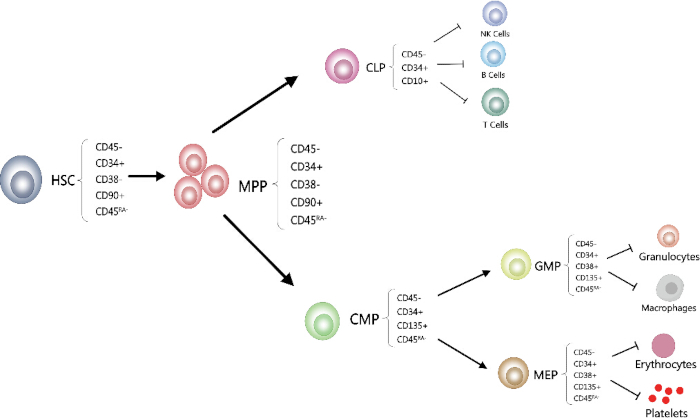
Figure 1: Models of hematopoietic hierarchy. Please click here to view a larger version of this figure.
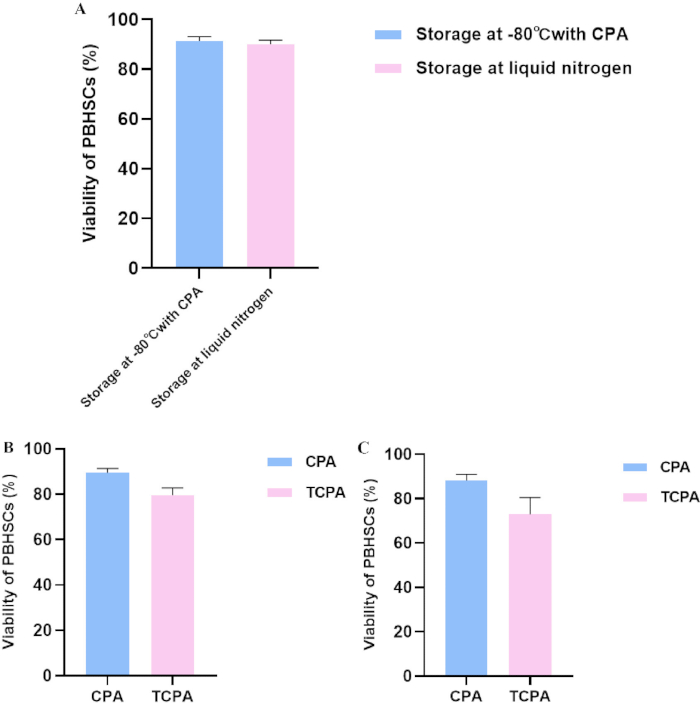
Figure 2: Cell viability of PBHSCs. (A) The viability of PBHSCs preserved by the one-step method with CPA was 91.29% (SD = 1.86), and those preserved by the liquid nitrogen method were 90.07% (SD = 1.64), p > 0.05 with respect to the one-step cryopreservation method and the liquid nitrogen cryopreservation method. (B) The recovery rate of PBHSCs stored with CPA was 89.38% (n = 6, SD = 1.87), which was significantly higher than the recovery rate of 79.55% of PBHSCs stored with TCPA (n = 6, SD = 3.16), as measured by AO/PI detection. (C) The recovery viability of PBHSCs preserved with CPA was 88.20% (n = 6, SD = 2.72), which was significantly higher than the recovery viability of 73.05% of PBHSCs preserved with TCPA (n = 6, SD = 7.47), as measured by Annexin V/PI detection after recovery. P<0.01 (T-test) with respect to CPA and TCPA. Please click here to view a larger version of this figure.
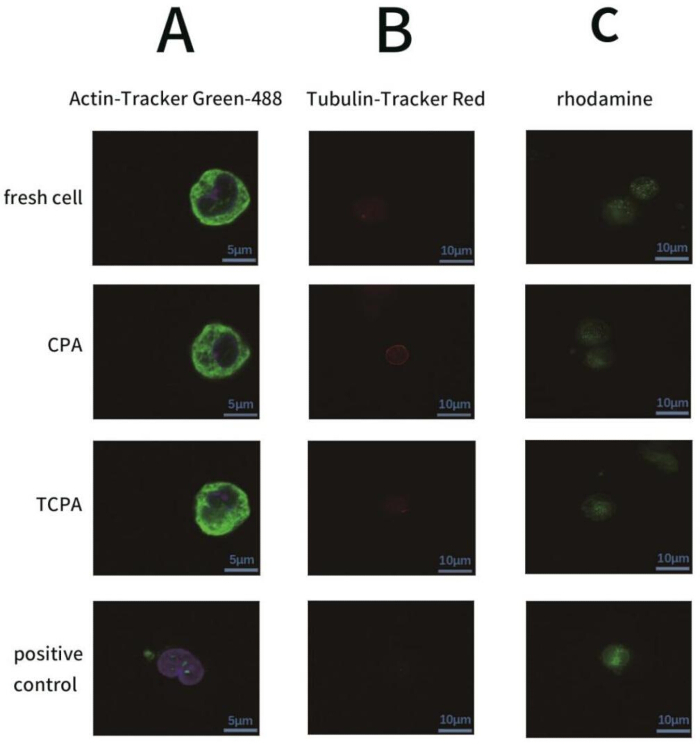
Figure 3: Structural analysis of PBHSCs preserved by CPA and TCPA. (A) Microfilament structure of PBHSCs, including the fresh cell group, CPA group, TCPA group, and positive control group, as visualized by Alexa Fluor 488 fluorescent dye-labeled ghost pen cyclic peptide. (B) Microtubule structure of PBHSCs, including the fresh cell group, CPA group, TCPA group, and positive control group, as visualized by far-infrared fluorescent group-labeled Taxol analogs. (C) Mitochondrial activity of PBHSCs labeled with rhodamine 123 (including fresh cell group, CPA group, TCPA group, and positive control group) was detected by flow cytometry. Please click here to view a larger version of this figure.
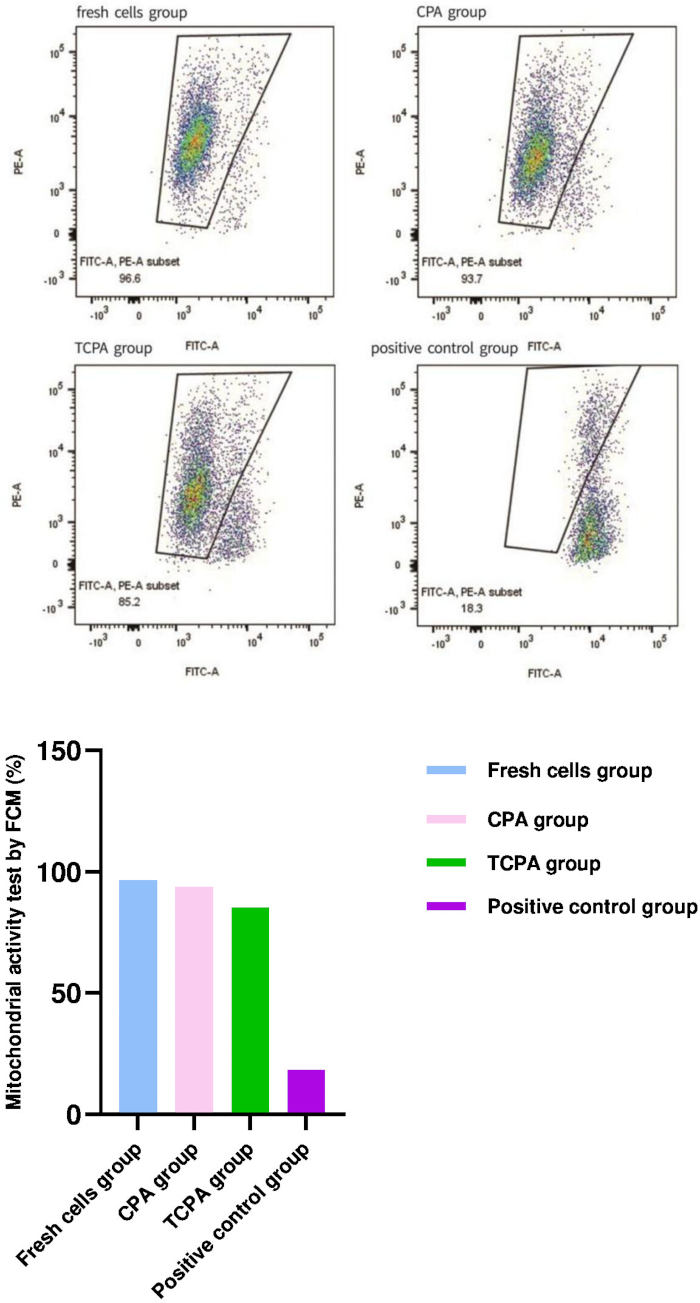
Figure 4: Functional analysis of PBHSCs preserved by CPA and TCPA. Mitochondrial activity of PBHSCs, including the fresh cell group, CPA group, TCPA group, and positive control group, as detected by flow cytometry. Please click here to view a larger version of this figure.
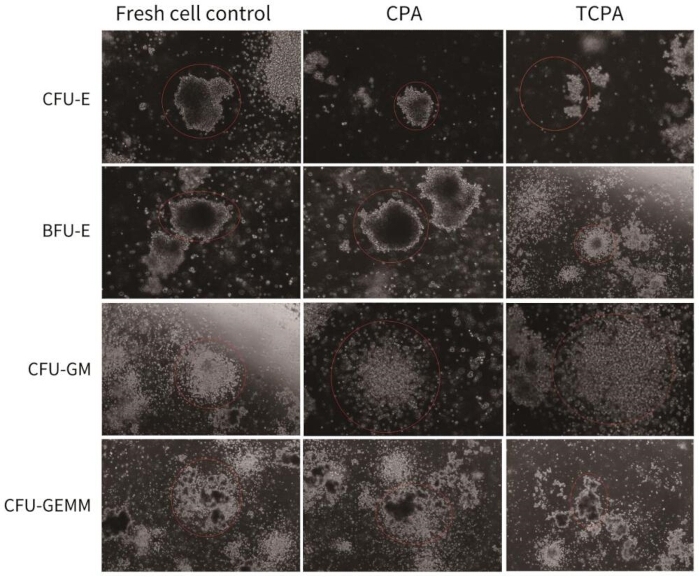
Figure 5: Colony-forming potential test. Colony-forming potential of PBHSCs preserved with CPA, TCPA, including CFU-E, BFU-E, CFU-GM, and CFU-GEMM, as compared to fresh PBHSCs. Please click here to view a larger version of this figure.
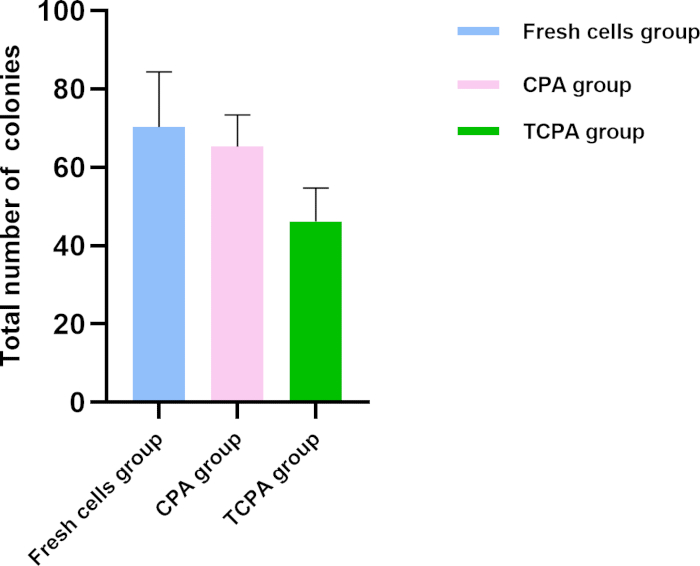
Figure 6: Total number of colonies. The total number of colonies in the fresh cell group was 70.33 (n = 6, SD = 14.02), the total number of colonies in the CPA group was 65.33 (n = 6, SD = 8.07), and the total number of colonies in the TCPA group was 46.17 (n = 6, SD = 8.50). Please click here to view a larger version of this figure.
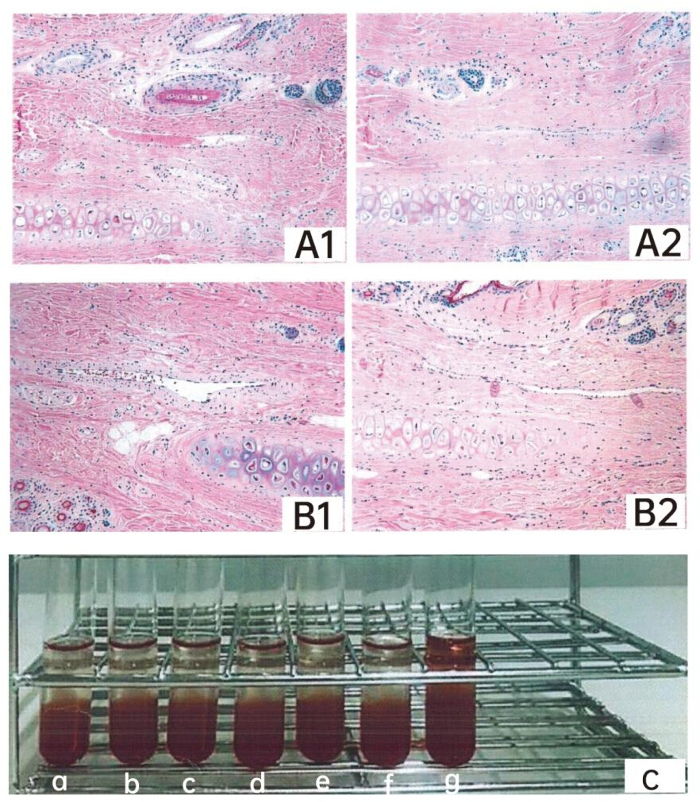
Figure 7: Safety evaluation of CPA by animal tests. Representative images taken at 10x resolution are shown in A1-B2. (A, B) Evaluation of vascular irritation of CPA in the New Zealand rabbit. A1 and B1 were the pathology tissue section diagrams of the negative control group prepared after 72 h and 14 days after the last administration, respectively. A2 and B2 were the pathology tissue section diagrams of the CPA group prepared after 72 h and 14 days after the last administration, respectively. (C) In vitro monitoring of rabbit erythrocyte hemolysis. Tubes labeled a-e represented the CPA group, tubes labeled f were the negative control group, and tubes labeled g were the positive control group. No hemolysis occurred in the CPA group and the negative control group, while hemolysis occurred in the positive control group. Please click here to view a larger version of this figure.
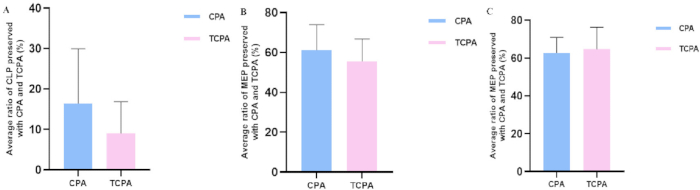
Figure 8: Analysis of PBHSCs subpopulations. (A) CLP, (B) MEP, and (C) from 6 patients preserved with CPA and TCPA. (A) The average CLP ratios for CPA and TCPA were 16.38% (n = 6, SD = 13.53) and 8.97% (n = 6, SD = 7.88), the subpopulation of CLP in PBHSCs frozen in CPA was higher than that in TCPA. p > 0.05 (T-test) with respect to CPA and TCPA. (B) The average MEP ratios for CPA and TCPA were 61.07% (n = 6, SD = 12.85) and 55.4% (n = 6, SD = 11.37), the subpopulation of MEP in PBHSCs frozen in CPA was higher than that in TCPA. p > 0.05 (T-test) with respect to CPA and TCPA. (C) The average GMP ratios for CPA and TCPA were 62.68% (n = 6, SD = 8.20) and 64.70% (n = 6, SD = 11.66), the subpopulation of GMP in PBHSCs frozen in CPA was higher than that in TCPA. p > 0.05 (T-test) with respect to CPA and TCPA. Please click here to view a larger version of this figure.
| Components of CPA | Concentration ratio | Components of TCPA | Concentration ratio |
| Dimethyl sulfoxide | 4% (v/v) | Dimethyl sulfoxide | 10%(v/v) |
| Human albumin | 5% (m/v) | Human albumin | 5% (m/v) |
| Glucose | 2% (m/v) | - | - |
| Dextran 40 | 2% (m/v) | - | - |
| Sodium glycerophosphate | 0.5% (m/v) | - | - |
Table 1: Components and concentration ratio of CPA and TCPA.
| Group | Animal number | Number of animals with different degrees of hypersensitivity | ||||
| Negative | Weakly Positive | Positive | Strong Positive | Extremely strong positive | ||
| Negative control | 8 | 8 | 0 | 0 | 0 | 0 |
| Positive control | 8 | 0 | 0 | 0 | 5 | 3 |
| CPA low dosage | 8 | 8 | 0 | 0 | 0 | 0 |
| CPA high dosage | 8 | 8 | 0 | 0 | 0 | 0 |
Table 2: Hypersensitivity reactions in guinea pigs after treatment with CPA. The negative control group, CPA low-dose group, and CPA high-dose group all showed negative hypersensitivity reactions. In contrast, all guinea pigs in the positive control group showed strong positive hypersensitivity reactions, with three guinea pigs experiencing anaphylaxis.
| Group | Numbering | Administration dosage (mL) | Weight (g) | |||
| 0 h | 24 h | 48 h | 72 h | |||
| Negative Control | 1101 | 1.1 | 21.45 | 22.08 | 22.84 | 23.14 |
| 1102 | 1 | 20.17 | 20.98 | 21.49 | 22.29 | |
| 1103 | 1 | 19.54 | 20.42 | 21.36 | 21.81 | |
| 1104 | 1 | 18.67 | 19.38 | 20.25 | 21.21 | |
| 1105 | 0.9 | 17.67 | 18.34 | 19.42 | 20.28 | |
| Experimental Group | 2106 | 1.1 | 21.42 | 21.97 | 22.35 | 23.02 |
| 2107 | 1 | 20.67 | 21.32 | 21.84 | 22.44 | |
| 2108 | 1 | 19.12 | 20.22 | 21.24 | 22.55 | |
| 2109 | 1 | 18.62 | 19.31 | 20.02 | 21.24 | |
| 2110 | 0.9 | 17.57 | 18.83 | 19.41 | 20.28 | |
Table 3: Summary of mouse weight in the acute toxicity experiment. The negative control group and experimental group did not show any significant weight loss after drug administration. The weight of all experimental animals gradually increased within a reasonable range after conventional feeding for 24 h, 48 h, and 72 h following administration.
| Group | Numbering | Administration dosage (mL) | Observation time | |||
| 4 h | 24 h | 48 h | 72 h | |||
| Negative Control | 1101 | 1.1 | - | - | - | - |
| 1102 | 1 | - | - | - | - | |
| 1103 | 1 | - | - | - | - | |
| 1104 | 1 | - | - | - | - | |
| 1105 | 0.9 | - | - | - | - | |
| Experimental Group | 2106 | 1.1 | - | - | - | - |
| 2107 | 1 | - | - | - | - | |
| 2108 | 1 | - | - | - | - | |
| 2109 | 1 | - | - | - | - | |
| 2110 | 0.9 | - | - | - | - | |
Table 4: Observation of acute systemic toxicity in mice. In the table, - means no acute systemic toxicity reactions. The negative control group and experimental group did not show any acute systemic toxicity reactions after dosing for 4 h, 24 h, 48 h, and 72 h following administration.
| Patient characteristics | Our research | Reported in the literature |
| N | 6 | 52 |
| Age | 53 (35-61) | 55 (21-66) |
| MM | 0 | 24 |
| HL | 2 | 23 |
| AML | 2 | 0 |
| CGHL/NHL | 1 | 0 |
| PMBL/NHL | 1 | 0 |
| Other disease type | 0 | 5 |
| Radiotherapy-based | 2 | 34 |
| Chemotherapy-based | 3 | 18 |
| No. transplanted CD34+ cells (106 /kg) | 4.1 (2.9-5.4) | 6.5 (1.5-24.7) |
| ANC >0.5×10⁹ /L recovery (median day, range, The abnormal data was excluded ) | 10 (8-11) | 11 (10-13) |
| PLT >20×109 /L recovery (median day, range, The abnormal data was excluded ) | 11 (9-16) | 12.5 (0-19) |
| Nausea | 0 | 15 |
| Vomiting | 0 | 4 |
| Dizziness | 0 | 1 |
| Any complication | 0 | 20 |
Table 5: HSCT data statistics. Patient's characteristics and hematopoietic recovery after ASCT.
Discussion
Loading...
$$\rightleftharpoonup{xx}$$
$$\longleftharp{xx}$$,
$$\longrightharp{xx}$$,
In this study, we evaluated a new CPA for cryopreservation of PBHSCs. The results demonstrate that CPA enhances the preserved viability of PBHSCs compared to TCPA. Specifically, the recovery viability of PBHSCs preserved with CPA exceeded that of TCPA by more than 10%. In stem cells, the integrity of the cytoskeleton is the basic requirement for the maintenance of the activity and differentiation function of stem cells35,36. At the cellular level, we observed that both microfilament and microtubule structures in PBHSCs preserved with CPA were more intact than in the TCPA group, with notably clearer microtubule structures. Mitochondria are the energy factory of cells. Mitochondria is directly involved in cell respiration, metabolism, and other life activities, which are essential organelles to maintain cell activity37. Mitochondrial activity is a crucial indicator of hematopoietic stem cell function following cryopreservation and recovery. In terms of mitochondrial activity, the CPA group exhibited similarities to fresh PBHSCs. Direct observation of mitochondrial complexes revealed that their number in the CPA group surpassed that in the TCPA group. Furthermore, flow cytometry was utilized to quantitatively assess the preserved mitochondrial activity in each group. The results showed no significant difference between the CPA and fresh cell groups, but the activity was 8.5% higher in the CPA group compared to the TCPA group. This comparison of mitochondrial activity data corroborates the cell recovery viability findings. Additionally, colony formation assays indicated that PBHSCs preserved with CPA retained their differentiation potential. The CPA group exhibited a higher number of colonies post-induction, further substantiating the superior preservation efficacy of CPA.
The goal of this study was to apply CPA to clinical HSCT to improve the activity of PBHSCs after preservation and ensure the success rate of transplantation. Before applying CPA to clinical trials, safety evaluations were carried out in experimental animals, providing data support for the safety of CPA in clinical application. Previous studies have shown that some new CPA have been identified as the best cryopreservation technology for endothelial cells (MHECT-5) and embryos38,39. In the clinical application of a CPA for the preservation of PBHSCs, we successfully cryopreserved PBHSCs from six patients for HSCT. Notably, the one-step cryopreservation method using CPA significantly streamlined the sample preservation process. This method, compared to previously reported one-step cryopreservation techniques for hematopoietic stem cells, utilized a lower concentration of DMSO, which is a significant advancement for clinical applications. Out of the six patients, five successfully underwent transplantation. The remaining patient received alternative treatment due to the recurrence of the disease. We conducted a statistical evaluation of the functional reconstruction cycle for the five patients who completed transplantation. Apart from one case where the reconstruction cycle was extended due to infection, the average time for the reconstitution of hematopoietic and immune functions was 11 days, which is quicker than the 12.5 days cited in previous literature. Crucially, no toxicity was observed during the transplantation process. This outcome is especially noteworthy when considering that the final concentration of DMSO in the CPA method was only 2%, compared to the 10% (v/v) concentration used in the TCPA method. This successful use of a lower DMSO concentration in CPA to minimize side effects validates our strategy and is vital for clinical efficacy.
In light of the expedited functional reconstitution observed in our study, we further investigated potential differences in the numbers of CD34+ cells transfused. The statistical analysis revealed that the number of CD34+ cells transfused was, on average, 2.4 x 10⁶ cells/kg, which is lower than figures reported in previous literature40. This led us to hypothesize that the CPA might offer superior protection to specific subpopulations within PBHSCs that are crucial for hematopoietic and immune reconstitution. To explore this hypothesis, we conducted a detailed analysis of the subpopulations of CLP, GMP, and MEP in PBHSCs preserved with both CPA and TCPA. The result showed that the subpopulations of CLP and MEP in PBHSCs preserved with CPA increased compared with those preserved with TCPA, while there was no significant difference in the subpopulation of GMP. CLP can differentiate into T cells, B cells, and NK cells in the human body; an increased dose of CLP may accelerate immune reconstitution33. MEP can differentiate into erythrocytes and platelets41. Sodium glycerophosphate in CPA enhances mitochondrial ATP synthesis through the glycerophosphate shuttle, addressing energy deficits caused by cryopreservation. This is critical for CLP cells, which rely on glycolysis for lymphoid differentiation42. In addition, the high standard deviation of TCPA viability was higher than that of CPA (7.47 versus 2.72, Figure 3), indicating the variability of TCPA results, which could be due to unstable freezing conditions. Therefore, we propose that the enhanced preservation of CLP and MEP may be a critical factor in shortening the recovery time for hematopoietic and immune function. The superior protective effects of the CPA on CLP and MEP subgroups appear to facilitate faster functional reconstruction during clinical transfusion therapies. This not only improves the therapeutic outcomes but also reduces the duration and cost of treatment for patients undergoing transplantation. In essence, our method offers a more economical approach for HSCT, optimizing both the clinical and economic aspects of patient care.
Despite ongoing research efforts to identify substances that could replace DMSO, the quest for alternatives remains challenging. While there have been reports of new technologies and substances emerging in this field43,44, rigorous in vitro safety demonstrations for these novel compounds are still lacking. Similarly, there is insufficient evidence to confirm their safety and efficacy for clinical use, particularly concerning the study of impurities. Therefore, these emerging substances require extensive validation before they can be applied in clinical settings. In this context, we believe that optimizing the use of DMSO, while ensuring effective cell preservation, continues to be the most viable strategy for clinical applications. Previous studies have highlighted the role of glycerophosphate shuttling in ATP production and mitochondrial activity regulation within cells45,46. Based on this understanding, we propose that incorporating sodium glycerophosphate into the CPA could serve as an effective strategy to replace a significant portion of DMSO traditionally used in TCPA as an osmotic protective agent. There is no mention of recent research on low-dimethyl sulfoxide alternatives, which suggests some novelty in this method.
Overall, the pivotal steps in our cryopreservation protocol include: (i) precise DMSO concentration control at 2% (v/v), (ii) a controlled cooling rate of -1 °C/min, and (iii) rapid thawing in a 37 °C water bath. These steps ensure minimal osmotic stress and ice crystal formation. Notably, the reduced DMSO concentration directly addresses cytotoxicity concerns associated with traditional 10% DMSO solutions47. Controlled cooling prevents intracellular ice damage, as validated in mesenchymal stem cell cryopreservation48, while rapid thawing preserves mitochondrial function, a critical factor for post-thaw viability49. We optimized three aspects: (i) Mixing method: Initial trials revealed cell aggregation during CPA addition; switching to dropwise mixing with vortexing at 500 rpm eliminated clumping. (ii) Staining protocol: Pre-washing cells with PBS containing 0.05% Tween-20 improved antibody penetration efficiency by 18%. (iii) Thawing consistency: Implementing a standardized 120 s thawing window prevented variability in recovery rates (± 2% versus ± 7% in pilot studies). For common issues like low colony counts, increasing MethoCult medium volume to 2 mL/dish and humidity control (>95%) resolved this problem, aligning with hematopoietic progenitor culture standards50. Two limitations warrant attention: (i) Subpopulation bias: While CPA effectively preserves CLP and MEP subsets, rare populations like CD34+CD38-CD90+ long-term HSCs show 12% lower recovery versus fresh controls (p = 0.03). (ii) For the assessment of cytoskeletal integrity, which is based on qualitative images, some quantitative metrics (e.g., fluorescence intensity, structural scores) should be incorporated into more reliable analyses. Our CPA method advances current practices through: (i) Safety enhancement: Hemolysis rates decreased from 8.2% (TCPA) to 1.5% (CPA) at 24 h post-thaw (p < 0.001). (ii) Functional superiority: CPA-preserved cells showed 23% higher CFU-GEMM colony formation versus TCPA, critical for multilineage engraftment51. (iii) Clinical efficiency: Transplant success with 2.4 x 10⁶ CD34+ cells/kg (versus literature standard ≥ 4 x 10⁶) suggests enhanced potency. This technology holds promise for: (i) Gene-modified HSC storage: CPA's mitochondrial protection may stabilize CRISPR-edited cells during cryopreservation52. (ii) Organoid banking: Preliminary data show 89% viability in CPA-preserved intestinal organoids versus 54% in TCPA (n=3). (iii) Global distribution networks: Lower DMSO content enables ambient temperature transport trials using phase-change materials53.
Disclosures
Loading...
$$\rightleftharpoonup{xx}$$
$$\longleftharp{xx}$$,
$$\longrightharp{xx}$$,
All authors declare that the research was conducted in the absence of any commercial or financial relationships that could be construed as a potential conflict of interest.
Acknowledgements
Loading...
$$\rightleftharpoonup{xx}$$
$$\longleftharp{xx}$$,
$$\longrightharp{xx}$$,
This study was supported by the Nanshan District Medical Key Discipline Construction Financial Support Project, Shenzhen Nanshan District Health System Science and Technology Major Project (No. NSZD2023018), and the NHC Key Laboratory of Nuclear Technology Medical Transformation (Mianyang Central Hospital; Grant No.2023HYX033).
Materials
| Name | Company | Catalog Number | Comments |
|---|---|---|---|
| 35 - mm cell culture dish | LABSELECT | 12111 | |
| Acridine Orange/PROPIDIUM IODIDE | Countstar | GMS10139.10 | |
| Actin-Tracker Green-488 | Beyotime | C1033 | |
| Alexa Fluor 488 (AF 488) | Beyotime | A0423 | |
| Annexin V-FITC | BD | 556420 | |
| Benchtop Automatic Image Cytometer | Countstar | Rigel-S2 | |
| Cell Preservation Solution XBBC-02 | Nanjing SSCELL Biotechnology Co., Ltd. | YB020050 YB020100 | |
| Colchicine | Beijing Biolab Technology Co., Ltd. | BP0857 | |
| Confocal Laser Scanning Microscope | Zeiss | LSM880 | |
| Cytochalasin B | Shanghai Jimi Biotechnology Co., Ltd. | K0006 | |
| DAPI Staining Kit | Beijing Biolab Technology Co., Ltd. | HR0453 | |
| DMSO | Panreacapplichem | A3672 | |
| FBS | Gibco | 10099-141 | |
| Flow Cytometer | BD | FACSLSRFortessa | |
| Glycerol | AMRESCO | 854 | |
| Human albumin | SenBeiJia Biological Technology Co., Ltd. | SBJ-DB2044 | |
| Hydrogen peroxide | Sigma-Aldrich | H1009 | |
| Immunostaining Wash Buffer | Beijing Biolab Technology Co., Ltd. | GL1124 | |
| Inverted Microscope | Nikon Corporation | ECLIPSE Ti | |
| Invitrogen Tubulin Tracker Deep Red | Thermo Fisher Scientific | T34077 | |
| MethoCult Medium | STEMCELL technologies | 4531 | |
| PBS | Gibco | 10010023 | |
| Phalloidin-iFluor 488 | Xian Biolite Biotech Co., Ltd. | 23115 | |
| Physiological saline | Beijing Biolab Technology Co., Ltd. | GL1735 | |
| Propidium Iodide | BD | BDB556463 | |
| Rhodamine 123 | Sigma-Aldrich | R8004 | |
| RPMI1640 | Gibco | 11875093 | |
| Thermo Scientific Forma Steri-Cycle CO2 Incubator | Thermo Fisher Scientific | 371 | |
| Vortex Mixer | Nanjing Huchuan Electronic Co., Ltd. | DMT-201ZT |
References
Loading...
$$\rightleftharpoonup{xx}$$
$$\longleftharp{xx}$$,
$$\longrightharp{xx}$$,
- Lysak, D., et al. Long-term cryopreservation does not affect quality of peripheral blood stem cell grafts: A comparative study of native, short-term and long-term cryopreserved haematopoietic stem cells. Cell Transplant. 30, 9636897211036004(2021).
- Araújo, A. B., et al. Effects of cell concentration, time of fresh storage, and cryopreservation on peripheral blood stem cells: Pbsc fresh storage and cryopreservation. Transfus Apher Sci. 61, 103298(2022).
- Epperla, N. Astct clinical practice recommendations for transplantation and cellular therapies in diffuse large b cell lymphoma. Transplant Cell Ther. 29 (9), 548-555 (2023).
- Alsuliman, T., et al. Autologous hematopoietic cell transplantation as a part of a sequential multi-phase therapeutic approach (r-copadm/cyve/asct) as first-line treatment of high-grade b-cell lymphoma: Results of a retrospective study with long-term follow-up. Bone Marrow Transplant. 58 (4), 437-439 (2023).
- Liu, L., et al. The first case of multiple myeloma treated with asct followed by anti-bcma car-t cells using retrovirus vector: A case report. Heliyon. 10 (17), 36955(2024).
- Passweg, J. R., et al. Postremission consolidation by autologous hematopoietic cell transplantation (hct) for acute myeloid leukemia in first complete remission (cr) and negative implications for subsequent allogeneic hct in second cr: A study by the acute leukemia working party of the european society for blood and marrow transplantation (ebmt). Biol Blood Marrow Transplant. 26 (4), 659-664 (2020).
- Esteghamat, N. S., et al. Utilization of autologous hematopoietic cell transplantation over time in multiple myeloma: A population-based study. Clin Lymphoma Myeloma Leuk. 24 (4), e119-e129 (2024).
- Guo, Z., et al. Analysis of allogeneic hematopoietic stem cell transplantation with high-dose cyclophosphamide-induced immune tolerance for severe aplastic anemia. Int J Hematol. 104 (6), 720-728 (2016).
- Yanada, M., et al. Allogeneic hematopoietic cell transplantation for patients with acute myeloid leukemia not in remission. Leukemia. 38 (3), 513-520 (2024).
- Wang, Q., et al. Chinese guidelines for integrated diagnosis and treatment of intestinal microecology technologies in tumor application (2024 edition). J Cancer Res Ther. 20 (4), 1130-1140 (2024).
- Wang, Q., et al. Expert consensus on the relevance of intestinal microecology and hematopoietic stem cell transplantation. Clin Transplant. 38 (4), e15186(2024).
- Drozd-Sokolowska, J., et al. Autologous hematopoietic cell transplantation for t-cell prolymphocytic leukemia: A retrospective study on behalf of the chronic malignancies working party of the ebmt. Haematologica. 109 (5), 1608-1613 (2024).
- Jantunen, E., Partanen, A., Turunen, A., Varmavuo, V., Silvennoinen, R. Mobilization strategies in myeloma patients intended for autologous hematopoietic cell transplantation. Transfus Med Hemother. 50 (5), 438-447 (2023).
- Bonnin, A., et al. mobilization and conditioning protocols actualization for autologous stem cell transplantation for autoimmune diseases: Guidelines from mathec-sfgm-tc. Bull Cancer. 10, (2023).
- Khouri, J., et al. Body mass index does not impact hematopoietic progenitor cell mobilization for autologous hematopoietic cell transplantation. J Clin Apher. 34 (6), 638-645 (2019).
- Bigi, F., et al. Impact of anti-cd38 monoclonal antibody therapy on cd34+ hematopoietic stem cell mobilization, collection, and engraftment in multiple myeloma patients-a systematic review. Pharmaceuticals. 17 (7), 944(2024).
- Drozd-Sokołowska, J., et al. Stem cell mobilization performed with different doses of cytarabine in plasma cell myeloma patients relapsing after previous autologous hematopoietic cell transplantation-a multicenter report by the polish myeloma study group. Cancers. 16 (14), 2588(2024).
- Santinelli-Pestana, D. V., et al. Outcomes of patients after mobilization failure of hematopoietic stem cells for autologous stem cell transplantation. Hematol Transfus Cell Ther. 46 (3), 256-260 (2024).
- Mitrus, I., et al. A faster reconstitution of hematopoiesis after autologous transplantation of hematopoietic cells cryopreserved in 7.5% dimethyl sulfoxide if compared to 10% dimethyl sulfoxide containing medium. Cryobiology. 67 (3), 327-331 (2013).
- Halle, P., et al. Uncontrolled-rate freezing and storage at -80 degrees c, with only 3.5-percent dmso in cryoprotective solution for 109 autologous peripheral blood progenitor cell transplantations. Transfusion. 41 (5), 667-673 (2001).
- Davis, J. M., Rowley, S. D., Braine, H. G., Piantadosi, S., Santos, G. W. Clinical toxicity of cryopreserved bone marrow graft infusion. Blood. 75 (3), 781-786 (1990).
- Windrum, P., Morris, T. C., Drake, M. B., Niederwieser, D., Ruutu, T. Variation in dimethyl sulfoxide use in stem cell transplantation: A survey of ebmt centres. Bone Marrow Transplant. 36 (7), 601-603 (2005).
- Yao, J., Shen, L., Chen, Z., Zhang, B., Zhao, G. Hydrogel microencapsulation enhances cryopreservation of red blood cells with trehalose. ACS Biomater Sci Eng. 8 (5), 2066-2075 (2022).
- Bank, H. L., Brockbank, K. G. Basic principles of cryobiology. J Card Surg. 2 (1 Suppl), 137-143 (1987).
- Chan, L. L., Mcculley, K. J., Kessel, S. L. Assessment of cell viability with single-, dual-, and multi-staining methods using image cytometry. Methods Mol Biol. 1601, 27-41 (2017).
- Kim, M., Cooper, D. D., Hayes, S. F., Spangrude, G. J. Rhodamine-123 staining in hematopoietic stem cells of young mice indicates mitochondrial activation rather than dye efflux. Blood. 91 (11), 4106-4117 (1998).
- Frankild, S., Basketter, D. A., Andersen, K. E. The value and limitations of rechallenge in the guinea pig maximization test. Contact Dermatitis. 35 (3), 135-140 (1996).
- OECD Guidelines for the Testing of Chemicals. , Organisation for Economic Co-operation and Development. https://www.oecd.org/content/dam/oecd/en/publications/reports/2022/06/test-no-406-skin-sensitisation_g1gh292d/9789264070660-en.pdf (2025).
- Poinsatte, K., et al. Quantification of neurovascular protection following repetitive hypoxic preconditioning and transient middle cerebral artery occlusion in mice. J Vis Exp. (99), e52675(2015).
- Houh, Y. K., Kim, K. E., Park, H. J., Cho, D. Roles of erythroid differentiation regulator 1 (erdr1) on inflammatory skin diseases. Int J Mol Sci. 17 (12), 2059(2016).
- Chin, L., et al. Diffuse optical spectroscopy for the quantitative assessment of acute ionizing radiation induced skin toxicity using a mouse model. J Vis Exp. (111), e53573(2016).
- Bazinet, A., Popradi, G. A general practitioner's guide to hematopoietic stem-cell transplantation. Curr Oncol. 26 (3), 187-191 (2019).
- André, I., et al. Correction to: Ex vivo generated human t-lymphoid progenitors as a tool to accelerate immune reconstitution after partially HLA compatible hematopoietic stem cell transplantation or after gene therapy. Bone Marrow Transplant. 57 (5), 851(2022).
- Herrmann, H., Aebi, U. Structure, assembly, and dynamics of intermediate filaments. Subcell Biochem. 31, 319-362 (1998).
- Li, Y. Y., Choy, T. H., Ho, F. C., Chan, P. B. Scaffold composition affects cytoskeleton organization, cell-matrix interaction and the cellular fate of human mesenchymal stem cells upon chondrogenic differentiation. Biomaterials. 52, 208-220 (2015).
- Wang, D., et al. Tissue-specific mechanical and geometrical control of cell viability and actin cytoskeleton alignment. Sci Rep. 4, 6160(2014).
- Benard, G., Karbowski, M. Mitochondrial fusion and division: Regulation and role in cell viability. Semin Cell Dev Biol. 20 (3), 365-374 (2009).
- Von Bomhard, A., Elsässer, A., Ritschl, L. M., Schwarz, S., Rotter, N. Cryopreservation of endothelial cells in various cryoprotective agents and media - vitrification versus slow freezing methods. PLoS One. 11 (2), e0149660(2016).
- Kamoshita, M., et al. Successful vitrification of pronuclear-stage pig embryos with a novel cryoprotective agent, carboxylated ε-poly-l-lysine. PLoS One. 12 (4), e0176711(2017).
- Castillo, N., et al. Post-thaw viable CD45+ cells and clonogenic efficiency are associated with better engraftment and outcomes after single cord blood transplantation in adult patients with malignant diseases. Biol Blood Marrow Transplant. 21 (12), 2167-2172 (2015).
- Woolthuis, C. M., Park, C. Y. Hematopoietic stem/progenitor cell commitment to the megakaryocyte lineage. Blood. 127 (10), 1242-1248 (2016).
- Agathocleous, M., et al. Ascorbate regulates haematopoietic stem cell function and leukaemogenesis. Nature. 549 (7673), 476-481 (2017).
- Svalgaard, J. D., et al. Low-molecular-weight carbohydrate pentaisomaltose may replace dimethyl sulfoxide as a safer cryoprotectant for cryopreservation of peripheral blood stem cells. Transfusion. 56 (5), 1088-1095 (2016).
- Jahan, S., Kaushal, R., Pasha, R., Pineault, N. Current and future perspectives for the cryopreservation of cord blood stem cells. Transfus Med Rev. 35 (2), 95-102 (2021).
- Meglasson, M. D., Smith, K. M., Nelson, D., Erecinska, M. Alpha-glycerophosphate shuttle in a clonal beta-cell line. Am J Physiol. 256 (1 Pt 1), E173-E178 (1989).
- Willson, J. A., et al. Neutrophil hif-1α stabilization is augmented by mitochondrial ros produced via the glycerol 3-phosphate shuttle. Blood. 139 (2), 281-286 (2022).
- Jarocha, D., Zuba-Surma, E., Majka, M. Dimethyl sulfoxide (DMSo) increases percentage of CXCR4 (+) hematopoietic stem/progenitor cells, their responsiveness to an SDF-1 gradient, homing capacities, and survival. Cell Transplant. 25 (7), 1247-1257 (2016).
- Hunt, C. J. Cryopreservation: Vitrification and controlled rate cooling. Methods Mol Biol. 1590, 41-77 (2017).
- Gao, D., Critser, J. K. Mechanisms of cryoinjury in living cells. Ilar J. 41 (4), 187-196 (2000).
- Tonyalı, G., et al. Simple isolation of human bone marrow adipose tissue-derived mesenchymal stem/stromal cells. Curr Protoc. 5 (1), e70081(2025).
- He, Y., et al. Hematological effects of glyphosate in mice revealed by traditional toxicology and transcriptome sequencing. Environ Toxicol Pharmacol. 92, 103866(2022).
- Bak, R. O., Dever, D. P., Porteus, M. H. Crispr/cas9 genome editing in human hematopoietic stem cells. Nat Protoc. 13 (2), 358-376 (2018).
- Bembnista, E., et al. Should we cryopreserve allogenic hematopoietic stem cell grafts. In Vivo. 39 (2), 870-876 (2025).
Reprints and Permissions
Request permission to reuse the text or figures of this JoVE article
Request Permission