This study applies an extended Technology Acceptance Model to examine virtual influencer adoption on short-video platforms, demonstrating that perceived usefulness, ease of use, authenticity, and anthropomorphism significantly influence user attitudes and behavioral intentions using survey data analyzed with PLS-SEM.
A subscription to JoVE is required to view this content. Sign in or start your free trial.
Research Article
Leveraging the Technology Acceptance Model to Understand User Adoption of Virtual Influencers: The Role of Perceived Authenticity and Anthropomorphism
In This Article
Summary
Abstract
Virtual Influencers (VIs) are increasingly becoming pivotal players on short-video applications such as TikTok, YouTube Shorts, and Instagram Reels. While previous research has explored VIs in terms of anthropomorphism, authenticity, and consumer interaction, most prior work has focused on Instagram datasets or content analysis without adopting a systematic behavioral framework. To address these limitations, this study utilizes the Technology Acceptance Model (TAM) to examine how Perceived Usefulness (PU) and Perceived Ease of Use (PEOU) influence user Attitude and Behavioral Intention toward following or interacting with VIs on short-video platforms. The study proposes Perceived Authenticity and Anthropomorphism as moderating variables, extending TAM to capture psychological and social dynamics. A conceptual framework was developed integrating TAM with these moderators. Data was collected through an online survey of 350 short-video users exposed to edited VI content and measured using validated Likert-scale instruments. Participants were first exposed to standardized virtual influencer video stimuli and subsequently completed a structured questionnaire administered via an online survey platform. The dataset was analyzed using Partial Least Squares Structural Equation Modeling (PLS-SEM) to assess measurement reliability, structural relationships, and moderating effects. Prior to analysis, the dataset was screened for incomplete responses, missing values, and response inconsistencies. Results confirm the applicability of TAM in the VI context. PEOU positively influenced PU (β = 0.46, p < 0.001), PU significantly affected Attitude (β = 0.39, p < 0.001), and Attitude strongly predicted Behavioral Intention (β = 0.58, p < 0.001). Perceived Authenticity strengthened the relationship between PU and Attitude, and between Attitude and Behavioral Intention, while Anthropomorphism enhanced the effects of both PU and PEOU on Attitude. Model fit indices (R2 = 0.64 for Attitude; R2 = 0.57 for Behavioral Intention) indicate strong explanatory power. These findings support the extended TAM in explaining virtual influencer adoption on short-video platforms.
Introduction
In recent years, social media influencers (SMIs) have gained substantial followings by sharing aspects of their lives, knowledge, products, and brands on community broadcasting platforms1,2. Virtual Influencers (VIs) have attracted considerable attention from both academic and business communities as a novel approach to promoting goods and services across platforms such as Instagram, Facebook, and TikTok3. In contrast to human influencers (HIs), VIs are not real individuals but computer-generated characters developed by teams of designers to replicate human appearance and behavior or to resemble animated personas4. Due to their strong engagement capabilities, many brands are utilizing VIs for influencer marketing, either through collaboration or by creating proprietary VIs5. Consequently, well-known brands such as BMW have collaborated with VIs like Lil Miquela to drive customer engagement and influence purchasing decisions.
As the number of individuals influenced by SMIs continues to grow, influencer marketing is also expanding6. The Influencer Marketing Hub reports that the number of companies specializing in influencer marketing services increased by 26% in 2021 and is projected to reach 18,900 globally7. One of the most notable emerging categories of SMIs includes “3D, computer-generated characters” capable of mimicking human behavior and appearance8,9,10. VIs has rapidly gained popularity among consumers and are increasingly perceived as credible tastemakers comparable to human influencers11. Between 2017 and 2019, the number of VIs on social platforms increased from 27 to 12512. As their popularity grew, VIs began collaborating with international brands12. VIs represents a compelling alternative that combines the advantages of human influencers with greater control over appearance and messaging13.
A particularly innovative development in this domain is the emergence of virtual influencers as social media entities that are partially or entirely artificial (e.g., computer-generated 3D avatars), yet capable of producing content similar to human influencers. Their rapid rise has attracted scholarly attention, although existing research remains limited14. To address this gap, the present study considers parasocial interactions (PSI), defined as cognitive, affective, and behavioral responses to media figures15. Prior research has examined PSI by comparing audience responses to humanoid and virtual influencers of similar characteristics.
Recent studies have examined differences between VIs and human influencers in shaping user perceptions, particularly in social video environments. Evidence suggests that VI endorsements can influence product perceptions (e.g., enhancing luxury associations) and may compete with human influencers for perceived usefulness and credibility. However, identification with human influencers remains stronger, highlighting an authenticity gap that influences adoption decisions in short-video contexts16,17,18. Quantitative research consistently identifies PU and PEOU as key predictors of behavioral intention, often complemented by constructs such as enjoyment, social presence, and community engagement, reinforcing the applicability of TAM in this domain19,20.
A growing body of research directly addresses authenticity in the VI context. Both qualitative and quantitative studies indicate that perceived authenticity significantly affects trust, engagement, and persuasion. Factors such as AI disclosure and human likeness influence credibility and user response21,22. Additional research shows that “machine heuristic” cues may reduce perceived authenticity when users recognize AI origins, reinforcing authenticity as a critical boundary condition for acceptance23–25. Reviews of anthropomorphism further emphasize its theoretical role as a moderator that can strengthen or weaken TAM relationships through mechanisms such as social presence and trust26.
Similarly, the Stimulus–Organism–Response (SOR) model has been applied to examine how anthropomorphic cues and social stimuli influence user acceptance of AI-driven systems27. SOR is particularly effective in capturing real-time emotional responses to technological stimuli and the role of situational variables in shaping behavior28. This aligns with AI-driven interactive environments, where rapid system–user feedback generates dynamic emotional responses29.The SOR framework also enables the integration of multiple affective and cognitive stimuli. However, models such as TAM and UTAUT, while widely used, focus on predefined constructs (e.g., perceived usefulness and ease of use), which may limit their ability to capture multidimensional influences on user behavior30. These models are generally more suited to static analysis rather than dynamic decision-making contexts31. Mega-influencers, for example, can reach global audiences, enhance brand awareness, and generate significant engagement, though their effectiveness varies across contexts32. SOR provides complementary insights into affective processes, whereas TAM offers a parsimonious and predictive framework for modeling behavioral intentions.
Empirical studies suggest that mega-influencers generate stronger engagement, product attitudes, and information acquisition33. However, lower-level influencers may enhance awareness and authenticity, sometimes outperforming targeted advertisements34. Other findings indicate that while mega-influencers drive broader engagement, smaller influencers demonstrate stronger authenticity and trust35. These mixed findings highlight inconsistencies in influencer effectiveness across contexts36,37 and underscore the need to explore additional influencer types, including virtual influencers38.
Despite increasing interest in VIs, existing research remains limited in scope. Most studies rely on Instagram-based datasets and content analysis to assess engagement metrics (e.g., likes, comments, linguistic features), leaving a gap in understanding adoption intention from a behavioral perspective. Additionally, limited research has examined VI adoption in short-video platforms, which present unique socio-technical characteristics, including algorithm-driven exposure, rapid content consumption, and intensified parasocial interactions.
To address these gaps, this study applies the Technology Acceptance Model (TAM) to systematically investigate factors influencing VI adoption on short-video platforms. TAM is selected for its strong explanatory power, parsimony, and extensive empirical validation across digital contexts. While alternative frameworks such as SOR and UTAUT provide valuable insights, they emphasize affective or institutional factors beyond the cognitive focus of this study. Accordingly, TAM is extended to incorporate perceived authenticity and anthropomorphism at the belief-formation stage.
Specifically, this study examines how Perceived Ease of Use (PEOU) influences Perceived Usefulness (PU), and how these constructs shape user Attitude and Behavioral Intention toward VIs. It further investigates the moderating roles of perceived authenticity and anthropomorphism in shaping these relationships. Empirically, the study employs a quantitative survey of short-video users and tests the extended model using PLS-SEM. By shifting from content analysis to a behavioral adoption framework, this research addresses a critical gap and contributes to understanding VI adoption in emerging digital environments.
This study makes three key contributions. First, it extends TAM to virtual influencers on short-video platforms, demonstrating its applicability to AI-generated entities. Second, it incorporates anthropomorphism and perceived authenticity into TAM’s belief-formation stage, strengthening the belief–attitude–intention pathway. Third, it advances methodology by employing a quantitative behavioral approach using survey data and PLS-SEM to assess measurement validity, structural relationships, and moderation effects.
Overall, the study provides theoretical and practical insights into how authenticity and human-like design influence VI adoption. It examines the effects of PEOU and PU on Attitude (ATT) and Behavioral Intention (BI), and tests the moderating roles of Perceived Authenticity (PA) on PU–ATT and ATT–BI relationships, and Anthropomorphism (ANTH) on PEOU–ATT and PU–ATT relationships. Based on these relationships, the following hypotheses are proposed:
H1:Perceived Ease of Use (PEOU) positively impacts Perceived Usefulness (PU).
H2: Perceived Usefulness (PU) positively impacts Attitude (ATT) toward virtual influencers.
H3: Attitude (ATT) positively impacts Behavioral Intention (BI) to use virtual influencers.
H4: Perceived Ease of Use (PEOU) positively impacts Attitude (ATT) toward virtual influencers.
H5: Perceived Authenticity (PA) positively moderates the relationship between PU and ATT.
H6: Perceived Authenticity (PA) positively moderates the relationship between ATT and BI.
H7: Anthropomorphism (ANTH) positively moderates the relationship between PEOU and ATT.
H8: Anthropomorphism (ANTH) positively moderates the relationship between PU and ATT.
Figure 1 presents the conceptual framework based on the extended Technology Acceptance Model (TAM) for Virtual Influencer adoption on short-video platforms. The model includes core TAM constructs, along with two moderating variables—Perceived Authenticity and Perceived Anthropomorphism—to capture relevant social and psychological influences.Direct relationships are represented by solid arrows, while moderating effects are depicted as dashed lines targeting the corresponding structural paths. This representation aligns the conceptual model with the proposed hypotheses and improves clarity by distinguishing between direct and interaction effects.
Access restricted. Please log in or start a trial to view this content.
Protocol
This study was approved by the Research Ethics Committee of AzmanHashim International Business School, UniversitiTeknologi Malaysia, Kuala Lumpur, Malaysia (Approval No.: UTM.AHIBS/REC/2025/012). All procedures complied with institutional ethical standards and the principles of the Declaration of Helsinki. Informed consent was obtained from all participants prior to data collection. Participants were informed of the study's purpose, the voluntary nature of their participation, the confidentiality of their responses, and their right to withdraw at any time without penalty. Written consent was also obtained for the use of anonymized survey data in academic publications. No personally identifiable or sensitive data are included in this manuscript.
The methodological research process used in this study to examine consumer adoption of virtual influencers on short-video platforms is shown in Figure 2. The study procedure was conducted in a sequential manner, including stimulus preparation, participant exposure, survey administration, data preprocessing, and statistical analysis.Users are first exposed to carefully selected Virtual Influencer stimuli on short-video platforms such as TikTok, YouTube Shorts, and Instagram Reels. To capture key Technology Acceptance Model (TAM) constructs, including Perceived Ease of Use (PEOU), Perceived Usefulness (PU), Attitude (ATT), and Behavioral Intention (BI), survey responses are collected using validated Likert-scale instruments. The collected data are then preprocessed, including data cleaning and validity and reliability assessments, to ensure data quality.
The extended TAM framework, incorporating moderating variables, is then applied to the refined dataset. Specifically, Anthropomorphism (ANTH) moderates the relationships between PEOU → ATT and PU → ATT, while Perceived Authenticity (PA) moderates the relationships between PU → ATT and ATT → BI. These moderating effects are explicitly modeled as interactions on the structural paths. Finally, the measurement model, structural relationships, and moderation effects are evaluated using Partial Least Squares Structural Equation Modeling (PLS-SEM). The findings provide a comprehensive and systematic analysis of user adoption behavior toward virtual influencers on short-video platforms, highlighting both direct relationships (PEOU, PU → ATT → BI) and moderating effects.
Study methodology and design
The methodology was developed in three phases: conceptual framework development, data collection, and empirical analysis.
Conceptual framework development
This phase involved developing the theoretical framework by extending the Technology Acceptance Model (TAM) with two social–psychological moderators relevant to virtual influencers: Perceived Authenticity and Anthropomorphism. The model assumes that PEOU influences PU, while PU and PEOU jointly influence Attitude, which in turn influences Behavioral Intention (Figure 3).
Data collection
Empirical data were collected through an online questionnaire administered to 350 users of short-form video platforms such as TikTok, YouTube Shorts, and Instagram Reels. Participants were asked to watch standardized videos featuring popular virtual influencers. Data were collected on TAM constructs and moderating variables. Control variables included demographic and usage characteristics. Ethical considerations were observed.
Empirical analysis
Data were analyzed using a two-step Partial Least Squares Structural Equation Modeling (PLS-SEM) procedure. Reliability and validity were assessed using factor loadings, Cronbach’s alpha, composite reliability, Average Variance Extracted (AVE), the Fornell–Larcker criterion, and the Heterotrait–Monotrait ratio (HTMT). Bootstrapping with 5,000 resamples was used to test structural paths and moderation effects, validating the TAM model with authenticity and anthropomorphism as moderators.
Structural model formulation
The study extends the TAM model by incorporating social–emotional aspects of Virtual Influencers on short-video platforms. In addition to traditional constructs (PU, PEOU, Attitude, Behavioral Intention), two moderating variables—Perceived Authenticity and Anthropomorphism—are included to represent psychological dimensions of credibility and human-likeness, respectively.
At the measurement level, all latent constructs (PEOU, PU, ATT, BI, PA, ANTH) are defined reflectively, with multiple survey items loading onto each latent factor39. The measurement model is expressed as:
 (1)
(1)
where xj was the observed indicator, η was the latent construct, was λj the factor load, and εj was the measurement error. This providedprior reliability, convergent rationality, and discriminant rationality before testing the causal paths.
At the structural level, the baseline TAM equations were defined as trails40. Perceived usefulnesswas predicted by Perceived Ease of Use:
 (2)
(2)
Attitude was then specified as a function of PU and PEOU:
 (3)
(3)
Finally, behavioral intention was explained by attitude, with PU as an optional direct predictor:
 (4)
(4)
To incorporate moderation, interaction terms are introduced. Anthropomorphism (ANTH) moderates the effects of PU and PEOU on ATT, while Perceived Authenticity (PA) moderates the effects of PU on ATT and ATT on BI. The moderated structural equations are:
 (5)
(5)
The interaction coefficients (β₆, β₇, β₈, β₉) indicate whether TAM relationships vary depending on levels of anthropomorphism and authenticity. For example, the conditional effect of PU on ATT is:
β₂ + β₆·ANTH + β₈·PA
Similarly, the conditional effect of ATT on BI is:
β₄ + β₉·PA
The framework also accounts for mediation and moderated mediation. The indirect effect of PEOU on ATT via PU in the baseline model is:
 (6)
(6)
With moderators included, this became a conditional indirect effect:
 (7)
(7)
where a and p represent values of anthropomorphism and perceived authenticity, respectively.
This permits the examination of whether the arbitrating character of PU is contingent on the social attributes of VIs, thus providing evidence of moderated mediation.
Perceived Authenticity (PA) and Anthropomorphism (ANTH) act as moderators of user acceptance of Virtual Influencers on short-video platforms, as illustrated in Figure 3. Solid lines represent direct TAM relationships, while dashed lines indicate moderating effects. Overall, the model integrates technological and social–psychological factors to provide a comprehensive explanation of virtual influencer adoption.
Dataset collection
This research is based on a survey dataset (N = 350 participants). Participants were regular users of short-video platforms such as TikTok, YouTube Shorts, and Instagram Reels. They were shown edited Virtual Influencer clips and asked to complete a structured questionnaire using validated Likert-scale measures for TAM constructs (PEOU, PU, ATT, BI) and moderators (PA, ANTH). The data were self-reported and not obtained from a public database; however, the measurement structure was adapted from established scales in technology adoption and virtual influencer research.
Table 1 describes the structure of the behavioral adoption dataset. Each row represents a construct in the extended TAM model, along with its measurement items, scale type, and analytical role. PEOU and PU were measured using four items each on a 7-point Likert scale.
Table 2 presents the demographic profile of respondents. The demographic profile of the respondents (N = 350) indicates a relatively balanced gender distribution, with males constituting 50.86%, females 45.43%, and a small proportion (3.71%) identifying as other. In terms of age, the majority of participants fall within the 25–34 age group (44.57%), followed by 18–24 (29.43%) and 35–39 (26.00%), suggesting that the dataset is primarily composed of young to middle-aged individuals. Regarding educational attainment, respondents are fairly distributed across different levels, with the highest proportion holding postgraduate degrees (23.14%), followed by high school (22.86%), undergraduate (20.29%), diploma (17.43%), and doctorate qualifications (16.29%). This reflects a diverse educational background among participants. In terms of platform usage behavior, a significant majority of respondents (61.71%) reported daily usage, while 29.14% use the platform weekly and 9.14% occasionally. This indicates a high level of engagement with the platform among the sampled population.These characteristics indicate that the sample represents active users of short-video platforms.
Data analysis
After data collection, 350 valid responses were analyzed using Partial Least Squares Structural Equation Modeling (PLS-SEM), appropriate for theory extension, prediction-oriented research, and complex models with moderating variables. The analysis included measurement model evaluation, structural model assessment, moderation analysis, and overall model estimation.
Measurement model validation
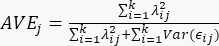
The initial step was to measure the dependability and rationality of all the concepts. Internal dependability was tested by means of Cronbach's Alpha (α) and Composite Reliability (CR), with standards better than 0.70 being considered satisfactory. Convergent rationality was determined by Average Variance Extracted (AVE ≥ 0.50). Discriminant cogency was verified by means of the Fornell–Larcker standard, where the square root of every construct's AVE was greater than its associations with additional concepts. The AVE of a construct j was calculated as:
 (8)
(8)
where λij was the standardized factor loading of item i on construct j, and  is the measurement error.
The measurement model of the current study is depicted in Figure 4. Each protracted TAM framework latent construct was operationalized by several reflective indicators. In particular, Perceived Ease of Use (PEOU) and Perceived Usefulness (PU) were measured with 4 items, whereas Attitude (ATT) and Behavioral Intention (BI) were measured with 3 items. The moderators—Perceived Authenticity (PA) and Anthropomorphism (ANTH)—were each assessed using three indicators. All the paths led from the concepts to their individual pointers, mirroring the reflective nature of the measurement model. Reliability and validity of the concepts were confirmed using factor loadings, Cronbach's alpha, Composite Reliability (CR), and Average Variance Extracted (AVE). This made it statistically sound that the measurement modeland the concepts measure the desired dimensions of user attitudes and behavioral intentions towards Virtual Influencers on short-video platforms.
Structural Model Testing
Once measurement validity was established, the structural paths of the expanded TAM model were examined. The posited direct relationships are as follows:
 (9)
(9)
 (10)
(10)
 (11)
(11)
Where: β1 examined the effect of PEOU → PU, β2, β3 examined the effect of PU and PEOU → ATT, β4 captured the effect of ATT → BI.Path coefficients (β) were computed via the bootstrapping method (5000 resamples), and significance was calculated via t-values and p-values.
Moderation analysis
Moderation analysis was performed to examine the interaction effects. The TAM extended included Perceived Authenticity (PA) and Anthropomorphism (ANTH) as moderators. Moderation was tested by generating interaction terms between independent variables and moderators. The extended model was depicted as:
 (12)
(12)
Here: PU × PA: Tested whether authenticity enhanced the role played by usefulness on attitude. PEOU × ANTH: Assessed if anthropomorphism enhanced the result of Perceived Ease of Use on attitude. TT × PA: Assessed if authenticity strengthened the result of attitude on behavioral intention.A significant β7, β8, or β10 coefficient verified the occurrence of moderation.
Model evaluation
The model as a whole was assessed in terms of explanatory and predictive power:
Coefficient of determination (R2): Signified the clarified alteration in endogenous constructs (ATT and BI). R2 ≥ 0.50 was regarded as large in behavioral studies.
Predictive relevance (Q2): Was determined through blindfolding, with Q2 > 0 indicating predictive validity.
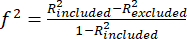
Effect size (f2): Was employed to ascertain the effect of every construct on the model and is calculated as:
 (13)
(13)
Where was variance explained when including a predictor, and  was variance when excluding it. In conclusion, the data analysis initially confirms construct reliability and validity, tests TAM's structural relationships, assesses the moderation effects of anthropomorphism and authenticity, and, lastly, checks for the descriptive and extrapolative control of the typical. This thorough approach ensures the soundness of the findings and extends TAM to the case of Virtual Influencers on short-video platforms.
Hypothesis testing
To confirm the extended TAM framework, eight hypotheses were tested using PLS-SEM with bootstrapping (5000 resamples). The bootstrapping process created trail constants (β), t-values, and p-values, which were set against the critical threshold (p < 0.05).
Direct Effects (H1–H4)
The direct impacts of the classical TAM were assessed first. Findings verified that Perceived Ease of Use (PEOU) had an important influence on Perceived Usefulness (PU). The estimated equation is:
(14)
Where β1=0.46, t=8.72, p < 0.001. Accordingly, H1 is supported.
Second, Perceived Usefulness (PU) and PEOU were also found to positively influence Attitude (ATT):
 (15)
(15)
with β2=0.39, t=7.64, p < 0.001 and β3=0.21, t=2.14, p < 0.05. These findings strongly support H2 and partial support H4, reinforcing that both Perceived Ease of Use and usefulness move attitudes.
Lastly, ATT's influence on Behavioral Intention (BI) was significant:
(16)
with β4=0.58, t=10.12, p < 0.001. Therefore, H3 is strongly supported, emphasizing that positive attitudes strongly drive intentions to use Virtual Influencers.
Moderating effects (H5–H8)
The moderating impacts of Perceived Authenticity (PA) and Anthropomorphism (ANTH) were tested by incorporating interaction terms.
For H5, PU's effect on ATT was moderated by PA:
 (17)
(17)
with β5=0.15, t=3.21, p < 0.01. This suggests that if VIs is seen as authentic, their usefulness has a stronger influence on attitudes.
For H6, the ATT → BI moderation by PA was also significant:
 (18)
(18)
with β6=0.12, t=2.94, p<0.01. This implies authenticity has a stronger connection between positive attitudes and behavioral intention.
For H7, anthropomorphism ANTH moderates the effect of PEOU on ATT:
 (19)
(19)
with β7=0.14, t=3.08, p < 0.01. Accordingly, when VIs is more human-like, ease of use works more powerfully into positive attitudes.
For H8, anthropomorphism also enhanced the ANTH moderates PU → ATT path:
 (20)
(20)
with β8=0.11, t=2.21, p < 0.05.
Model performance was assessed using R2 for explanatory power, Q2 for predictive relevance, and effect size (f2) for evaluating the contribution of each predictor.
Access restricted. Please log in or start a trial to view this content.
Results
A total of 350 usable responses were obtained from active users of short-video applications (Instagram Reels, YouTube Shorts, and TikTok). The data were analyzed using Partial Least Squares Structural Equation Modeling (PLS-SEM) in SmartPLS 4.0, following preprocessing and the exclusion of incomplete responses. This approach enabled the evaluation of both measurement and structural models, as well as moderation effects.
The results confirmed the validity of the proposed extended TAM framework....
Access restricted. Please log in or start a trial to view this content.
Discussion
To validate the constructs, the measurement model was assessed for reliability, convergent validity, and discriminant validity39,40. The study’s findings provide important insights into the factors influencing user adoption of Virtual Influencers (VIs) on short-video platforms. The results indicate that both technological (Perceived Usefulness and Perceived Ease of Use) and psychological (Perceived Authenticity and Anthropomorphism) factors significantly in...
Access restricted. Please log in or start a trial to view this content.
Disclosures
The authors declare no conflicts of interest.
Acknowledgements
The authors gratefully acknowledge the institutional support of The AzmanHashim International Business School, UniversitiTeknologi Malaysia, and the College of Innovation and Entrepreneurship, Sichuan Tourism University, for providing resources and academic guidance during this research. This research was funded by the Sichuan Cuisine Development Research Center Fund Project (CC24G18).
Access restricted. Please log in or start a trial to view this content.
Materials
| Name | Company | Catalog Number | Comments |
|---|---|---|---|
| Computer System (PC/Laptop) | Generic (HP/Dell/Lenovo or equivalent) | N/A | Used for data collection and analysis |
| Google Forms | Google LLC | N/A / https://forms.google.com | Used for survey design and data collection |
| Instagram Reels | Meta Platforms Inc. | N/A / https://www.instagram.com/reels/ | Platform for virtual influencer video stimuli |
| Internet Connection | Local Internet Service Provider | N/A | Required for accessing survey and platforms |
| Microsoft Excel | Microsoft Corporation | 365 / https://www.microsoft.com/excel | Used for data preprocessing and organization |
| Python | Python Software Foundation | 3.x / https://www.python.org | Used for optional preprocessing and data handling |
| SmartPLS | SmartPLS GmbH | 4.0 / https://www.smartpls.com | Used for PLS-SEM analysis including HTMT, Q² (blindfolding), and f² effect size |
| TikTok | TikTok Inc. | N/A / https://www.tiktok.com | Platform for virtual influencer video stimuli |
| Virtual Influencer Video Clips | Author-generated dataset | N/A | Standardized video stimuli presented to participants |
| YouTube Shorts | Google LLC | N/A / https://www.youtube.com/shorts | Platform for virtual influencer video stimuli |
References
- Ju, N., Kim, T., Im, H. Fake human but real influencer: The interplay of authenticity and humanlikeness in virtual influencer communication. Fashion Text. 11, 16(2024).
- Barari, M., Ross, M., Moghddam, H. A. Virtual influencers’ anthropomorphism, consumer engagement and/or well-being. J Consum Mark. 42, 673-688 (2025).
- Deng, F., Jiang, X. Effects of human versus virtual human influencers on the appearance anxiety of social media users. J Retail Consum Serv. 71, 103233(2023).
- Barari, M., Ross, M., Moghddam, H. A., et al. A meta-analysis of customer engagement behaviour. Int J Consum Stud. 45, 457-477 (2021).
- Barari, M. Unveiling the dark side of influencer marketing: How social media influencers (human vs virtual) diminish followers’ well-being. Mark Intell Plan. 41, 1162-1177 (2023).
- Audrezet, A., De Kerviler, G., Moulard, J. G. Authenticity under threat: When social media influencers need to go beyond self-presentation. J Bus Res. 117, 557-569 (2020).
- Geyser, W. The state of influencer marketing 2022: Benchmark report. , Influencer Marketing Hub. (2023).
- da Silva Oliveira, A. B., Chimenti, P. Humanized robots: A proposition of categories to understand virtual influencers. Australas J Inf Syst. 25, (2021).
- Jin, S., Park, H., Lee, J. Comparing the impact of virtual and human influencers on social media users’ self-perception. Comput Hum Behav. 140, 107573(2023).
- Miao, F., Kozlenkova, I. V., Wang, H., et al. An emerging theory of avatar marketing. J Mark. 86, 67-90 (2022).
- Moustakas, E., Lamba, N., Mahmoud, D., et al. Blurring lines between fiction and reality: Perspectives of experts on marketing effectiveness of virtual influencers. ProcIntConf Cyber SecurProt Digit Serv, , (2020).
- Hiort, A. How many virtual influencers are there?. , Virtual Humans. (2022).
- Conti, M., Gathani, J., Tricomi, P. P. Virtual influencers in online social media. IEEE Commun Mag. 60, 86-91 (2022).
- Arsenyan, J., Mirowska, A. Almost human? A comparative case study on the social media presence of virtual influencers. Int J Hum Comput Stud. 155, 102694(2021).
- Shin, J., Lee, S. Intimacy between actual users and virtual agents: Interaction through likes and comments. Proc 14th IntConf Ubiquitous InfManagCommun, , (2020).
- Bie, Y., Zhang, X., Li, H., et al. Beyond the shores of reality: The effect of virtual influencers on luxury perception and its downstream consequence. Psychol Mark. , (2025).
- Belanche, D., Casaló, L. V., Flavián, M. Human versus virtual influences: A comparative study. J Bus Res. 173, 114493(2024).
- Kästner, E., Baczynski, M. Believe me, even though I am fake: How the credibility of real and virtual influencers affects purchase intention. J Media Bus Stud. , (2025).
- Li, Q., Wang, T. Adoption of short-video e-commerce apps among university students: An extended TAM approach. Electron Commer Res. 24, 879-901 (2024).
- Singh, A., Kumar, P. User behavior in TikTok shopping: Insights from Technology Acceptance Model. J Retail Consum Serv. 71, 104005(2024).
- Wang, S., Wang, Y., Li, X., et al. Leveraging TikTok for active learning in management education: An extended technology acceptance model approach. Int J Manag Educ. 22, 101009(2024).
- Koles, B., Szabo, K., Kovacs, A., et al. The authentic virtual influencer: Authenticity manifestations in the metaverse. J Bus Res. 170, 114325(2024).
- Park, S., Kim, H., Choi, Y. Consumer trust and engagement with virtual influencers: The role of perceived authenticity. J Interact Mark. 59, 45-58 (2025).
- Zhang, W., Li, F., Zhou, R. Perceived realism and human-likeness of virtual influencers: Effects on consumer engagement. Comput Hum Behav. 149, 107843(2024).
- Li, C., Huang, F. The impact of virtual streamer anthropomorphism on consumer purchase intention: Cognitive trust as a mediator. Behav Sci. 14, 1228(2024).
- Ross, M., Barari, M., Moghddam, H. A. Anthropomorphism of virtual influencers and consumer engagement in social media. J Mark Manag. 41, 1150-1168 (2025).
- Vafaei-Zadeh, A., Nikbin, D., Wong, S. L., et al. Investigating factors influencing AI customer service adoption: An integrated model of SOR and TTF theory. Asia Pac J Mark Logist. , (2024).
- Huo, C., Wang, X., Sadiq, M. W., et al. Exploring factors affecting consumer impulse buying behavior in live-streaming shopping: An SOR-based study. SAGE Open. 13, 21582440231172680(2023).
- Gao, L., Chen, Y., Liu, X., et al. The impact of artificial intelligence stimuli on customer engagement and value co-creation. J Res Interact Mark. 17, 317-333 (2022).
- Parhamnia, F. Investating mobile acceptance in academic library services based on UTAUT-2. J AcadLibrariansh. 48, 102570(2022).
- Wang, Z., Jiang, Q. Willingness of Generation Z consumers to use virtual try-on services based on SOR. Systems. 12, 217(2024).
- Conde, R., Casais, B. Micro, macro and mega-influencers on Instagram. J Bus Res. 158, 113708(2023).
- Dong, X., Zhou, R., Liao, J. Mega-influencer follower effect. Eur J Mark. , (2024).
- Berman, R., Ory, A., Zheng, X. Influence or advertise: The role of social learning in influencer marketing. , Yale University. (2023).
- Walter, N., Föhl, U., Zagermann, L. Impact of influencer characteristics on influencer success. J Curr Issues Res Advert. 46, 1-23 (2024).
- Li, W., Zhao, F., Lee, J. M., et al. Micro vs mega influencers and word of mouth. J Bus Res. 171, 114387(2024).
- Tian, Z., Dew, R., Iyengar, R. Influencer selection using follower elasticity. J Mark Res. 61, 472-495 (2024).
- Keasey, K., Lambrinoudakis, C., Mascia, D. V., et al. Impact of social media influencers on financial performance. EurFinancManag. 31, 745-785 (2025).
- Davis, F. D. Perceived usefulness, perceived ease of use, and user acceptance of information technology. MIS Q. 13, 319-340 (1989).
- Venkatesh, V., Bala, H. Technology acceptance model 3 and a research agenda on interventions. Decis Sci. 39, 273-315 (2008).
Access restricted. Please log in or start a trial to view this content.