The protocol explains the creation of the nursing quality control index system for emergency life support medical equipment, combining vector machine models for follow-up.
Method Article
Information-Based Quality Control System for Emergency Life Support Medical Equipment Using an SSA-Optimized SVM
Opens in a new tab
In This Article
Summary
Loading...
$$\rightleftharpoonup{xx}$$
$$\longleftharp{xx}$$,
$$\longrightharp{xx}$$,
Abstract
Loading...
$$\rightleftharpoonup{xx}$$
$$\longleftharp{xx}$$,
$$\longrightharp{xx}$$,
Currently, medical institutions lack a comprehensive and reliable quality control indicator system that leverages information platforms to assist nursing staff in managing instruments and equipment. To address this issue, a nursing quality control index system was designed based on management requirements, nursing operation procedures, and quality standards for emergency life support medical equipment. This index system uses an improved support vector machine (SVM) model to facilitate information-based monitoring of equipment, aiming to provide guidance for improving imperfect management and non-standard use of instruments and equipment. The results show that under information-based monitoring of the quality control system, the average execution rate of scanning medical orders in each department can exceed 80%. The timely maintenance rate of equipment in most departments can exceed 90%, with only a few exceptions. This quality control system for emergency life support medical equipment, designed for research purposes, can effectively monitor the maintenance of equipment in various departments, and achieve and promote standardized management and use of instruments and equipment.
Introduction
Loading...
$$\rightleftharpoonup{xx}$$
$$\longleftharp{xx}$$,
$$\longrightharp{xx}$$,
Emergency life support medical equipment, such as ventilators, anesthesia machines, defibrillators, etc., plays a critical role in emergency medical situations to maintain or restore patients' vital signs1. With the rapid development of medical technology, these devices have become crucial in rescuing critically ill patients and maintaining vital signs. These devices must always ensure their complete functionality and usability, as any malfunction in the equipment when the patient's life is in danger can hinder timely rescue2,3. A robust quality control system for medical equipment is crucial to ensure its normal operation. By establishing and maintaining an effective quality control system, the failure rate of medical equipment can be reduced, the quality of equipment use can be guaranteed, the reliability and service life of medical equipment can be enhanced, and maintenance costs can be decreased4,5. Recent evidence further emphasizes that structured maintenance and quality control programs—supported by information systems—improve traceability of maintenance activities, reduce preventable downtime, and strengthen clinical engineering decision-making for hospital equipment management6,7. Moreover, growing research on data-driven and artificial intelligence approaches indicates that predictive models can support preventive maintenance scheduling and early failure risk identification for hospital devices, thereby improving reliability and operational readiness8,9,10.
The traditional support vector machine (SVM) is widely applied in pattern recognition and machine learning; however, its performance is limited by the selection of relevant parameters and kernel functions11. Accordingly, metaheuristic optimization has been increasingly integrated with machine learning to tune model parameters and improve generalization, especially under nonlinear and high-dimensional conditions relevant to healthcare operational data12. Due to the complexity of emergency life support medical equipment and the particularities of its usage environment, there is currently a lack of systematic research on its quality control. In addition, prior studies note persistent heterogeneity in hospital maintenance practices and quality monitoring workflows, which can limit standardization and timely corrective actions across departments13. However, existing studies have generally examined predictive maintenance modeling or quality management systems in isolation, without formally integrating structured hospital quality indicators, fuzzy weighting mechanisms, and metaheuristic-optimized classification models within a unified governance architecture. Although SVM and Sparrow Search Algorithm (SSA) have been applied in industrial prediction tasks, their systematic embedding into hospital quality control workflows for emergency life support medical equipment remains insufficiently explored. This study, therefore, distinguishes itself by combining computational optimization, structured indicator evaluation, and institutional quality governance within a single operational framework. Such methodological separation limits practical interpretability and institutional scalability. Based on the above considerations, the present study seeks to address the following research questions: (i) Can an ISSA-optimized SVM model improve predictive performance for quality control classification of emergency life support medical equipment compared with non-optimized approaches? (ii) Can the integration of structured indicator weighting, fuzzy evaluation, and metaheuristic optimization enhance the operational effectiveness and standardization of hospital equipment quality control systems?
Accordingly, the central research hypothesis of this study is that embedding an ISSA-optimized SVM model within a PDCA-based quality control architecture will significantly improve predictive accuracy, robustness, and operational interpretability compared with conventional quality monitoring methods.
To this end, relevant algorithms are studied to optimize the quality control system of emergency life support medical equipment. An improved SVM model grounded on the Sparrow Search Algorithm (SSA) is proposed to further enhance the capability of SVM. Optimization of relevant parameters of SVM enhances the generalization ability of the model, making it more robust in handling nonlinear and high-dimensional data, and improving its practical performance in quality control systems.
The specific objectives of this study are therefore: (i) to construct a hierarchical quality control indicator system for emergency life support medical equipment; (ii) to develop and optimize an SVM classification model using the Sparrow Search Algorithm; and (iii) to embed the optimized predictive model within a PDCA-driven hospital quality control system to evaluate its operational feasibility and performance.
The primary innovation of this study lies in introducing the SSA to optimize the key parameters of the SVM model, thereby improving the model's data processing capability and generalization performance. This model was then applied to information-based monitoring of the quality control of emergency life-support medical equipment. From a practical implementation perspective, the proposed framework can be deployed using routinely available hospital information sources (e.g., equipment maintenance logs, inspection/usage records, and barcode- and Personal Digital Assistant (PDA)-related operational data), thereby supporting feasibility without requiring additional specialized sensing infrastructure. Accordingly, this study contributes by proposing and empirically validating a methodologically integrated framework that combines structured indicator weighting, fuzzy evaluation, and ISSA-optimized SVM modeling within a PDCA-based hospital quality control architecture.
Access restricted. Please log in or start a trial to view this content.
Protocol
Loading...
$$\rightleftharpoonup{xx}$$
$$\longleftharp{xx}$$,
$$\longrightharp{xx}$$,
The study protocol was submitted for ethics review to the Ethics Committee of Liyang People's Hospital, Jiangsu Province, China (Project Approval No. JDYY2023158, protocol version 1.0, dated 09 February 2023). The study utilized de-identified hospital equipment management and maintenance records obtained from the hospital's computerized maintenance management system (CMMS). The dataset contained no patient-level clinical data, personal identifiers, or biological samples. Because the research involved institutional equipment management data without human participants, informed consent was not required in accordance with institutional research governance guidelines and Good Clinical Practice (GCP) requirements. All datasets supporting model development, optimization, validation, and reproducibility—including indicator definitions, SSA optimization logs, parameter configurations, and prediction outputs—are provided in Supplementary File 1.
Construction of a quality control system for emergency life support medical equipment
The development of a quality control system for emergency life-support medical equipment requires the participation of multiple parties. The integrity and effectiveness of the quality control system are repeatedly demonstrated through communication and negotiation among multiple departments and personnel, and a comprehensive, scientific quality control system is constructed 14,15. The study adopted the widely used Deming Ring method in quality management and other management fields to select indicators and construct related systems for quality control. This approach achieves continuous improvement and learning through four stages of cyclic repetition. The quality control system for emergency life support medical equipment based on the Deming Ring theory is presented in Figure 1.
To ensure replicability of the quality control framework, the PDCA cycle was operationalized through a structured implementation procedure. During the planning phase, the scope of equipment was defined to include emergency life support medical equipment such as ventilators, anesthesia machines, and defibrillators across participating departments. A digital equipment inventory was established using the hospital's computerized maintenance management system (CMMS)16, and each device was assigned a unique identification number to ensure traceability. Essential attributes, including equipment type, manufacturer or model, departmental location, acquisition date, risk classification, inspection interval, and complete maintenance history, were recorded within the CMMS (see Supplementary File 1 for detailed equipment-level dataset structure). Operational definitions were formulated for each evaluation indicator. For example, maintenance timeliness was defined as completion within a predefined number of days from the scheduled maintenance date, and inspection compliance was calculated as the number of completed inspections divided by the required inspections multiplied by 100%. Responsibilities were explicitly assigned to clinical engineering personnel, equipment users, and departmental supervisors, and routine reporting intervals were defined on a monthly and quarterly basis.
Implementation phase:
During the implementation phase, structured records were extracted from the CMMS, including preventive maintenance work orders, inspection logs, corrective maintenance reports, and equipment downtime records. These data were integrated with barcode or handheld device–generated operational logs using equipment identifiers and timestamp matching to ensure data consistency. Preventive maintenance and inspection activities were conducted in accordance with institutional standard operating procedures (SOPs), and all completion times, findings, corrective actions, and verification results were documented in the CMMS.
Inspection phase:
In the inspection phase, data validation and quality assurance procedures were conducted to ensure accuracy and reliability. Duplicate records were removed, missing values were assessed, and equipment identifiers were reconciled across departmental datasets. Records lacking essential identifiers or timestamp information were excluded from subsequent analysis. Indicator values were computed at both departmental and equipment-category levels, and summary quality control reports were generated. Evaluation thresholds were predefined as follows: ≥ 90% compliance was categorized as excellent, 80–89% as acceptable, 70–79% as "needs improvement," and <70% as poor. These thresholds were applied uniformly across departments to ensure standardized performance grading. A random subset of records was cross-verified against original system logs to confirm data integrity.
Action phase:
In the action phase, performance outcomes were reviewed to identify deficiencies and improvement opportunities. For indicators demonstrating suboptimal performance, root causes such as workflow delays, insufficient staffing, supply-chain interruptions, or documentation gaps were systematically analyzed. Corrective measures were formulated, including adjustments to maintenance intervals, escalation thresholds, or supervision mechanisms. These modifications were implemented in the subsequent PDCA cycle to support continuous quality improvement17.
Planning phase:
In the planning phase, research was conducted to clarify the objectives to be achieved after using the equipment quality control system; concurrently, the work plan for the next phase was organized. In the execution phase, research was conducted on building an organizational management system, an equipment usage process management system, and an equipment assurance quality control system, based on the previous phase's quality control system for emergency life support medical equipment, and relevant evaluation indicators were determined18. Research during the inspection stage evaluated and scored the quality control levels of medical institutions using the relevant evaluation indicators from the previous stage. In the processing stage, the evaluation results from the previous stage were summarized, problems in the quality control system were analyzed, and improvements were made to address the issues identified in the next cycle. Based on the above methods, a process model for quality control of emergency life support medical equipment, as represented in Figure 2, was built.
In this model (Figure 2), the equipment type and the level of quality control were determined according to the requirements of relevant medical institutions. Then, an evaluation system to assess the quality control level was set up for the equipment to evaluate its quality control level. Based on the evaluation results, the equipment quality control system was optimized and improved. In this process, relevant systems were scientifically established to standardize the use of medical equipment and continuously ensure that the equipment remained in an effective state. Medical institutions should regularly write quality control reports, conduct data analysis, and evaluate the performance of relevant content to further optimize the quality control system. Through the above-mentioned cycle, the quality control system for emergency life support medical equipment can gradually be improved. In response to the high risk, high regulatory requirements, multi-functionality, and complexity of emergency life support medical equipment, this study categorized the quality control system of emergency life support medical equipment into three parts, including organizational management system, equipment usage system, and equipment assurance quality control system19. A panel of 12 experts in clinical engineering and hospital equipment management participated in the weighting process (see Supplementary File 1 for expert weighting matrix and fuzzy evaluation inputs). Each expert independently scored the three subsystems using a 5-point Likert scale (1 = very low importance, 5 = very high importance). The collected scores were aggregated and converted into triangular fuzzy numbers for subsequent weighting analysis. The weight scores of each subsystem were then calculated using equation (1).
 (1)
(1)
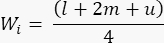
Here,  represents the weighted average weight score of each subsystem, M is the number of experts and i is the coefficient of each subsystem. After obtaining the above calculation results, they were converted into precise values to obtain the weight scores of each subsystem. The conversion is mentioned in equation (2).
 (2)
(2)
Here, Wi is the weight score of each subsystem, l is the lowest score of the indicator, m is the most likely score of the indicator, and u represents the highest score of the indicator. In practical computation, triangular fuzzy numbers were represented as (l, m, u), corresponding to the lowest, most likely, and highest expert scores, respectively. Defuzzification was performed using the centroid method defined as (l + m + u) / 3 to convert fuzzy weights into crisp values for subsequent quantitative analysis. The three-level evaluation system for equipment quality control indicators established through research is presented in Figure 3 (detailed indicator definitions and evaluation criteria and fuzzy membership functions are provided in Supplementary File 1).
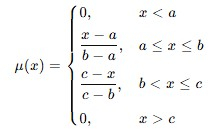
The membership functions of each indicator are mentioned in equation (3).
 (3)
(3)
Here, μ(x) represents the membership function of each indicator score, and x represents the score of each indicator. Membership values were computed programmatically for each indicator score and used to determine the degree of belonging to predefined quality categories prior to final scoring.
Improved support vector machine model based on the Sparrow search algorithm
SVM model and computational environment
SVM is an algorithm commonly applied in machine learning, mainly for categorization and prediction analysis. All computational experiments were conducted using Python 3.9 within the Anaconda environment. The Support Vector Machine (SVM) classifier was implemented using the scikit-learn library (version 1.2.2). Numerical computation and data manipulation were performed using NumPy (version 1.23) and Pandas (version 1.5). Experiments were executed on a workstation equipped with an Intel i7 processor and 16 GB RAM. SPSS 25.0 was used for statistical comparison and descriptive analysis of model outputs. The SVM model was applied to analyze historical quality control data of emergency life support medical equipment, accurately predict the quality of emergency life support medical equipment, and achieve control over the quality of such equipment20.
Motivation for SSA-based optimization
Although simpler classification methods, such as logistic regression, decision trees, and non-optimized SVM models, are commonly applied in predictive maintenance studies, preliminary comparative analysis in this study demonstrated reduced generalization stability under nonlinear and high-dimensional indicator conditions. Emergency life support medical equipment quality indicators exhibit multicollinearity, nonlinear interactions, and heterogeneous distributions across departments. Therefore, a metaheuristic-optimized SVM framework was adopted to enhance hyperparameter tuning robustness and improve classification boundary stability compared with conventional grid-search or default-parameter approaches.
Hard-margin and soft-margin SVM formulation
SVM is applied to discover a hyperplane that maximizes the gap between different categories of data. For linearly separable data, SVM searches for an optimal hyperplane that maximizes the margin between two classes. For linearly separable data, the goal of SVM is to minimize model complexity while ensuring that all training samples can be correctly classified, as shown in equation (5)21.
min (1/2) ||w||2
subject to: yi (wT xi + b) ≥ 1, for i = 1, 2, ..., n (5)
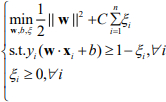
In equation (5), w is the hyperplane normal vector, b is the bias term, yi is the class label of the i the sample, and xi is the feature vector of the i the sample. In practical situations, data is often non-linearly separable. By introducing slack variables, soft-margin SVM allows some samples to violate interval rules; the optimization problem of soft-margin SVM is shown in equation (6)22.
 (6)
(6)
In equation (6), C is the penalty parameter and  is the slack variable.
Kernel function and decision function
SVM employs kernel functions to map non-linear separable data to a high-dimensional space. Common kernel functions include linear kernel, polynomial kernel, and Gaussian radial basis kernel. Among these, Gaussian radial basis kernels have strong nonlinear mapping capabilities and are suitable for complex non-linear problems. They can also control the width of the decision boundary by adjusting parameters, as shown in equation (7)23.
 (7)
(7)
In equation (7), γ is the decision boundary adjustment parameter. Multi-kernel SVM can improve classification performance by combining different kernel functions. The solution of SVM optimization problems mostly relies on the Lagrange multiplier method and dual problem solving; the final classification decision function is presented in equation (8).
 (8)
(8)
In equation (8), αi is the Lagrange multiplier. SVM involves various parameters in practical applications, and if the parameter settings are not reasonable, this can lead to a decrease in the classification and prediction performance of SVM.
SSA-based hyperparameter optimization
To enhance SVM performance, the SSA was employed for hyperparameter optimization. In this study, SSA was selected over other commonly used metaheuristic optimization methods (e.g., Genetic Algorithm (GA) and Particle Swarm Optimization (PSO)) because it requires fewer control parameters, demonstrates competitive convergence speed, and provides strong global search capability, which is beneficial for nonlinear and high-dimensional quality control datasets. In addition, SSA's discoverer–follower–alert mechanism enhances exploration and exploitation balance, which improves the probability of escaping local optima during hyperparameter tuning compared with methods that may prematurely converge under complex fitness landscapes. Compared with GA and PSO, SSA provides stronger exploration ability during early iterations and improved convergence stability in later stages, which is beneficial for optimizing SVM hyperparameters in heterogeneous hospital equipment datasets containing nonlinear relationships and multicollinearity.
Specifically, SSA was used to optimize the key SVM hyperparameters, including the penalty parameter (C) and kernel-related parameter(s) (e.g., γ for the radial basis function (RBF) kernel). In this study, the SSA was configured with a population size of 30 individuals and a maximum iteration number of 100. The proportions of discoverers, followers, and alert individuals were set to approximately 20%, 60%, and 20%, respectively. The convergence tolerance threshold was defined as 1 × 10⁻6. The search ranges for SVM hyperparameters were defined on a logarithmic scale, with the penalty parameter (C) and kernel parameter (γ) bounded within [10⁻3, 103]. Each sparrow individual encoded a candidate solution vector [C, γ], and a Bernoulli chaotic mapping was used to initialize the population within predefined bounds to enhance diversity and reduce the probability of premature convergence. When a multi-kernel strategy was adopted, the kernel weight coefficients were also treated as decision variables. The SSA fitness function was defined as the classification error (or equivalently, 1 − accuracy) on the validation set, thereby directly targeting improved generalization performance (optimization process, iteration logs, and parameter configuration are provided in Supplementary File 1). Parameter search ranges (bounds) were pre-defined to ensure feasible and stable solutions (e.g., C ∈ [10⁻3, 103], γ ∈ [10⁻3, 103]) (detailed search space is summarized in Supplementary File 1), and the final parameter set was selected as the global best solution returned by SSA under the stopping criterion (maximum iterations or convergence tolerance). To ensure reproducibility, intermediate optimization checkpoints were defined. Convergence was considered achieved when the change in validation fitness value between successive iterations was less than 1 × 10⁻6 for five consecutive iterations or when the maximum iteration number (100) was reached. Validation accuracy ≥ 80% was considered acceptable during optimization. The global best fitness value and corresponding parameter vector [C, γ] were recorded at each iteration to ensure traceability of the optimization process.
SSA algorithm and position update mechanism
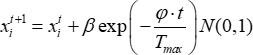
SSA is a population-based intelligent optimization algorithm that simulates the behavior of sparrows in their search for food and includes three roles: discoverer, follower, and alert. During the execution of SSA, it is important to establish a sparrow population, initialize its position and velocity, and calculate the fitness score of each sparrow in the population. During this process, the discoverer needs to constantly update its location, as mentioned in equation (9)24.
 (9)
(9)
In equation (9),  is the position of the i the sparrow in the initial population at the t the iteration, β is the step size, φ is the attenuation factor, Tmax is the maximum number of iterations, and N(0,1) is a standard normal distribution random number. The position of the follower also changed with the position of the discoverer; the formula for updating the follower position is shown in equation (10).
 (10)
(10)
In equation (10),  is the best location of the current discoverer and λ is the learning factor. The location of the alert also changed accordingly; the formula for updating its location is shown in equation (11).
 (11)
(11)
In equation (11),  is the position of another randomly selected sparrow and δ is the update step size of the alert. During this process, the iteration can be stopped if the maximum number of iterations is achieved or the conditions are met. The SSA employs a random generation method when establishing and initializing the population. However, when generating sparrow individuals, this method may result in a majority of individuals being generated in the same area, leading to extremely uneven population distribution. This search process may fall into local optima. In response to this issue, the study proposes adopting Bernoulli mapping and a reverse learning mechanism as the initialization generation mechanism for sparrow populations. The Bernoulli map is a mathematical chaotic map, defined as a discrete-time dynamic system on the interval [0,1], and its iteration rule is shown in equation (12).
an+1 = { an / (1 − an), if 0 ≤ an < 1/2
(an − 1) / an, if 1/2 ≤ an ≤ 1 } (12)
In equation (12), n is the number of chaotic iterations and an is the Bernoulli mapping value. After the SSA progresses into the later stage, the population diversity rapidly decreases, leading to the algorithm falling into local optima. Therefore, the study proposes introducing a mixed perturbation mechanism to prompt the algorithm to address this limitation. The mixed disturbance mechanism designed for research is based on two techniques: the firefly algorithm and Gaussian mutation, as shown in Figure 4.
After each iteration of the SSA, the mixed perturbation mechanism is applied to detect the stagnation of the sparrow population, as shown in Figure 4. If stagnation occurs, the firefly algorithm perturbs the sparrow population. Firefly disturbance of the sparrow population requires the estimation of the attraction of fireflies to sparrows, as shown in equation (13).
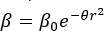 (13)
(13)
In equation (13), β0 is the initial attractiveness of the individual, θ is the light intensity absorption coefficient, and r is the distance between two individuals. The position of fireflies is updated based on individual attractiveness, as shown in equation (14).
 (14)
(14)
In equation (14),  is the location of the i firefly in the t iteration, bbest is the current optimal position of the firefly, ε is the random step size parameter, and e is the random vector extracted from the normal distribution. If the sparrow population does not stagnate, Gaussian mutation is performed on the current optimal sparrow individual, as shown in equation (15).
 (15)
(15)
In equation (15), σ is the standard deviation. After the treatment of the sparrow population, the acceptance of the new position is determined according to the principle of greed. If the fitness value of the new location is better than the current location, the new location is accepted; otherwise, the original position is maintained.
As shown in Figure 5, the operation process of the Improved Sparrow Search Algorithm (ISSA) primarily includes initializing the sparrow population, calculating the fitness values of individual sparrows, dividing discoverers, followers, and alerts based on fitness values, and iteratively updating the positions of these three categories of sparrows through an improved position update formula. A mixed perturbation mechanism based on the firefly algorithm and Gaussian mutation was introduced to augment the global searching capability of the algorithm. Meanwhile, an elite reverse learning method was used to further improve the convergence velocity and precision of the algorithm. Finally, the above process was repeated until the stopping criterion was met, and the best solution was produced.
Data processing and model training
The dataset was partitioned using stratified sampling into 70% training data, 15% validation data, and 15% independent testing data to preserve class balance (cross-validation and data split structure are detailed in Supplementary File 1). Feature scaling was performed using min–max normalization fitted exclusively on the training dataset, and the learned scaling parameters were applied to validation and testing datasets to prevent data leakage. Kernel principal component analysis (KPCA)25 was applied to the training dataset for dimensionality reduction using an RBF kernel with γ = 0.1 and the number of retained components set to preserve 95% cumulative variance. The KPCA transformation matrix was fitted exclusively on the training dataset and subsequently applied unchanged to the validation and testing sets to prevent data leakage. Continuous variables were normalized using min–max scaling defined as (x − xmin) / (xmax − xmin), where xmin and xmax were calculated from the training dataset only. SSA optimized the SVM hyperparameters by minimizing the classification error rate (1 − accuracy) computed on the validation dataset. After identifying the optimal parameter combination, the final SVM model was retrained using the combined training and validation datasets and evaluated on the independent test dataset.
The ISSA-enhanced SVM model begins with data preprocessing and feature selection for the quality control testing of emergency life support medical equipment. To enhance methodological transparency and reproducibility, the data preprocessing and model training workflow was structured as follows. Equipment-level records were exported from the CMMS, including maintenance logs, inspection outcomes, and work order status (see Supplementary File 1 for raw equipment and maintenance event datasets). These records were merged with barcode or handheld device scanning logs using equipment identifiers and timestamp information to ensure accurate linkage.
Data cleaning procedures were conducted prior to modeling. Duplicate entries were removed, and records missing essential identifiers or timestamps were excluded. For numerical variables with limited missingness, median imputation was applied, whereas variables with excessive missing values were excluded from the analysis. Categorical variables such as department and equipment type were encoded using one-hot encoding, and continuous variables were normalized using min–max scaling to ensure compatibility with the SVM algorithm.
Hyperparameter optimization was performed using SSA or ISSA to identify the optimal penalty parameter (C) and radial basis function kernel parameter (γ). The fitness function was defined as the classification error rate on the validation dataset. After identifying the optimal parameter set, the final SVM model was retrained using the combined training and validation data and subsequently evaluated on the independent test dataset. For methodological justification, the optimized ISSA-SVM model was quantitatively compared with baseline models, including (i) standard SVM with default parameters, (ii) grid-search optimized SVM, and (iii) logistic regression classifier. Comparative evaluation was performed using identical training–validation–testing splits to ensure fairness. Performance improvements were assessed based on differences in accuracy, precision, recall, and F1-score.
The proposed framework was designed for implementation in secondary and tertiary hospitals equipped with digital equipment management systems and required only structured maintenance and inspection records without additional sensing infrastructure.
In this study, the dataset was derived from routine hospital quality inspection and maintenance management records related to emergency life support medical equipment. Only structured numerical and categorical indicators associated with equipment status, inspection compliance, barcode/PDA scanning performance, and maintenance timeliness were used as model inputs. Data preprocessing procedures included normalization of continuous variables and encoding of categorical variables to ensure compatibility with the machine learning framework. The proposed system is designed for implementation in secondary and tertiary hospitals with established digital equipment management platforms and does not require additional hardware beyond existing hospital information systems.
Model evaluation and validation
Model performance was quantitatively evaluated using accuracy, precision, recall, F1-score, and confusion matrix analysis. In addition, receiver operating characteristic (ROC) curves and area under the curve (AUC) values were calculated to assess classification discrimination capability. To evaluate statistical robustness, five-fold cross-validation was conducted on the training dataset, and mean ± standard deviation of performance metrics was reported (detailed performance metrics across folds are provided in Supplementary File 1). Performance differences between ISSA-SVM and baseline models were tested using paired t-tests, with significance level set at p < 0.05. All evaluation metrics were calculated using the independent test dataset to ensure unbiased performance estimation. The selection of the ISSA-SVM framework was therefore methodologically motivated by the need to handle nonlinear indicator relationships, prevent premature convergence during hyperparameter optimization, and enhance generalization stability under heterogeneous hospital equipment datasets. The protocol was considered complete after final model evaluation on the independent test dataset and generation of the structured quality control performance report.
Access restricted. Please log in or start a trial to view this content.
Results
Loading...
$$\rightleftharpoonup{xx}$$
$$\longleftharp{xx}$$,
$$\longrightharp{xx}$$,
Quality inspection results of the first quarter information special group
The practical utilization impact of the quality control system for emergency life support medical equipment established in the research was confirmed, and the actual application effect of the quality control system was verified in the experimental area of Liyang People's Hospital. In the first quarter, 28 nursing units were assessed for quality, with the inspection theme being the summary of specialized nursing quality supervis...
Access restricted. Please log in or start a trial to view this content.
Discussion
Loading...
$$\rightleftharpoonup{xx}$$
$$\longleftharp{xx}$$,
$$\longrightharp{xx}$$,
Support Vector Machine models have been widely applied in predictive evaluation and anomaly detection across industrial and healthcare contexts. In the context of healthcare technology management, machine learning has also been increasingly applied to medical device reliability prediction and maintenance decision support, including high-criticality emergency equipment such as defibrillators and ventilators, to improve equipment readiness and reduce unplanned downtime26,
Access restricted. Please log in or start a trial to view this content.
Disclosures
Loading...
$$\rightleftharpoonup{xx}$$
$$\longleftharp{xx}$$,
$$\longrightharp{xx}$$,
The authors declare that they have no conflict of interest.
Acknowledgements
Loading...
$$\rightleftharpoonup{xx}$$
$$\longleftharp{xx}$$,
$$\longrightharp{xx}$$,
This work was supported by the General Project of Jiangsu University's 2023 Medical Education Collaborative Innovation Fund, titled "Construction and Application of an Informationized Nursing Quality Control Index System for Emergency Life Support Instruments and Equipment" (Grant No. JDYY2023158).
Access restricted. Please log in or start a trial to view this content.
Materials
| Name | Company | Catalog Number | Comments |
|---|---|---|---|
| Anesthesia machines | SZEMENTMD Medical Technology Co. | A5 Anesthesia Workstation (B0DS4BFXZ7) | Equipment used for administering and monitoring anesthesia during emergency surgical procedures |
| Computational workstation | Intel Corporation | Intel Core i7-10700 CPU, 16 GB RAM | Hardware platform used for training and evaluating machine learning models |
| Defibrillators | Generic medical device manufacturer | LIFEPAK 15 Monitor/Defibrillator (B0DZTRH229) | Emergency cardiac resuscitation equipment used in life-threatening arrhythmias |
| Deming Ring (PDCA) Method | Not applicable | PDCA Quality Management Cycle | Continuous quality improvement framework for hospital equipment management |
| Kernel Principal Component Analysis module | scikit-learn Developers | RBF Kernel Implementation | Used for dimensionality reduction prior to SVM classification |
| Medical maintenance monitoring system (CMMS) | DAWEI Healthcare Information Technology | Hospital Equipment Management System v3.2 (B0D4YDKLPJ) | Used to collect equipment maintenance logs, inspection records, and operational monitoring data |
| NumPy numerical computing library | NumPy Developers | Version 1.23 | Numerical array operations and scientific computing |
| Pandas data processing library | Pandas Development Team | Version 1.5 | Data preprocessing, dataset integration, and structured data management |
| Python programming environment | Python Software Foundation | Python 3.9 | Core programming environment used for machine learning model development |
| scikit-learn machine learning library | scikit-learn Developers | Version 1.2.2 | Implementation of Support Vector Machine (SVM) classifier |
| Sparrow Search Algorithm optimization module | Custom Python implementation | ISSA-SVM Optimization Framework v1.0 | Metaheuristic algorithm used to optimize SVM hyperparameters |
| SPSS statistical analysis software | IBM Corporation | SPSS Statistics Version 25.0 | Used for statistical analysis and descriptive evaluation of model outputs |
| Ventilators | XNPINDA Medical Equipment Co., Ltd. | ICU Ventilator Series V860 (B0DR8X724D) | Emergency life support medical equipment used for assisted ventilation in critically ill patients |
References
Loading...
$$\rightleftharpoonup{xx}$$
$$\longleftharp{xx}$$,
$$\longrightharp{xx}$$,
- Toscas, F. S., Dias, E. M., Dias, M. L., Santos, T. R., Oliveira, E. J. V. Management of medical equipment in the Brazilian public health system (SUS), historical situation and the context of the COVID-19 pandemic: A focus on lung ventilators. Health Technol. 13 (3), 515-521 (2023).
- Jaureguibeitia, X., Aramendi, E., Wang, H. E., Idris, A. H. Impedance-based ventilation detection and signal quality control during out-of-hospital cardiopulmonary resuscitation. IEEE J Biomed Health Inform. 27 (6), 3026-3036 (2023).
- Ribeiro, V. P., et al. Brazilian brown propolis: An overview about its chemical composition, botanical sources, quality control, and pharmacological properties. Rev Bras Farmacogn. 33 (2), 288-299 (2023).
- Blåka, S., Jacobsen, D. I., Morken, T. Service quality and the optimum number of members in intermunicipal cooperation: The case of emergency primary care services in Norway. Public Adm. 101 (2), 447-462 (2023).
- Mattoli, L., Gianni, M., Burico, M. Mass spectrometry-based metabolomic analysis as a tool for quality control of natural complex products. Mass Spectrom Rev. 42 (4), 1358-1396 (2023).
- Li, J., Mao, Y., Zhang, J. Maintenance and quality control of medical equipment based on information fusion technology. Comput Intell Neurosci. 2022, 9333328(2022).
- Khider, M. O., Hamza, A. O. M. Medical equipment maintenance management system: Review and analysis. J Clin Eng. 47 (3), 151-159 (2022).
- Alkhatib, S. A., et al. AI-driven decision support framework for preventing medical equipment failure and enhancing patient safety: A new perspective. J Multidiscip Healthc. 18, 6299-6313 (2025).
- Zhou, H., et al. Healthcare facilities management: A novel data-driven model for predictive maintenance of computed tomography equipment. Artif Intell Med. 149, 102807(2024).
- Rahman, N. H. A., et al. Predicting medical device failure: A promise to reduce healthcare facilities cost through smart healthcare management. PeerJ Comput Sci. 9, e1279(2023).
- Nanda, S. K., Panda, S. K., Dash, M. Medical supply chain integrated with blockchain and IoT to track the logistics of medical products. Multimed Tools Appl. 82 (21), 32917-32939 (2023).
- Zou, R., Xie, H., Zhong, J., Zheng, S. Optimization of support vector machines based on sparrow search algorithm. ICAICE '23: Proceedings of the 4th International Conference on Artificial Intelligence and Computer Engineering, , (2024).
- Al-Ashi, R., Awad, M., Shamayleh, A., Alzaatreh, A. Medical equipment maintenance performance and influential factors. J Qual Maint Eng. 32 (1), 180-204 (2026).
- Tanveer, M., et al. Comprehensive review on twin support vector machines. Ann Oper Res. 339 (3), 1223-1268 (2024).
- Kurani, A., Doshi, P., Vakharia, A., Shah, M. A comprehensive comparative study of artificial neural network and support vector machines on stock forecasting. Ann Data Sci. 10 (1), 183-208 (2023).
- World Health Organization. Computerized Maintenance Management System. , WHO Medical Device Technical Series. World Health Organization. Geneva. (2011).
- Hertz, E. Medical Equipment Management Program Standards—ANSI/AAMI EQ56 and ANSI/AAMI EQ89. Clinical Engineering Handbook. , Academic Press. (2020).
- Chen, P. H., Fan, R. E., Lin, C. J. A study on SMO-type decomposition methods for support vector machines. IEEE Trans Neural Netw. 17 (4), 893-908 (2006).
- Ehteram, M., Ahmed, A. N., Sheikh Khozani, Z., El-Shafie, A. Convolutional neural network-support vector machine model-Gaussian process regression for predicting monthly and daily rainfall. Water Resour Manag. 37 (9), 3631-3655 (2023).
- Awadallah, M. A., et al. Recent versions and applications of sparrow search algorithm. Arch Comput Methods Eng. 30 (5), 2831-2858 (2023).
- Yue, Y., et al. Review and empirical analysis of sparrow search algorithm. Artif Intell Rev. 56 (10), 10867-10919 (2023).
- Xue, J., Shen, B. A survey on sparrow search algorithms and their applications. Int J Syst Sci. 55 (4), 814-832 (2024).
- Xue, J., Shen, B., Pan, A. An intensified sparrow search algorithm for solving optimization problems. J Ambient Intell Humaniz Comput. 14 (7), 9173-9189 (2023).
- Sun, L., Si, S., Ding, W., Xu, J., Zhang, Y. BSSFS: Binary sparrow search algorithm for feature selection. Int J Mach Learn Cybern. 14 (8), 2633-2657 (2023).
- Schölkopf, B., Smola, A., Müller, K. R. Nonlinear component analysis as a kernel eigenvalue problem. Neural Comput. 10 (5), 1299-1319 (1998).
- Badnjević, A., et al. Evidence-based clinical engineering: Machine learning algorithms for prediction of defibrillator performance. Biomed Signal Process Control. 54, 101629(2019).
- Perunićić, Ž, et al. Enhancing mechanical ventilator reliability through machine learning-based predictive maintenance. Technol Health Care. 33 (3), 1288-1297 (2024).
- Guido, R., Ferrisi, S., Lofaro, D., Conforti, D. An overview on the advancements of support vector machine models in healthcare applications: A review. Information. 15 (4), 235(2024).
- Lameesa, A., et al. Role of metaheuristic algorithms in healthcare: A comprehensive investigation across clinical diagnosis, medical imaging, operations management, and public health. J Comput Des Eng. 11 (3), 223-247 (2024).
- Zamzam, A. H., Hasikin, K., Abdul Wahab, A. K. Integrated failure analysis using machine learning predictive system for smart management of medical equipment maintenance. Eng Appl Artif Intell. 125, 106715(2023).
- Beniacoub, F., et al. Evaluating a computerized maintenance management system in a low resource setting. Health Technol. 11 (3), 655-661 (2021).
- Zamzam, A. H., et al. Prioritisation assessment and robust predictive system for medical equipment: A comprehensive strategic maintenance management. Front Public Health. 9, 782203(2021).
Access restricted. Please log in or start a trial to view this content.
Reprints and Permissions
Request permission to reuse the text or figures of this JoVE article
Request Permission