This protocol predicts potential therapeutic targets and molecular mechanisms of TongBi Formula against osteoarthritis using network pharmacology and molecular docking.
Research Article
A Network Pharmacology and Molecular Docking Study of TongBi Formula for Osteoarthritis
In This Article
Summary
Abstract
This study applied network pharmacology combined with molecular docking to predict the potential therapeutic targets and molecular mechanisms of TongBi Formula (TBF) in osteoarthritis (OA). Active components and corresponding targets of TBF were retrieved from the traditional Chinese medicine Systems Pharmacology Database and Analysis Platform, while OA-related targets were collected from Online Mendelian Inheritance in Man, GeneCards, DrugBank, and Therapeutic Target Database. A network visualization and analysis software was used to construct compound–target and protein–protein interaction (PPI) networks. Gene Ontology functional annotation and Kyoto Encyclopedia of Genes and Genomes pathway enrichment analyses were performed using the Database for Annotation, Visualization and Integrated Discovery platform. Molecular docking analysis was conducted using a molecular docking software to evaluate the predicted binding affinity between key active compounds and core target proteins. A total of 47 overlapping targets between TBF and OA were identified. PPI network analysis highlighted JUN, RELA, IL6, MAPK1, and IL10 as potential hub targets. Enrichment analysis suggested that TBF may regulate inflammation, lipid metabolism, and multiple intracellular signaling pathways associated with OA progression. Molecular docking results demonstrated favorable predicted binding affinities between core active compounds and key OA-related protein targets. These findings provide a computational framework for understanding the potential mechanisms of TBF against OA and support further experimental validation.
Introduction
Osteoarthritis (OA) is a degenerative inflammatory disease of the articular cartilage1. Currently, approximately 58 million adults are affected by OA, and this number is predicted to increase to 78.4 million by 20402. OA is a common cause of joint pain and functional impairment worldwide3. Due to the severe pain associated with OA, patients often experience substantial disability in their daily lives4. Age, female sex, obesity, and joint damage are the main risk factors for OA5. Although the prevalence of OA is extremely high and has a significant impact on healthcare systems, available treatment options remain limited6. Modern medicine commonly adopts symptomatic treatments such as nonsteroidal anti-inflammatory drugs and cartilage protectants. However, long-term administration frequently causes adverse reactions, including gastrointestinal damage and abnormal liver and kidney function7. Therefore, there is an urgent need to develop new treatment methods or alternative therapies for OA.
Traditional Chinese Medicine (TCM) has accumulated extensive experience in the treatment of OA, emphasizing syndrome differentiation and holistic regulation. TongBi Formula (TBF) is a classic prescription primarily consisting of Danggui, Danshen, Jixueteng, Haifengteng, Tougucao, Duhuo, Weilingxian, and Xiangfu. From the perspective of TCM, the pathological nature of OA mainly originates from wind-cold-damp invasion and stagnation of qi and blood8. The herbal compatibility of TBF is designed to fit this core pathological mechanism, with all medicinal components acting synergistically to dispel wind and dampness, dredge meridians, and promote blood circulation, thereby corresponding to the typical TCM syndrome features of OA. Growing clinical investigations suggest that modified TBF may alleviate joint pain and improve limb motor function in patients with OA9. Further clinical observations have also demonstrated its potential to regulate inflammatory responses in OA cases10, while a recent meta-analysis further supported its clinical applicability for OA intervention11.
TBF is traditionally used to dispel wind, unblock channels, disperse cold, eliminate dampness, and promote blood circulation and nourishment. However, the specific mechanisms by which TBF exerts potential therapeutic effects against OA remain unclear, and its active components and key targets have yet to be determined. To investigate these mechanisms in a more systematic and comprehensive manner, we employed a network pharmacology approach to construct a network map illustrating the relationships among drugs, targets, and diseases12. In addition, Gene Ontology (GO) and Kyoto Encyclopedia of Genes and Genomes (KEGG) enrichment analyses were performed to explore the potential molecular mechanisms and signaling pathways involved in the pharmacological action of TBF13. To systematically investigate the pharmacological mechanisms of TCM prescriptions, this study established a complete analytical workflow covering active ingredient screening, target prediction, network construction, functional enrichment analysis, and molecular docking. Such a research framework has been recognized as a standardized and reproducible paradigm for exploring the molecular mechanisms of TCM formulas against OA14. Existing methodological studies have further supported the scientific rationality and practical applicability of this research strategy15. Beyond methodological standardization, the present study helps define the material foundation and core regulatory targets of TBF in OA. In addition, it provides theoretical references for the clinical application and future experimental validation of TBF, while also offering a feasible methodological framework for mechanistic exploration of other TCM prescriptions.
In this study, we used a network pharmacology approach to screen active components and construct a compound–target network combined with OA-related target genes. Functional enrichment analysis and molecular docking were subsequently performed for mechanistic exploration. Network pharmacology integrates biological and pharmacological information to investigate drug–target–disease relationships from a comprehensive and multifaceted perspective16. We believe that this approach may help clarify the potential pharmacological mechanisms of TBF and provide a theoretical basis for subsequent experimental research. The workflow of the study is presented in Figure 1.
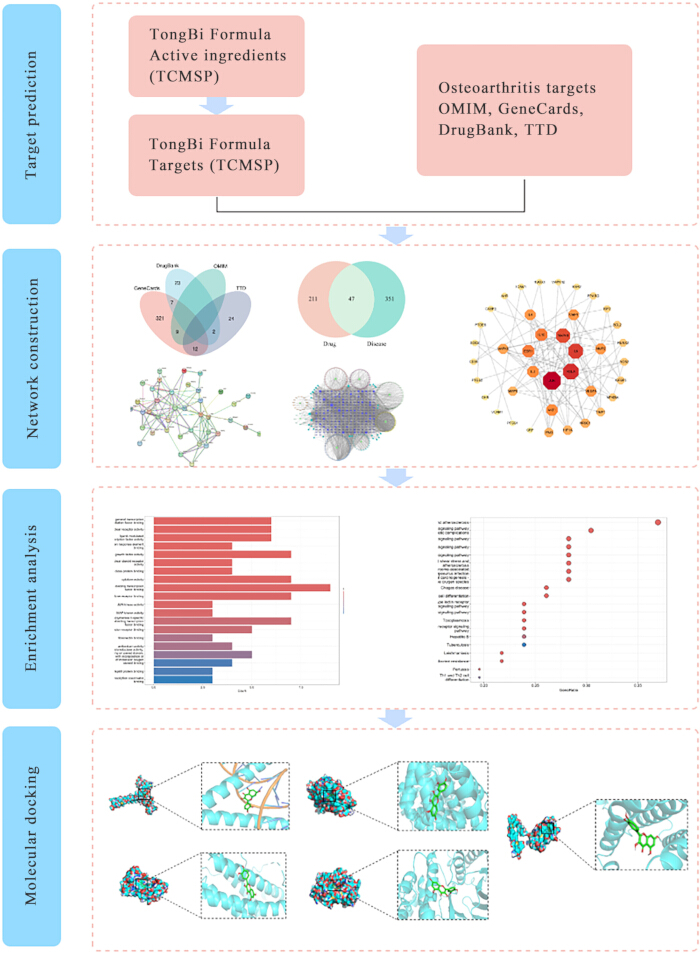
Figure 1. Workflow of the network pharmacology and molecular docking study design. Schematic overview of the analytical workflow used to investigate the potential mechanisms of TongBi Formula (TBF) against osteoarthritis (OA). The workflow included active compound screening, target prediction, OA-related target collection, intersection analysis, network construction, protein–protein interaction (PPI) analysis, Gene Ontology (GO) and Kyoto Encyclopedia of Genes and Genomes (KEGG) enrichment analyses, and molecular docking validation. Please click here to view a larger version of this figure.
Protocol
No human participants, vertebrate animals, or tissue samples were involved in this study. All analyses were performed using publicly accessible bioinformatics databases and molecular docking approaches; therefore, ethical approval was not required.
Screening of Components and Corresponding Targets of TBF
All herbal ingredients of TBF, including Danggui, Danshen, Jixueteng, Haifengteng, Tougucao, Duhuo, Weilingxian, and Xiangfu, were searched in the TCM Systems Pharmacology Database and Analysis Platform (TCMSP) (accessed January 2026). The exact search terms corresponded to the standardized Latin names of each herbal medicine: Angelicae Sinensis Radix (Danggui), Radix Salviae (Danshen), Spatholobus suberectus Dunn (Jixueteng), Caulis Piperis Kadsurae (Haifengteng), Impatiens balsamina (Tougucao), Radix Angelicae Biseratae (Duhuo), Radix Clematidis (Weilingxian), and Cyperi Rhizoma (Xiangfu). Chemical components were screened according to the fixed thresholds of oral bioavailability (OB) ≥ 30% and drug-likeness (DL) ≥ 0.18. These cutoff values are widely used in TCM network pharmacology studies for identifying bioavailable and drug-like active compounds with potential in vivo activity. Compounds lacking explicit OB or DL values in the database were excluded to maintain the reliability and consistency of active compound screening.
The corresponding protein targets of the screened active compounds were subsequently retrieved from the TCM pharmacology database. Target gene standardization was performed using the Universal Protein Resource (UniProt) protein annotation database, with the species restricted to Homo sapiens (accessed January 2026). Original protein names were converted into official human gene symbols, while redundant and non-human target entries were manually excluded. Duplicate targets were removed through manual comparison and collation to generate the finalized TBF target dataset.
Identification of OA-Related Targets and Potential Therapeutic Targets of TBF for OA
OA-related targets were retrieved using the exact search term “Osteoarthritis” in the Online Mendelian Inheritance in Man (OMIM), GeneCards, DrugBank, and Therapeutic Target Database (TTD) databases (accessed January 2026). Duplicate targets obtained from different databases were manually removed through data collation and comparison to generate the OA-related target dataset. For GeneCards, only targets with a relevance score ≥ 3 were retained. Targets retrieved from OMIM, DrugBank, and TTD using the keyword “Osteoarthritis” were not subjected to additional filtering criteria. The overlapping targets between active compound-related targets and OA-related targets were identified using the Venny 2.1.0 online Venn analysis tool. The intersection analysis was performed to determine the potential therapeutic targets of TBF against OA.
Construction of the TBF–Component–Target Network
Component–target interaction data were imported into the Cytoscape 3.10.2 network visualization and analysis software to construct the TBF–Component–Target network (accessed January 2026). In the constructed network, nodes represented herbal compounds and target genes, whereas edges represented the interactions between active compounds and corresponding targets. To avoid redundant analysis, duplicate compounds shared among multiple herbs were merged into a single unique node. Network topological analysis was subsequently performed using degree value as the primary evaluation parameter. Core active compounds were identified according to degree ranking and selected as ligand candidates for subsequent molecular docking analysis.
PPI Network Construction
Potential therapeutic targets were imported into the STRING PPI database for PPI analysis (accessed January 2026). The species parameter was restricted to Homo sapiens, and the minimum required interaction confidence score was set to 0.9, while all remaining parameters were maintained at default settings. The generated interaction data were exported and further visualized using the network visualization and analysis software. Topological analysis of the PPI network was performed using the CytoHubba network topology analysis plugin. Degree, betweenness centrality, and closeness centrality were calculated to evaluate node importance within the interaction network. Core target proteins were identified based on integrated topological characteristics and selected for subsequent molecular docking analysis. The Maximal Clique Centrality algorithm was adopted to screen hub targets. Nodes with no interacting partners were excluded, which resulted in a lower number of nodes in the final network than in the original imported target dataset.
GO and KEGG
GO functional enrichment analysis and KEGG pathway enrichment analysis were performed to investigate the potential biological functions and signaling pathways associated with the identified therapeutic targets of TBF against OA. GO analysis included the three standard ontology categories: biological process (BP), cellular component (CC), and molecular function (MF), with biological process designated as the primary focus of interpretation.
Functional enrichment analysis was conducted using the Database for Annotation, Visualization and Integrated Discovery (DAVID) in combination with R statistical analysis software (version 4.3.1; accessed January 2026). Enrichment results were processed and visualized using the clusterProfiler package, with the dotplot and barplot functions used to generate enrichment diagrams. All target genes were annotated against the Homo sapiens background. The Benjamini–Hochberg method was applied for multiple testing correction, and an adjusted P-value < 0.05 was considered statistically significant.
Visualization of GO and KEGG enrichment results was performed using the MicrobiomeAnalyst/MicrobiomeNet online analysis platform (accessed January 2026). Bar plots and bubble charts were generated to display the most significantly enriched GO terms and KEGG pathways.
Molecular Docking
The official gene names and corresponding Protein Data Bank (PDB) identifiers of the top core targets were retrieved from the protein annotation database17, and their three-dimensional crystal structures were downloaded from the RCSB PDB (accessed February 2026). For each target protein, Chain A was retained as the receptor structure, while redundant protein chains, heteroatoms, and unrelated structural fragments were removed during receptor preparation. The three-dimensional structures of core active compounds were retrieved from the PubChem database (accessed February 2026). In this study, quercetin was selected as the representative docking ligand because it exhibited the highest topological centrality in the component–target network and is a well-characterized flavonoid with reported protective effects against OA pathogenesis.
Receptor and ligand preprocessing were performed using molecular docking preparation software, including removal of water molecules, hydrogen atom addition, protonation treatment, and Gasteiger charge assignment. Molecular docking analysis was subsequently conducted using molecular docking software version 1.5.7. Grid box dimensions were adjusted to encompass the predicted binding regions of each target protein. The grid box was centered on the native ligand-binding pocket of each target protein with a uniform size of 40 Å × 40 Å × 40 Å and a grid spacing of 0.375 Å. Docking calculations were performed with an exhaustiveness parameter of 8, and nine candidate binding conformations were generated for each ligand–target pair. The docking conformation with the lowest predicted binding energy was selected as the representative binding pose for subsequent structural interpretation. Redocking validation and positive-control ligand comparison were not performed in this study. All docking procedures and parameter settings followed standard protocols commonly adopted in network pharmacology research to support the reliability of the predicted binding modes. Docking conformations were visualized using molecular visualization software version 2.5.4. A binding energy of ≤−5.0 kcal/mol was considered indicative of stable ligand–receptor binding.
Results
Chemical Composition and Target Screening of TBF
A total of 2 active components from Danggui, 65 from Danshen, 24 from Jixueteng, 21 from Haifengteng, 6 from Tougucao, 9 from Duhuo, 7 from Weilingxian, and 18 from Xiangfu were identified after screening. Detailed information on the screened active compounds is provided in Supplementary Table 1. A total of 2672 potential targets were initially retrieved, including 266 targets for Danggui, 689 for Danshen, 236 for Duhuo, 188 for Haifengteng, 545 for Jixueteng, 192 for Tougucao, 102 for Weilingxian, and 454 for Xiangfu. Detailed target information is presented in Supplementary Table 2. After removal of duplicate entries, 258 nonredundant targets associated with TBF were obtained.
The TBF–Component–Target Network
The TBF–Component–Target network was constructed using data retrieved from the TCM pharmacology database, including 152 active compounds, 258 nonredundant targets, and 8 herbal medicine nodes. These data were organized into two files, designated as “network” and “Type” (Supplementary Table 3). After importing the files into the network visualization and analysis software, a comprehensive network containing 578 nodes and 3022 edges was established (Figure 2). In the constructed network, nodes represented herbal medicines, bioactive compounds, and corresponding target proteins, whereas edges represented the predicted interactions between compounds and targets. Larger node size and darker color intensity indicated higher degree values and increased network connectivity. Based on degree ranking obtained from network topological analysis, the top five active compounds were identified as quercetin (A7-MOL000098), beta-sitosterol (B8-MOL000358), luteolin (A1-MOL000006), kaempferol (C1-MOL000422), and stigmasterol (C2-MOL000449).
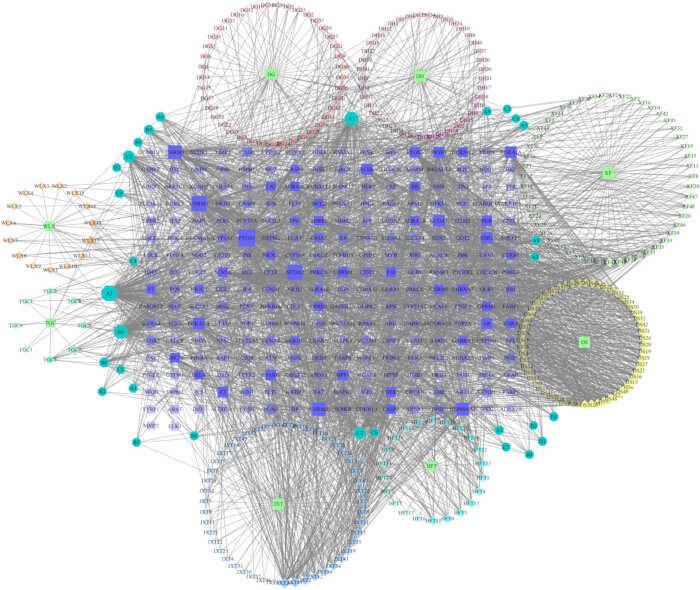
Figure 2. TBF–Component–Target interaction network. Network visualization of the interactions among TBF, active compounds, and predicted target genes. Nodes represent herbal medicines, active compounds, or target proteins, whereas edges represent predicted interactions between compounds and targets. Larger node size and darker color intensity indicate higher degree values and increased network connectivity. Please click here to view a larger version of this figure.
Target Information Related to OA and Potential Therapeutic Targets of TBF
The keyword “Osteoarthritis” was searched across four databases, yielding 428 potential disease-related targets, including 9 from OMIM, 349 from GeneCards, 32 from DrugBank, and 38 from TTD. A Venn diagram illustrating the target distribution among the four databases is presented in Figure 3. After merging and removing duplicate entries, 398 unique OA-related targets were obtained. Intersection analysis between OA-related targets and TBF active compound-related targets identified 47 overlapping targets, which were considered potential therapeutic targets of TBF against OA. The corresponding Venn diagram generated using the online Venn analysis tool is shown in Figure 4.
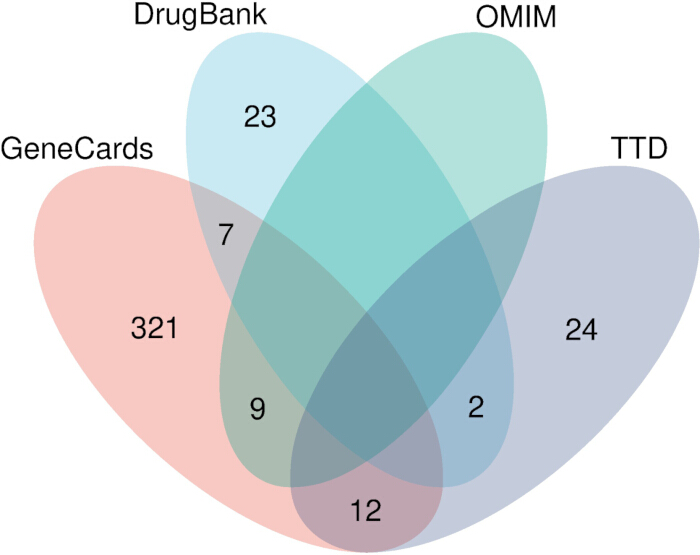
Figure 3. Venn diagram of OA-related targets retrieved from multiple databases. Venn diagram showing the overlap among OA-related targets identified from the OMIM, GeneCards, DrugBank, and Therapeutic Target Database (TTD) databases. Please click here to view a larger version of this figure.
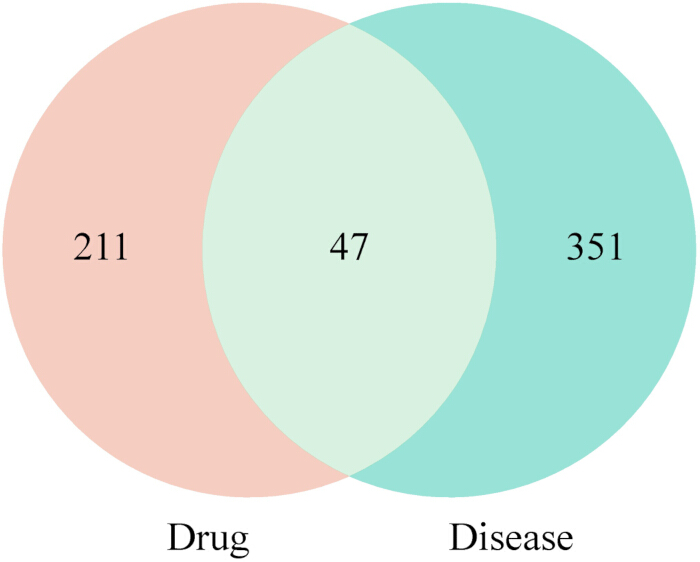
Figure 4. Identification of overlapping targets between TBF and OA. Venn diagram showing the intersection between active compound-related targets of TBF and OA-related targets. The overlapping targets were considered potential therapeutic targets of TBF against OA. Please click here to view a larger version of this figure.
Construction and Analysis of the PPI Network
PPI network analysis of the 47 overlapping targets was performed using the PPI database (Figure 5) and subsequently visualized using network visualization and analysis software. During network construction, disconnected nodes representing isolated targets without protein–protein interactions (PPIs) were removed according to standard network topology procedures, resulting in a refined network containing 39 nodes and 108 edges (Figure 6). Node size and color intensity reflected degree values, indicating the relative importance of targets within the network.
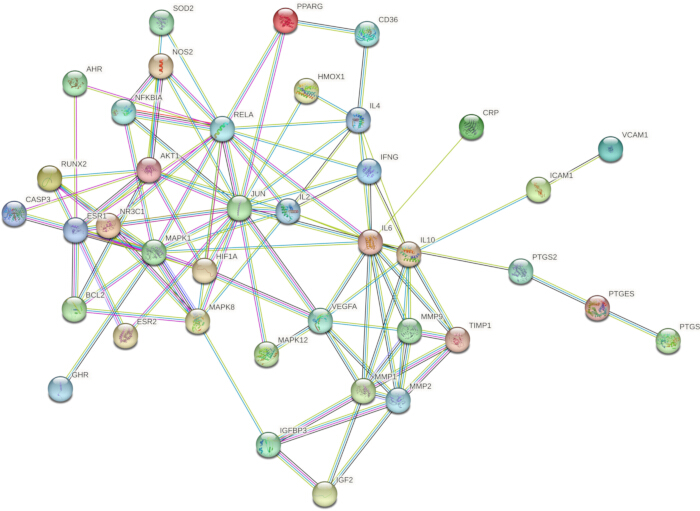
Figure 5. STRING PPI network of overlapping targets. PPI network generated using the STRING database for the overlapping targets between TBF and OA. Nodes represent target proteins and edges represent predicted PPIs. Please click here to view a larger version of this figure.
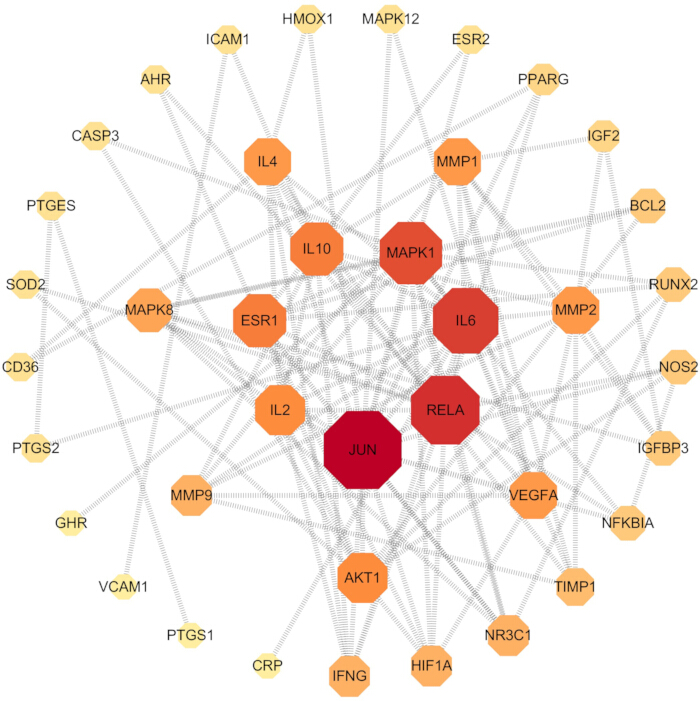
Figure 6. Core PPI network analysis. Refined PPI network after removal of disconnected nodes. Node size and color intensity represent degree values and indicate the relative importance of targets within the network. Core targets including JUN, RELA, IL6, MAPK1, and IL10 demonstrated high network connectivity. Please click here to view a larger version of this figure.
Topological analysis of the PPI network was conducted using the network topology analysis plugin with the Degree algorithm to calculate node topological characteristics. The top 10 targets ranked by degree value are presented in Table 1. The five highest-ranked targets, including JUN, RELA, IL6, MAPK1, and IL10, were selected as core targets for subsequent molecular docking analysis based on degree value, closeness centrality, and betweenness centrality.
GO Biological Function and KEGG Pathway Analysis of TBF in OA
GO enrichment analysis identified several OA-related biological functions, including cytokine activity, transcription factor binding, and growth factor activity, suggesting the potential involvement of TBF in the regulation of inflammation, transcriptional activity, and cartilage homeostasis. The top 20 enriched GO terms were ranked according to count values and visualized using a bar plot (Figure 7). KEGG pathway enrichment analysis focused on OA-related signaling pathways, including the advanced glycation end products–receptor for advanced glycation end products signaling pathway, interleukin-17 (IL-17) signaling pathway, tumor necrosis factor (TNF) signaling pathway, and T cell receptor signaling pathway, which are associated with inflammatory regulation, chondrocyte catabolism, and immune responses in OA. Infectious disease-related pathways identified during enrichment analysis were not interpreted as direct OA mechanisms in the present study. KEGG pathway analysis was performed using the statistical analysis software to generate a bubble plot visualization (Figure 8). A total of 20 significantly enriched signaling pathways were identified. These results suggested that TBF may regulate OA-related biological processes and signaling pathways through a multitarget pharmacological mechanism.
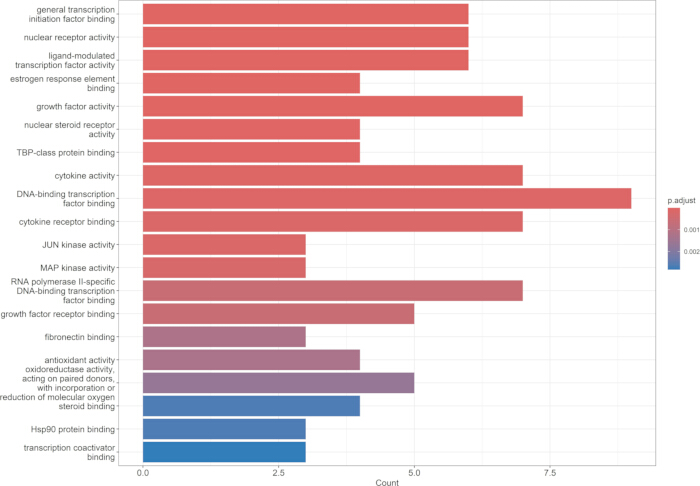
Figure 7. GO enrichment analysis of potential therapeutic targets. Bar plot showing the top 20 enriched GO terms associated with the potential therapeutic targets of TBF against OA. The enriched terms include biological processes, molecular functions, and cellular components related to inflammation, transcriptional regulation, and cartilage homeostasis. Please click here to view a larger version of this figure.
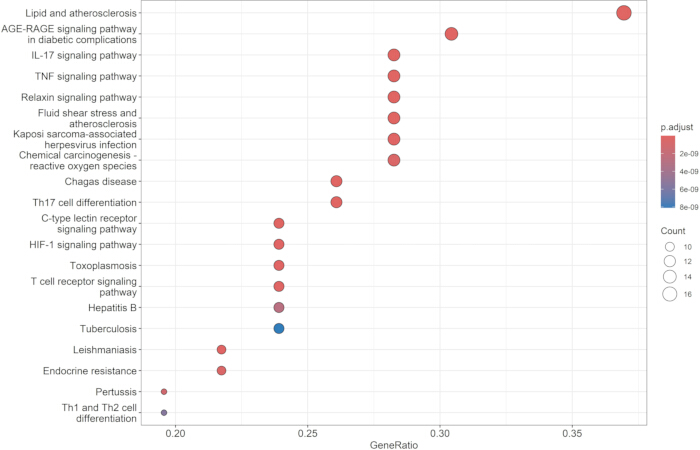
Figure 8. KEGG pathway enrichment analysis of potential therapeutic targets. Bubble plot visualization of the top enriched KEGG signaling pathways associated with the potential therapeutic targets of TBF against OA. Bubble size represents the number of enriched genes, while color intensity reflects the enrichment significance level. Please click here to view a larger version of this figure.
Molecular Docking Verification
To further investigate the potential binding interactions between the major active compound of TBF and core targets identified from the PPI network, molecular docking analysis was performed between quercetin, the top-ranked active compound in the component–target network, and the five core targets JUN, RELA, IL6, MAPK1, and IL10 (Table 2). Quercetin demonstrated the highest topological importance in the component–target network and has been widely reported as a representative bioactive compound associated with anti-inflammatory activity and cartilage metabolism regulation18,19. The predicted binding energies were −8.4 kcal/mol for JUN, −7.6 kcal/mol for RELA, −6.9 kcal/mol for IL6, and −6.7 kcal/mol for both MAPK1 and IL10, indicating favorable predicted binding affinities between quercetin and the selected core targets. Visualization of ligand–receptor binding conformations facilitated interpretation of potential molecular interactions. Molecular visualization software version 2.5.4 was used to visualize the optimal docking conformations between quercetin and the five core targets (Figure 9–13).
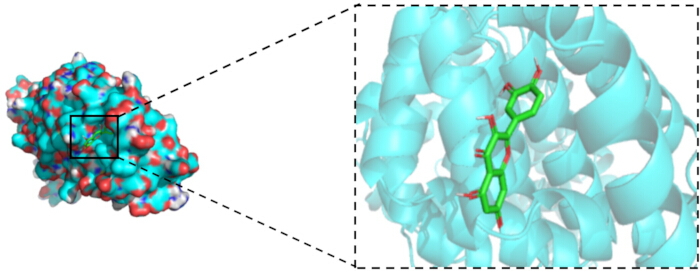
Figure 9. Molecular docking model of quercetin with JUN (PDB ID: 1JNM). Three-dimensional molecular docking conformation of quercetin bound to JUN. Quercetin was predicted to bind within the bZIP domain of JUN and fit into the hydrophobic binding cavity with structural complementarity. Please click here to view a larger version of this figure.
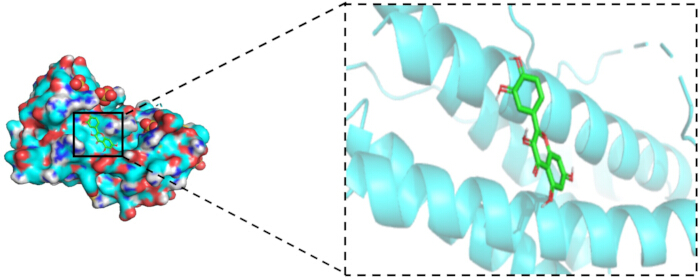
Figure 10. Molecular docking model of quercetin with RELA (PDB ID: 7LEU). Three-dimensional molecular docking conformation of quercetin bound to RELA. Quercetin was predicted to interact with the active region of the RELA Rel homology domain through non-covalent interactions. Please click here to view a larger version of this figure.
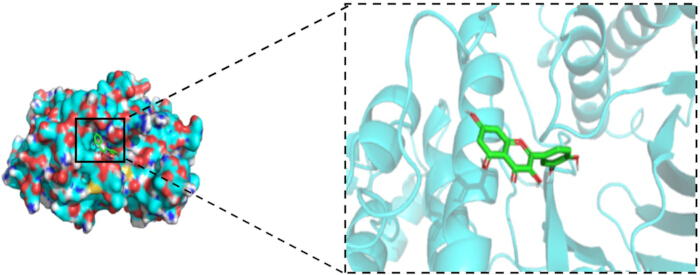
Figure 11. Molecular docking model of quercetin with IL6 (PDB ID: 1ALU). Three-dimensional molecular docking conformation of quercetin bound to IL6. Quercetin was predicted to occupy the conserved receptor-binding groove of IL6. Please click here to view a larger version of this figure.
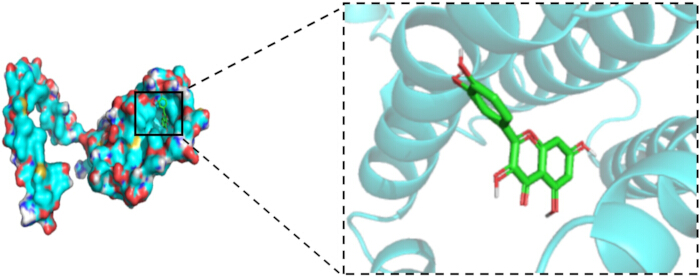
Figure 12. Molecular docking model of quercetin with MAPK1 (PDB ID: 6D5Y). Three-dimensional molecular docking conformation of quercetin bound to MAPK1. Quercetin was predicted to occupy the ATP-binding pocket of MAPK1, suggesting potential kinase-related interactions. Please click here to view a larger version of this figure.
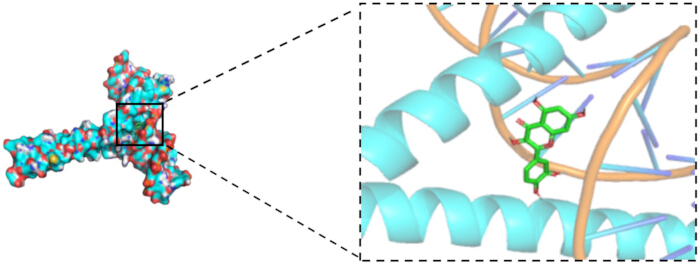
Figure 13. Molecular docking model of quercetin with IL10 (PDB ID: 1ILK). Three-dimensional molecular docking conformation of quercetin bound to IL10. Quercetin was predicted to interact near the dimer interface region of IL10 and may contribute to stabilization of the protein complex. Please click here to view a larger version of this figure.
Data Availability:
All data supporting the findings of this study are included within the manuscript, tables, figures, and supplementary materials. Supplementary Table 1 contains the screened active compounds of TongBi Formula (TBF), Supplementary Table 2 provides the corresponding predicted target information, and Supplementary Table 3 contains the network coding and interaction data used for network construction and topological analysis.
| Gene | Protein Name | Degree | Closeness Centrality | Betweenness Centrality |
| JUN | Transcription factor AP-1 | 18 | 0.58 | 0.22 |
| RELA | Transcription factor p65 | 15 | 0.56 | 0.15 |
| IL6 | Interleukin 6 | 14 | 0.59 | 0.33 |
| MAPK1 | Mitogen-activated protein kinase 1 | 13 | 0.54 | 0.16 |
| IL10 | Interleukin 10 | 10 | 0.47 | 0.12 |
| ESR1 | Estrogen receptor | 10 | 0.44 | 0.03 |
| IL2 | Interleukin 2 | 9 | 0.53 | 0.05 |
| AKT1 | RAC-alpha serine/threonine-protein kinase | 9 | 0.44 | 0.04 |
| MMP1 | Matrix metallopeptidase 1 | 8 | 0.44 | 0.03 |
| MMP2 | Matrix metallopeptidase 2 | 8 | 0.44 | 0.03 |
Table 1: Topological parameters of core targets in the PPI network. Topological parameters of the major targets identified in the PPI network analysis. Degree, closeness centrality, and betweenness centrality were calculated to evaluate node importance and identify core therapeutic targets associated with TBF against OA. Targets with higher degree and centrality values were considered more important within the interaction network.
| Target | PDB ID | Active Site Coordinates (X, Y, Z) | Ligand | Binding Affinity (kcal/mol) |
| JUN | 1JNM | X = 10.201; Y = 0.493; Z = 19.492 | Quercetin | −8.4 |
| RELA | 7LEU | X = 1.717; Y = 23.889; Z = −0.778 | −7.6 | |
| IL6 | 1ALU | X = 2.599; Y = −20.016; Z = 8.749 | −6.9 | |
| MAPK1 | 6D5Y | X = 7.052; Y = 12.800; Z = 20.749 | −6.7 | |
| IL10 | 1ILK | X = 17.836; Y = 46.443; Z = 38.685 | −6.7 |
Table 2: Molecular docking parameters and binding affinities between quercetin and core target proteins. Molecular docking results between quercetin and the selected core target proteins JUN, RELA, IL6, MAPK1, and IL10. The table presents Protein Data Bank (PDB) identifiers, active-site grid center coordinates used for docking calculations, and predicted binding affinity values obtained from molecular docking analysis. Lower binding energy values indicate stronger predicted ligand–receptor binding affinity.
Supplementary Table 1: Active compounds identified from TBF. Detailed information on the active compounds screened from TBF, including compound names, molecular identifiers, OB values, DL values, and corresponding herbal sources.Please click here to download this file.
Supplementary Table 2: Predicted targets corresponding to active compounds of TBF. Comprehensive list of predicted protein targets corresponding to the screened active compounds of TBF, including standardized human gene symbols obtained after target normalization and deduplication.Please click here to download this file.
Supplementary Table 3: Network coding information for the TBF–Component–Target network. Detailed coding information used for construction of the TBF component–target interaction network, including molecular identifiers, target information, network relationships, and node classification data used for network topology analysis.Please click here to download this file.
Discussion
This study employed network pharmacology and molecular docking approaches to investigate the potential mechanisms of TBF against OA. The core herbal medicines analyzed included Danggui, Danshen, Jixueteng, Haifengteng, Tougucao, Duhuo, Weilingxian, and Xiangfu. Previous studies have demonstrated that Danggui (Angelica sinensis Radix) may alleviate OA-related pathological changes, including cartilage degeneration, subchondral bone sclerosis, abnormal gait, and knee swelling in destabilization of the medial meniscus models20. In IL-1β-induced OA cell models, Danggui reduced reactive oxygen species accumulation and increased the activity of antioxidant enzymes, including superoxide dismutase and glutathione21. Danshenindione IIA, an active constituent of Salvia miltiorrhiza, has been reported to alleviate cartilage degeneration, restore subchondral bone remodeling homeostasis, and suppress abnormal angiogenesis in OA mouse models22. In addition, components derived from S. miltiorrhiza may regulate oxidative stress and bone metabolism23,24. Spatholobus suberectus Dunn has been reported to regulate the PI3K/Akt/mTOR and Ras/Raf/MAPK signaling pathways25, which are associated with cartilage metabolism and OA progression. Extracts of S. suberectus Dunn also inhibit the production of pro-inflammatory chemokines26. Furthermore, anti-inflammatory and antioxidant activities reported for Impatiens balsamina may be relevant to OA pathogenesis because chronic inflammation and oxidative stress contribute to cartilage degeneration27. Radix Angelicae Biseratae has also been associated with improved blood circulation and alleviation of arthritis-related symptoms28,29. Limited studies have investigated the potential therapeutic effects of Jixueteng (Spatholobus suberectus Dunn), Haifengteng (Caulis Piperis Kadsurae), and Xiangfu (Cyperi Rhizoma) in OA.
Computational prediction based on the PPI network suggested that TBF may exert therapeutic effects against OA through regulation of inflammatory responses and protection of articular cartilage, although these predictions require further experimental validation. The core targets with relatively high degree values in the PPI network included JUN, RELA, IL6, MAPK1, and IL10. Previous studies have demonstrated that JUN is associated with chondrocyte aging and OA progression. JunB/Jun double-mutant mice exhibit inflammatory infiltration in joint tissues accompanied by bone destruction and periostitis30. Transcriptomic analyses of osteoarthritic cartilage and synovium have also shown reduced JUN expression31. In addition, decreased JUN protein expression has been observed in anterior cruciate ligament transection-induced OA rat models and senescent chondrocytes32. Previous studies further suggested that JUN-related signaling may regulate cartilage degeneration, apoptosis, autophagy, and extracellular matrix metabolism in OA chondrocytes33. Previous studies have also demonstrated that transfer RNA-derived fragments regulate the proliferation and survival of articular chondrocytes through RELA-associated signaling pathways34. In addition, upregulation of the Sox9 gene combined with inhibition of RELA expression in mesenchymal stromal cells enhanced chondrogenic and immunomodulatory capacities and slowed OA progression in experimental models35. These findings support the potential relevance of JUN- and RELA-related signaling pathways identified in the present computational analysis.
IL6 is a key inflammatory mediator in OA and plays an important role in cartilage metabolism by influencing both degradation and repair processes. Under chronic low-grade inflammatory conditions, elevated IL6 levels contribute to chondrocyte senescence, reduced cartilage matrix synthesis, and disruption of cartilage homeostasis36. Previous studies have demonstrated that IL6 receptor/JAK2 signaling participates in the regulation of senescent cell apoptosis, and targeted removal of senescent cells may attenuate OA progression37. In addition, Li Q and colleagues reported that upregulation of miR-186-5p regulated inflammatory responses in IL-1β-stimulated chondrocytes, whereas inhibition of miR-186-5p alleviated OA progression through enhancement of MAPK1 expression38. These findings support the potential involvement of IL6- and MAPK1-related signaling pathways identified in the present computational analysis.
IL10 plays a protective role in cartilage homeostasis and may contribute to maintenance of the cartilage microenvironment. Previous studies have demonstrated that IL10 inhibits chondrocyte apoptosis through regulation of mitochondrial apoptotic pathways, reduction of caspase activity, and modulation of the Bax/Bcl-2 ratio39. In addition, IL10 has been associated with reduced extracellular matrix degradation and decreased expression of matrix degradation-related factors, including MMP3, MMP13, ADAMTS4, and inducible nitric oxide synthase, in compressed articular cartilage models40. KEGG pathway enrichment analysis in the present study suggested that the IL-17, TNF, and hypoxia-inducible factor-1 (HIF-1) signaling pathways may be associated with the predicted therapeutic effects of TBF against OA, although these computational predictions require experimental confirmation. Previous studies have demonstrated that IL-17 contributes to OA progression through regulation of inflammatory responses and synovial cell activity41,42. Increased IL-17 expression has also been positively correlated with disease severity in knee OA43. TNF-α is another major inflammatory mediator associated with OA-related inflammation, pain, and cartilage degeneration, and inhibition of TNF-α signaling may alleviate disease progression44. In addition, HIF-1α plays an important role in chondrocyte hypoxic metabolism, extracellular matrix regulation, synovial inflammation, and subchondral bone remodeling in OA45. Previous studies have also suggested that inhibition of HIF-1α-related signaling may protect chondrocyte function and reduce cartilage degeneration46. These findings are consistent with the signaling pathways identified through the present computational enrichment analysis.
This in silico study has several important limitations. First, the analysis relied on publicly available databases, which may contain incomplete or biased information regarding herbal compounds and target annotations. In addition, computational target prediction methods involve inherent uncertainty, and the predicted interactions identified in this study require experimental verification. Molecular docking analysis reflects theoretical binding potential rather than direct physiological or pharmacological activity. Furthermore, no in vitro or in vivo experiments were conducted to validate the computational predictions. Factors including herb dosage, pharmacokinetics, and the overall bioavailability of the combined formula were also not evaluated. Therefore, all conclusions derived from the present study should be considered predictive and require further experimental confirmation.
The present study, based on network pharmacology and molecular docking analyses, provides a predictive framework for investigating the potential mechanisms of TBF against OA. The results suggested that TBF may regulate multiple OA-related targets through interactions among active compounds derived from its eight constituent herbs. The identified targets were enriched in biological processes and signaling pathways associated with inflammatory regulation, lipid metabolism, and hypoxia-related signaling, including the IL-17, TNF, and HIF-1 pathways. Molecular docking analysis further demonstrated favorable predicted binding affinities between quercetin and the core targets JUN, RELA, IL6, MAPK1, and IL10. Collectively, these findings suggest that TBF may exert multi-component and multi-target regulatory effects against OA. This study also provides a theoretical strategy and methodological framework for future mechanistic studies and experimental validation of TCM formulas in OA research.
Disclosures
Declaration of Competing Interest:
The authors declare that they have no competing financial or personal interests. All authors have reviewed and approved this statement.
Acknowledgements
No funding, institutional support, or technical assistance was received for this study.
Materials
| Name | Company | Catalog Number | Comments |
|---|---|---|---|
| AutoDockTools | Software | Version 1.5.7; The Scripps Research Institute | https://autodock.scripps.edu/ |
| AutoDock Vina | Software | Version 1.5.7; The Scripps Research Institute | https://autodock.scripps.edu/ |
| barplot function | R visualization function | clusterProfiler package | https://bioconductor.org/packages/clusterProfiler/ |
| clusterProfiler | R package | Bioconductor package for enrichment analysis | https://bioconductor.org/packages/clusterProfiler/ |
| CytoHubba | Plugin | Compatible with Cytoscape 3.10.2 | https://apps.cytoscape.org/apps/cytohubba |
| Cytoscape | Software | Version 3.10.2; Cytoscape Consortium | https://cytoscape.org/ |
| DAVID | Database | Database for Annotation, Visualization and Integrated Discovery | https://david.ncifcrf.gov/ |
| dotplot function | R visualization function | clusterProfiler package | https://bioconductor.org/packages/clusterProfiler/ |
| DrugBank | Database | University of Alberta | https://go.drugbank.com/ |
| GeneCards | Database | GeneCards Suite | https://www.genecards.org/ |
| MicrobiomeAnalyst / MicrobiomeNet | Online Platform | Online enrichment visualization platform | https://microbiomenet.com/ |
| OMIM | Database | Online Mendelian Inheritance in Man | https://www.omim.org/ |
| PDB | Database | RCSB Protein Data Bank | https://www.rcsb.org/ |
| PubChem | Database | National Center for Biotechnology Information | https://pubchem.ncbi.nlm.nih.gov/ |
| PyMOL | Software | Version 2.5.4 | https://pymol.org/ |
| R | Software | Version 4.3.1; R Foundation for Statistical Computing | https://www.r-project.org/ |
| STRING | Database | Search Tool for the Retrieval of Interacting Genes/Proteins | https://cn.string-db.org/ |
| TCMSP | Database | Traditional Chinese Medicine Systems Pharmacology Database and Analysis Platform | http://tcmspw.com/tcmsp.php |
| TTD | Database | Therapeutic Target Database | https://db.idrblab.net/ttd/ |
| UniProt | Database | Universal Protein Resource | https://www.uniprot.org/ |
| Venny | Software | Version 2.1.0 | https://bioinfogp.cnb.csic.es/tools/venny/index.html |