
Guest Editors
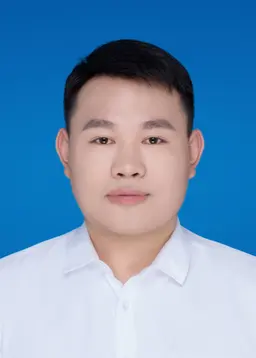
Jun Luo
Transplant Center of Wuhan University
<p class="ql-align-justify">Jun Luo is a postdoctoral researcher with a Ph.D. in Surgery from Wuhan University. He specializes in liver and kidney organ transplantation and is currently affiliated with the Transplantation Medicine Center at Wuhan University. His research focuses on hepatic protection and the optimization of organ quality, with extensive experience in both basic research and clinical applications related to hepatic lipid metabolism and organ quality repair. His work has been published in prominent journals such as <em>Energy & Environmental Materials</em>, <em>Free Radical Biology and Medicine</em>, and <em>Cell Death Discovery</em>.</p>

Hong Duo
Transplant Center of Wuhan University
<p class="ql-align-justify">Hong Duo is currently pursuing a master's degree in Surgery at Zhongnan Hospital of Wuhan University, affiliated with the Institute of Hepatobiliary Diseases and the Transplantation Medicine Center of Wuhan University. His research focuses on solid organ transplantation and transplant immunology, with a particular emphasis on identifying risk factors that contribute to graft dysfunction and postoperative outcomes. He has been involved in several clinical and translational research projects related to ischemia-reperfusion injury, liver function prediction, and immune responses following transplantation. His work has been published in peer-reviewed journals such as <em>Cell Death Discovery</em>, <em>Frontiers in Pharmacology</em>, <em>PLOS ONE</em>, and <em>Thrombosis Journal</em>.</p>

Jian You
Transplant Center of Wuhan University
<p class="ql-align-justify">Jian You is currently a PhD student at the Institute of Hepatobiliary Diseases, Zhongnan Hospital of Wuhan University, under the mentorship of Prof. Ye Qifa. He earned a combined Bachelor’s and Master’s degree in Clinical Medicine from I.M. Sechenov First Moscow State Medical University, with a focus on surgery. Licensed as a physician in China, his expertise lies in donor quality maintenance—particularly ischemia-reperfusion injury—and liver tumor research. He has extensive hands-on experience in liver and kidney transplantations. His research, published in journals such as <em>Cell and Molecular Biology Letters</em> and <em>Experimental and Molecular Medicine</em>, explores translational mechanisms in organ transplantation and hepatic pathologies, including the role of hypothermic oxygenated perfusion in reducing tissue injury. He also contributes to studies on cuproptosis-related lncRNAs and graft function prediction.</p>
Collection Overview
Organ transplantation, particularly liver and kidney transplant, remains a cornerstone of modern medicine. This collection aims to showcase experimental and translational approaches that deepen our understanding of transplantation science and clinical applications. In addition to traditional allogeneic models, we welcome protocols involving xenotransplantation, bioengineered tissues, and immune tolerance strategies to expand the scope of graft biology and immune regulation. The collection will highlight reproducible methods to explore the molecular mechanisms underlying graft rejection, ischemia-reperfusion injury, immune cell infiltration, tolerance induction, and long-term graft survival. Techniques may include in vivo transplantation models, immunophenotyping, single-cell omics, tissue clearance, lineage tracing, CRISPR-based editing, and in vitro analysis of immune-graft interactions. Clinically, we invite studies detailing standardized protocols for donor-recipient assessment, risk stratification, graft function monitoring (e.g., via cfDNA and biomarkers), and the use of machine learning or biostatistical methods to predict post-transplantation complications. We strongly encourage approaches optimized for pediatric transplants, marginal donors (e.g., DCD), and immunosuppression.
