
Chordates
Chordates are a large group of animals that share important features at some stage of development such as a notochord, dorsal nerve cord, and gill sli
Video Duration: 1 minute and 12 secondsMIDDLE SCHOOL
Life Science
Chordates are a large group of animals that share important features at some stage of development such as a notochord, dorsal nerve cord, and gill sli
Video Duration: 1 minute and 12 seconds
Vertebrates are animals with backbones, and they come in many forms—from swimming fish and hopping frogs to flying birds and running mammals. The five
Video Duration: 1 minute and 28 seconds
Fish are important for understanding the early evolution of vertebrates and how life adapted to aquatic environments over time. They demonstrate a wid
Video Duration: 1 minute and 16 seconds
Jawless fish are some of the oldest and most interesting animals on Earth. They show us what early vertebrates (animals with backbones) may have looke
Video Duration: 1 minute and 16 seconds
Cartilaginous fish are a special animal group that includes sharks, rays, and skates. They differ from most other fish because their skeletons are mad
Video Duration: 1 minute and 23 seconds
Bony fish are the largest group of fish in the world. They are important because they show how fish evolved strong skeletons, new ways to stay afloat,
Video Duration: 1 minute and 17 seconds
Amphibians are vertebrates that live both in water and on land during different parts of their lives. They begin life as eggs laid in water, hatch int
Video Duration: 1 minute and 27 seconds
Mammals are a diverse group of vertebrates known for their unique features, such as hair or fur, mammary glands that produce milk, and being warm-bloo
Video Duration: 1 minute and 26 seconds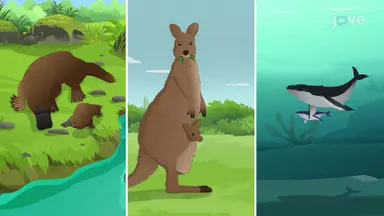
Mammals have specialized reproductive strategies that set them apart from other vertebrates. Most mammals give birth to live young (except monotremes
Video Duration: 1 minute and 27 seconds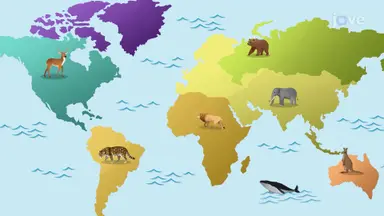
Mammals play essential roles in ecosystems and contribute to the planet's health. From predators that keep populations balanced to herbivores that hel
Video Duration: 1 minute and 25 seconds
Salamanders are a unique group of amphibians belonging to the order Caudata, known for their elongated bodies, tails, and moist, glandular skin. These
Video Duration: 1 minute and 28 seconds
Frogs and toads are fascinating amphibians that belong to the same biological order, Anura, but have important differences in body structure, behavior
Video Duration: 1 minute and 18 seconds
Amphibians represent a major evolutionary milestone as the first vertebrates to successfully colonize land. Evolving from lobe-finned fish during the
Video Duration: 1 minute and 23 seconds
Lizards are an important part of many ecosystems. They are cold-blooded reptiles with scaly skin, meaning they rely on the environment to regulate the
Video Duration: 1 minute and 27 seconds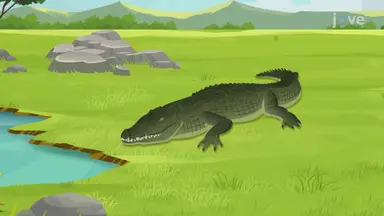
Reptiles are cold-blooded vertebrates that first appeared over 300 million years ago and were among the earliest animals fully adapted to life on land
Video Duration: 1 minute and 23 seconds
Snakes are fascinating reptiles with unique body structures and survival strategies. Unlike most animals, snakes do not have legs, eyelids, or externa
Video Duration: 1 minute and 29 seconds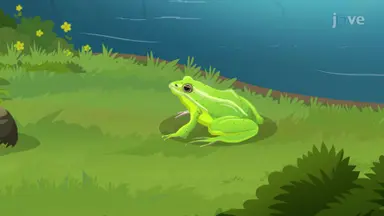
Amphibians are a fascinating group of vertebrates that bridge the evolutionary gap between aquatic and terrestrial life. They first appeared more than
Video Duration: 1 minute and 28 seconds
Crocodilians, which include crocodiles, alligators, caimans, and gharials, are powerful reptiles known for their sharp teeth, armored bodies, and anci
Video Duration: 1 minute and 26 seconds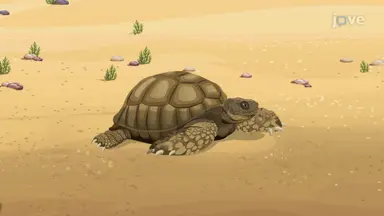
Turtles are reptiles with unique body systems that enable them to survive both on land and in water. Their most recognizable feature is their shell, w
Video Duration: 1 minute and 25 seconds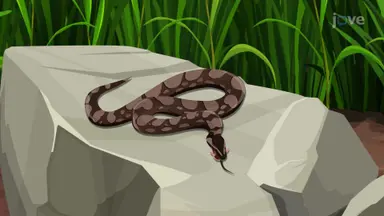
Reptiles play a key role in ecosystems because they are both predators and prey. They help maintain balance by controlling populations of rodents, ins
Video Duration: 1 minute and 21 seconds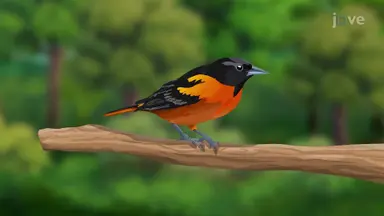
Birds are warm-blooded vertebrates with feathers, beaks, and hollow bones that help them fly. They are found all over the world, from snowy mountains
Video Duration: 1 minute and 25 seconds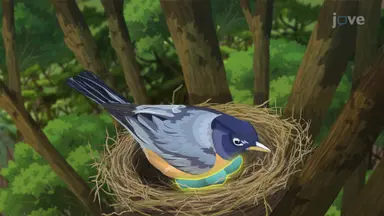
Bird reproduction involves special behaviors and body structures that help them successfully raise young in different environments. Most birds lay egg
Video Duration: 1 minute and 26 seconds
Birds are one of the most diverse groups of animals on Earth, with over 10,000 species living in almost every environment from icy poles to tropical r
Video Duration: 1 minute and 26 seconds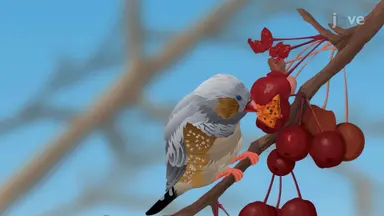
Birds play a crucial role in many ecosystems by facilitating seed dispersal, pollination, and regulating insect populations. They are also important i
Video Duration: 1 minute and 18 seconds
Mammals are a diverse group of animals that share common characteristics, including a backbone, warm-blooded bodies, hair or fur, and the ability to p
Video Duration: 1 minute and 28 seconds
Primates are a group of mammals that include monkeys, apes, and humans. They share key features, such as forward-facing eyes, flexible hands and feet,
Video Duration: 1 minute and 21 seconds
Humans belong to a group of animals called primates, which also includes monkeys, apes, and lemurs. Primates share many physical and behavioral traits
Video Duration: 1 minute and 28 seconds
Invertebrates are animals without a backbone, and they make up more than 95% of all animal species on Earth. These animals are incredibly diverse and
Video Duration: 1 minute and 26 seconds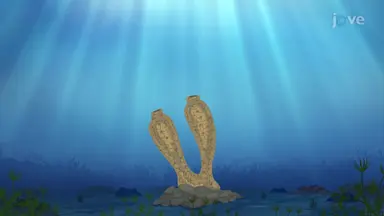
Sponges are simple, water-dwelling animals that belong to the invertebrate group called Porifera. Unlike most animals, sponges lack tissues, organs, a
Video Duration: 1 minute and 30 seconds
Cnidarians are simple aquatic animals that include jellyfish, sea anemones, corals, and hydras. Although they may appear delicate, they are skilled pr
Video Duration: 1 minute and 21 seconds
Flatworms are simple, soft-bodied invertebrates that belong to the phylum Platyhelminthes. These animals have a flattened shape, which helps them abso
Video Duration: 1 minute and 29 seconds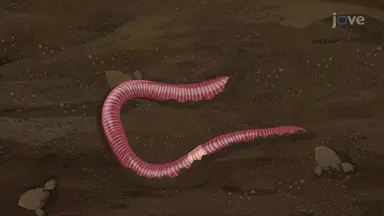
Segmented worms, also known as annelids, are animals with bodies divided into repeated segments. Each segment contains structures that help the worm m
Video Duration: 1 minute and 22 seconds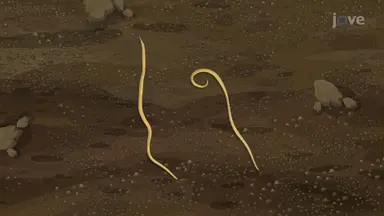
Roundworms, also known as nematodes, are simple animals characterized by their long, narrow bodies composed of many cells organized into distinct syst
Video Duration: 1 minute and 29 seconds
Mollusks are a diverse group of invertebrate animals that live in many environments, from oceans and freshwater to land. This group includes snails, c
Video Duration: 1 minute and 19 seconds
Mollusks are a diverse group of invertebrates that inhabit a wide range of environments, from the ocean floor to forests. They are grouped into major
Video Duration: 1 minute and 28 seconds
Mollusks are one of the most diverse and important animal groups in the ecosystem. These animals include snails, clams, squids, and octopuses. Mollusk
Video Duration: 1 minute and 23 seconds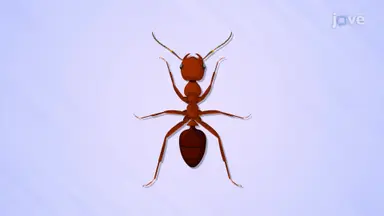
Arthropods are animals characterized by their segmented bodies, jointed legs, and hard outer shells, known as exoskeletons. They are the largest and m
Video Duration: 1 minute and 30 seconds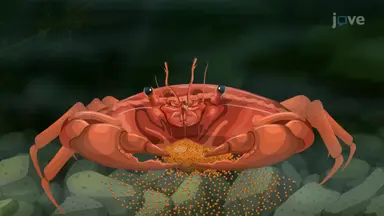
Crustaceans are a large group of arthropods that include crabs, shrimp, lobsters, crayfish, and barnacles. They live in oceans, freshwater, and even o
Video Duration: 1 minute and 28 seconds
Centipedes and millipedes are arthropods that play different roles in ecosystems. Centipedes are predators with one pair of legs per body segment and
Video Duration: 1 minute and 14 seconds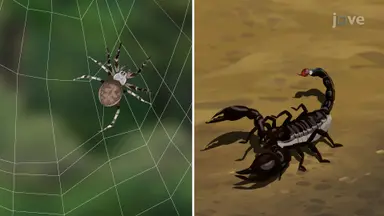
Arachnids are a group of invertebrates that include spiders, scorpions, ticks, and mites. They belong to the arthropod phylum and are known for having
Video Duration: 1 minute and 29 seconds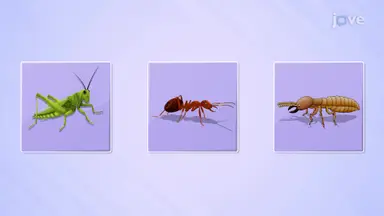
Arthropods are the largest group of animals on Earth, comprising insects, arachnids (such as spiders), crustaceans (like crabs), and myriapods (includ
Video Duration: 1 minute and 22 seconds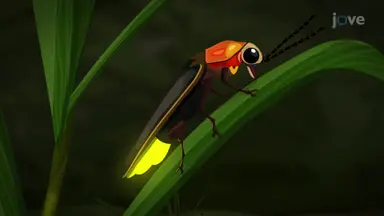
Insects are the most diverse group of animals on Earth, comprising millions of species that are found in nearly every environment. They play important
Video Duration: 1 minute and 31 seconds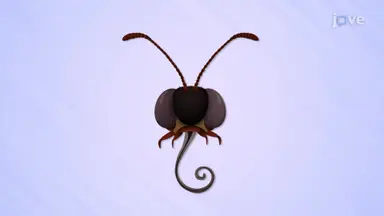
Insects have developed various methods of feeding based on their body structure and environment. These modes of feeding help them survive in a wide va
Video Duration: 1 minute and 8 seconds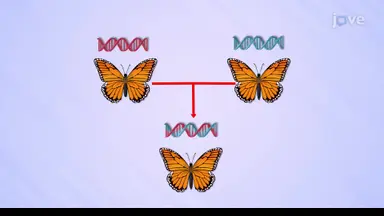
Insects reproduce through sexual or asexual methods. In sexual reproduction, males and females mate, combining genetic material to produce varied offs
Video Duration: 1 minute and 17 seconds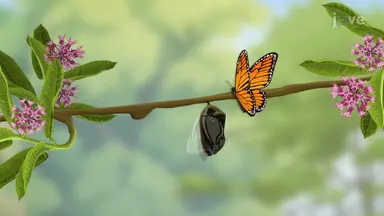
Insects have some of the most fascinating life cycles in the animal kingdom. Many undergo a process called metamorphosis, where their body undergoes a
Video Duration: 1 minute and 28 seconds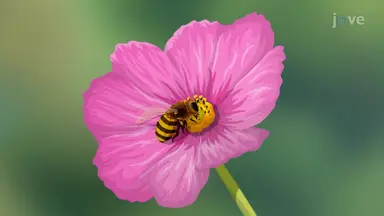
Insects are some of the most important animals on Earth. Even though they’re small, they play big roles in keeping ecosystems balanced and healthy. In
Video Duration: 1 minute and 18 seconds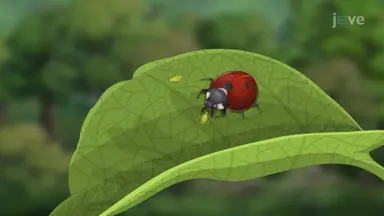
Insect control is the practice of managing insect populations to protect crops, animals, and human health. In ecosystems, insect populations grow or s
Video Duration: 1 minute and 27 seconds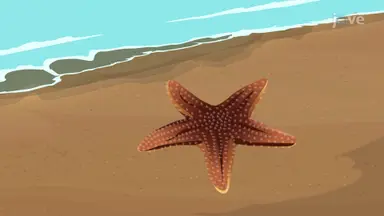
Echinoderms are marine animals such as sea stars, sea urchins, and sand dollars. They are invertebrates but have an internal skeleton made of calcium
Video Duration: 1 minute and 27 seconds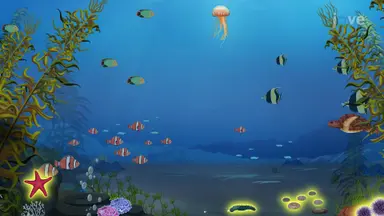
Echinoderms, like sea stars, sea urchins, sand dollars, and sea cucumbers, are vital for ocean health. They recycle nutrients, clean the sea floor, an
Video Duration: 1 minute and 24 seconds
Echinoderms, which means "spiny skin," are a unique group of invertebrates that live only in marine environments. This group includes sea stars, sea u
Video Duration: 1 minute and 27 seconds