
What is Energy?
Energy is the ability to do work or cause change. It exists in many forms, such as kinetic energy (motion), potential energy (stored energy), thermal
Video Duration: 1 minute and 19 secondsMIDDLE SCHOOL
Physical Science
Energy is the ability to do work or cause change. It exists in many forms, such as kinetic energy (motion), potential energy (stored energy), thermal
Video Duration: 1 minute and 19 seconds
Energy is the ability to do work or cause change. It exists in many forms and can be transferred or transformed from one type to another. Different fo
Video Duration: 1 minute and 25 seconds
Thermal energy is the energy that comes from the motion of particles within a substance. The more the particles move, the higher the thermal energy. I
Video Duration: 1 minute and 21 seconds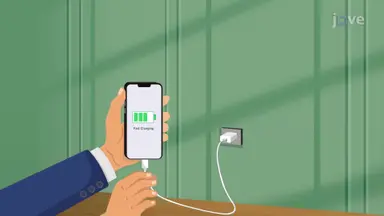
Chemical energy is a form of stored energy found in the bonds of atoms and molecules. When a chemical reaction occurs, these bonds break and release e
Video Duration: 1 minute and 27 seconds
Nuclear energy is the energy released from the nucleus of an atom during nuclear reactions. It is a powerful and efficient energy source used for elec
Video Duration: 1 minute and 30 seconds
Kinetic energy is the energy an object possesses due to its motion. Any object that moves whether a rolling ball, a speeding car, or a flowing river h
Video Duration: 1 minute and 21 seconds
Kinetic energy is the energy possessed by an object due to its motion. The amount of kinetic energy depends on both the mass of the object and its vel
Video Duration: 1 minute and 15 seconds
Kinetic energy is the energy an object possesses due to its motion. It depends on two key factors: mass and velocity. An object's kinetic energy incre
Video Duration: 1 minute and 19 seconds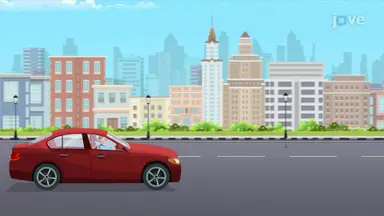
Kinetic energy is the energy an object has due to its motion. It depends on two factors: the mass of the object and how fast it is moving. The faster
Video Duration: 1 minute and 23 seconds
Kinetic energy is the energy of motion, and its applications can be observed in transportation, sports, engineering, and safety systems. The amount of
Video Duration: 1 minute and 23 seconds
Kinetic energy is the energy of motion. Any object that is moving—from a rolling bicycle to a speeding train—has kinetic energy. In transportation, ki
Video Duration: 1 minute and 14 seconds
Potential energy is an object's stored energy because of its position or condition. This type of energy has the potential to do work when the object’s
Video Duration: 1 minute and 19 seconds
Gravitational potential energy is an object's stored energy because of its position above the ground. This energy depends on the object’s mass, height
Video Duration: 1 minute and 13 seconds
Elastic potential energy is stored in objects that can stretch or compress, such as springs, rubber bands, or trampolines. This energy is stored when
Video Duration: 1 minute and 24 seconds
The motion and energy of an object are influenced by its mass, the height from which it falls, and the force of gravity. These three factors are key i
Video Duration: 1 minute and 19 seconds
Potential energy is stored energy—energy an object has because of its position, condition, or chemical makeup. It isn't being used yet, but it's ready
Video Duration: 1 minute and 28 seconds
Energy exists in different forms, and it can change from one form to another. Two important types of mechanical energy are kinetic energy (energy of m
Video Duration: 1 minute and 15 seconds
Energy conversion is the process of changing energy from one form to another. This transformation allows energy to be used in many ways, such as conve
Video Duration: 1 minute and 18 seconds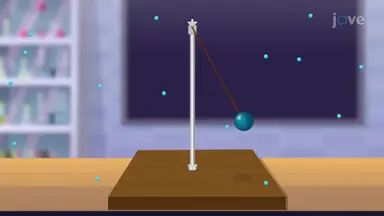
The Law of Conservation of Energy states that energy cannot be created or destroyed—it can only be transformed from one form to another or transferred
Video Duration: 1 minute and 30 seconds
Work is applying a force to an object, causing it to move in the direction of the applied force. In physics, work is only done when there is movement
Video Duration: 1 minute and 7 seconds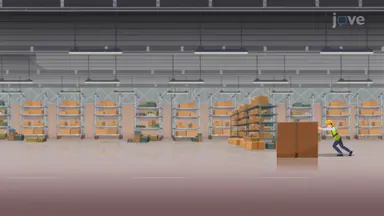
Work is done when a force is applied to an object, and the object moves in the direction of the force. In physics, work is calculated by how much forc
Video Duration: 1 minute and 17 seconds
Power is the rate at which energy is transferred, converted, or used over time. It is measured in watts (W), where one watt equals one joule of energy
Video Duration: 1 minute and 20 seconds
Efficiency refers to how well energy, time, or resources are used to achieve a desired outcome with minimal waste. It is a key concept in various fiel
Video Duration: 1 minute and 22 seconds
Solar energy is the energy from the Sun that powers life on Earth and can be converted into useful forms like heat and electricity. It is a renewable
Video Duration: 1 minute and 23 seconds
Wind energy is a renewable energy source that uses the movement of air to generate electricity. Wind turbines capture the wind's kinetic energy and co
Video Duration: 1 minute and 26 seconds
Hydropower is a renewable energy source that uses moving water to generate electricity. Flowing or falling water spins turbines, which convert kinetic
Video Duration: 1 minute and 30 seconds
Geothermal energy is a renewable energy source that comes from the heat within the Earth. This heat is generated by the Earth’s core and can be used t
Video Duration: 1 minute and 22 seconds
Biomass energy is a renewable energy source derived from organic materials such as plants, wood, and animal waste. These materials store energy from t
Video Duration: 1 minute and 30 seconds
Fossil fuels, coal, oil, and natural gas, which are nonrenewable energy sources formed from the remains of ancient plants and animals over millions of
Video Duration: 1 minute and 26 seconds
Temperature measures the average kinetic energy of particles in a substance. It is crucial in determining the state of matter (solid, liquid, or gas)
Video Duration: 1 minute and 28 seconds
Heat is a form of energy that is transferred between objects due to a difference in temperature. It always flows from a warmer object to a cooler one
Video Duration: 1 minute and 19 seconds
Specific heat is the amount of heat energy required to raise the temperature of one gram of a substance by one degree Celsius. Different materials hav
Video Duration: 1 minute and 20 seconds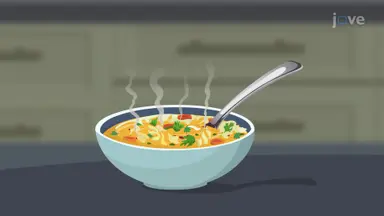
Conduction is the heat transfer process through direct contact between particles without the movement of the substance itself. It occurs in solids, li
Video Duration: 1 minute and 20 seconds
Convection is the transfer of heat through fluids (liquids or gases) caused by the movement of molecules. It occurs when warmer, less dense parts of a
Video Duration: 1 minute and 19 seconds
Thermal radiation is a type of energy transfer that occurs through electromagnetic waves, especially infrared radiation. Unlike conduction and convect
Video Duration: 1 minute and 16 seconds
Natural resources are materials found in nature that humans use for energy, manufacturing, and daily life. These resources can be classified into rene
Video Duration: 1 minute and 30 seconds
Synthetic materials are human-made substances created from natural resources through chemical processes. These materials, such as plastics, nylon, and
Video Duration: 1 minute and 28 seconds
The production of synthetic materials, such as plastics, synthetic fibers, and rubber, requires energy-intensive processes that transform natural reso
Video Duration: 1 minute and 30 seconds
The extraction, processing, and use of natural resources affect the environment in many ways. Resources such as water, fossil fuels, minerals, and for
Video Duration: 1 minute and 29 seconds
Synthetic materials are human-made substances designed to improve everyday life. These materials, such as plastics, synthetic fabrics, and medical sup
Video Duration: 1 minute and 30 seconds
Energy consumption refers to the way people and countries use energy for daily activities such as heating, transportation, manufacturing, and technolo
Video Duration: 1 minute and 27 seconds
Energy is essential for powering industries and agriculture, enabling the production of goods, transportation, and food cultivation. Factories, farms,
Video Duration: 1 minute and 28 seconds
Energy is essential for everyday life, powering homes, appliances, and devices. Household energy consumption refers to the amount of energy households
Video Duration: 1 minute and 22 seconds
Energy conservation means using energy wisely and reducing unnecessary energy use. It helps save natural resources, lowers pollution, and reduces ener
Video Duration: 1 minute and 15 seconds
Energy conservation means using energy wisely to reduce waste and ensure we have enough for the future. Conserving energy helps protect the environmen
Video Duration: 1 minute and 24 seconds
Energy conservation is the practice of reducing energy use through smarter choices and efficient technologies. Around the world, countries are working
Video Duration: 1 minute and 25 seconds
Electric charge is a property of matter that causes it to experience a force when near other charged matter. There are two types of electric charges:
Video Duration: 1 minute and 19 seconds
An electric field is the invisible area around a charged object where other charges feel a force. It can either pull or push, depending on the type of
Video Duration: 1 minute and 28 seconds
Static electricity happens when electric charges build up on the surface of an object. This build-up usually comes from rubbing two materials together
Video Duration: 1 minute and 19 seconds
Electric current is the flow of electric charge, usually carried by moving electrons in a wire. It’s what powers the lights in our homes, charges our
Video Duration: 1 minute and 17 seconds
Electricity moves through circuits in different ways, and two of the main types of electric current are direct current (DC) and alternating current (A
Video Duration: 1 minute and 23 seconds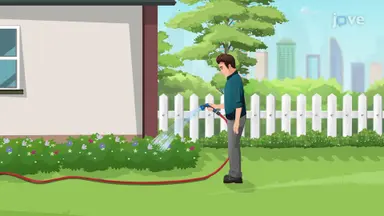
Ohm’s Law is one of the most important ideas in understanding how electricity flows. It explains the relationship between voltage, current, and resist
Video Duration: 1 minute and 25 seconds
Radioactivity is a natural process where certain atoms release energy from their nuclei. This release occurs when atoms are unstable, meaning their nu
Video Duration: 1 minute and 26 seconds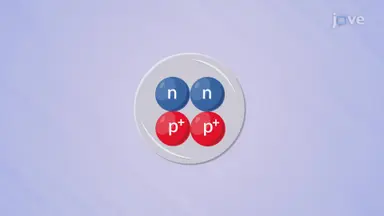
Radioactive decay is the process by which unstable atoms break down and release energy. In alpha decay, an atom loses two protons and two neutrons—thi
Video Duration: 1 minute and 29 seconds
Radioactive decay is a process where unstable atoms break down to become more stable. One type of decay is called beta decay. In this process, a neutr
Video Duration: 1 minute and 18 seconds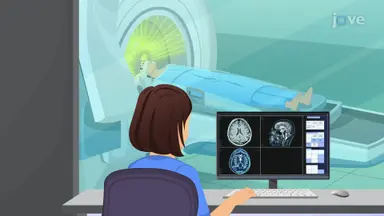
Gamma radiation is a form of energy released during radioactive decay, which occurs when unstable atoms break down into more stable forms. In gamma de
Video Duration: 1 minute and 20 seconds
Radioactive decay is the process by which unstable atoms break down over time, releasing energy in the form of radiation. As this happens, the atoms c
Video Duration: 1 minute and 30 seconds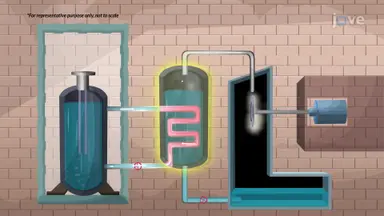
Nuclear fission is a type of reaction where the nucleus of an atom splits into two or more smaller parts. When this happens, a huge amount of energy i
Video Duration: 1 minute and 22 seconds