This video demonstrates a syringe-based pressure method for extracting apoplastic bacteria, which proliferate and form microcolonies within the apoplast, the intercellular space between plant cells. The method yields debris-free bacterial samples suitable for downstream single-cell analysis.
A subscription to JoVE is required to view this content. Sign in or start your free trial.
Method Article
Extraction of Apoplastic Bacteria Using a Syringe-Based Pressure Method
515 views
⸱
November 28th, 2025
In This Article
Abstract
Protocol
Extraction of bacteria from the apoplast
- Four days after inoculation, cut either the aerial part of the Arabidopsis plant or the inoculated leaf from the bean plant and place it into a 20 mL syringe without a needle (Figure 2G). For bean leaves, roll the leaf on itself, leaving the abaxial face outward, as displayed in Figure 2F.
- Add enough volume of distilled water to cover the tissue (usually 10-15 mL).
- Insert the plunger, and with the syringe in the vertical position with the tip pointing up, remove the excess air and air bubbles inside the syringe by gently tapping the barrel until all the air is located near the tip. Slide the plunger to take the air out. Once there is as little air as possible inside the syringe, cover the tip of the syringe barrel with paraffin film.
- Carefully press the plunger to generate positive pressure until the tissue turns darker (Figure 1I and Figure 2H). Then, pull the plunger to generate negative pressure (Figure 1J and Figure 2I). Repeat this step 3-5 times.
- Remove the paraffin film and the plunger and collect the fluid containing the apoplast-extracted bacteria, as in Figure 2J.
Access restricted. Please log in or start a trial to view this content.
Results
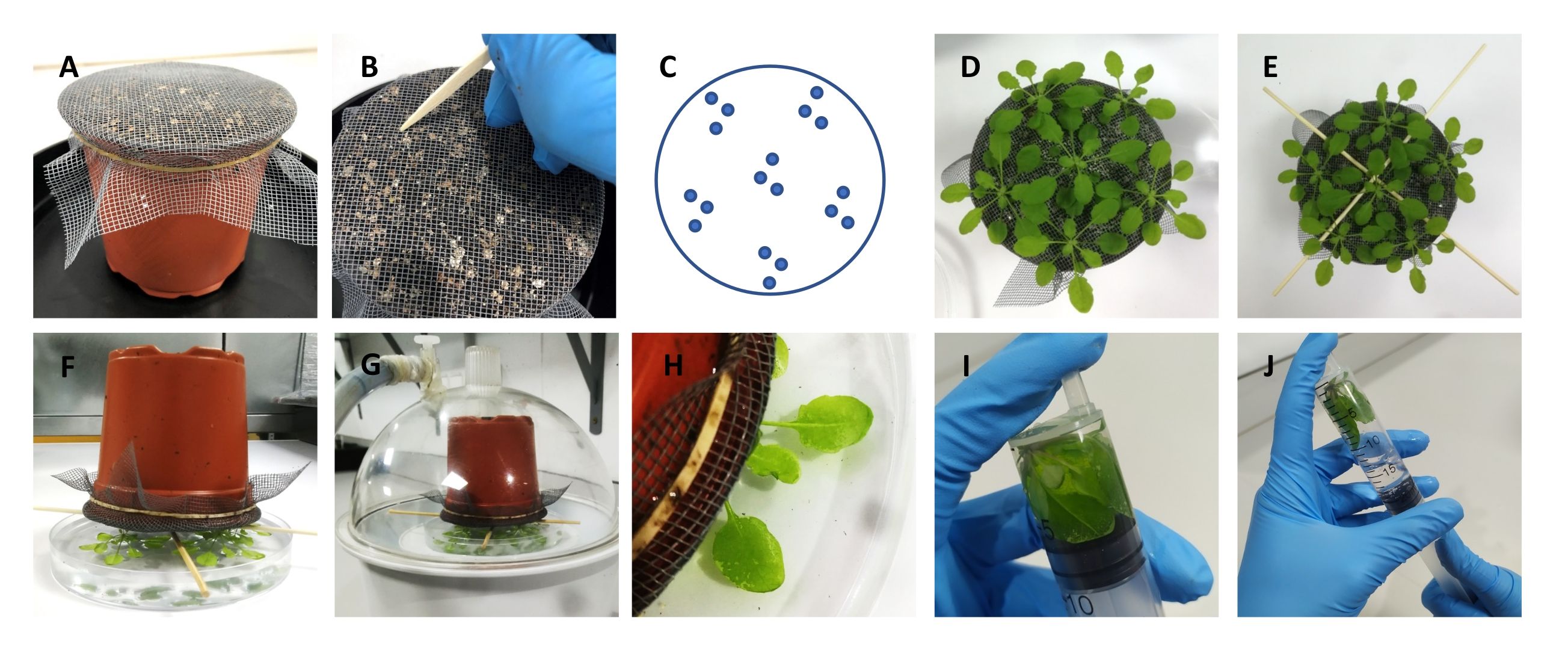
Figure 1: Bacterial inoculation and apoplast extraction using Arabidopsis<...
Access restricted. Please log in or start a trial to view this content.
Materials
| Name | Company | Catalog Number | Comments |
|---|---|---|---|
| 20 mL syringe | No special requirements | ||
| 50 mL conical tubes | Sarstedt | ||
| Parafilm | Pechiney Plastic Packaging | ||
| Tweezers | No special requirements | ||
| Vacuum chamber 25 cm diameter | Kartell | 554 | |
| Vacuum pump | GAST | DOA-P504-BN |
