Here, we present a protocol for combined oral and local analgesia that effectively relieves post-arthroscopic elbow surgery pain and merits clinical promotion.
Method Article
Management of Postoperative Pain After Arthroscopic Elbow Surgery with Oral Analgesics and Local Anesthesia
In This Article
Summary
Abstract
Pain after arthroscopic elbow surgery seriously impairs patients’ quality of life, and its clinical management remains a significant challenge at present. Objective: This study aims to analyse the efficacy of oral analgesia and local anaesthesia in the management of pain levels after arthroscopic elbow surgery. Methods: A single-center retrospective observational study was conducted. A total of 120 patients with postoperative pain after arthroscopic elbow surgery were recruited from Cangzhou Hospital of Integrated Traditional Chinese and Western Medicine in Hebei Province between December 2020 and December 2023. The patients were divided into two groups with 60 cases in each group: the LA group received local anaesthesia alone, while the LC group was administered local anaesthesia combined with oral Celecoxib capsules. The treatment cycle was 3-5 days. The main assessments were pain level (VAS score), Ramsay sedation score, elbow function (MEPS score), and clinical efficacy in both groups. Secondary outcomes included stress factor levels [malondialdehyde (MDA), aldosterone (ALD)], patient satisfaction, quality of life [Short Form of the Health Status Survey (SF-36) score], complication status, and incidence of adverse effects. Results: After treatment, the indicators of the both groups were significantly differences with pre-treatment (P<0.05). Ramsay score, MEPS score, elbow mobility, clinical efficacy, SF-36 score and satisfaction score were significantly higher the LA group, and VAS score, MDA and ALD levels, total complication rate and adverse reaction rate were significantly lower the LA group (P<0.05).
Introduction
With the implementation of the national strategies of 'Healthy China' and 'National Fitness', the number of fitness enthusiasts is increasing. However, due to insufficient knowledge of sports medicine and rehabilitation medicine, coupled with chronic repetitive upper limb load related to fitness and professional activities, the incidence rate of elbow disorders in the population continues to rise1. Among them, the incidence of primary elbow osteoarthritis with stiffness is about 2%, and the incidence is as high as 33% in the occupational groups (e.g., chefs, throwers, etc.) that have been engaged in long-term loading of the upper limbs2. Primary elbow osteoarthritis is characterized by degenerative changes in the cartilage and subchondral bone of the elbow joint. As the disease progresses, cartilage damage, fragmentation, and osteophyte formation may occur, leading to joint pain and varying degrees of functional limitation. A typical symptom is pain at the terminal range of motion; in severe cases, pain may also occur in the mid-range of motion and may be accompanied by mechanical locking or catching. These symptoms can interfere with basic daily activities such as eating and dressing, thereby significantly reducing quality of life3,4,5.
Due to the varying severity of elbow osteoarthritis symptoms, primary elbow osteoarthritis with stiffness can be treated conservatively with medication, physiotherapy, and rehabilitative exercises when symptoms progress slowly and are well tolerated early in the course of the disease6. Pharmacological treatments for osteoarthritis include oral non-steroidal analgesics and anti-inflammatory drugs, and intra-articular corticosteroid and/or sodium vitrate injections, all of which can help to relieve elbow pain. Physiotherapy, including shockwave, herbal fumigation, and local massage, can also relieve pain, but the duration is short. Rehabilitation exercises include elbow decompression activities and flexion and extension exercises to maintain elbow joint mobility and avoid further aggravation of elbow capsular contracture, and passive flexion and extension exercises need to pay attention to the risk of periarticular fracture, nerve pulling (especially the ulnar nerve), and the formation and aggravation of ossified myositis foci7.
Surgery is often used for patients with osteoarthritis of the elbow joint who are symptomatic and for whom conservative treatment is ineffective. Arthroscopic surgery is a minimally invasive surgical technique in which an arthroscope and associated instruments are inserted into the joint cavity by creating several small incisions around the elbow joint8. The arthroscope is equipped with a camera that transmits images of the internal structure of the joint to a display screen, allowing the surgeon to visualize the cartilage, synovium, ligaments, and other tissues of the elbow joint, and to perform precise therapeutic operations. Compared with traditional open surgery, arthroscopic elbow surgery has significant advantages. Firstly, the incision is small and causes minimal damage to the surrounding soft tissues, resulting in a limited postoperative scar, which is cosmetically favorable and reduces the risk of joint dysfunction associated with scar contracture; secondly, the postoperative pain is mild, and the patient can start the rehabilitation training earlier, which is conducive to the recovery of the joint function; thirdly, it greatly reduces the risk of surgical infection, shortens the hospital stay, and reduces the cost of the treatment, so that the patient can return to the normal life and work more quickly9.
Postoperative pain control is an important part of successful arthroscopic surgery. Currently, non-steroidal anti-inflammatory drugs (NSAIDs) and selective COX-2 inhibitors have become the basic medications for postoperative elbow analgesia10. Studies have shown that preoperative prophylactic use of selective COX-2 inhibitors (e.g., celecoxib) significantly reduces the level of postoperative pain and decreases the dose of opioids and related side effects. By inhibiting prostaglandin synthesis, this class of drugs can achieve a dual analgesic effect by both relieving the local inflammatory response and inhibiting central nociceptive sensitisation. In patients with gastrointestinal risks, selective COX-2 inhibitors have a safety advantage over conventional NSAIDs11. Local anesthesia is increasingly used in elbow surgery and consists mainly of nerve block anesthesia and local infiltration anesthesia. Elbow nerve blocks (e.g., ulnar, radial, or median nerve blocks) provide precise regional analgesia, allowing patients to cooperate with surgery while awake and reducing general anesthesia-related complications12. In addition, local anesthesia is effective in reducing early postoperative pain and suppressing the synovial inflammatory response through intraoperative intra-articular injection of a lidocaine mixture containing adrenaline13.
Therefore, this study observed the efficacy of the combination of oral analgesia and local anesthesia in the treatment of pain after arthroscopic elbow surgery, analyzed the pain relief after treatment, clarified the effectiveness and safety of the combination of the two treatments, and improved the quality of life of patients to provide more treatment options for the clinic.
Protocol
The study was conducted in compliance with the Declaration of Helsinki and the hospital's ethical guidelines and was endorsed by the ethical committees of Hebei Cangzhou Hospital of Integrated Traditional Chinese and Western Medicine. Written informed consent was obtained from every participant in this study.
1. Study design and participants
NOTE: The present study is a single-center retrospective observational study involving 120 patients with postoperative pain after arthroscopic elbow surgery admitted to Hebei Cangzhou Hospital of Integrated Traditional Chinese and Western Medicine between December 2020 and December 2023. All eligible patients during the study period were continuously monitored.
- Divide the patients into two groups according to the intervention received: the local anesthesia alone (LA) group and the local anesthesia combined with oral Celecoxib capsules (LC) group.
NOTE: It should be pointed out that due to the retrospective nature of the study, non-randomized grouping may lead to potential selection bias. As a retrospective study, this study is based on relatively complete clinical data extracted from hospital standardized electronic medical record systems. - For lost visits and data loss, strictly follow the following handling methods:
- For lost patients, actively track them through phone calls and outpatient follow-up. If the follow-up cannot be completed after three attempts, define the case as lost to follow-up and record it.
- For missing data, considering the high completeness of the retrospective dataset, use interpolation for data with a missing rate < 20%, and exclude data with a missing rate > 20% from the final statistical analysis.
NOTE: The study aims to compare the efficacy of combined oral analgesia and local anesthesia for the treatment of postoperative pain after elbow surgery and to further assess their impact on patients' pain levels. The flow chart of this study is illustrated in Figure 1.
2. Inclusion and exclusion criteria
- Inclusion criteria:
- Include patients with a history of elbow stiffness greater than 6 months, ineffective conservative treatment, and arthroscopic elbow surgery.
- Include patients aged 35–65 years old with pain after elbow joint surgery.
- Include patients with obvious elbow joint activity limitation seriously affecting life.
- Include patients whose imaging examination showed that the joint space was generally normal, and there was no obvious damage to the articular cartilage.
- Include patients whose compliance is good and who are willing to cooperate with the treatment plan developed by the study.
- Include patients who have no severe systemic diseases affecting the study, who can truthfully express symptom complaints, and who can answer the medical staff's questions.
- Include patients who can tolerate the drugs involved in this study.
- Ensure patients and their family members are informed and agree to the procedure, and sign an informed consent form.
- Exclusion criteria:
- Exclude patients with a clear history of elbow trauma, a clear cutaneous scar contracture, and peripheral muscle disease.
- Exclude patients who are unable to cooperate with rehabilitation exercises after surgery.
- Exclude patients with malignant tumor of any site or type.
- Exclude patients with hemorrhagic and coagulation dysfunction, severe liver or renal function defects, serious cardiovascular disease, or other severe systemic diseases (including chronic infectious diseases).
- Exclude patients with combined chronic infectious diseases.
- Exclude patients with combined cerebral, cardiac, hepatic, and renal functional abnormalities.
- Exclude patients who have been involved in clinical drug trials or clinical research.
- Exclude patients requesting cessation of treatment or automatic discharge for personal reasons.
- Exclude other conditions that, in the opinion of the study physician, should not be included.
- Exclude patients with other circumstances affecting the indicators of follow-up observation.
3. Interventions
NOTE: To reduce confounding factors, all arthroscopic elbow surgeries in this study were performed by the same team of senior orthopedic surgeons with rich clinical experience, and the surgical procedure, operation specifications, and perioperative management were strictly unified.
- Administer local anesthesia to patients in both groups. Prepare the anesthetic solution at the following ratio: 5 mL of 2% lidocaine + 10 mL of 0.9% NaCl, and 0.4 mL of 1 mg/mL epinephrine hydrochloride.
NOTE: The local anesthetic injection was executed by the same designated anesthesiologist for all patients. - Perform the injection using sterile 22 G needles, evenly injecting the solution into the periarticular soft tissue and joint capsule of the elbow 30 min before the initiation of surgery, at a slow injection rate of 2 mL/min to avoid local tissue irritation.
- Add oral celecoxib capsules to the intervention regimen for the LC group. Prescribe celecoxib capsules at a fixed initial dose of 0.2 g orally, followed by an additional 0.2 g dose 12 h later if pain symptom relief is not obvious, with the maximum daily dose not exceeding 0.4 g.
- To standardize administration and ensure comparability, instruct patients to record the actual number of doses taken daily and the corresponding pain intensity at each dose. Limit the maximum continuous administration period to 3–5 days per cycle.
4. Observational indicators
- Evaluate all observation indicators using a standardized three-point evaluation framework to ensure the accuracy and comparability of data collection.
- Pre-treatment: Within 24 h prior to surgery, admit the patient to the hospital and ensure they are in a stable condition.
- Post-treatment: Evaluate the immediate treatment effect on the day after the end of the treatment cycle.
- Primary indicators
- Pain scores
- Use the pain score (VAS) to evaluate pain levels at pre-treatment and post-treatment14. The scale has scores 0–10. Score 1–3 for mild pain, 4–7 for moderate pain, and >7–10 for severe pain.
- Conduct the assessment by the same trained investigator at a fixed time (9:00–10:00 a.m.) to avoid diurnal variation bias, and record and document all VAS scores accurately.
- Ramsay sedation score
- Use the Ramsay sedation score to analyze the sedation of the patients at pre-treatment and post-treatment15. Give a score of 1 for obvious anxiety and irritability, 2 for wakefulness and calm co-operation, 3 for being able to follow instructions but feeling sleepy, 4 for drowsiness but wakefulness on a gentle call, and 5 for going to sleep but being able to wake up on a strong stimulus.
- Record each patient's sedation score at the specified time points.
- Elbow function
- Assess the patients' elbow function using the Mayo elbow function scoring system (MEPS score) at pre-treatment and post-treatment16.
- Follow the MEPS scoring standard: 100 is the highest score, with specific scores of 45 for pain, 20 for range of motion, 25 for function in daily life, and 10 for elbow stability.
- Rate the scores as follows: excellent ≥ 90, good 75–89, fair 60–74, and poor <60. Measure and record patients' elbow extension, flexion, and flexion-extension mobility precisely.
- Clinical effectiveness
- Evaluate the clinical therapeutic effects of the two groups of patients at post-treatment.
- Obvious effect: Record the effect as obvious if the patients' pain symptoms subside and their sleep quality and daily life return to normal.
- Effective: Record it as effective if the patients' pain symptoms improve significantly, but paroxysmal pain still exists, and sleep quality and daily life improve significantly.
- Ineffective: Record it as ineffective if the above criteria are not met, and the pain is not reduced or even aggravated. Total effective rate = (obvious effect + effective) / total × 100%.
- Pain scores
- Secondary indicators
- Stress factor levels
- Draw 4 mL of the patients' venous blood at pre-treatment and post-treatment, and collect fasting serum samples from both groups.
- Detect trauma stress factors, malondialdehyde (MDA), and aldosterone (ALD) levels using a clinical chemistry analyzer17. Record all test results in the designated database.
- Quality of life
- Use the health status survey short form (SF-36 score) to compare the quality of life between the two groups of patients at pre-treatment and post-treatment in terms of the dimensions of physiological functioning, physical functioning, somatic pain, general health status, social functioning, emotional functioning, and mental health. It has a total score of 100 points, with higher scores indicating a better quality of life18.
- Tabulate the scores for each dimension for statistical analysis.
- Patient satisfaction
- Use a custom-made satisfaction questionnaire to compare the two groups' satisfaction with post-treatment pain relief and to assess the four dimensions of professionalism, nursing operations, communication, and attitude, with a total score of 25 for each dimension; higher scores indicate greater satisfaction with that dimension.
- Collect and collate all completed questionnaires.
- Complications
- Monitor and record the incidence of complications in both groups throughout the follow-up period from surgery to the 3-month follow-up time point, including joint stiffness, activity limitation, and muscle atrophy.
- Document the onset time, severity, and management measures for each complication.
- Incidence of adverse reactions
- Track and record the incidence of adverse reactions from the start of medication to the post-treatment evaluation time point in both groups, including nausea/vomiting, hot flashes/sweating, and headache.
- Note the duration and severity of each adverse reaction, and record any corresponding interventions applied.
- Stress factor levels
5. Follow-up visits
- Schedule a 3-month post-treatment follow-up for all included patients. Conduct follow-up assessments to evaluate the durability of treatment effects.
- Address any potential adverse reactions or health problems reported by patients during the follow-up period. Document all follow-up findings.
6. Sample size calculation
- Use G*power 3.1.9.7 computer software to determine sample size through power analysis, with VAS score as the primary outcome measure. Set the key calculation parameters as follows: α (Type I error rate)=0.05, power (1- β)=85% (β=0.15), and the allocation ratio between the two groups is 1:1. Set the average difference (Δ) between the two VAS scores to 2.0 points, and the standard deviation (SD) to 4.0 points19,20,21.
NOTE: Based on these parameters, this study estimated that each group requires 49 patients. Given potential uncertainties, such as follow-up failures, ultimately a sample size of 60 patients per group was chosen to ensure sufficient statistical power to draw reliable conclusions.
7. Statistical methods
- Use appropriate statistical analysis software (e.g., SPSS 27.0) to analyze the data. Represent the measurements that conform to a normally distributed value as x ± s, and perform inter-group comparisons of measurement data using the independent samples t-test, and perform the intra-group comparisons before and after treatment using the paired samples t-test.
- Express count data as a rate (%) and compare it using the x2 test.
- Conduct effect size analysis to evaluate the clinical significance of differences: for measurement data, use Cohen's d (negligible effect: d < 0.2; small effect: 0.2 ≤ d < 0.5; moderate effect: 0.5 ≤ d < 0.8; large effect: 0.8 ≤ d < 1.2; extremely large effect: d ≥ 1.2); for count data, use Cramer's V (negligible effect: V < 0.1; small effect: 0.1 ≤ V < 0.3; moderate effect: 0.3 ≤ V < 0.5; large effect: V ≥ 0.5). Consider P < 0.05 as a statistically significant difference.
Results
Basic information
In this study, 120 patients with postoperative pain after arthroscopic elbow surgery from Hebei Cangzhou Hospital of Integrated Traditional Chinese and Western Medicine between December 2020 and December 2023 were divided into LA (n = 60) and LC (n = 60) groups based on different interventions. The baseline demographic and baseline characteristics of the patients in both groups are presented in Table 1, and these characteristics revealed no significant difference between the two groups (P > 0.05). Effect size analysis (Table 1) showed all Cohen's d (for continuous indicators) <0.2 and Cramer's V (for categorical indicators) <0.1, indicating negligible effects with no practical clinical significance. Thus, the two groups were comparable at the pre-treatment level, and confounding by demographic/clinical factors did not affect the analysis of results.
Primary results
VAS score
The VAS score is an important index for assessing the degree of pain. The VAS scores for both groups are displayed in Table 2. Pre-treatment, no obvious discrepancy was found among the VAS scores of both groups (P > 0.05), with a Cohen's d of 0.04, indicating a negligible effect. Post-treatment, the scores in both groups were significantly reduced (P < 0.05). The Cohen's d values for pre- to post-treatment changes were 2.23 in the LA group and 4.24 in the LC group, both indicating extremely strong effects. The score of patients in the LC group was 1.66 ± 0.40, significantly lower than the LA group's score of 3.08 ± 0.91 (P < 0.05), with a Cohen's d of 2.02, suggesting a large effect. It indicated that both treatments could relieve pain, with better relief in the LC group.
Ramsay scores
The Ramsay score is a commonly used clinical index for assessing the depth of sedation, which can assess the state of consciousness of patients. The results of the Ramsay score of both groups of patients are presented in Table 3. Before treatment, no obvious significance was found between the Ramsay scores of both groups of patients (P > 0.05), with a Cohen's d of 0.08, indicating a negligible effect. After treatment, the scores of patients in both groups were significantly increased (P < 0.05). The Cohen's d values for pre- to post-treatment changes were 1.50 in the LA group and 3.43 in the LC group, both indicating large to extremely strong effects, confirming significant improvements in sedation effect in both groups. The score in the LC group was 4.11 ± 0.70, significantly higher than the score of 3.31 ± 0.93 in the LA group (P < 0.05), with a Cohen's d of 0.98, indicating a significant effect. Both treatments sedated patients, with better sedation in the LC group.
Elbow function
The MEPS score is an important indicator of elbow joint function, quantifying pain, mobility, stability, and the ability to perform activities of daily living. The results of the MEPS scores of the two groups of patients are presented in Table 4. Before treatment, no obvious discrepancy was found between the MEPS scores of both groups of patients (P > 0.05), with a Cohen's d of 0.10 (negligible effect). After treatment, the scores of patients in both groups were obviously increased (P < 0.05). The score of patients in the LC group was 87.85 ± 10.95, significantly above the score of 80.21 ± 9.14 in the LA group (P < 0.05), with a Cohen's d of 0.76 (moderate effect). It showed that both treatments improved patients' elbow mobility, with better improvement in the LC group.
The results of the comparison of elbow joint mobility among the two groups of patients are presented in Table 5. Before treatment, no significant difference was found in elbow joint mobility between the two patient groups (P > 0.05; Cohen's d values were 0.04, 0.04, and 0.05, respectively; negligible effect). After treatment, the elbow joint mobility of patients in both groups was significantly increased (P < 0.05). The extension, flexion and extension-flexion of patients in the LC group were -4.91 ± 2.84°, 131.52 ± 6.91°, and 126.14 ± 7.88°, respectively, which were significantly above the LA group's -7.96 ± 3.52°, 123.08 ± 6.98°, and 118.70 ± 9.61° (P < 0.05), with corresponding effect sizes of Cohen's d = 0.94 (large effect), Cohen's d = 1.21 (extremely large effect), and Cohen's d = 0.81 (large effect). These findings indicate that elbow joint mobility improved significantly in both groups after treatment, with the LC group demonstrating greater overall improvement compared with the LA group.
Clinical efficacy
In combination with the therapeutic effect, we analyzed the clinical efficacy of both groups of patients, and the results are presented in Table 6. The total efficacy rate in the LA group was 76.67% (46/60), and in the LC group was 91.67% (55/60), showing a significant difference between the groups (P<0.05). Effect size analysis revealed a Cramer's V = 0.35 (moderate effect), confirming that the inter-group difference in clinical efficacy was clinically meaningful. The results showed better efficacy of the LC group patients, indicating better clinical efficacy of the combined treatment.
Secondary results
Stress factor levels
The results of the comparison of MDA and ALD levels among both groups of patients are demonstrated in Table 7. Before treatment, no significant difference in MDA or ALD levels was observed between the two patient groups (P > 0.05), with negligible effect sizes (MDA: Cohen's d = 0.01; ALD: Cohen's d = 0.01). After treatment, the MDA and ALD levels of patients in both groups were decreased significantly (P < 0.05). The MDA and ALD levels of patients in the LC group were 17.59 ± 3.27 U/L and 39.55 ± 4.08 pg/mL, respectively, which were below the LA group's 21.92 ± 3.50 U/L and 43.95 ± 4.76 pg/mL (P < 0.05), with corresponding effect sizes of Cohen's d = 1.27 (extremely large effect) and Cohen's d = 0.99 (large effect). It indicated that the improvement in the organismal stress state of patients in the LC group was greater after treatment.
SF-36 score
The results of the comparison of the quality-of-life scores of both groups are presented in Table 8, and no significant difference was found between the SF-36 scores of the two groups pre-treatment (P > 0.05), with a Cohen's d = 0.08 (negligible effect). After treatment, the SF-36 scores of patients in both groups improved, and the SF-36 score in the LC group was 94.57 ± 3.11, which was significantly higher than that in the LA group (90.02 ± 3.21; P < 0.05), with a Cohen's d of 1.41 (extremely large effect). The study shows that the combination therapy can effectively improve patients' quality of life.
Patient satisfaction
Comparing the two groups of patients' satisfaction with postoperative pain relief in this study, the results of the questionnaire are displayed in Table 9. There were significant differences among the two groups in terms of patient satisfaction with four aspects, including the professionalism of healthcare personnel and nursing operations, and the satisfaction scores of patients in the LC group for each aspect were 21.19 ± 1.88, 22.47 ± 1.46, 21.78 ± 1.78 and 22.56 ± 1.72 were above 18.82 ± 2.35, 19.22 ± 1.96, 18.87 ± 1.98 and 19.24 ± 1.76 in the LA group, respectively (P < 0.05), with corresponding effect sizes: Cohen's d = 1.09 (large effect), Cohen's d = 1.73 (extremely large effect), Cohen's d = 1.52 (extremely large effect) and Cohen's d = 1.91 (extremely large effect). This suggests that patients in the LC group were very satisfied with the postoperative pain relief treatment regimen.
Complications
We recorded complications, including joint stiffness, limited movement, and muscle atrophy, in both groups; the results are illustrated in Table 10. No significant difference was observed between the groups when compared with the group that developed complications such as joint stiffness (P > 0.05). The total complication rate in the LC group was 8.33% (5/60), significantly lower than the 18.33% (11/60) in the LA group (P < 0.05, Cramer's V = 0.22, small effect). It shows that oral analgesia combined with local anesthesia for postoperative pain can effectively reduce the incidence of complications.
Incidence of adverse reactions
We followed up with the patients to monitor for adverse reactions. The incidence of adverse reactions, including nausea/vomiting of varying degrees, during the treatment period in both groups is shown in Table 11. The total adverse reaction incidence was 20.00% (12/60) in the LA group and 8.33% (5/60) in the LC group, with a significant difference in total adverse reaction incidence between the groups (P < 0.05, Cramer's V = 0.25, small effect). It showed that the combination therapy effectively reduced adverse reactions in patients in the LC group.
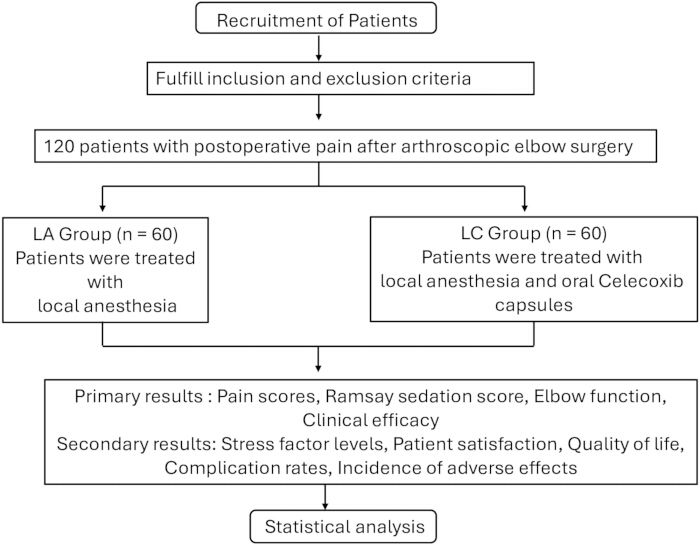
Figure 1: Flow chart Please click here to view a larger version of this figure.
Table 1: Patient demographics and baseline disease characteristics. Please click here to download this Table.
Table 2: VAS score ( ± s, score). Please click here to download this Table.
Table 3: Ramsay score ( ± s, score). Please click here to download this Table.
Table 4: MEPS score ( ± s, score). Please click here to download this Table.
Table 5: Elbow joint mobility ( ± s, °). "*" indicates a significant difference compared with pre-treatment; P < 0.05. Please click here to download this Table.
Table 6: Clinical efficacy analysis. Please click here to download this Table.
Table 7: MDA and ALD levels ( ± s). "*" indicates a significant difference compared with pre-treatment; P < 0.05. Please click here to download this Table.
Table 8: SF-36 score ( ± s, score). Please click here to download this Table.
Table 9: Satisfaction ( ± s, score). Please click here to download this Table.
Table 10: Complications (n, %). Please click here to download this Table.
Table 11: Incidence of adverse reactions (n, %). Please click here to download this Table.
Discussion
As one of the most mobile compound joints in the body, the elbow joint is susceptible to trauma, degeneration, and inflammatory diseases. According to epidemiological investigations, osteoarthritis, free body, and post-traumatic stiffness are the most common among different degrees of elbow dysfunction22. The prevalence of post-traumatic elbow stiffness is as high as 30%, and although traditional open surgery can release adhesions, it is traumatic, has a long recovery period, and carries a significant risk of postoperative re-adhesion. These disorders not only lead to a decrease in the patient's ability to perform daily life, but also may lead to complications such as muscle atrophy and nerve compression, and more optimal treatment is urgently needed23. In recent years, breakthroughs in arthroscopic technology have revolutionised the treatment of elbow joint disorders. This procedure enables precise visualisation of intra-articular lesions through 3–5 tiny accesses of less than 5 mm in diameter, combined with a high-definition imaging system. The latest clinical data show that total arthroscopic elbow release restores more than 80% of flexion and extension mobility, reduces trauma by 60% compared with conventional surgery, and reduces the infection rate to less than 0.5%24.
Postoperative pain is a common physiological response to arthroscopic surgery, and its degree is closely related to the type of surgery, the extent of trauma, and individual patient differences. Studies have shown that the peak of postoperative pain after elbow arthroscopy occurs 24–48 h after surgery, and the main causes include: (1) mechanical pain triggered by joint capsule and ligament pulling injury; (2) synovial inflammatory response releasing analgesic substances, such as prostaglandins; and (3) increased intra-articular pressure due to postoperative swelling25. For postoperative pain relief, COX-2 inhibitors (e.g., celecoxib) are often used to significantly reduce postoperative pain intensity. Most of the postarthroscopic pain stems from mechanical injury and inflammatory response, and the pharmacokinetic properties of celecoxib make it an efficient performer in postoperative analgesia26. It reaches peak blood levels 2–3 h after oral administration, has a half-life of 8–12 h, and maintains analgesic effects for 12–24 h with a single dose. The anti-inflammatory properties of celecoxib not only relieve pain, but also inhibit synovial hyperplasia and scar formation, reducing the risk of joint adhesions27. In addition, the application of local anesthesia technology in arthroscopic elbow surgery has gradually deepened, and its precise analgesic and minimally invasive properties have provided new ideas for postoperative pain management. Compared with general anesthesia, local anesthesia significantly reduces the risk of complications associated with general anesthesia by ensuring painlessness in the surgical area while preserving the patient's wakefulness through nerve block or local infiltration28. Local anesthesia allows precise blockade of nociceptive conduction pathways through ultrasound-guided nerve blocks (e.g., ulnar, radial, or median nerve blocks). Patients operated under local anesthesia can carry out functional exercises immediately after surgery to accelerate the recovery of joint mobility29. Therefore, this study focuses on the treatment of pain caused by arthroscopic elbow surgery by oral analgesia and local anesthesia, and compares them with the clinical efficacy, observes the pain and complications after treatment, and analyzes the effectiveness and safety of the combined treatment of the two, with a view to providing more references for the clinic.
The outcomes of this study revealed that, post-treatment, the indicators for both patient groups were statistically significant compared with pre-treatment (P < 0.05). The VAS score can dynamically assess the effect of postoperative pain treatment by quantifying pain intensity, indirectly reflecting the process of surgical trauma repair30. The Ramsay score can assess sedation during postoperative pain treatment by quantifying the depth of sedation, thereby preventing agitation or oversedation-related complications and ensuring patient safety31. The outcomes revealed that the VAS scores of patients in the LC group were lower than those in the LA group, and the Ramsay scores were significantly higher (P < 0.05). Elbow function recovery was commonly assessed by the MEPS score. The outcomes revealed that the elbow function scores, extension, flexion, and extension/flexion mobility of patients in the LC group were higher than those in the LA group, and the clinical efficacy of patients in the LC group was higher than that in the LA group (P < 0.05). These outcomes suggest that the combination of oral analgesia and local anesthesia for the treatment of pain after elbow surgery is significant, effectively reducing pain levels, improving sedation, and elbow joint mobility. Li et al.32 reported similar findings in a clinical study of arthroscopic surgery for the treatment of osteoarthritis of the elbow joint. Han et al.33 reported similar findings in an analysis of the efficacy of arthroscopy for ulnar humerus bursitis under the WALANT technique. The superior efficacy of the combination of celecoxib and local anesthesia lies in their synergistic mechanism: local anesthetics block peripheral nociceptive sodium channels to inhibit acute pain signaling, while celecoxib can inhibit prostaglandin synthesis and NF-κB pathway activation, reduce pro-inflammatory cytokines (such as TNF-α), and secondary hyperalgesia34,35. This dual effect weakens HPA axis activation caused by uncontrolled pain and reduces oxidative stress by inhibiting ROS production. In addition, the risk of complications is reduced by optimizing analgesia, promoting early functional exercise, avoiding gastrointestinal/platelet side effects related to NSAIDs, and reducing opioid demand36.
MDA is the end product of lipid peroxidation, and its elevated level reflects the degree of damage caused by oxidative stress, which can help to assess the degree of cell and tissue damage. ALD is a hydrocorticoid hormone, and its level changes are involved in water and salt metabolism as well as blood pressure regulation. Elevated levels are common in primary aldosteronism and cardiac insufficiency. The synergistic analysis of MDA and ALD levels can be used to comprehensively assess the state of oxidative stress and electrolyte disorders in the body, and provide a basis for early warning and treatment of functional impairment37. Restricted elbow motion affects the quality of life. The SF-36 score can comprehensively assess individual health-related quality of life by quantifying physiological, psychological, and other dimensions of health status, assisting in the evaluation of clinical efficacy, and enabling the optimization of treatment options38. The findings of this study revealed that the MDA and ALD levels of patients in the LC group were significantly lower than those of the LA group, and the SF-36 scores were significantly higher in the LA group (P < 0.05). In addition, we compared the treatment satisfaction of both groups of patients receiving combined oral analgesia and local anesthesia versus local anesthesia alone in the postoperative period of the current study. Significant differences were observed between the two groups in four domains of patient satisfaction, including the professionalism of healthcare personnel and the quality of nursing care. The patients of the LC group scored better than the LA group in all the nursing satisfaction scores (P < 0.05). The total complication and adverse reaction rates in the LC group were significantly lower than those in the LA group (P < 0.05). These results indicate that the combined treatment of postoperative elbow pain has good efficacy, effectively improves stress indicators and quality of life, reduces the incidence of complications and adverse reactions, and is worth further promotion and application in clinical practice.
This study has some limitations. Firstly, the sample size is relatively small and recruited from a single center, which may introduce selection bias and limit the generalizability of the research results to more diverse patient populations with different comorbidities or surgical indications. Secondly, we did not stratify patients by surgical complexity or preoperative elbow dysfunction severity, which may affect postoperative pain trajectories and treatment response, thereby masking potential subgroup differences in the efficacy of combined analgesia regimens. Thirdly, the short-term follow-up excluded evaluation of long-term outcomes, including the sustainability of pain relief, functional recovery, and delayed adverse events, such as gastrointestinal complications associated with long-term use of celecoxib. Fourthly, there are individual differences in patients' underlying diseases, which may affect the generalizability of research results. Future research should adopt a multicenter, stratified design with larger sample sizes, longer follow-up, and blinded evaluation to further validate the clinical value of this combined analgesic strategy.
This study analyzed the clinical efficacy of combining oral analgesia and local anesthesia in patients with postoperative elbow pain, to provide a new therapeutic approach for this condition. The outcomes revealed that, post-treatment, all indicators for patients in both groups improved. The Ramsay score, MEPS score, elbow mobility, clinical efficacy, SF-36 score, and patient satisfaction score in the LC group were significantly higher than in the LA group, and the VAS score, MDA and ALD levels, and the total incidence of complications and adverse reactions were significantly lower in the LC group. It suggests that combining oral analgesics with local anesthesia is highly effective for managing postoperative elbow pain. This approach more effectively alleviates pain, enhances elbow mobility and overall quality of life, and reduces the risk of complications and adverse events. These findings offer a valuable reference for the clinical management of related conditions. However, this study is limited by its relatively small sample size and short treatment duration, which precluded evaluation of the long-term efficacy of this therapeutic approach. Additionally, certain specific outcome measures could not be incorporated due to practical constraints. Future multicenter studies with larger sample sizes and rigorous methodological design are warranted to further validate these findings.
Disclosures
The authors declare that they have no financial conflicts of interest.
Materials
| Name | Company | Catalog Number | Comments |
|---|---|---|---|
| Lidocaine | Shanghai Chaohui Pharmaceutical Co., Ltd | H31021071 | |
| NaCl | Shanghai Baxter Medical Supplies Co., Ltd. | H19983149 | |
| Epinephrine hydrochloride | Shanghai WoFeng Pharmaceutical Co., Ltd. | H31021062 | |
| Celecoxib capsule | Qingdao Baiyang Pharmaceutical Co., Ltd | H20203325 | |
| Beckman Coulter chemistry analyser | Beckman Coulter Inc. | AU5800 |
References
- Kheterpal, A. B., Bredella, M. A. Overuse injuries of the elbow. Radiol Clin North Am. 57 (5), 931-942 (2019).
- Ravalli, S., et al. An overview of the pathogenesis and treatment of elbow osteoarthritis. J Funct Morphol Kinesiol. 4 (2), 30(2019).
- Martinez-Catalan, N., Sanchez-Sotelo, J. Primary elbow osteoarthritis: evaluation and management. J Clin Orthop Trauma. 19, 67-74 (2021).
- Masci, G., et al. The stiff elbow: current concepts. Orthop Rev. 12 (Suppl 1), 8661(2020).
- Mansat, P., Morrey, B. Semiconstrained total elbow arthroplasty for ankylosed and stiff elbows. J Bone Joint Surg Am. 82 (9), 1260-1268 (2000).
- Kwak, J. -M., Jeon, I. -H. Surgical management for primary osteoarthritis of the elbow. J Orthop Surg. 29 (1), 2309499020988174(2021).
- Lombard, C., et al. Elbow stiffness imaging: a practical diagnostic and pretherapeutic approach. J Clin Med. 10 (22), 5348(2021).
- Siemensma, M. F., van der Windt, A. E., van Es, E. M., Colaris, J. W., Eygendaal, D. Management of the stiff elbow: a literature review. EFORT Open Rev. 8 (5), 351-360 (2023).
- Bi, W., et al. Effectiveness analysis of computer-aided technology in the treatment of primary elbow osteoarthritis combined with stiffness under arthroscopy. Zhongguo Xiu Fu Chong Jian Wai Ke Za Zhi. 36 (3), 268-273 (2022).
- Ghosh, N., et al. Nonsteroidal anti-inflammatory drugs (NSAIDs) and their effect on musculoskeletal soft-tissue healing: a scoping review. JBJS Rev. 7 (12), e4(2019).
- Duchman, K. R., et al. The effect of non-steroidal anti-inflammatory drugs on tendon-to-bone healing: a systematic review with subgroup meta-analysis. Iowa Orthop J. 39, 107-119 (2019).
- Hassan, T. E., Botros, A. R., Nasr, Y. M. Comparison between dexmedetomidine and midazolam as an adjuvant to lidocaine in intravenous regional anesthesia for below elbow surgeries. Syst Rev Pharm. 12 (1), 1094-1100 (2021).
- Cunningham, D. J., et al. Regional anesthesia reduces inpatient and outpatient perioperative opioid demand in periarticular elbow surgery. J Shoulder Elbow Surg. 31 (2), e48-e57 (2022).
- Bielewicz, J., Daniluk, B., Kamieniak, P. VAS and NRS same or different? Are visual analog scale values and numerical rating scale equally viable tools for assessing patients after microdiscectomy. Pain Res Manag. 2022, 5337483(2022).
- Lozano-Díaz, D., et al. Validation of the Ramsay scale for invasive procedures under deep sedation in pediatrics. Paediatr Anaesth. 31 (10), 1097-1104 (2021).
- Engelke, J., et al. High correlation of the subjective elbow value with Mayo elbow performance score and Oxford elbow score in patients with elbow dislocation. JSES Int. 7 (5), 868-871 (2023).
- Peiyuan, H., et al. Resveratrol ameliorates experimental alcoholic liver disease by modulating oxidative stress. Evid Based Complement Alternat Med. 2017, 4287890(2017).
- de Beurs, E., Carlier, I., van Hemert, A. Psychopathology and health-related quality of life as patient-reported treatment outcomes: evaluation of concordance between the Brief Symptom Inventory (BSI) and the Short Form-36 (SF-36) in psychiatric outpatients. Qual Life Res. 31 (5), 1461-1471 (2022).
- Parker, S. L., et al. Determination of minimum clinically important difference (MCID) in pain, disability, and quality of life after revision fusion for symptomatic pseudoarthrosis. Spine J. 12 (12), 1122-1128 (2012).
- Vollert, J., et al. Minimal clinically important changes of patient-reported outcome measures for acute postsurgical pain. Anesthesiology. 144 (1), 143-153 (2026).
- Andrade, C. Mean difference, standardized mean difference (SMD), and their use in meta-analysis: as simple as it gets. J Clin Psychiatry. 81 (5), 11349(2020).
- Day, J. M., Lucado, A. M., Uhl, T. L. A comprehensive rehabilitation program for treating lateral elbow tendinopathy. Int J Sports Phys Ther. 14 (5), 818-829 (2019).
- Zhang, D., Nazarian, A., Rodriguez, E. K. Post-traumatic elbow stiffness: pathogenesis and current treatments. Shoulder Elbow. 12 (1), 38-45 (2020).
- Akhtar, A., Hughes, B., Watts, A. C. The post-traumatic stiff elbow: a review. J Clin Orthop Trauma. 19, 125-131 (2021).
- Tsenkov, T., Dimitrov, N. A systematic review of elbow arthroscopy complications: complications, risk factors, and safety tips. Int Orthop. 46 (5), 1073-1083 (2022).
- Marco, S. M., Lafuente, J. Á, Edo, ÓJ., Pequerul, J. G. Perioperative pain management in arthroscopy of the elbow. Rev Esp Artrosc Cir Articul. 29 (2), 98-107 (2022).
- Burns, K. A., et al. Celecoxib significantly reduces opioid use after shoulder arthroplasty. J Shoulder Elbow Surg. 30 (1), 1-8 (2021).
- Wada, T., et al. Efficacy of axillary nerve block in elbow arthroscopic surgery: a randomized trial. J Shoulder Elbow Surg. 23 (3), 291-296 (2014).
- Xin, H., Ying, L., Zhang, Q., Han, D., Ge, S., Zhou, X. Arthroscopic extensor carpi radialis brevis tenotomy under local anesthesia for refractory lateral epicondylitis. Arthrosc Tech. 13 (12), 103144(2024).
- Goudman, L., et al. The level of agreement between the numerical rating scale and visual analogue scale for assessing pain intensity in adults with chronic pain. Anaesthesia. 79 (2), 128-138 (2024).
- Rasheed, A. M., et al. Ramsay sedation scale and Richmond agitation sedation scale: a cross-sectional study. Dimens Crit Care Nurs. 38 (2), 90-95 (2019).
- Li, J. Clinical study of arthroscopic surgery for elbow osteoarthritis. Clin Med Eng. 29 (1), 63-65 (2023).
- Han, W., Tang, X. Analysis of the therapeutic effect of arthroscopy in olecranon bursitis under WALANT technique. Mod Diagn Treat. 35 (11), 1897-1909 (2024).
- Liu, H., et al. Advances in structural biology for anesthetic drug mechanisms: insights into general and local anesthesia. BioChem. 5 (2), 18(2025).
- Al-Rashed, F., et al. Celecoxib exerts protective effects in the vascular endothelium via COX-2-independent activation of AMPK-CREB-Nrf2 signalling. Sci Rep. 8, 6271(2018).
- Squillace, S., Salvemini, D. Nitroxidative stress in pain and opioid-induced adverse effects: therapeutic opportunities. Pain. 163 (2), 205-213 (2022).
- Shen, Y., et al. Antioxidant effects of Se-glutathione peroxidase in alcoholic liver disease. J Trace Elem Med Biol. 74, 127048(2022).
- Rahman, M., et al. Quality of life assessment by SF-36 among the patients with rheumatoid arthritis. MMJ. 31 (2), 586-591 (2022).