Guest Editor

Collection Overview
Blood is an essential biological tissue that facilitates transport of oxygen and nutrients to metabolically active tissues while enabling the elimination of the waste products of cellular metabolism. Blood flow is intrinsically linked to the physical properties of the system, and is a highly sensitive homeostatic process. Any disturbances to the vascular network, propulsive organ, or cellular components of blood can alter the heterogeneity of cell distribution across capillary beds, propagating circulatory insufficiencies and development of disease.
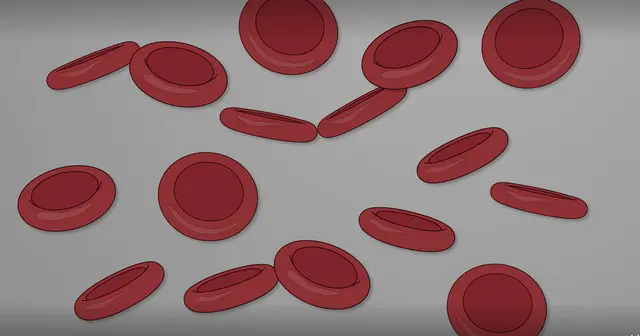
Erythrocytes, constituting 36–50% of blood, are the most prominent hematological factor influencing hemorheology. The physical properties of erythrocytes have the ability to alter the local viscosity of blood and dictate circulation through the microvasculature. We now know that even though erythrocytes lack the complex machinery required for protein synthesis and repair, the cell is sensitive to stress-strain history and mechanotransducive pathways that facilitate numerous passive and active functions that aid circulation (e.g., erythrocytes synthesize their own nitric oxide and contribute it to the local vascular pool).
The study of erythrocyte mechanobiology enables multi-scale inspection of cardiovascular pathophysiology. This Methods Collection aims to outline and standardize several key biophysical techniques regularly used for complex mechanobiological erythrocyte assessment (e.g., ektacytometry, micropipette aspiration, optical tweezers, patch clamping, microfluidic devices, microparticle detection, and biochemical assessment of mechanotransduction pathways). These methods collectively have wide application for physiological characterization of blood cells and disease.
Articles

Erythrocyte Sedimentation Rate: A Physics-Driven Characterization in a Medical Context
0 Views
•
Cited by 6
•
2023
•

Immunostaining-Based Detection of Dynamic Alterations in Red Blood Cell Proteins
0 Views
•
Cited by 4
•
2023
•

Amplitude-Modulated Electrodeformation to Evaluate Mechanical Fatigue of Biological Cells
0 Views
•
Cited by 4
•
2023
•
Abstracts
Erythrocyte Fatigue Evaluation Based on Amplitude Shift Keying-Modulated Electrodeformation
Sarah Du*1,
Hongyuan Xu1,
Darryl Dieujuste1
1Florida Atlantic University
Investigating Single Molecular Mechanobiology through Micropipette Aspiration
Jasmine Jin1,
Haoqing Wang2,
Yiyao Chen1,
Lining Ju*3,
Blake Russel1
1School of Biomedical Engineering, The University of Sydney, Darlington, NSW 2008, Australia ,
2School of Biomedical Engineering, The University of Sydney, Darlington, NSW 2008, Australia / Charles Perkin Centre, The University of Sydney, Camperdown, NSW 2006, Australia / Heart Research Institute, Camperdown, Newtown, NSW 2042, Australia,
3School of Biomedical Engineering, The University of Sydney, Darlington, NSW 2008, Australia / Charles Perkin Centre, The University of Sydney, Camperdown, NSW 2006, Australia / Heart Research Institute, Camperdown, Newtown, NSW 2042, Australia / The University of Sydney Nano Institute (Sydney Nano), The University of Sydney, Camperdown, NSW 2006, Australia