Guest Editors
Xiaowei Sun
Wuhan United-Imaging Healthcare Surgical Technology Co. Ltd.
Dr. Xiaowei Sun graduated from Zhongshan School of Medicine of Sun Yet-sen University in 2010 with a master's degree in surgery and graduated from Peking Union Medical College in 2022 with a PhD. He once served as an orthopedic surgeon from 2010 to 2019 in Tangshan Gongren Hospital. Currently, he serves as a senior medical export of orthopedics in Wuhan United-Imaging Healthcare Surgical Technology Co. Ltd. Dr. Sun has been engaged in orthopedic clinical work and research for 12 years, he has much research interests in medical-engineering cooperation in orthopedic surgery. In recent years, he has participated in a number of national and provincial research projects, and published over 10 research papers in academic journals of Science Citation Index.
Qidong Zhang
Affiliation China-Japan Friendship Hospital, Department of Orthopaedic Surgery, Beijing, China
Dr. Qidong Zhang graduated from Tongji Medical College, Huazhong University Of Science Technology(Wuhan, Hubei ) in June 2005 and got a bachelor’s degree in clinical medicine. He finished postgraduate courses at Peking University Health Science Center ( Beijing, China) between September 2007 and June 2010 and got his master’s degree in June 2010. He completed his PhD at Peking Union Medical College( Beijing, China) in June 2015 . During in Peking Union Medical College, he performed the study of lateral compartmental cartilage erosion in varus knee osteoarthritis and published three papers about this thesis. He was a visiting scholar at Harvard University Massachusetts General Hospital in 2018 and performed the knee kinematics study. He currently serves as the vice attending doctor of the Orthopedic Department at the China-Japan Hospital, meanwhile a master's supervisor at Peking Union Medical College and Peking University Health Science Center. His specialties include the treatment of osteonecrosis of the femoral head, osteoarthritis of the hip and knee, and unicompartmental knee arthroplasty. Zhang has engaged in orthopedic clinical, and research works for about 15 years, and specializes in total hip and knee arthroplasty, knee arthroscopy, and various osteotomy surgeries., especially in unicompartmental knee arthroplasty. In recent years, he has presided over several national and provincial research projects and published many research papers in academic journals.
Cheng Huang
China-Japan Friendship Hospital
Dr. Cheng Huang graduated from Peking Union Medical College in 2016 with an MD degree in clinical medicine. He takes the role of an orthopedic surgeon at China-Japan Friendship Hospital since 2016, focusing on the diagnosis and treatment of bone and joint injuries. He focuses on exploring the pathogenesis of osteonecrosis of the femoral head necrosis and inflammatory arthritis and using artificial intelligence to solve clinical issues. He has published over 10 research papers with high-impact factors and has undertaken and participated in several national research projects.
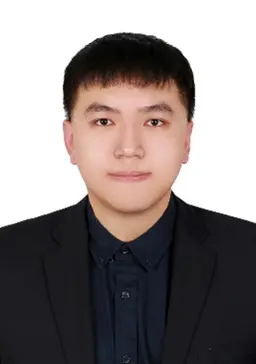
Qiuyuan Wang
Beijing University of Chinese Medicine and China-Japan Friendship Hospital, Department of Orthopaedic Surgery
Dr. Qiuyuan Wang is a MD candidate of China-Japan Friendship Hospital and Beijing University of Chinese Medicine. His research field is orthopaedic surgery. The main research interests include hip and knee arthroplasty, knee biomechanics and digital orthopaedics, foot and ankle surgery, mechanisms of osteoarthritis and osteonecrosis. He has published several apers in these topics. He also has been to Nanyang Technological University as China Scholarship Council (CSC) short-term visiting exchange.
Collection Overview
Medical-engineering cooperation plays an important role in the development of orthopedic surgery. In recent years, due to the combination of medical discovery and engineering technology, many new techniques, instruments, and creative concepts have emerged in all subjects of orthopedic surgery. Such as the design of a minimally invasive surgical approach, the precise implantation of the prosthesis, artificial intelligent-assisted surgical planning, etc. The medical-engineering cooperation can not only improve the medical level and benefit the patient but also accelerate the development of the medical device industry.
The aim of this collection is to collect methods benefiting the development of medical-engineering cooperation in orthopedic surgery. The subjects included but were not limited to: (1) Digital orthopedics: personalized implants, 3D-printing, AR/VR, Artificial intelligence surgical planning, navigation/robot-assisted orthopedic surgery, visual surgical education, digital rehabilitation, etc. (2)Surgical technique improvement and innovation: minimally invasive approach, innovative surgical instruments, and implants, new procedures or innovative concepts in orthopedic surgery.
Articles


Plasma Polishing as a New Polishing Option to Reduce the Surface Roughness of Porous Titanium Alloy for 3D Printing
0 Views
•
Cited by 2
•
2023
•
Zhiwei Lin*1,2, Lincong Luo*3, Dongxin Lin*4, Yuping Deng4,5, Yang Yang4, Xuecheng Huang6, Tingrui Wu1, Wenhua Huang1,2,4
1Orthopedic Center, Affiliated Hospital of Guangdong Medical University, 2The School of Basic Medical Sciences, Guangdong Medical University, 3The School of Basic Medical Sciences, Fujian Medical University, 4Guangdong Engineering Research Center for Translation of Medical 3D Printing Application, Guangdong Provincial Key Laboratory of Digital Medicine and Biomechanics, National Key Discipline of Human Anatomy, School of Basic Medical Sciences, Southern Medical University, 5Integrated Hospital of Traditional Chinese Medicine, Southern Medical University, 6Shenzhen Hospital of Guangzhou University of Chinese Medicine (Futian)
