Guest Editors
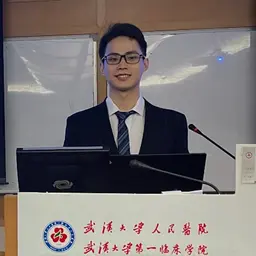
Wenyi Jin
Wuhan University, Renmin Hospital of Wuhan University, Department of Orthopedics and City University of Hong Kong, Department of Biomedical Science
Dr. Wenyi Jin is a surgeon from the Department of Orthopedics, Renmin Hospital of Wuhan University. He is a Young Editorial Board Member of iMeta and Traditional Medicine Research and has also served as a reviewer for iMeta, Frontiers in immunology, etc. His work has been published in many reputable journals, including Carbohydrate Polymers, Theranostics, etc. Additionally, he has been awarded many awards, such as the Wuhan University Academic Innovation Award and the National Scholarship. Currently, he is working on precision therapies for refractory diseases, with a specific interest in machine learning/bioinformatics, nanomaterials, and precision oncology.Dr. Jin's team is dedicated to dissecting the complex molecular interaction networks involved in the evolution of cancer. By integrating graph-based contrast learning, graph neural networks, deep learning, and advanced bioinformatics, they could map the molecular interaction atlas of human cancer with unprecedented details, predict unknown essential oncogenic gene pairs, and develop targeted nanotherapeutics.

Zhijia Xia
Zhijia.Xia@med.uni-muenchen.de
Dr. Zhijia Xia is MD of the Department of Surgery at the University of Munich and has a long-standing interest in the crosstalk between tumors and immunity. His work continues to be published in several journals and has received several awards, including the China Scholarship Council.Zhijia Xia's lab focuses on integrating bioinformatics, oncology, and immunology to elucidate the mechanisms of (1) resistance to chemotherapy and immunotherapy mediated by genetic, epigenetic, and immune factors (2) immune cell-mediated remodeling of the tumor microenvironment (3) sphingolipid-mediated interactions between cancer cells and immune cells.
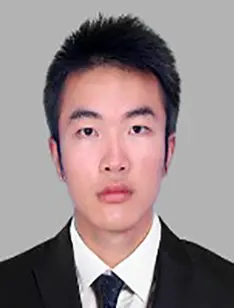
Yubiao Zhang
Wuhan University, Renmin Hospital of Wuhan University, Department of Orthopedics
Dr. Yubiao Zhang is a surgeon from the Department of Orthopedics, Renmin Hospital of Wuhan University. His research field is extensive, and he has made some achievements in the fields of osteoarthritis treatment and tumor immunity. Additionally, he has been awarded many awards, such as three times’ the National Scholarship. Currently, His work continues to be published in several journals. He is not only interested in the in-depth study of the pathogenesis of osteoarthritis and the exploration of therapeutic drugs, but also in machine learning/bioinformatics, and precision oncology.
Collection Overview
Malignant tumors have become a significant international public health challenge due to their uncontrollable clinical course. With the rapid development of precision oncology, treatments for various malignant tumors are constantly evolving. However, we are still unable to halt cancer progression effectively. PD-1/PD-L1 targeted therapies, for example, have achieved remarkable tumor remission and even complete remission in some patients. Yet, its clinical application is limited due to the low response rate caused by the therapy only being effective in a subset of sensitive tumor subtypes and the inevitable immune-related adverse effects. Therefore, leveraging various sequencing methods and datasets through advanced bioinformatics or deep learning techniques and discovering new tumor drivers and subtypes is crucial for developing new personalized therapies.
The purpose of this Methods Collection is to highlight current methods used to uncover tumor drivers and tumor subtypes, with a particular focus on using machine learning and deep learning approaches for phenotype-gene correlation analysis. Potential methods include, but are not limited to, analysis of tumor driver gene detection, screening and determining tumor subtypes using statistical, machine learning, or deep learning methods, methods for uncovering gene-phenotype correlations, visualization of cancer driver factors, and the screening and visualization of prognostic tumor biomarkers.
Articles

Detection of Targetable Alterations in Non-small Cell Lung Cancer using Next-generation Sequencing
0 Views
•
2025
•
1Department of Pathology, State Key Laboratory of Molecular Oncology, National Cancer Center/National Clinical Research Center for Cancer/Cancer Hospital, Chinese Academy of Medical Sciences and Peking Union Medical College, 2Department of Education, National Cancer Center/National Clinical Research Center for Cancer/Cancer Hospital, Chinese Academy of Medical Sciences and Peking Union Medical College
Abstracts
The key prognostic gene SNX7 inhibits the progression of prostate cancer by Wnt signaling pathway
Liang Qin1,
Fan Yang1,
Zhuifeng Guo1,
Xuwei Lu2,
Jiawen Wu1,
Dongzhen Jiang1,
Ning Yang*1
1Department of Urology, Minhang Hospital, Fudan University, 170 Xin-Song Road, Shanghai 201199, China ,
2Department of Urology, Minhang Hospital, Fudan University, 170 Xin-Song Road, Shanghai 201199, China
Prognostic model for head and neck squamous carcinoma: 11 oxidative stress-related lncRNAs
Puyu Jiang 1,
Po xue1,
Yiyuan Sun1,
Peihua Wang*1
1Department of Otolaryngology-Head and Neck Surgery, Shanghai Ninth People’s Hospital, School of Medicine, Shanghai Jiao Tong University, Shanghai, China.
Development and Validation of a Novel Immune-Related Signature for Predicting Prognosis and Immunotherapy Response of Pancreatic Adenocarcinoma
Wanhui Dai1,
Yihan Wang2,
Xiaye Miao*3
1Department of Clinic Laboratory, Nanjing Second Hospital, Nanjing University of Chinese Medicine, Nanjing, China.,
2Department of Clinic Laboratory, Laboratory of Wuxi Maternal and Child Health Hospital, Wuxi, China,
3School of Clinical Medicine, Yangzhou University, Yangzhou, China.
An N7-methylguanosine-related LcnRNA model for predicting prognosis and screening potential drugs in patients with lung squamous cell carcinoma
Shiquan Liu1,
Jianhui Li2,
Shujun Li*1
1The Second Hospital of Hebei Medical University,
2Chengde Medical University
GOAT affects the cell proliferation, apoptosis and autophagy in gastric cancer via AKT pathway
Huanqing Li1,
Xiaohong Zhang1,
Li Feng*1
1Endoscopy Center, Minhang District Central Hospital of Fudan University, Shanghai, China