
Guest Editors
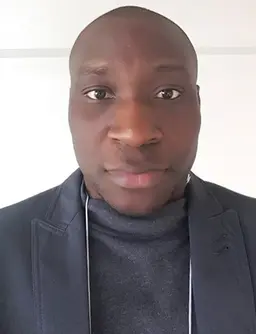
Oluyomi Adeyemi
Bowen University
OS Adeyemi is a life scientist with a research focus on medicinal and molecular biochemistry, toxicology, and nanomedicine. His research focuses on four areas: (1) screening libraries of chemical compounds to identify potential anti-parasite agents; (2) the molecular and biochemical characterization of alternative therapeutic agents and their biomedical targets to deepen our understanding of their biological interactions and effects; (3) the synthesis and functionalization of nanoparticles as selective therapeutic inhibitors and drug delivery systems; and (4) medicinal and toxicological evaluation of natural products, including plants, microbes, and animals, for targeted therapeutic purposes. He has always leveraged the use of Drosophila, tissue, and cell culture, or ex vivo systems, as well as computational approaches, as alternatives to animal models. OS Adeyemi teaches biochemistry to undergraduate and graduate students at Bowen University in Nigeria, where he is currently a faculty member.

Olubunmi Atolani
University of Ilorin
Associate Professor Dr. Olubunmi Atolani is a natural products/medical chemist whose research focuses on investigating and characterizing the anti-cancer, cytotoxic, and antioxidant properties of traditional medicine. He uses chemoinformatic tools for drug discovery in cancer, diabetes, malaria, and infection conditions. He has authored over one hundred peer-reviewed journal articles (Scopus-indexed majority), books, numerous book chapters, and delivered keynote addresses at conferences. He is an experienced reviewer for several reputable journals, including Wiley, Elsevier, Taylor & Francis, and others. He was the managing editor of Annals of Science and Technology, published by De Gruyter/SCIENDO in Europe, and an editorial board member of various scientific journals. He is a principal investigator (PI) in various research groups and has been awarded numerous international, national, and institutional competitive scientific research grants and awards, such as those from the Deutsche Forschungsgemeinschaft-Germany, UNESCO, TWAS-DFG, TWAS-ICCBS, TWAS-CIIT, Seeding Labs, EACR, TETFund, and Raw Material Grants. He is a member of several committees and boards within and outside the university system. He is a member of reputable national and international professional and academic bodies such as the European Association of Cancer Researchers (EACR), the Royal Society of Chemistry (RSC), the American Chemical Society (ACS), the Institute of Chartered Chemists of Nigeria (ICCON), the Chemical Society of Nigeria (CSN), the Nigerian Young Academy (NYA), etc. He is currently a faculty member at the University of Ilorin, Ilorin, Nigeria, where he teaches and supervises both undergraduate and postgraduate students.

Oluwafemi Adeleke Ojo
Bowen University
Assistant Professor Dr. Oluwafemi Adeleke Ojo is a biochemist with research interests in phytomedicine, molecular toxicology, and computational biochemistry. He has over 200 scientific articles in peer-reviewed journals (Scopus-indexed majority), two chapters in a book, and has delivered over 15 papers at international and national conferences. He is a member of Nigerian Young Academy (NYA) and an affiliate member of African Academy of Sciences (AAS). He serves on the editorial boards of the Journal of Medicinal Plants for Economic Development in South Africa and Computational Molecular Biosciences (CMB) in China. He is an editor for journals like Frontiers in Pharmacology, Evidence-Based Complementary and Alternative Medicine, and Biomed Research International. He has received numerous awards, including TOP 2% Scientists in the World for two consecutive years. He was named by Scival in the “TOP 500 Authors in Nigeria” in the year 2019, 2020, 2021, 2022, and 2023. He belongs to professional organizations, including the Nigerian Society of Biochemistry and Molecular Biology (NSBMB); Society of Medicinal Plants and Economic Development (SOMPED), South Africa; the Society of Christian Scholars; and the American Chemical Society, USA.

Damilare Emmanuel Rotimi
Landmark University
Dr. Damilare Emmanuel Rotimi is a researcher focused on medicinal biochemistry and reproductive toxicology. His current research interest focuses on reproductive dysfunction by using diets such as plant-based diets and high-fat/low-carbohydrate diets. He has a great passion for innovative research that is focused on improving human health by identifying and developing treatment options of natural origin readily available locally. Currently, he serves as a faculty member at the department of biochemistry at Landmark University, Nigeria. He has published over 70 articles in highly reputable journals and attended several conferences and workshops. He is a member of the Nigeria Society for Experimental Biology (NISEB). He is also passionate about learning and impacting lives, with the aim of solving challenges in his immediate environment.
Collection Overview
In recent years, alternatives to animal testing have become increasingly popular and widely used in clinical and biomedical research. Exploring alternatives to animal testing in drug discovery presents numerous opportunities and advantages. This approach is driven by ethical considerations, practicality, and scientific principles. Several alternatives aiming to reduce or replicate animal testing have shown promise, offering valuable contributions to drug discovery and safety evaluations. Alternatives to the use of animals in experiments include:
- In vitro testing: Human or animal cell- and tissue-based models, including cell cultures, as well as 2D and 3D models
- Organ-on-a-chip technology: Microfluidic devices
- Human biomimetics: Engineered tissue such as organoids
- Human volunteer testing
- Computational and mathematical models
As we explore these alternative testing models, we remain mindful of certain drawbacks. These include the model's inability to fully replicate the complexity of the entire organism, making it challenging to accurately model physiological responses. Additionally, the lack of standardization hinders the reproducibility and reliability of these models.
However, the prospects of alternative testing methods in drug discovery research can be strengthened through multidisciplinary collaboration, the development and validation of novel techniques, and standardization. This Methods Collection will offer new perspectives to broaden the horizons of alternatives to animal testing for biomedical research, especially drug discovery.
