
Guest Editors
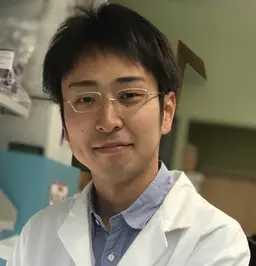
Hirotaka Iijima
University of Pittsburgh, Pittsburgh, PA
Dr. Hirotaka Iijima is a post-doctoral researcher in the Department of Physical Medicine and Rehabilitation at University of Pittsburgh in the United States and a visiting researcher at Kyoto and Keio Universities in Japan. The primary goals of his research are to develop effective and innovative rehabilitative therapies that promote the tissue regeneration and maximize functional recovery for patients with musculoskeletal disease, especially for knee osteoarthritis. To achieve this goal, Dr. Iijima uses the integrative approaches of Regenerative Rehabilitation, the interdisciplinary field that integrates approaches from rehabilitation science together with regenerative medicine, under the supervision of Dr. Fabrisia Ambrosio at the University of Pittsburgh.

Karina Nakayama
Oregon Health & Science University
Karina H. Nakayama is an Assistant Professor in the Department of Biomedical Engineering at Oregon Health & Science University (OHSU). Dr. Nakayama's lab develops regenerative and immunomodulatory biomaterials to enhance engineered vasculature, muscle, and complex multi-tissue composites to develop therapies for ischemic cardiovascular diseases and traumatic musculoskeletal injuries. These engineering challenges are approached by using biomaterial spatial patterning and immunomodulation combined with insights gained through computational biology and regenerative rehabilitation.
Collection Overview
Exercise is Medicine. This phrase underscores the fact that physical and rehabilitative exercise is a widely recognized pillar in the management of chronic diseases. A multitude of tissues throughout the organism require mechanical loading to maintain homeostasis (i.e., mechanotherapy). While a number of in vitro and ex vivo studies have provided strong evidence for the regulation of cellular function through mechanotransductive signaling (i.e., the conversion of a mechanical stimulus into a chemical response), in vivo evidence is limited, and the mechanisms underlying clinically-relevant mechanotherapies are not completely understood.
What has impeded progress in clarifying how mechanical forces regulate tissue homeostasis in vivo? Technical challenges in the controlled application of mechanical forces in vivo is a key limiting factor. Traditional forms of rehabilitative exercise commonly used in animal studies, such as treadmill running, involves both mechanical and non-mechanical effects. This makes it difficult to disentangle the direct effects of mechanical stimulation with other physiologic responses, such as cardiovascular system alterations. This collection brings together a diverse array of systems and techniques that have been developed to study the underlying molecular mechanism of mechanical force on tissue homeostasis in vivo. We invite you to submit protocols that outline novel approaches for evaluating the impact of mechanical forces on tissue or organ homeostasis in vivo (including brain, spinal cord, peripheral nerve, spine, vasculature, skeletal muscle, tendon, ligament, bone, and articular cartilage). We believe that the dissemination of these new techniques will broaden design considerations for pre-clinical animal models and promote the development of clinically relevant in vivo mechanotherapy.
Articles


Application of Passive Head Motion to Generate Defined Accelerations at the Heads of Rodents
0 Views
•
Cited by 1
•
2022
•
Takahiro Maekawa*1, Naoyoshi Sakitani*1, Youngjae Ryu1, Atsushi Takashima2, Shuhei Murase1, Julius Fink3, Motoshi Nagao1, Toru Ogata4, Masahiro Shinohara1, Yasuhiro Sawada5
1Department of Rehabilitation for Motor Functions, National Rehabilitation Center for Persons with Disabilities, 2Department of Assistive Technology, National Rehabilitation Center for Persons with Disabilities, 3Department of Metabolism and Endocrinology, Graduate School of Medicine, Juntendo University, 4Department of Rehabilitation Medicine, Graduate School of Medicine, The University of Tokyo, 5Department of Clinical Research, National Rehabilitation Center for Persons with Disabilities
