Fundamentals of Breeding and Weaning
All animal procedures described here must be conducted in accordance with institutional animal ethics guidelines and approved by IACUC. All procedures must follow the principles of the 3Rs—Replacement, Reduction, and Refinement—and must be performed by trained personnel.
1. Information needed when pairing animals includes strain/stock of the animal utilizing proper nomenclature, dates of birth for the breeder male and female, and the setup date. Accurate recordkeeping is imperative with breeding colonies.
2. Sex determination of mice and rats is done by comparing the anogenital distances. In females, the distance between the anus and the external genitalia is shorter than it is for males. The presence of a scrotal sac in male animals is another sex indicator.
3. Selecting and setting up the mating scheme
NOTE: There are two mating schemes that can be used.
- Proestrus/estrus timed mating: This method relies on pairing females with males at the point of maximum receptivity and fertility.
- The estrous cycle must be monitored in the females either by visual examination of the external genitalia for changes that are indicative of proestrus and estrous, or by cytology of vaginal secretions (see below).
- When a female is determined to be in proestrus or estrus, she is paired with a male at the end of the day, as the animals generally mate at night.
- The following morning, the female is examined for a copulatory plug (see below). If no plug is present, the female can remain with the male during the day and be checked for a copulatory plug at the end of the day. Alternatively, if it is determined that she is no longer in proestrus or estrus, she is removed from the breeding cage.
- Random timed mating: This method is based on the fact the estrous cycle of rodents is very short, 4-5 days long.
- For this method, matings can be set up anytime, and the females are then checked for copulatory plugs every morning and evening until a plug is observed.
- A female is paired with a male in the evening.
- She is checked for a copulatory plug at the beginning and end of each day until a plug is observed. It commonly takes 3 or more days for a plug to be seen when using this method.
4. Predicting pregnancy
Since palpation of pups is difficult until later during pregnancy, around day 10-12, commercial ultrasound systems for rodents have been developed; however, few animal research facilities have this technology. Therefore, visualization of copulatory plugs, observation of vaginal changes, or vaginal cytology are commonly used to assist with the prediction of when a female has conceived a litter (see below). However, none of these methods are able to confirm pregnancy. Once a copulatory plug is observed, the female should be monitored for signs of pregnancy, such as weight gain.
5. Determining the estrous cycle stage
- Visual Inspection
NOTE: For timed mating of mice and rats, visual observation of the vagina for changes that are indicative of proestrus and estrus is the quickest method to determine the estrous cycle stage, and it requires no special equipment.- When evaluating the estrous cycle using the visual method, it is important to perform the visual inspection in the same area with respect to room lighting, as the light source can change the perceived color of vaginal tissues and make evaluation difficult. For example, the purple hue cast by LED lights makes visual detection more difficult.
- To evaluate the stage of the estrous cycle by visual observation, the animal may be briefly restrained for examination. Where possible, low-stress handling methods, such as tunnel or cup handling, should be used in accordance with current institutional guidelines to minimize animal distress. The forepaws may rest on a cage lid to facilitate visualization of the vaginal opening.
- The vaginal opening of each female is evaluated based on the condition of the tissue surrounding the vaginal area and the size of the vaginal opening.
- During proestrus, the vaginal opening is wide and is characterized by swelling of the surrounding tissue. The tissue is pink in color and very moist. Often there are wrinkles or striations along the dorsal and ventral edges of the opening.
- During estrus, the swelling of the tissues surrounding the vaginal opening is reduced, and the tissues are not as moist and pink.
- During metestrus the vaginal opening is minimal and there is negligible swelling.
- During diestrus, there is no swelling of the tissues around the vaginal area, and the vaginal opening is small and closed.
- Vaginal cytology
As both mice and rats are polyestrous, the estrus cycle length is very short, ranging from 4-5 days. It is sometimes necessary to identify all four stages of estrous: proestrus, estrus, metestrus, and diestrus. Vaginal cytology is a very accurate method to determine these stages. There are also two methods of sample collection: the noninvasive method of vaginal lavage, and the invasive method of vaginal canal swabbing.- Vaginal lavage
- Materials needed are sterile 200 µl pipettes tips, latex bulbs, sterile double distilled water (ddH2O), and clean glass slides.
- Place a latex bulb on the end of a sterile 200 µl tip. Draw approximately 100 µl of sterile ddH2O into the pipette.
- Briefly remove the mouse from the cage and gently restrain it to allow access to the vaginal opening. Minimize handling time, and use low-stress handling approaches where possible. .
- Position the animal so that the forepaws rest on a cage lid to facilitate the procedure.
- If the mouse urinates, wait until urination stops. Should there be urine left at the entrance to the vaginal canal, the opening can be rinsed with a small squirt of ddH2O. Change the tip that was used for rinsing.
- Place the end of the ddH2O-filled tip at the opening of the vaginal canal without penetrating the orifice.
- Gently depress the bulb to expel a quarter to half of the volume of water (~25-50 µl) at the opening of the vaginal canal. The liquid will spontaneously aspirate into the canal without tip insertion. Slowly release the pressure exerted on the bulb. The fluid will withdraw back into the tip.
- Avoid releasing pressure too quickly to prevent aspiration of fluid into the bulb. A filtered tip may be useful for this purpose.
- Repeat the previous step 4-5 times using the same tip, bulb, and fluid to obtain a sufficient number of cells in a single sample.
- Place the fluid on a glass slide, and allow the smear to completely dry at room temperature.
- Use a new pipette for each mouse.
- Once dry, these estrous smears can be stained immediately or stored and stained at a later date. Wright-Giemsa staining is most commonly used to stain the slides. This stain is available commercially as a one-step stain that does not require fixation of the slide to prevent cells from washing off during the staining process. The slide is placed in the stain for 45-60 seconds, as per the manufacturer's instructions.
- The slides are then examined under a microscope, and the cells seen correspond to the stage of the cycle: 1) if the female is in proestrus, the cells are seen as clusters of round, well-formed nucleated epithelial cells with a nucleus that stains darker than the cytoplasm; 2) if the female is in estrus, the majority of the cells are cornified squamous epithelial cells that lack a nucleus, are angular in appearance, and occur in densely packed clusters; 3) if the female is in metestrus, the cells are typically white blood cells (specifically neutrophils with some cornified squamous epithelial cells present) with darkly-stained nuclei that are shaped like two sausages linked together; 4) during diestrus, the cells present are normally white blood cells with the occurrence of a few nucleated epithelial cells.
- Vaginal swabbing
- Materials needed are sterile cotton-tipped applicators with a 2 mm diameter tip, clean glass microscope slides, and sterile physiological saline.
- Wet a cotton-tipped applicator with saline.
- Insert the tip of the applicator into the vagina of the restrained mouse.
- Gently turn and roll the tip against the vaginal wall. Carefully remove the swab.
- Cells are transferred to a dry glass slide by rolling the swab across the slide.
- Once the slide is dry, it can be stained with Wright-Giemsa stain. Swabbing is considered a stressful procedure, and-when stressed-mice can have disrupted estrous cycles. Vaginal and cervical stimulation caused by swabbing can induce pseudopregnancy. Repeated swabs of the vaginal mucosa can cause damage if not performed gently, with proper restraint, and with the correct-sized cotton swabs.
- Vaginal lavage
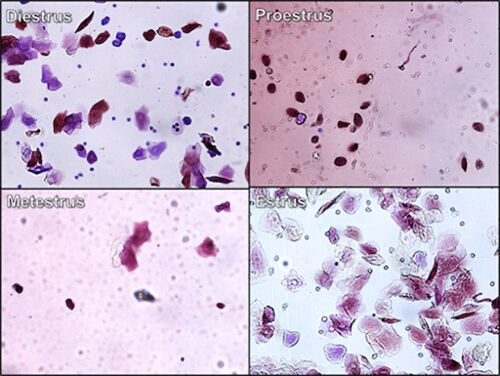
Figure 1. Vaginal cytology -- different stages of rodent estrus cycle
6. Visualizing a copulatory plug
This plug consists of vaginal fluid and semen, and persists in the vagina for 12-24 h postcopulation. The presence of the plug confirms mating, but does not guarantee that the female is pregnant. If the plugged female is pregnant, the first day of gestation is considered to be the day after the plug is found.
- Lift the mouse out of the cage and place her on the wire bar cage top with her tail towards you.
- Position the mouse by applying pressure just above the tail to arch the back to allow better presentation of the vaginal opening.
- Observe her vaginal opening for a whitish mass. The copulatory plug may not be visually obvious but can be confirmed with the use of a blunt probe.
- Using the tip of the probe, gently insert it into the vaginal opening. The presence of a copulatory plug will impede the advancement of the probe within 0.5 cm of the vaginal opening.
- The probe must be disinfected with alcohol and dried completely before each use.
As the female has litters, the date of birth, the litter size, the number born, the number weaned, the ratio of male:female pups, and the ratio of the genotypes should all be recorded. If the genotypes within a litter do not correspond to the genotypes of the parents, retesting must be done to verify the true genotype.
7. Weaning
Gestation for mice and rats is approximately 21 days. The young are typically weaned at 21-28 days of age. Both mice and rats can breed as early as 8 weeks of age, thus it is imperative that the pups are separated by gender at an early age. In intensive breeding schemes, pups may be weaned earlier, such as around day 20, to prevent overlap with subsequent litters; however, the timing of weaning should be determined based on institutional guidelines and animal welfare considerations. For nonintensive breeding, the pups can be left with the mother past 20 days of age, often up to 28 days of age. This can be very beneficial for many genetically modified strains.
Male and female pups are separated at weaning. Whenever possible, newly weaned pups should not be housed singly. If a litter contains only one pup of a given sex, attempts should be made to house this pup with others of the same gender. Possible housing options are: 1) a single female pup may remain with the mother if not in an intensive breeding cage; 2) a single female or male pup may be placed with other same-gender pups from a different litter of the same age; 3) if the parents are a monogamous pair, the female can be removed from the cage to allow a single male pup to be housed with the father; and 4) a single male pup may be housed with female siblings up to 5 weeks of age. The gender of pups should be verified one week postweaning to prevent unwanted litters from improperly segregated pups.
Weanling mice and rats should be checked daily to ensure that they are thriving. Whenever possible, pups should be socially housed to support normal behavior and reduce stress. Although the Guide for the Care and Use of Laboratory Animals states that food must be presented to the animals in such a way to prevent it from being soiled by feces and urine, newly weaned mice should be provided a small amount of food (one pellet per mouse) placed in a glass dish (petri dish) on the cage floor. This will encourage the animals to transition to having rodent chow as their sole food source. Even for animals that are housed on racks that provide water to the cages through an automatic watering system, a water bottle can be added to the cage if the mice appear to be dehydrated.
| Name | Colony Type | Description |
| ICR | Outbred | Albino |
| Swiss-Webster | Outbred | Albino |
| Balb/c | Inbred | Albino |
| FVB | Inbred | Albino |
| C57BL/6 | Inbred | Black coat color |
| C3H | Inbred | Brown coat color |
| DBA/2 | Inbred | Brown/grey coat color |
| Athymic nudes (nu/nu) | Inbred | Hairless |
| SCID | Inbred | Severe combined immune-deficient mice-various coat colors |
Table 1. Commonly used mouse stains and stocks.
| Name | Colony Type | Description |
| Sprague-Dawley | Outbred | Albino |
| Wistar | Outbred | Albino |
| Fisher 344 | Inbred | Albino |
| Lewis | Inbred | Albino |
| Long Evans | Inbred | Hooded, black and white |
Table 2. Commonly used rat strains and stocks.
Figure 1. Possible matings and outcomes based on Mendelian genetics. Wildtype animals are not genetically modified and are designated as (+/+). Heterozygous animals have one copy of a modified gene and are designated as (-/+); homozygous animals have both copies of a gene modified and are designated as (-/-).
Key Terms and Definitions
Common Types of Strains and Stocks
Mice and rats are commonly bred as outbred stocks, inbred strains, and hybrid strains. Outbred animals have similar characteristics, yet are not identical genetically. They are randomly bred to maintain heterozygosity or genetic variance. In contrast, inbred animals have been crossbred with at least 20 generations of brother-sister or parent-offspring mating and are genetically homozygous. Finally, hybrid animals are the offspring of the mating of two inbred strains.
Factors Affecting Breeding Behavior
There are many factors that can influence the breeding performance of mice and rats. The vigor of female breeders largely depends on the level of inbreeding. Animals that are outbred are much hardier and more vigorous, thus they produce larger and stronger litters. Some commonly used strains, such as the C57BL/6 mouse, display aggressive behaviors that can interfere with breeding. When breeding an aggressive strain, all litters should be closely watched. Animals from a litter containing aggressive pups should not be used for breeding. Temperature, humidity, and lighting fluctuations can cause decreases in breeding efficiency. Noise and vibrations within the breeding rooms have also been shown to cause deleterious effects. Control of these variables within the breeding facility will minimize some effects. Animals with genetic modifications tend to be less hardy and fertile, and some of the mutations may result in lethality of the pups before or soon after birth.
Reproduction Schemes
Reproduction schemes are similar for mice and rats. Systems commonly used are monogamous mating of one female bred to one male or polygamous mating of two or more females bred to one male. Both the female mouse and rat are polyestrous and undergo a postpartum estrus approximately 20-24 h after parturition. During postpartum estrus, the female can conceive a litter. For strains of mice or rats that have a short breeding life span due to a genetic mutation, it is common to leave the male in the cage with the female so that she can immediately conceive another litter. This intensive breeding scheme can be stressful to the female, as she is continually lactating and gestating. A nonintensive scheme involves the separation of the female once she is visibly pregnant; she is not returned to the male's cage until her litter has been weaned. This system is much less demanding on the female.
Breeding for Genetic Manipulation Purposes
Genetically engineered animals (GEAs) are either knockout animals that have had genes removed from their genome or transgenic animals that have had genes from a different species added into their genome. The GEAs are then bred as an inbred strain and are often bred with other GEAs to create a complex, genetically-manipulated animal for very specific research projects. Complex breeding schemes are used to create strains with some genes removed and others added. Animal models for many gene-related disorders-including, but not restricted to, Alzheimer's disease, cancer, stroke and other blood disorders, diabetes, and retinal pigmentos-have been developed through genetic engineering of animals.
Most breeding schemes can rely on Mendelian genetics to make predictions on genotype ratios. When a wildtype mouse is bred with a mouse with one modified gene (a heterozygote), the expected results would be 50% wildtype animals and 50% heterozygotes. A wildtype mouse crossed with a mouse with two modified genes (a homozygote) will result in all offspring being heterozygotes. When two heterozygous animals are crossed, all three genotypes should be present in the following percentages: 25% wildtype, 50% heterozygotes, and 25% homozygotes. It is from these expectations that embryonic lethal genes can be detected (i.e., if there are no homozygote offspring produced).
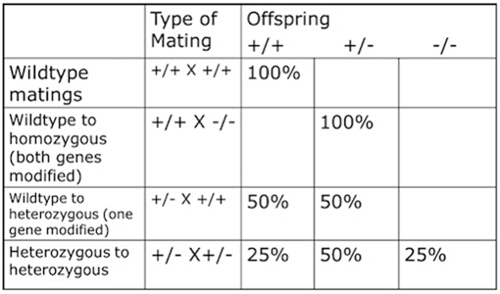
Figure 2. Possible matings and outcomes based on Mendelian genetics. Wildtype animals are not genetically modified and are designated as (+/+). Heterozygous animals have one copy of a modified gene and are designated as (-/+); homozygous animals have both copies of a gene modified and are designated as (-/-).
Questions that this video will help you answer
In-house breeding colonies offer flexibility to research, especially with projects that utilize embryos or neonates. Using techniques such as timed mating with copulatory plugs and vaginal cytology, the date of conception and gestation can be more accurately predicted. This allows researchers to more carefully plan their experiments. Controlling environmental factors such as light cycles, temperature, humidity, and vibrations will optimize the breeding outcomes.
Source: Kay Stewart, RVT, RLATG, CMAR; Valerie A. Schroeder, RVT, RLATG. University of Notre Dame, IN
Millions of mice and rats are bred for use in bi…
All animal procedures described here must be conducted in accordance with institutional animal ethics guidelines and approved by IACUC. All procedures must follow the principles of the 3Rs—Replacement, Reduction, and Refinement—and must be performed by trained personnel.
1. Information needed when pairing animals includes strain/stock of the animal utilizing proper nomenclature, dates of birth for the breeder male and female, and the setup date. Accurate recordkeeping is imperative with breeding colonies.
2. Sex determination of mice and rats is done by comparing the anogenital distances. In females, the distance between the anus and the external genitalia is shorter than it is for males. The presence of a scrotal sac in male animals is another sex indicator.
3. Selecting and setting up the mating scheme
NOTE: There are two mating schemes that can be used.
- Proestrus/estrus timed mating: This method relies on pairing females with males at the point of maximum receptivity and fertility.
- The estrous cycle must be monitored in the females either by visual examination of the external genitalia for changes that are indicative of proestrus and estrous, or by cytology of vaginal secretions (see below).
- When a female is determined to be in proestrus or estrus, she is paired with a male at the end of the day, as the animals generally mate at night.
- The following morning, the female is examined for a copulatory plug (see below). If no plug is present, the female can remain with the male during the day and be checked for a copulatory plug at the end of the day. Alternatively, if it is determined that she is no longer in proestrus or estrus, she is removed from the breeding cage.
- Random timed mating: This method is based on the fact the estrous cycle of rodents is very short, 4-5 days long.
- For this method, matings can be set up anytime, and the females are then checked for copulatory plugs every morning and evening until a plug is observed.
- A female is paired with a male in the evening.
- She is checked for a copulatory plug at the beginning and end of each day until a plug is observed. It commonly takes 3 or more days for a plug to be seen when using this method.
4. Predicting pregnancy
Since palpation of pups is difficult until later during pregnancy, around day 10-12, commercial ultrasound systems for rodents have been developed; however, few animal research facilities have this technology. Therefore, visualization of copulatory plugs, observation of vaginal changes, or vaginal cytology are commonly used to assist with the prediction of when a female has conceived a litter (see below). However, none of these methods are able to confirm pregnancy. Once a copulatory plug is observed, the female should be monitored for signs of pregnancy, such as weight gain.
5. Determining the estrous cycle stage
- Visual Inspection
NOTE: For timed mating of mice and rats, visual observation of the vagina for changes that are indicative of proestrus and estrus is the quickest method to determine the estrous cycle stage, and it requires no special equipment.- When evaluating the estrous cycle using the visual method, it is important to perform the visual inspection in the same area with respect to room lighting, as the light source can change the perceived color of vaginal tissues and make evaluation difficult. For example, the purple hue cast by LED lights makes visual detection more difficult.
- To evaluate the stage of the estrous cycle by visual observation, the animal may be briefly restrained for examination. Where possible, low-stress handling methods, such as tunnel or cup handling, should be used in accordance with current institutional guidelines to minimize animal distress. The forepaws may rest on a cage lid to facilitate visualization of the vaginal opening.
- The vaginal opening of each female is evaluated based on the condition of the tissue surrounding the vaginal area and the size of the vaginal opening.
- During proestrus, the vaginal opening is wide and is characterized by swelling of the surrounding tissue. The tissue is pink in color and very moist. Often there are wrinkles or striations along the dorsal and ventral edges of the opening.
- During estrus, the swelling of the tissues surrounding the vaginal opening is reduced, and the tissues are not as moist and pink.
- During metestrus the vaginal opening is minimal and there is negligible swelling.
- During diestrus, there is no swelling of the tissues around the vaginal area, and the vaginal opening is small and closed.
- Vaginal cytology
As both mice and rats are polyestrous, the estrus cycle length is very short, ranging from 4-5 days. It is sometimes necessary to identify all four stages of estrous: proestrus, estrus, metestrus, and diestrus. Vaginal cytology is a very accurate method to determine these stages. There are also two methods of sample collection: the noninvasive method of vaginal lavage, and the invasive method of vaginal canal swabbing.- Vaginal lavage
- Materials needed are sterile 200 µl pipettes tips, latex bulbs, sterile double distilled water (ddH2O), and clean glass slides.
- Place a latex bulb on the end of a sterile 200 µl tip. Draw approximately 100 µl of sterile ddH2O into the pipette.
- Briefly remove the mouse from the cage and gently restrain it to allow access to the vaginal opening. Minimize handling time, and use low-stress handling approaches where possible. .
- Position the animal so that the forepaws rest on a cage lid to facilitate the procedure.
- If the mouse urinates, wait until urination stops. Should there be urine left at the entrance to the vaginal canal, the opening can be rinsed with a small squirt of ddH2O. Change the tip that was used for rinsing.
- Place the end of the ddH2O-filled tip at the opening of the vaginal canal without penetrating the orifice.
- Gently depress the bulb to expel a quarter to half of the volume of water (~25-50 µl) at the opening of the vaginal canal. The liquid will spontaneously aspirate into the canal without tip insertion. Slowly release the pressure exerted on the bulb. The fluid will withdraw back into the tip.
- Avoid releasing pressure too quickly to prevent aspiration of fluid into the bulb. A filtered tip may be useful for this purpose.
- Repeat the previous step 4-5 times using the same tip, bulb, and fluid to obtain a sufficient number of cells in a single sample.
- Place the fluid on a glass slide, and allow the smear to completely dry at room temperature.
- Use a new pipette for each mouse.
- Once dry, these estrous smears can be stained immediately or stored and stained at a later date. Wright-Giemsa staining is most commonly used to stain the slides. This stain is available commercially as a one-step stain that does not require fixation of the slide to prevent cells from washing off during the staining process. The slide is placed in the stain for 45-60 seconds, as per the manufacturer's instructions.
- The slides are then examined under a microscope, and the cells seen correspond to the stage of the cycle: 1) if the female is in proestrus, the cells are seen as clusters of round, well-formed nucleated epithelial cells with a nucleus that stains darker than the cytoplasm; 2) if the female is in estrus, the majority of the cells are cornified squamous epithelial cells that lack a nucleus, are angular in appearance, and occur in densely packed clusters; 3) if the female is in metestrus, the cells are typically white blood cells (specifically neutrophils with some cornified squamous epithelial cells present) with darkly-stained nuclei that are shaped like two sausages linked together; 4) during diestrus, the cells present are normally white blood cells with the occurrence of a few nucleated epithelial cells.
- Vaginal swabbing
- Materials needed are sterile cotton-tipped applicators with a 2 mm diameter tip, clean glass microscope slides, and sterile physiological saline.
- Wet a cotton-tipped applicator with saline.
- Insert the tip of the applicator into the vagina of the restrained mouse.
- Gently turn and roll the tip against the vaginal wall. Carefully remove the swab.
- Cells are transferred to a dry glass slide by rolling the swab across the slide.
- Once the slide is dry, it can be stained with Wright-Giemsa stain. Swabbing is considered a stressful procedure, and-when stressed-mice can have disrupted estrous cycles. Vaginal and cervical stimulation caused by swabbing can induce pseudopregnancy. Repeated swabs of the vaginal mucosa can cause damage if not performed gently, with proper restraint, and with the correct-sized cotton swabs.
- Vaginal lavage
Figure 1. Vaginal cytology -- different stages of rodent estrus cycle
6. Visualizing a copulatory plug
This plug consists of vaginal fluid and semen, and persists in the vagina for 12-24 h postcopulation. The presence of the plug confirms mating, but does not guarantee that the female is pregnant. If the plugged female is pregnant, the first day of gestation is considered to be the day after the plug is found.
- Lift the mouse out of the cage and place her on the wire bar cage top with her tail towards you.
- Position the mouse by applying pressure just above the tail to arch the back to allow better presentation of the vaginal opening.
- Observe her vaginal opening for a whitish mass. The copulatory plug may not be visually obvious but can be confirmed with the use of a blunt probe.
- Using the tip of the probe, gently insert it into the vaginal opening. The presence of a copulatory plug will impede the advancement of the probe within 0.5 cm of the vaginal opening.
- The probe must be disinfected with alcohol and dried completely before each use.
As the female has litters, the date of birth, the litter size, the number born, the number weaned, the ratio of male:female pups, and the ratio of the genotypes should all be recorded. If the genotypes within a litter do not correspond to the genotypes of the parents, retesting must be done to verify the true genotype.
7. Weaning
Gestation for mice and rats is approximately 21 days. The young are typically weaned at 21-28 days of age. Both mice and rats can breed as early as 8 weeks of age, thus it is imperative that the pups are separated by gender at an early age. In intensive breeding schemes, pups may be weaned earlier, such as around day 20, to prevent overlap with subsequent litters; however, the timing of weaning should be determined based on institutional guidelines and animal welfare considerations. For nonintensive breeding, the pups can be left with the mother past 20 days of age, often up to 28 days of age. This can be very beneficial for many genetically modified strains.
Male and female pups are separated at weaning. Whenever possible, newly weaned pups should not be housed singly. If a litter contains only one pup of a given sex, attempts should be made to house this pup with others of the same gender. Possible housing options are: 1) a single female pup may remain with the mother if not in an intensive breeding cage; 2) a single female or male pup may be placed with other same-gender pups from a different litter of the same age; 3) if the parents are a monogamous pair, the female can be removed from the cage to allow a single male pup to be housed with the father; and 4) a single male pup may be housed with female siblings up to 5 weeks of age. The gender of pups should be verified one week postweaning to prevent unwanted litters from improperly segregated pups.
Weanling mice and rats should be checked daily to ensure that they are thriving. Whenever possible, pups should be socially housed to support normal behavior and reduce stress. Although the Guide for the Care and Use of Laboratory Animals states that food must be presented to the animals in such a way to prevent it from being soiled by feces and urine, newly weaned mice should be provided a small amount of food (one pellet per mouse) placed in a glass dish (petri dish) on the cage floor. This will encourage the animals to transition to having rodent chow as their sole food source. Even for animals that are housed on racks that provide water to the cages through an automatic watering system, a water bottle can be added to the cage if the mice appear to be dehydrated.
| Name | Colony Type | Description |
| ICR | Outbred | Albino |
| Swiss-Webster | Outbred | Albino |
| Balb/c | Inbred | Albino |
| FVB | Inbred | Albino |
| C57BL/6 | Inbred | Black coat color |
| C3H | Inbred | Brown coat color |
| DBA/2 | Inbred | Brown/grey coat color |
| Athymic nudes (nu/nu) | Inbred | Hairless |
| SCID | Inbred | Severe combined immune-deficient mice-various coat colors |
Table 1. Commonly used mouse stains and stocks.
| Name | Colony Type | Description |
| Sprague-Dawley | Outbred | Albino |
| Wistar | Outbred | Albino |
| Fisher 344 | Inbred | Albino |
| Lewis | Inbred | Albino |
| Long Evans | Inbred | Hooded, black and white |
Table 2. Commonly used rat strains and stocks.
Figure 1. Possible matings and outcomes based on Mendelian genetics. Wildtype animals are not genetically modified and are designated as (+/+). Heterozygous animals have one copy of a modified gene and are designated as (-/+); homozygous animals have both copies of a gene modified and are designated as (-/-).
Key Terms and Definitions
Common Types of Strains and Stocks
Mice and rats are commonly bred as outbred stocks, inbred strains, and hybrid strains. Outbred animals have similar characteristics, yet are not identical genetically. They are randomly bred to maintain heterozygosity or genetic variance. In contrast, inbred animals have been crossbred with at least 20 generations of brother-sister or parent-offspring mating and are genetically homozygous. Finally, hybrid animals are the offspring of the mating of two inbred strains.
Factors Affecting Breeding Behavior
There are many factors that can influence the breeding performance of mice and rats. The vigor of female breeders largely depends on the level of inbreeding. Animals that are outbred are much hardier and more vigorous, thus they produce larger and stronger litters. Some commonly used strains, such as the C57BL/6 mouse, display aggressive behaviors that can interfere with breeding. When breeding an aggressive strain, all litters should be closely watched. Animals from a litter containing aggressive pups should not be used for breeding. Temperature, humidity, and lighting fluctuations can cause decreases in breeding efficiency. Noise and vibrations within the breeding rooms have also been shown to cause deleterious effects. Control of these variables within the breeding facility will minimize some effects. Animals with genetic modifications tend to be less hardy and fertile, and some of the mutations may result in lethality of the pups before or soon after birth.
Reproduction Schemes
Reproduction schemes are similar for mice and rats. Systems commonly used are monogamous mating of one female bred to one male or polygamous mating of two or more females bred to one male. Both the female mouse and rat are polyestrous and undergo a postpartum estrus approximately 20-24 h after parturition. During postpartum estrus, the female can conceive a litter. For strains of mice or rats that have a short breeding life span due to a genetic mutation, it is common to leave the male in the cage with the female so that she can immediately conceive another litter. This intensive breeding scheme can be stressful to the female, as she is continually lactating and gestating. A nonintensive scheme involves the separation of the female once she is visibly pregnant; she is not returned to the male's cage until her litter has been weaned. This system is much less demanding on the female.
Breeding for Genetic Manipulation Purposes
Genetically engineered animals (GEAs) are either knockout animals that have had genes removed from their genome or transgenic animals that have had genes from a different species added into their genome. The GEAs are then bred as an inbred strain and are often bred with other GEAs to create a complex, genetically-manipulated animal for very specific research projects. Complex breeding schemes are used to create strains with some genes removed and others added. Animal models for many gene-related disorders-including, but not restricted to, Alzheimer's disease, cancer, stroke and other blood disorders, diabetes, and retinal pigmentos-have been developed through genetic engineering of animals.
Most breeding schemes can rely on Mendelian genetics to make predictions on genotype ratios. When a wildtype mouse is bred with a mouse with one modified gene (a heterozygote), the expected results would be 50% wildtype animals and 50% heterozygotes. A wildtype mouse crossed with a mouse with two modified genes (a homozygote) will result in all offspring being heterozygotes. When two heterozygous animals are crossed, all three genotypes should be present in the following percentages: 25% wildtype, 50% heterozygotes, and 25% homozygotes. It is from these expectations that embryonic lethal genes can be detected (i.e., if there are no homozygote offspring produced).
Figure 2. Possible matings and outcomes based on Mendelian genetics. Wildtype animals are not genetically modified and are designated as (+/+). Heterozygous animals have one copy of a modified gene and are designated as (-/+); homozygous animals have both copies of a gene modified and are designated as (-/-).
Questions that this video will help you answer
In-house breeding colonies offer flexibility to research, especially with projects that utilize embryos or neonates. Using techniques such as timed mating with copulatory plugs and vaginal cytology, the date of conception and gestation can be more accurately predicted. This allows researchers to more carefully plan their experiments. Controlling environmental factors such as light cycles, temperature, humidity, and vibrations will optimize the breeding outcomes.
Millions of mice and rats are bred for use in biomedical research each year, and many institutions choose to do this in-house to reduce costs and increase research options. The advantages of in-house breeding are: 1) researchers are able to manipulate the genetics of the animals through selective breeding 2) they can time pregnancies to meet research needs, and 3) they can work with embryos and neonates as necessary.
Careful breeding management is important not only for scientific planning, but also to avoid unnecessary animal production and to support the principle of Reduction.
However, to set up a successful breeding scheme, one should understand the rodent estrous cycle. In addition, they should have knowledge about the different mating schemes, the factors affecting rodent breeding behavior and weaning considerations, all of which will be discussed in this video presentation.
Let’s begin with a review of the rodent estrous cycle. Both female rats and mice are polyestrous, meaning they undergo repeated estrous cycles throughout a year.
Each cycle lasts 4–5 days and can be divided into four stages: metestrus, diestrus, proestrus, and estrus. Estrus is the ovulatory phase, during which the female is receptive to mating and capable of conceiving, although females in late proestrus may also exhibit mating behavior.
One way to determine the estrous cycle stage is by visual examination. The animal may be briefly restrained, for example by holding the base of the tail while allowing the forepaws to rest on a cage lid. The size of the vaginal opening and surrounding tissue is then carefully inspected. Low-stress handling methods must be used to minimize animal distress in accordance with the institutional guidelines.
During the proestrus phase, the vaginal opening is wide with swelling of the surrounding tissue that appears pink and moist. Wrinkles or striations are often visible along the dorsal and ventral edges of the opening.
During estrus, the swelling surrounding the vaginal opening is reduced and the tissues are not as moist and pink.
During the metestrus, the vaginal opening is minimal and there is negligible swelling.
During diestrus, there is no swelling of the tissues around the vaginal area and the opening is small or closed.
Another, more accurate approach for determining the estrous cycle stage is vaginal cytology, in which cell samples are collected by either lavage or swabbing, with lavage generally preferred as a less invasive method.
Place the tip filled with water at the opening of the vaginal canal without penetrating the orifice. Gently depress the bulb to expel approximately 25-50 microliters of water at the vaginal opening. The liquid will flow into the canal without tip insertion. Slowly release the pressure on the bulb to withdraw the fluid back into the tip.
Repeat gently as needed using the same tip, bulb, and fluid to obtain a sufficient number of cells in a single sample. Place the fluid on a glass slide, and allow the smear to completely dry at room temperature.
Once dry, these estrous smears can be stored for later use or stained immediately using Wright-Giemsa stain, a one-step stain that does not require fixation. The slide is placed in the stain for 45 to 60 seconds.
On the other hand, for swabbing, wet a 2-mm cotton-tipped applicator with saline. Insert the tip of the applicator into the vagina of the restrained mouse and gently turn and roll it against the vaginal wall.
Then remove the swab carefully and transfer the cells to a dry glass slide by rolling it across the slide. This procedure is considered stressful and can cause damage if not performed gently, with proper restraint, and with appropriately sized cotton swabs,and should therefore be used only when necessary.
Like lavage, once the slide is dry, it can be stained with Wright-Giemsa stain. Following staining, the slides can be examined under a microscope.
If the female is in proestrus, the cells appear as clusters of round, well-formed, nucleated epithelial cells with a nucleus that stains darker than the cytoplasm. If she is in estrus, the majority of the cells are cornified squamous epithelial cells that lack a nucleus. They are angular in appearance and are in densely packed clusters.
If the female is in metestrus, the cells are typically white blood cells, specifically neutrophils, with some cornified squamous epithelial cells present.
During diestrus, the cells present are normally white blood cells with the occurrence of a few nucleated epithelial cells.
Now that you have an understanding of the rodent estrous cycle, let's discuss how to set-up mating. The first step is the determination of sex, which is done by comparing the anogenital distance. In females, the distance between the anus and the external genitalia is shorter than in males.
Based on research needs and the strain's breeding efficiency, the mating scheme can be monogamous, where one female is bred to one male, or polygamous, where two or more females are bred to one male.
In terms of timing, given that the rodent estrous cycle is short-only 4-5 days long, mating can be set up randomly. Alternatively, timed mating can be used, which involves introducing the female to the mating cage when she is at the point of maximum receptivity and fertility, that is, during the proestrus or the estrus.
In either case, mating should be set up at the end of the day, as rodents are nocturnal and tend to mate at night. The following morning, the female is examined for a copulatory plug - a whitish mass consisting of vaginal fluid and semen that persists for 12-24 hours post-copulation.
In random mating, detection of a copulatory plug may take up to three days. The presence of a plug confirms mating but does not guarantee that the female is pregnant.
Once a copulatory plug is observed, the female should be monitored for signs of pregnancy, such as weight gain. If the plugged female is pregnant, the day the plug was found is considered embryonic day zero or E0 and the next day is embryonic day 1 or E1, continuing until parturition, which occurs between 19–21 days.
Approximately 20-24 hours postpartum, both female rats and mice undergo estrus and can conceive again.
In an intensive breeding scheme, which is commonly used for animals with a short breeding lifespan due to a genetic mutation, the male is left in the cage with the female and pups, allowing the female to conceive another litter immediately.
This scheme can be stressful to the female, as she is continually lactating and gestating, and should therefore be used only when scientifically justified.
In contrast, the non-intensive breeding scheme involves separating the female once she is visibly pregnant and not returning her to the male's cage until her litter has been weaned, making this a less demanding approach.
There are many factors that can influence the breeding performance of mice and rats. Let's review some of them, which come up more frequently. The vigor of female breeders largely depends on the level of inbreeding.
Animals that are outbred are much more hardy and vigorous, thus they produce larger and stronger litters. Another factor that can affect breeding performance is aggressive behavior. Some commonly used strains, such as C57BL/6 mice, have a tendency to display aggression, which can interfere with breeding.
When breeding an aggressive strain, all litters should be closely watched. Animals from a litter containing aggressive pups should not be used for breeding. Temperature, humidity, and lighting fluctuations can cause decreases in breeding efficiency.
Noise and vibrations within the breeding rooms have also been shown to cause deleterious effects. Animals with genetic modifications tend to be less hardy and fertile, and some of the mutations may result in lethality of the pups before or soon after birth.
Now let's briefly review how to wean pups of these lab animals. The time to start weaning differs with the breeding scheme. Weaning of pups in these lab animals depends on the breeding scheme. In non-intensive breeding, the young may be weaned at 21-28 days of age.
In intensive breeding schemes, pups may be weaned earlier, such as around day 20, to prevent older pups from being present when the next litter is born; however, weaning age may vary depending on institutional guidelines and welfare considerations.
Since rodents can begin mating as young as 8 weeks of age, male and female pups are separated at weaning. Whenever possible, newly weaned pups should not be housed singly.
If a litter contains only one pup of a given sex, attempts should be made to house this pup with pups of the same sex from another litter. The possible housing options for weaning pups are listed in the manuscript below.
Weanling mice and rats should be checked daily to assure that they are thriving. For food supply, a small amount of food, such as one pellet per mouse, should be placed on the cage floor for the first 7-10 days, with additional food provided in the cage top. This will encourage the animals to transition to rodent chow as their sole food source.
For water supply, a bottle should be added even if the animals are housed on racks with automatic watering systems to prevent dehydration.
Lastly, let's see how scientists are using the in-house breeding approach to their advantage. One of the most common applications of setting up mating is to develop mice with altered genotype. To study a gene function, researchers often disrupt its genetic code. However, these animals like humans are diploid and thus have two copies of each gene.
Therefore, to completely disrupt the gene, altered mice are bred to produce an animal with both copies of the gene inactivated, that is, homozygous knockouts. Mice with one inactivated copy are called heterozygous, or hets.
Another advantage of in-house breeding is testing the effects of prenatal exposure to test compounds.
For example, pregnant females may be provided with a liquid diet containing alcohol from E7 to E13. Then on E13, it is dissected, fetal brains are collected, and sliced into thin sections..
Staining of the sections reveals that prenatal alcohol exposure increases cell death in the neural tissue.
Finally, in-house breeding also allows for the study of postpartum disorders, such as postpartum depression. In this type of study, the litter may be temporarily separated from the dam during the lactation period and reintroduced after 60 minutes. To induce stress, a novel male intruder may be introduced into the cage.
The dam is then observed for maternal aggression, including attacking and biting of the intruder male, as well as maternal care behaviors such as pup grooming and nursing. These studies have shown that stress can significantly affect both postpartum maternal aggression and care, and such approaches should be used only when scientifically justified and with appropriate ethical oversight.
You've just watched JoVE's video on fundamentals of breeding and weaning mice and rats in the laboratory. You should now have a better understanding of the rodent estrus cycle and also know how to determine the cycle stage and how to use it to set-up successful mating schemes. We also reviewed the factors that can affect the breeding behavior, and explained how and when to wean mice and rat pups.
View the full transcript and gain access to JoVE Science Education videos
Q1: What are the four stages of the rodent estrous cycle?
The rodent estrous cycle lasts 4-5 days and consists of four stages: metestrus, diestrus, proestrus, and estrus. Estrus is the ovulatory phase when females are ready to conceive. Proestrus immediately precedes estrus and also indicates fertility. These stages can be identified through visual examination of the vaginal opening or more accurately through vaginal cytology analysis.
Q2: How is vaginal cytology used to determine estrous cycle stage?
Vaginal cytology involves collecting cell samples via lavage or swabbing. Lavage uses a sterile pipette tip with water to gently flush the vaginal canal 4-5 times. Swabbing uses a moistened cotton applicator rolled against the vaginal wall. Cells are transferred to a glass slide, dried, stained with Wright-Giemsa stain, and examined microscopically to identify the cycle stage based on cell type and appearance.
Q3: What is a copulatory plug and why is it important in rodent breeding?
A copulatory plug is a whitish mass of vaginal fluid and semen that persists 12-24 hours after mating. It can be detected by visual inspection or by gently inserting a blunt probe into the vaginal opening, where it will impede advancement within 0.5 cm. The plug's presence confirms mating occurred, though it does not guarantee pregnancy. Finding a plug establishes embryonic day zero for pregnancy dating.
Q4: What are the differences between intensive and non-intensive breeding schemes?
In intensive breeding, males remain with females and pups, allowing immediate conception after birth. This maximizes breeding output but causes continuous lactation and gestation stress on females. Non-intensive breeding separates pregnant females from males until pups are weaned, reducing female stress. Weaning timing differs: non-intensive at 21-28 days, intensive at day 20 to prevent older pups from meeting the next litter.
Q5: How do inbreeding and genetic modifications affect rodent breeding performance?
Outbred animals are more hardy and vigorous, producing larger and stronger litters compared to inbred animals. Genetically modified animals tend to be less hardy and fertile, with some mutations causing pup lethality before or shortly after birth. Environmental factors like temperature, humidity, lighting, noise, and vibrations also significantly reduce breeding efficiency in laboratory rodent colonies.
Q6: What care is needed for newly weaned rodent pups?
Newly weaned pups should be checked daily to ensure they are thriving. Male and female pups must be separated at weaning since rodents can mate as young as 8 weeks. Pups should not be housed singly when possible; single pups should be grouped with same-gender pups from other litters. Food should be placed on the cage floor for 7-10 days to aid transition to solid chow, and water bottles should be provided to prevent dehydration.
Q7: How do researchers use in-house breeding to study genetic and developmental effects?
In-house breeding enables researchers to develop homozygous knockout mice by selectively breeding animals with altered genes. It also allows study of prenatal exposure effects; for example, researchers can administer test compounds during specific embryonic days and examine resulting fetal tissues. Additionally, controlled breeding facilitates investigation of postpartum disorders by manipulating maternal stress and observing effects on maternal aggression and care behaviors.
Chapters in this video
0:00
Overview
1:20
Rodent Estrous Cycle
6:06
Mating Schemes
9:11
Factors Affecting Breeding
10:30
Weaning
12:15
Applications
14:29
Summary
Videos from this collection: