This review summarizes recent advances in the development and application of animal models of diabetes mellitus with acute cerebral infarction.
Method Article
Development and Application of Animal Models of Diabetes with Ischemic Stroke: Bridging Basic Research and Clinical Translation
Liping Zhang1 , Tingting Zhang2 , Xiaoyu Fan3 , Tao Huang4 , Xuezheng Zhang5 , Jiangbo Xie5 , Jinmei Zhang1,6
1Clinical integration of traditional Chinese and Western medicine, Shandong Second Medical University, 2Department of Rehabilitation, Doctor's degree, Weifang Hospital of Traditional Chinese Medicine, Shandong Second Medical University, 3Department of Respiratory, Weifang Second People's Hospital, 4Department of Neurosurgery, The Second Affiliated Hospital of Guangzhou University of Chinese Medicine, 5Department of Neurology, Doctor's degree, Weifang Hospital of Traditional Chinese Medicine, Shandong Second Medical University, 6Department of Endocrinology, Doctor's degree, Weifang Hospital of Traditional Chinese Medicine, Shandong Second Medical University
Opens in a new tab
In This Article
Summary
Loading...
$$\rightleftharpoonup{xx}$$
$$\longleftharp{xx}$$,
$$\longrightharp{xx}$$,
Abstract
Loading...
$$\rightleftharpoonup{xx}$$
$$\longleftharp{xx}$$,
$$\longrightharp{xx}$$,
Diabetes is a major independent risk factor for ischemic stroke, exacerbating stroke severity and worsening patient outcomes. Traditional models of stroke, using healthy animals, fail to replicate the complex pathophysiology of diabetes, thereby contributing to the poor translational success of neuroprotective therapies. This review summarizes the methodologies for establishing animal models of diabetes with ischemic stroke, including middle cerebral artery occlusion and thromboembolic approaches, and key considerations for constructing combined models. This review highlights phenotypic assessments tailored to diabetic comorbidity. It also examines how these models advance the understanding of pathogenic mechanisms and pharmacological efficacy. We also review current methodological limitations and suggest future research directions. Overall, the aims were to provide theoretical and methodological guidance to strengthen basic and translational research on diabetes-associated ischemic stroke and support the development of more effective clinical treatment strategies.
Introduction
Loading...
$$\rightleftharpoonup{xx}$$
$$\longleftharp{xx}$$,
$$\longrightharp{xx}$$,
Diabetes mellitus is a well-established independent risk factor for ischemic stroke, markedly worsening clinical outcomes and neurological deficits in patients with stroke. The interplay between diabetes and ischemic stroke is driven by complex pathophysiological mechanisms, including metabolic dysregulation, vascular endothelial dysfunction, and heightened inflammatory activity, which collectively aggravate cerebral ischemic injury and impair recovery (Figure 1). Multiple epidemiological studies have consistently demonstrated that patients with diabetes have a higher incidence of ischemic stroke and have more severe neurological impairments and poorer functional outcomes when compared with individuals without diabetes1,2.
For clarity, it is important to define the terminology used throughout this manuscript. Ischemic stroke is the overarching clinical condition characterized by acute neurological dysfunction due to focal cerebral ischemia. This condition encompasses two main pathophysiological subtypes: thrombotic stroke, caused by local thrombus formation within a cerebral artery (often at sites of atherosclerotic plaque), and embolic stroke, resulting from emboli originating from distant sources such as the heart or proximal vessels. Acute cerebral infarction refers specifically to the resulting area of necrotic brain tissue confirmed by pathology or imaging. In the context of this review, diabetes-associated stroke is considered as ischemic stroke occurring in patients with pre-existing diabetes, where hyperglycemia, vascular dysfunction, and inflammation exacerbate injury and impair recovery.
Microalbuminuria, an indicator of systemic endothelial dysfunction, has been identified as an independent risk factor for significant intracranial and extracranial arterial stenosis in patients with ischemic stroke. Thus, highlighting the vascular complications inherent to diabetes that amplify cerebral ischemic risk3. Moreover, common comorbidities, such as hypertension and hyperlipidemia, further elevate the risk of ischemic stroke and severity, and increase the likelihood of post-stroke cognitive impairment4. These observations underscore the requirement to clarify the distinct pathophysiological features of ischemic stroke in patients with diabetes to facilitate the development of more effective therapeutic strategies.
Traditional experimental models of ischemic stroke predominantly use healthy animals, limiting their translational relevance to ischemic stroke in diabetes. These models do not adequately reproduce the metabolic disturbances, vascular remodeling, and heightened neuroinflammatory milieu characteristic of diabetes. Brain arteriolosclerosis, a cerebral small vessel disease, marked by arteriolar wall thickening and commonly associated with aging, hypertension, and diabetes, illustrates the vascular pathology that complicates ischemic stroke in patients with diabetes5. Brain arteriosclerosis contributes to impaired cerebral perfusion and increased susceptibility to ischemic injury; however, the complex pathogenesis and interactions with the components of metabolic syndrome remain unclear. The lack of animal models that faithfully mimic these comorbid vascular abnormalities restricts the evaluation of neuroprotective strategies tailored to ischemic stroke in diabetes. Furthermore, neuroinflammation driven by activated microglia further exacerbates ischemic injury, and it is differentially regulated in diabetic states6. Recent studies in rat models of diabetes demonstrate that glucose-lowering agents, such as glucagon-like peptide-1 receptor agonists and sodium-glucose cotransporter-2 inhibitors, confer neuroprotection, not only by reducing infarct volume, but also by modulating microglial activation and enhancing neuronal survival7. These findings underscore the requirement for models of ischemic stroke that incorporate the metabolic and inflammatory features of diabetes, to more accurately evaluate therapeutic efficacy and underlying mechanisms.
Given the clinical and biological complexities of diabetes-associated ischemic stroke, developing refined animal models that integrate the metabolic dysfunction, vascular endothelial pathology, and neuroinflammatory processes of diabetes is an urgent priority. These models will provide essential translational platforms that connect mechanistic insights with clinical application. Moreover, advances in the identification of molecular biomarkers and therapeutic targets specific to diabetic stroke have highlighted non-coding RNAs, such as the long non-coding RNA, SNHG4 (small nucleolar RNA host gene 4), as potential regulators of disease progression and therapeutic response8. Systematic evaluation of phenotypic features, such as vascular stenosis, infarct volume, neurological deficits, and cognitive outcomes, is essential for establishing the validity and research utility of these models. In this review, the models are not only summarized, but a comparative analysis of their technical feasibility, success rates, and limitations are provided. The goal is to offer investigators a practical framework for selecting the most appropriate composite model based on their specific experimental objectives and available resources.
Protocol
Loading...
$$\rightleftharpoonup{xx}$$
$$\longleftharp{xx}$$,
$$\longrightharp{xx}$$,
Establishment and selection of diabetes models
Type 1 diabetes mellitus (T1DM): Streptozotocin-induced model
Streptozotocin is a widely used chemical agent for inducing T1DM in animals due to its selective cytotoxicity toward pancreatic β-cells9. After entering β-cells via glucose transporter 2, Streptozotocin induces alkylation and fragmentation of DNA, leading to β-cell death and subsequent insulin deficiency. This process effectively replicates the hallmark pathophysiology of T1DM, which is characterized by absolute insulin deficiency. Streptozotocin-induced β-cell destruction produces hyperglycemia and associated metabolic disturbances that are similar to those observed in human T1DM10. Due to the rapid and reliable induction of diabetes in rodents, the streptozotocin model is widely used in studies examining disease mechanisms and therapeutic interventions11. However, streptozotocin-induced diabetes primarily reflects insulin deficiency and does not capture the autoimmune components of human T1DM, limiting its ability to represent the full disease spectrum.
The induction of T1DM using streptozotocin requires careful optimization of dosing and administration protocols to balance model stability with animal survival. Two primary approaches are commonly used: a single high-dose injection and multiple low-dose injections. A single high dose (typically 50–65 mg/kg intraperitoneally) induces rapid and near-complete β-cell destruction, producing severe hyperglycemia within days10. Although efficient and highly reproducible, this method is associated with increased mortality and greater off-target toxicity. Alternatively, multiple low-dose injections (e.g., 40 mg/kg daily for five consecutive days) produce gradual β-cell damage. It is crucial to note that this gradual destruction can be accompanied by some inflammatory infiltration, but it does not recapitulate the autoimmune etiology of T1DM in humans12. This approach reduces mortality and it is better at modeling the inflammatory features of the disease; however, prolonged monitoring is required and there can be variability in the onset and severity of diabetes. Selection of an appropriate protocol depends on the experimental goal, with a high-dose model regimen suited for rapid induction of diabetes and a low-dose regimen preferred for studies involving immune-mediated mechanisms13,14.
The streptozotocin-induced model of T1DM offers several advantages, including rapid and relatively stable induction of insulin-deficient diabetes, cost-effectiveness, and ease of use in rodents. These features make it particularly suitable for investigating β-cell loss, hyperglycemia, and complications of diabetes associated with insulin deficiency. However, the model lacks key features of T1DM in humans, such as autoimmune-mediated β-cell destruction or the presence of insulin resistance. Consequently, the streptozotocin model does not fully recapitulate the complex immunopathogenesis of T1DM. The absence of insulin resistance further limits applicability in studies requiring this component. Moreover, streptozotocin toxicity can affect other organs, potentially confounding experimental outcomes. Therefore, although the streptozotocin model remains a cornerstone for studies on T1DM, the limitations underscore the requirement for the complementary use of genetic or autoimmune models, such as the non-obese diabetic mouse, to investigate immune mechanisms and disease progression 9,15.
Type 2 diabetes mellitus (T2DM)
Diet-induced models of T2DM are primarily established by feeding rodents a high-fat, high-sugar diet, which promotes obesity, insulin resistance, and metabolic dysregulation, thereby mimicking the early stages of T2DM in humans16. These models reproduce the pathophysiological cascade beginning with peripheral insulin resistance, followed by compensatory hyperinsulinemia and eventual β-cell dysfunction. Dietary interventions also lead to increased adiposity, chronic low-grade inflammation, and altered lipid metabolism, all of which contribute to impaired glucose homeostasis. These models are particularly valuable for investigating environmental and lifestyle factors that contribute to T2DM, and for evaluating interventions targeting insulin resistance and metabolic syndrome. However, the onset and severity of diabetes can vary with composition of diet, duration, and animal strain, necessitating careful optimization of the protocol. Nutritional models also facilitate exploration of the interplay between obesity-induced inflammation and β-cell failure, providing insights into disease progression17. While the diet-induced model is excellent for investigating insulin resistance and the effects of lifestyle interventions, it is poorly suited for investigating late-stage complications of diabetes, such as severe nephropathy or advanced vascular calcification, which are better modeled using genetic or combined models.
Genetic models of T2DM, such as db/db and ob/ob mice, harbor mutations that induce obesity and insulin resistance, effectively modeling key aspects of the pathophysiology of T2DM in humans18. Ob/ob mice have a mutation in the leptin gene, resulting in leptin deficiency, whereas db/db mice have a mutation in the leptin receptor gene, causing leptin resistance. In both models, the mice have hyperphagia, severe obesity, hyperglycemia, hyperinsulinemia, and progressive β-cell failure. These genetic alterations produce profound insulin resistance and metabolic disturbances, making these models valuable for investigating the genetic and molecular mechanisms underlying T2DM and associated complications. However, the monogenic nature of these mutations limits their ability to represent the polygenic and multifactorial etiology of T2DM in humans. Additionally, the rapid onset of diabetes and severe obesity in these models may not reflect the heterogeneity observed in humans. Despite these limitations, db/db and ob/ob mice are widely used in pre-clinical studies and drug development19.
The combination of dietary induction and low-dose administration of streptozotocin constitutes a hybrid model that is designed to replicate the progression of T2DM, from insulin resistance to β-cell dysfunction and failure20. Animals are initially fed a high-fat diet to induce obesity and insulin resistance, mimicking the early metabolic disturbances of T2DM. Subsequently, low doses of streptozotocin are administered to induce mild β-cell damage, simulating the decline in β-cell function that is present during later stages of the disease. This approach produces a phenotype characterized by hyperglycemia, impaired insulin secretion, and persistent insulin resistance that closely resembles the progression of T2DM in humans. The model has been successfully applied in mice and rats, providing a robust platform for investigating complications of diabetes, such as cardiomyopathy and nephropathy. It also facilitates evaluation of therapeutic interventions targeting insulin resistance and β-cell preservation. However, achieving consistent results requires precise dosing and timing, and responses may vary depending on animal strain and experimental protocol21.
Selecting an appropriate animal model of T2DM requires careful evaluation of metabolic characteristics, pancreatic pathology, and vascular complications, to ensure alignment with specific study objectives. Diet-induced models effectively replicate insulin resistance and obesity-related metabolic syndrome, but they might induce inconsistent β-cell failure and have limited advanced complications. Genetic models, such as db/db and ob/ob mice, provide well-characterized phenotypes of obesity and insulin resistance with progressive β-cell dysfunction, although the monogenic nature limits generalizability. The combined diet plus low-dose streptozotocin model offers a more comprehensive representation of T2DM progression, including β-cell loss and vascular complications, making it suitable for studies of late-stage disease and therapeutic interventions. Investigators must consider factors such as the onset, severity, reproducibility, and relevance to human pathophysiology of the disease, as well as differences in strains and sex-specific responses that can influence the outcomes of the models. For translational relevance, models that integrate metabolic and vascular aspects of T2DM, including nephropathy and cardiomyopathy, are preferred. Ultimately, selection of the model should be guided by the specific mechanistic or therapeutic questions that are posed, balancing experimental complexity with practical feasibility17,20,22 (Figure 2, Table 1).
Establishment and adaptation of models of ischemic stroke
Permanent and transient models of middle cerebral artery occlusion (MCAO)
The filament occlusion method, commonly referred to as the intraluminal suture technique, is a widely used experimental approach for inducing focal cerebral ischemia by occluding the middle cerebral artery (MCA) in animal models, particularly in rodents23. This technique involves inserting a monofilament nylon suture through the external carotid artery into the internal carotid artery and advancing it to block the origin of the MCA, thereby simulating local cerebral ischemia, as seen in humans with ischemic stroke. The procedure can result in permanent or transient occlusion, depending on whether the filament is left in place or withdrawn after a defined period of ischemia to allow reperfusion24. The model is valued for the minimally invasive nature, reproducibility, and clinical relevance, as occlusion of the MCA is the most common cause of ischemic stroke in humans. Success of the model can be confirmed by monitoring a reduction in cerebral blood flow using Doppler imaging and by post-procedure evaluation of neurological deficits and infarct size. Variations in filament diameter, insertion depth, and duration of occlusion enable adjustment of the severity of ischemic insult and investigation of different pathophysiological mechanisms and therapeutic interventions. This model has been instrumental in elucidating the pathophysiology of stroke and in the evaluation of neuroprotective agents25.
Applying the MCAO model to animals with diabetes presents several surgical challenges due to systemic vascular alterations associated with diabetes. Diabetes induces vascular fragility, endothelial dysfunction, and microangiopathy, compromising vessel integrity and healing capacity26. These pathological changes complicate the delicate vascular manipulations required for insertion and removal of the filament, thereby increasing the risk of hemorrhagic complications and intra-operative mortality. Moreover, animals with diabetes often have impaired physiological responses, such as altered regulation of blood pressure and delayed wound healing, which can exacerbate peri-operative morbidity. Their heightened susceptibility to ischemia-reperfusion injury and oxidative stress further complicates the interpretation of experimental outcomes. Consequently, mortality rates in MCAO models in animals with diabetes are higher than those in their non-diabetic counterparts, limiting statistical power and translational relevance27. Addressing these challenges requires meticulous refinement of surgical techniques, including gentle handling of vessel, precise selection of filaments, and careful monitoring of physiological parameters. Peri-operative strategies, including pre-operative glycemic control, optimized anesthesia protocols, and post-operative supportive care, are also critical to improve survival and ensure consistency of the model in animals with diabetes28.
Several methodological advances have been introduced to address these challenges. Improvements in filament materials, such as silicone-coated monofilaments with optimized diameters and tip shapes, have facilitated smoother insertion with reduced vascular injuries29. These modifications enable more consistent occlusion with minimal endothelial damage, which is particularly important given the fragile vasculature of animals with diabetes. Surgical techniques have been refined to preserve arterial branches and minimize trauma. For example, approaches that avoid ligation of the external carotid artery and repairing of the common carotid artery incision assist in maintaining collateral blood flow and reducing variability of ischemia30. Pre-operative management, emphasizing tight glycemic control, mitigates hyperglycemia-induced vascular dysfunction and oxidative stress, thereby improving surgical outcomes and reducing mortality. Post-operative care protocols, including maintenance of normothermia, adequate hydration, analgesia, and monitoring of neurological deficits, further enhance model stability. In some studies, neuroprotective agents such as antioxidants (e.g., edaravone) have been used to attenuate ischemic injury in models of diabetes31. Collectively, these improvements contribute to the establishment of stable and reproducible models of MCAO in animals with diabetes, facilitating translational studies that more accurately reflect the clinical complexity of patients with ischemic stroke30,31.
Thromboembolic models
Photochemical induction is an experimental approach for creating focal cerebral ischemia by generating localized thrombosis through the activation of photosensitive dyes, such as Rose Bengal, using targeted laser illumination32. Following systemic administration of the photosensitive agent, illumination of specific cerebral vessels with a focused laser beam produces reactive oxygen species that damage the endothelium, triggering platelet aggregation and thrombus formation at the irradiated site. This method allows precise spatial and temporal control of thrombus formation, facilitating the study of the mechanisms of thrombotic stroke and evaluation of therapeutic interventions. The photochemical model reproduces key features of thrombotic stroke in humans, specifically endothelial injury and in situ clot formation, which are relevant to humans with thrombosis-induced ischemic stroke33. Moreover, the technique is minimally invasive and applicable in various animal species. In the context of diabetes, where hypercoagulability and endothelial dysfunction are prevalent, photochemical models provide a valuable platform for investigating the interplay between metabolic disorders and thrombosis. However, the reliance of this model on exogenous photosensitizers and laser equipment that requires technical expertise, limits widespread use34.
Microsphere embolization involves intra-venous or intra-arterial injection of microspheres of a defined size to mechanically occlude cerebral vessels, thereby inducing multifocal embolic cerebral ischemia35. This model is as a valuable tool for investigating the mechanisms of embolic stroke, particularly the effects of multiple, distal microinfarcts. The size and number of microspheres can be precisely controlled to generate varying degrees of ischemic injury and infarct distribution. This approach is advantageous for investigating embolus formation, vascular occlusion, and downstream ischemic cascades36. In animals with diabetes, which often have hypercoagulability and an increased risk of embolism, the microsphere embolization model is particularly relevant for exploring the interplay between metabolic dysfunction and risk of embolic stroke. Moreover, this model facilitates the evaluation of anti-thrombotic and thrombolytic therapies under controlled embolic conditions. However, the microsphere model lacks the biological complexity of thrombus formation and dissolution observed in human with stroke, as emboli are inert rather than biologically active clots37.
Applying thromboembolic models in animals with diabetes presents specific challenges. The pre-existing hypercoagulable state and endothelial dysfunction can lead to exaggerated and unpredictable thrombus formation, potentially causing larger-than-expected infarcts or a higher risk of hemorrhagic transformation. In photochemical-induced thrombosis, it may be necessary to titrate Rose Bengal doses in diabetic animals due to altered albumin binding or renal clearance. Furthermore, the technical demands of precise laser targeting are compounded by the increased fragility of dural vessels in animals with diabetes38. These factors must be carefully considered when designing experiments.
Thromboembolic models, including photochemical induction and microsphere embolization, offer distinct advantages in replicating the complex pathophysiology of thrombotic stroke in humans, particularly within the context of diabetes-associated hypercoagulability. Unlike models of mechanical occlusion that primarily simulate vascular blockage, thromboembolic models incorporate dynamic processes, such as thrombosis, embolism, and vascular injury, which more accurately reflect the underlying mechanisms of ischemic stroke in patients with diabetes39. These models enable the investigation of endothelial dysfunction, platelet activation, coagulation cascade abnormalities, and inflammatory responses that are exacerbated by diabetes. Moreover, they provide platforms for evaluating the efficacy and safety of anti-thrombotic therapies and for examining the mechanisms of thrombus formation and resolution in a hypercoagulable milieu. Given that diabetes is characterized by increased thrombotic risk, driven by enhanced platelet reactivity, elevated coagulation factors, and impaired fibrinolysis, thromboembolic models are particularly suitable for studying the mechanisms of stroke and therapeutic interventions tailored to diabetic conditions. Furthermore, their ability to reproduce multifocal and heterogeneous infarcts aligns with clinical presentations in patients with diabetes and stroke, thereby enhancing translational relevance40 (Figure 3).
Key considerations in constructing composite models
Modeling sequence
The temporal sequence used to establish composite animal models of diabetes combined with ischemic stroke is a critical consideration, as it reflects distinct clinical scenarios and research objectives41. One commonly used approach involves inducing diabetes prior to ischemic stroke, which mirrors the clinical condition in which diabetes is a long-standing risk factor that pre-disposes patients to ischemic stroke. This sequence enables investigation of how chronic hyperglycemia and metabolic disturbances influence the pathophysiology of ischemic stroke, including alterations in vascular integrity, inflammatory activation, and neuronal vulnerability42. Evidence indicates that chronic diabetes exacerbates ischemic brain injury and worsens neurological outcomes, highlighting the importance of modeling diabetes before stroke to capture these pathological interactions43. Conversely, inducing ischemic stroke before diabetes serves as a model for investigating metabolism abnormalities that emerge as a consequence of cerebral ischemia. This approach is valuable for elucidating mechanisms underlying post- ischemic stroke hyperglycemia and insulin resistance, both of which are known to influence recovery trajectories and recurrence risk44. The scientific rationale for selecting one sequence over the other depends on the specific research focus; pre-existing models of diabetes are suitable for investigating diabetes as a risk factor and modifier of stroke pathology, whereas models of post-ischemic stroke diabetes induction models are suitable for investigating secondary metabolic derangements. Moreover, some studies have used simultaneous or overlapping induction strategies to capture more complex pathophysiological interactions45. Overall, the applicability of each sequence varies according to the pathological mechanisms and translational goals being addressed, emphasizing the necessity of aligning the model design with clinically relevant scenarios and mechanistic hypotheses46.
Severity and duration of diabetes
The severity of diabetes, characterized by the degree of hyperglycemia and insulin resistance, and the duration of the diabetic state prior to ischemic stroke induction profoundly affect cerebral ischemic outcomes in composite models 47. Elevated blood glucose and insulin resistance have been associated with larger infarct volumes, heightened oxidative stress, and compromised neurovascular unit integrity following ischemic insult48. Long-term models of diabetes, typically established through chronic streptozotocin exposure or genetic pre-disposition, have more pronounced pathological features, such as endothelial dysfunction, enhanced inflammatory responses, and poorer functional recovery than short-term or acute models of hyperglycemia49. Clinically, prolonged duration of diabetes correlates with higher rates of stroke recurrence and mortality, underscoring the importance of incorporating diabetes chronicity into animal models to enhance translational relevance50. Furthermore, metabolic control markers, such as the hemoglobin A1c level, have been shown to influence the prognosis of ischemic stroke, suggesting that models representing varying glycemic control states can provide meaningful insights into therapeutic windows and intervention strategies51. Crucially, the duration of hyperglycemia directly affects surgical outcomes. Chronic hyperglycemia (>4 weeks in rodents) induces significant vascular basement membrane thickening and endothelial dysfunction, making the fragile vessels more prone to rupture during insertion of the filament in surgeries performed on the MCAO model, thereby increasing mortality52,53. It is therefore recommended that investigators explicitly report the duration and stability of the diabetic state (e.g., via serial blood glucose monitoring) as critical variables for reproducibility and to account for variability in infarct volume. Based on a synthesis of the literature, establishing a stable T2DM background before inducing ischemic stroke is recommended for studies on diabetes as a risk factor. A typical protocol involves eight weeks of high-fat diet followed by a low-dose of streptozotocin (35 mg/kg)54,55. Induction of stroke (e.g., transient MCAO) should be performed four weeks post-streptozotocin, once hyperglycemia (fasting blood glucose >16.7 mmol/L) is stable. In our experience, this sequence yields a consistent composite model with a surgical survival rate of approximately 65%–70% in rats with diabetes, compared to >85% in controls56. Therefore, selection of parameters that determine the severity and duration of diabetes must account for their substantial modulatory effects on ischemic brain injury and recovery, enabling the exploration of pathophysiological mechanisms and the evaluation of therapeutic efficacy in contexts that mimic clinical heterogeneity.
Sex and age factors
Incorporating sex and age variables into composite animal models of diabetes and stroke is essential for enhancing their clinical relevance, as these factors significantly influence disease pathophysiology and outcomes57,58. Aging is a predominant risk factor for diabetes and stroke, and aged animal models more accurately replicate the neurovascular and metabolic conditions observed in older patients, who comprise the majority of individuals with ischemic stroke59. Age-related changes, such as impaired glucose metabolism, increased oxidative stress, and altered immune responses, can influence the severity of ischemic stroke and recovery, necessitating the use of older animals to capture these effects60. Sex differences also play a critical role, as sex hormones modulate insulin sensitivity, inflammatory pathways, and neuroprotection. For example, estrogen modulates glucose metabolism, and it provides partial protection against ischemic injury, underscoring the importance of including male and female animals to elucidate sex-specific mechanisms61. Experimental designs that account for sex and age facilitate the identification of differential responses to ischemia and diabetes, thereby improving the interpretability and translational relevance of the findings. Strategies, such as stratified analyses and balanced inclusion of both sexes across age groups, are recommended to minimize confounding and better inform personalized therapeutic approaches. Overall, accounting for sex and age in the construction of models is essential to bridge the gap between pre-clinical studies and clinical translation (Figure 4).
Results
Loading...
$$\rightleftharpoonup{xx}$$
$$\longleftharp{xx}$$,
$$\longrightharp{xx}$$,
In conclusion, the development of animal models that accurately represent diabetes, concomitant with ischemic stroke, is essential for advancing understanding of the complex interplay between metabolic dysregulation, β-cell dysfunction, vascular complications, and cerebral ischemic injury. From an expert perspective, constructing these composite models requires a careful, scientifically grounded approach that considers the temporal sequence of disease induction, precise modulation of diabetes severity, and the inclusion of critical biological variables such as sex and age. This comprehensive modeling strategy enhances the clinical relevance and translational potential of pre-clinical findings, thereby addressing the persistent challenges in studies on ischemic stroke and diabetes.
Considering the heterogeneity in published approaches, no single model has fully captured the multifaceted pathophysiology in patients with diabetes and acute ischemic stroke. Therefore, a combination of models tailored to specific research objectives, ranging from mechanistic studies of diabetic vascular injury to evaluations of therapeutic efficacy, is essential. The reviewed evidence underscores the unique value of these composite models in elucidating the mechanisms by which diabetes exacerbates ischemic stroke pathology, including endothelial dysfunction, inflammation, and impaired neurovascular repair. Moreover, these models are indispensable platforms for assessing novel neuroprotective agents, thereby accelerating the identification and validation of effective treatments.
Investigators must prioritize the standardization of model construction protocols to ensure reproducibility and comparability across laboratories. Developing animal models that more accurately mimic the clinical realities of an aging population with T2DM is particularly critical, given the demographic trends and the elevated ischemic stroke risk in older patients. Integrating multi-omics approaches, such as genomics, proteomics, and metabolomics, into these models, offers significant potential for identifying comorbidity-specific biomarkers and therapeutic targets. These integrative strategies will assist in bridging the gap between basic research and clinical application, facilitating the translation of experimental insights into personalized medicine strategies.
In summary, the continued refinement and application of diabetes-stroke composite animal models constitutes a cornerstone for advancing mechanistic insights and therapeutic innovation. By harmonizing diverse research methodologies and leveraging technological advances, investigators can more effectively address the pressing clinical challenges arising from the intersection of diabetes and ischemic stroke, ultimately enhancing patient outcomes (Figure 5).
It is recommended that for investigators new to the field, beginning with a high-fat diet/low-dose streptozotocin model, combined with transient MCAO, offers the best balance of pathophysiological relevance and technical feasibility. Conversely, the use of photochemical-induced thrombosis in animals with diabetes is not advised, without prior experience, due to the increased risk of variable infarct sizes and surgical complications.
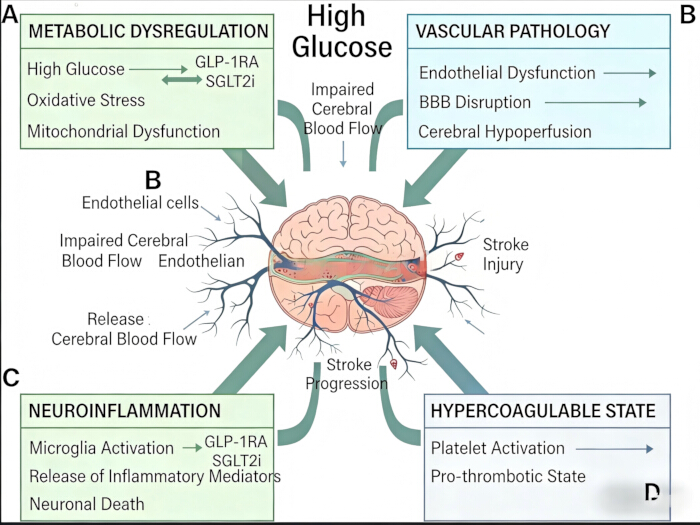
Figure 1. Pathophysiological mechanisms of ischemic stroke exacerbated by diabetes. The schematic illustrates the key pathways through which diabetes amplifies cerebral ischemic injury. Panel A depicts metabolic dysregulation (hyperglycemia and insulin resistance), leading to oxidative stress and mitochondrial dysfunction. Panel B shows vascular endothelial dysfunction, impaired BBB integrity, and basement membrane thickening. Panel C highlights the heightened neuroinflammatory response, with activated microglia (Iba-1+) releasing pro-inflammatory cytokines (IL-1β, TNF-α). Abbreviations: BBB, blood–brain barrier; ROS, reactive oxygen species. Please click here to view a larger version of this figure.
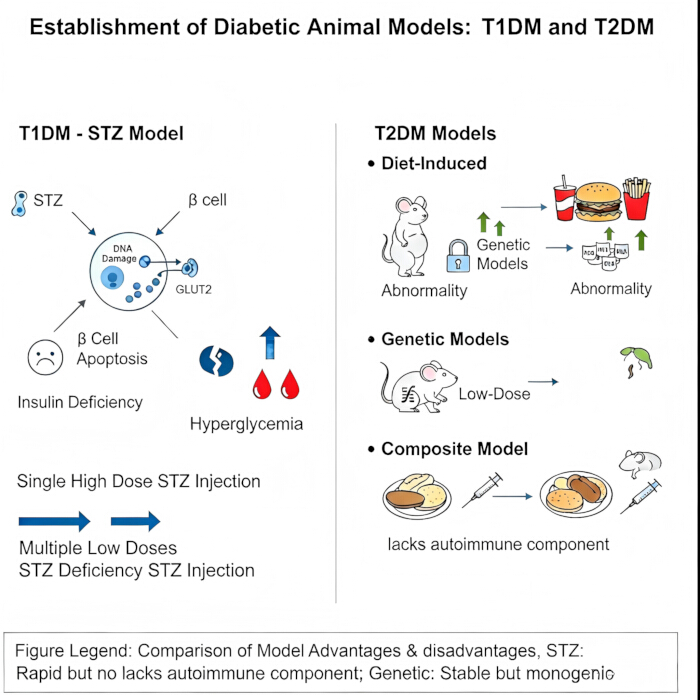
Figure 2. Establishment of animal models of diabetes: T1DM and T2DM. Common approaches for inducing T1DM and T2DM in rodents. Left panel: Streptozotocin injection protocols for T1DM. Right panel: Dietary, genetic (db/db, ob/ob), and combined (high-fat diet + low-dose streptozotocin) models for T2DM. Key features and limitations of each model are listed. Abbreviations: T1DM, type 1 diabetes mellitus; T2DM, type 2 diabetes mellitus. Please click here to view a larger version of this figure.
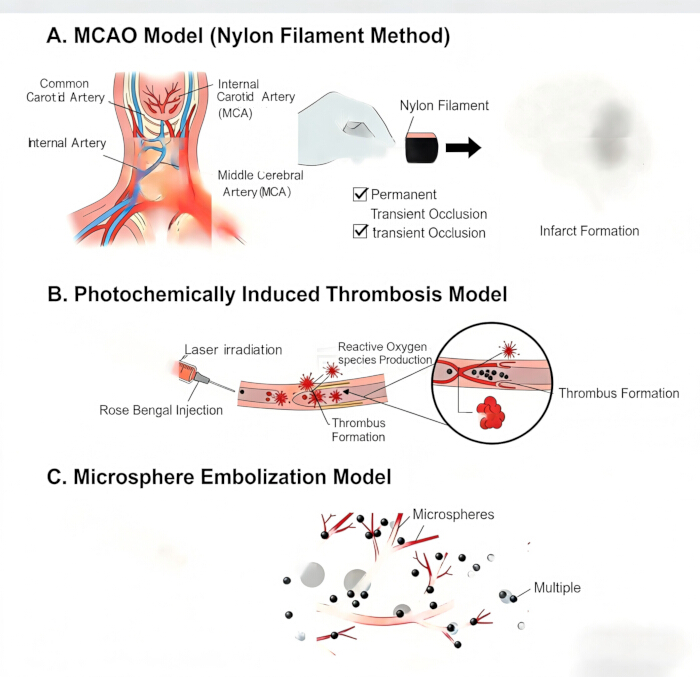
Figure 3. Surgical and thromboembolic models of ischemic stroke. The main models of ischemic stroke adapted for animals with diabetes. A: Filament-based middle cerebral artery occlusion (MCAO) for permanent or transient ischemia. B: Thromboembolic model using Rose Bengal and laser illumination to induce localized thrombosis. C: Microsphere embolization model producing multifocal infarcts. Technical considerations for diabetic vasculature are noted. Please click here to view a larger version of this figure.
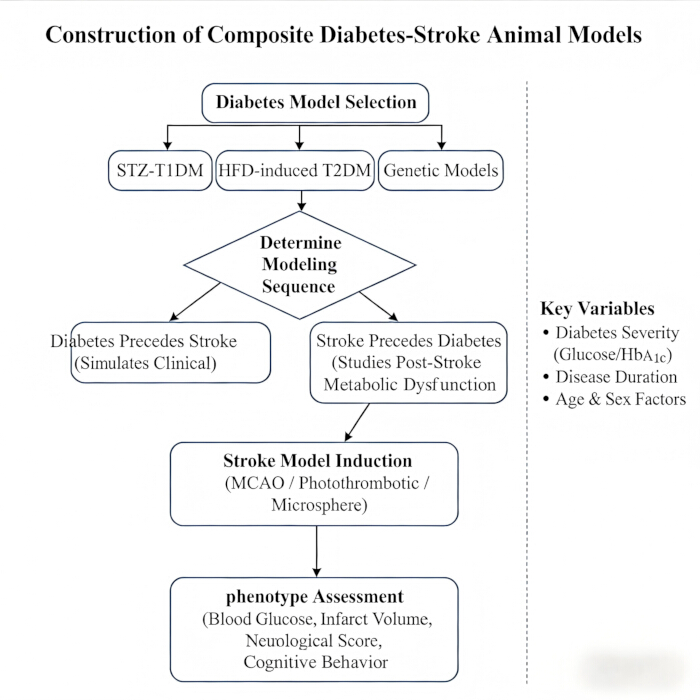
Figure 4. Construction of composite animal models of diabetes and ischemic stroke. Critical variables to consider when combining models of diabetes and stroke: temporal sequence (diabetes first vs. ischemic stroke first), severity and duration of diabetes, and biological variables (age and sex). The interplay of these factors determines the clinical relevance and translational utility of the composite model. Please click here to view a larger version of this figure.
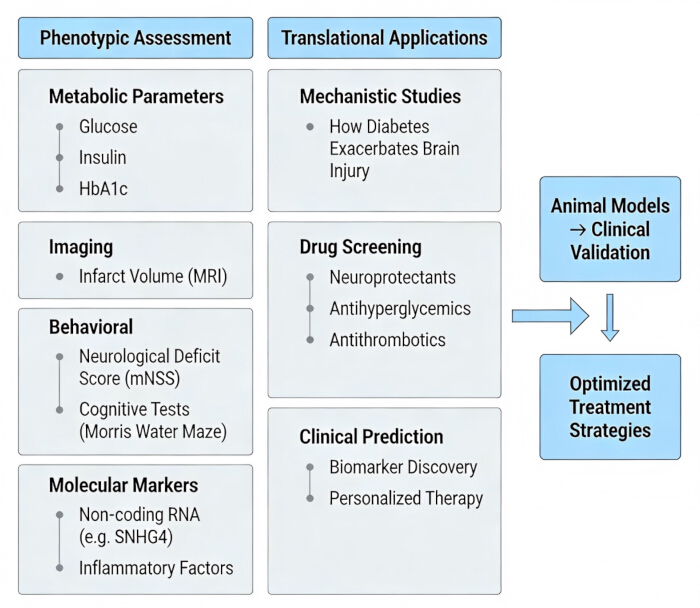
Figure 5. Phenotypic assessment and translational applications of models of diabetes and ischemic stroke. Key outcome measures for evaluating models of diabetes and stroke, including infarct volume, neurological deficits, cognitive function, vascular pathology, and inflammatory markers. Translational applications, such as drug screening, biomarker discovery, and mechanism studies, that these models enable are also highlighted. Abbreviations: MRI, magnetic resonance imaging; mNSS, modified Neurological Severity Score; SNHG4, small nucleolar RNA host gene 4; HbA1c, hemoglobin A1c. Please click here to view a larger version of this figure.
| Research Goal | Recommended Diabetes Model | Recommended Stroke Model | Key Strengths for This Goal | Critical Limitations / Notes |
| Neuroprotection Screening | Diet+STZ (T2DM) | Transient MCAO (tMCAO) | Mimics common T2DM patient profiles; reperfusion enables targeted study of neuroprotective agents | High mortality rate in diabetic rats; requires precise, experienced surgical execution |
| Thrombosis / Anti-platelet | Genetic (db/db) | Photothrombosis | Recapitulates diabetic hypercoagulable state; localized thrombosis models plaque rupture events | Laser alignment requires advanced technical skill; clot composition differs from human pathology |
| Inflammation / Microglia | STZ (T1DM) | Permanent MCAO (pMCAO) | Severe hyperglycemia triggers exaggerated inflammatory response; no reperfusion eliminates confounding variables | Does not replicate insulin resistance, a key feature in most clinical stroke patients |
| Vascular Repair / Angiogenesis | Aged + Diet+STZ | Thromboembolic (Clot) | Combines aged vascular phenotype with diabetic vasculopathy to mimic post-stroke repair impairment | High variability in clot localization and resulting infarct volume |
Table 1. Guidance for selecting composite models of diabetes and ischemic stroke based on research goals.
Disclosures
Loading...
$$\rightleftharpoonup{xx}$$
$$\longleftharp{xx}$$,
$$\longrightharp{xx}$$,
The authors have no conflicts of interest to disclose.
Acknowledgements
Loading...
$$\rightleftharpoonup{xx}$$
$$\longleftharp{xx}$$,
$$\longrightharp{xx}$$,
This work was supported by Noncommunicable Chronic Diseases-National Science and Technology Major Project: Comparative Effectiveness Study of Traditional Chinese Medicine Intervention on Comorbidity of Ischemic Cardio-Cerebrovascular Diseases and Diabetes Mellitus. No. 2023ZD0505604; the Affiliated Hospital (Teaching Hospital) Research and Development Foundation of Shandong Second Medical University (No.2024FYM048); the Shandong Province Medical Health Science and Technology Project (No.202403071140 ).
References
Loading...
$$\rightleftharpoonup{xx}$$
$$\longleftharp{xx}$$,
$$\longrightharp{xx}$$,
- Diabetes mellitus, glycemic traits, and cerebrovascular disease: A mendelian randomization study. Neurology. 96 (13), e1732-e1742 (2021).">Georgakis, M. K., et al. Diabetes mellitus, glycemic traits, and cerebrovascular disease: A mendelian randomization study. Neurology. 96 (13), e1732-e1742 (2021).
- Prognostic significance of diabetes mellitus in patients with atrial fibrillation. Cardiovasc. Diabetol. 20 (1), 40(2021).">Papazoglou, A. S., et al. Prognostic significance of diabetes mellitus in patients with atrial fibrillation. Cardiovasc. Diabetol. 20 (1), 40(2021).
- Atherosclerosis in diabetes mellitus: novel mechanisms and mechanism-based therapeutic approaches. Nat. Rev. Cardiol. 22 (7), 482-496 (2025).">Khan, A. W., Jandeleit-Dahm, K. A. M. Atherosclerosis in diabetes mellitus: novel mechanisms and mechanism-based therapeutic approaches. Nat. Rev. Cardiol. 22 (7), 482-496 (2025).
- Diabetes mellitus and adverse outcomes after carotid endarterectomy: A systematic review and meta-analysis. Chin. Med. J. 136 (12), 1401-1409 (2023).">Li, F., et al. Diabetes mellitus and adverse outcomes after carotid endarterectomy: A systematic review and meta-analysis. Chin. Med. J. 136 (12), 1401-1409 (2023).
- Diabetes and stroke: What are the connections. J. Stroke. 25 (1), 26-38 (2023).">Mosenzon, O., Cheng, A. Y. Y., Rabinstein, A. A., Sacco, S. Diabetes and stroke: What are the connections. J. Stroke. 25 (1), 26-38 (2023).
- Physiology of microglia. Physiol. Rev. 91 (2), 461-553 (2011).">Kettenmann, H., Hanisch, U. K., Noda, M., Verkhratsky, A. Physiology of microglia. Physiol. Rev. 91 (2), 461-553 (2011).
- Therapy combining glucagon-like peptide-1 receptor agonist with sodium-glucose cotransporter 2 inhibitor suppresses atherosclerosis in diabetic ApoE-deficient mice. Exp. Clin. Endocrinol. Diabetes. 132 (9), 507-514 (2024).">Takubo, M., et al. Therapy combining glucagon-like peptide-1 receptor agonist with sodium-glucose cotransporter 2 inhibitor suppresses atherosclerosis in diabetic ApoE-deficient mice. Exp. Clin. Endocrinol. Diabetes. 132 (9), 507-514 (2024).
- Circular RNAs and endothelial dysfunction: mechanistic crosstalk and emerging therapeutic perspectives. Cell. Mol. Life Sci. 83 (1), 10(2025).">Din, Z. U., et al. Circular RNAs and endothelial dysfunction: mechanistic crosstalk and emerging therapeutic perspectives. Cell. Mol. Life Sci. 83 (1), 10(2025).
- Streptozotocin-induced pancreatic insulitis: A new model of diabetes mellitus. Science. 193 (4251), 415-417 (1976).">Like, A. A., Rossini, A. A. Streptozotocin-induced pancreatic insulitis: A new model of diabetes mellitus. Science. 193 (4251), 415-417 (1976).
- Streptozotocin-induced diabetic models in mice and rats. Curr. Protoc. Pharmacol. 70, 5.47.1-5.47.20 (2021).">Furman, B. L. Streptozotocin-induced diabetic models in mice and rats. Curr. Protoc. Pharmacol. 70, 5.47.1-5.47.20 (2021).
- The mechanism of alloxan and streptozotocin action in β cells of the rat pancreas. Physiol. Res. 50 (6), 537-546 (2001).">Szkudelski, T. The mechanism of alloxan and streptozotocin action in β cells of the rat pancreas. Physiol. Res. 50 (6), 537-546 (2001).
- The NOD mouse model of type 1 diabetes: as good as it gets. Nat. Med. 5 (6), 601-604 (1999).">Atkinson, M. A., Leiter, E. H. The NOD mouse model of type 1 diabetes: as good as it gets. Nat. Med. 5 (6), 601-604 (1999).
- Multiple low-dose and single high-dose treatments with streptozotocin do not generate nitric oxide. J. Cell. Biochem. 77 (1), 82-91 (2000).">Papaccio, G., Pisanti, F. A., Latronico, M. V., Ammendola, E., Galdieri, M. Multiple low-dose and single high-dose treatments with streptozotocin do not generate nitric oxide. J. Cell. Biochem. 77 (1), 82-91 (2000).
- Low-dose versus high-dose cyclosporine induction protocols in renal transplantation. Transplant. Proc. 39 (4), 1219-1222 (2007).">Ghafari, A., Makhdoomi, K., Ahmadpour, P., Afshari, A. T., Fallah, M. M., et al. Low-dose versus high-dose cyclosporine induction protocols in renal transplantation. Transplant. Proc. 39 (4), 1219-1222 (2007).
- Preclinical models for Type 1 Diabetes Mellitus - A practical approach for research. Int. J. Med. Sci. 20 (12), 1644-1661 (2023).">Peng, X., Rao, G., Li, X., Tong, N., Tian, Y., et al. Preclinical models for Type 1 Diabetes Mellitus - A practical approach for research. Int. J. Med. Sci. 20 (12), 1644-1661 (2023).
- The high-fat diet-fed mouse: a model for studying mechanisms and treatment of impaired glucose tolerance and type 2 diabetes. Diabetes. 53 (Suppl 3), S215-S219 (2004).">Winzell, M. S., Ahrén, B. The high-fat diet-fed mouse: a model for studying mechanisms and treatment of impaired glucose tolerance and type 2 diabetes. Diabetes. 53 (Suppl 3), S215-S219 (2004).
- You are what you eat, or are you? The challenges of translating high-fat-fed rodents to human obesity and diabetes. Diabetologia. 57 (5), 879-884 (2014).">Lai, M., Chandrasekera, P. C., Barnard, N. D. You are what you eat, or are you? The challenges of translating high-fat-fed rodents to human obesity and diabetes. Diabetologia. 57 (5), 879-884 (2014).
- Increased pulmonary responses to acute ozone exposure in obese db/db mice. Am. J. Physiol. Lung Cell. Mol. Physiol. 290 (5), L856-L865 (2006).">Lu, F. L., et al. Increased pulmonary responses to acute ozone exposure in obese db/db mice. Am. J. Physiol. Lung Cell. Mol. Physiol. 290 (5), L856-L865 (2006).
- Tirzepatide once weekly for the treatment of obesity. N. Engl. J. Med. 387 (3), 205-216 (2022).">Jastreboff, A. M., et al. Tirzepatide once weekly for the treatment of obesity. N. Engl. J. Med. 387 (3), 205-216 (2022).
- Development and characterization of a novel rat model of type 2 diabetes mellitus: the UC Davis type 2 diabetes mellitus UCD-T2DM rat. Am. J. Physiol. Regul. Integr. Comp. Physiol. 295 (6), R1782-R1793 (2008).">Cummings, B. P., et al. Development and characterization of a novel rat model of type 2 diabetes mellitus: the UC Davis type 2 diabetes mellitus UCD-T2DM rat. Am. J. Physiol. Regul. Integr. Comp. Physiol. 295 (6), R1782-R1793 (2008).
- TRC4186, a novel AGE-breaker, improves diabetic cardiomyopathy and nephropathy in Ob-ZSF1 model of type 2 diabetes. J. Cardiovasc. Pharmacol. 54 (1), 72-81 (2009).">Joshi, D., et al. TRC4186, a novel AGE-breaker, improves diabetic cardiomyopathy and nephropathy in Ob-ZSF1 model of type 2 diabetes. J. Cardiovasc. Pharmacol. 54 (1), 72-81 (2009).
- Type 2 diabetes mellitus: Pathogenic features and experimental models in rodents. Acta Naturae. 14 (3), 57-68 (2022).">Gvazava, I. G., Karimova, M. V., Vasiliev, A. V., Vorotelyak, E. A. Type 2 diabetes mellitus: Pathogenic features and experimental models in rodents. Acta Naturae. 14 (3), 57-68 (2022).
- Metabolomic and transcriptomic analyses revealed potential mechanisms of Anchusa italica Retz. in alleviating cerebral ischemia-reperfusion injury via Wnt/β-catenin pathway modulation. Nat. Prod. Bioprospect. 15 (1), 11(2025).">Tan, W., et al. Metabolomic and transcriptomic analyses revealed potential mechanisms of Anchusa italica Retz. in alleviating cerebral ischemia-reperfusion injury via Wnt/β-catenin pathway modulation. Nat. Prod. Bioprospect. 15 (1), 11(2025).
- Transient middle cerebral artery occlusion in the mouse by intraluminal filament. Nat. Protoc. 19 (3), 847-872 (2024).">Fluri, F., van der Spuy, G. D. Transient middle cerebral artery occlusion in the mouse by intraluminal filament. Nat. Protoc. 19 (3), 847-872 (2024).
- Animal models of ischemic stroke with different forms of middle cerebral artery occlusion. Brain Sci. 13 (7), 1007(2023).">Zeng, L., et al. Animal models of ischemic stroke with different forms of middle cerebral artery occlusion. Brain Sci. 13 (7), 1007(2023).
- Effect of metabolic disorders on reactive gliosis and glial scarring at the early subacute phase of stroke in a mouse model of diabetes and obesity. IBRO Neurosci. Rep. 18, 16-30 (2024).">Clain, J., Couret, D., Bringart, M., Meilhac, O., Lefebvre d'Hellencourt, C., et al. Effect of metabolic disorders on reactive gliosis and glial scarring at the early subacute phase of stroke in a mouse model of diabetes and obesity. IBRO Neurosci. Rep. 18, 16-30 (2024).
- Acute ischemic stroke by middle cerebral artery occlusion in rat models of diabetes: Importance of pre-op and post-op care, severity of hyperglycemia, and sex. Methods Mol. Biol. 2616, 467-479 (2023).">Li, W., Abdul, Y., Ergul, A. Acute ischemic stroke by middle cerebral artery occlusion in rat models of diabetes: Importance of pre-op and post-op care, severity of hyperglycemia, and sex. Methods Mol. Biol. 2616, 467-479 (2023).
- Replicating human diabetes: insights from a novel animal model. Am. J. Physiol. Endocrinol. Metab. 329 (5), E616-E629 (2025).">Teixidó-Trujillo, S., Porrini, E., Menéndez-Quintanal, L. M., Torres-Ramírez, A., Fumero, C., et al. Replicating human diabetes: insights from a novel animal model. Am. J. Physiol. Endocrinol. Metab. 329 (5), E616-E629 (2025).
- Ischemic penumbra in a model of reversible middle cerebral artery occlusion in the rat. Exp. Brain Res. 89 (1), 67-78 (1992).">Memezawa, H., Minamisawa, H., Smith, M. L., Siesjö, B. K. Ischemic penumbra in a model of reversible middle cerebral artery occlusion in the rat. Exp. Brain Res. 89 (1), 67-78 (1992).
- Rumpel-Leede phenomenon associated with noninvasive blood pressure monitoring - A case report. Korean J. Anesthesiol. 59 (3), 203-205 (2010).">Jeon, Y. S., Kim, Y. S., Lee, J. A., Seo, K. H., In, J. H. Rumpel-Leede phenomenon associated with noninvasive blood pressure monitoring - A case report. Korean J. Anesthesiol. 59 (3), 203-205 (2010).
- Therapeutic potential of oral edaravone in diabetic endothelial dysfunction through NF-κB and p38 pathway inhibition. Eur. J. Pharmacol. 1012, 178500(2026).">Xu, Y. X., et al. Therapeutic potential of oral edaravone in diabetic endothelial dysfunction through NF-κB and p38 pathway inhibition. Eur. J. Pharmacol. 1012, 178500(2026).
- Whole-scale neurobehavioral assessments of photothrombotic ischemia in freely moving mice. J. Neurosci. Methods. 239, 100-107 (2015).">Yu, C. L., Zhou, H., Chai, A. P., Yang, Y. X., Mao, R. R., et al. Whole-scale neurobehavioral assessments of photothrombotic ischemia in freely moving mice. J. Neurosci. Methods. 239, 100-107 (2015).
- A modified murine photothrombotic stroke model: a minimally invasive and reproducible cortical and sub-cortical infarct volume and long-term deficits. Exp. Brain Res. 241 (10), 2487-2497 (2023).">Salman, M., Ismael, S., Ishrat, T. A modified murine photothrombotic stroke model: a minimally invasive and reproducible cortical and sub-cortical infarct volume and long-term deficits. Exp. Brain Res. 241 (10), 2487-2497 (2023).
- Acute ischemic stroke: Overview of major experimental rodent models, pathophysiology, and therapy of focal cerebral ischemia. Pharmacol. Ther. 113 (2), 319-347 (2007).">Durukan, A., Tatlisumak, T. Acute ischemic stroke: Overview of major experimental rodent models, pathophysiology, and therapy of focal cerebral ischemia. Pharmacol. Ther. 113 (2), 319-347 (2007).
- The model of stroke induced by microsphere embolism in rats. Nihon Yakurigaku Zasshi. 121 (6), 440-446 (2003).">Takagi, K., Takeo, S. The model of stroke induced by microsphere embolism in rats. Nihon Yakurigaku Zasshi. 121 (6), 440-446 (2003).
- A new microinfarcts model produces widespread bilateral infarcts and persistent cognitive deficits in middle-aged mice. Exp. Neurol. 397, 115598(2026).">Liu, Z., Mccann, M., Powell, B., Landschoot-Ward, J., Zhang, Z. G., et al. A new microinfarcts model produces widespread bilateral infarcts and persistent cognitive deficits in middle-aged mice. Exp. Neurol. 397, 115598(2026).
- From kidney injury to cardiac dysfunction: the central role of oxidative stress in diabetes and CKD. Basic Res. Cardiol. 121 (1), 93-112 (2026).">Sen, P., et al. From kidney injury to cardiac dysfunction: the central role of oxidative stress in diabetes and CKD. Basic Res. Cardiol. 121 (1), 93-112 (2026).
- Effects of fasudil against photothrombotic stroke in genetically modified obese (ob/ob) mice. Metab. Brain Dis. 40 (8), 315(2025).">Salman, M., Shahzad, H., Bhattacharya, S. K., Gangaraju, R., Brown, C. M., et al. Effects of fasudil against photothrombotic stroke in genetically modified obese (ob/ob) mice. Metab. Brain Dis. 40 (8), 315(2025).
- Matrix metalloproteinases in cardioembolic stroke: From background to complications. Int. J. Mol. Sci. 24 (4), 3628(2023).">Wysocka, A., Szczygielski, J., Kopańska, M., Oertel, J. M., Głowniak, A. Matrix metalloproteinases in cardioembolic stroke: From background to complications. Int. J. Mol. Sci. 24 (4), 3628(2023).
- Profile of cerebrovascular accidents in subjects with or without type 2 diabetes mellitus in intensive care units of tertiary care centre. J. Anaesthesiol. Clin. Pharmacol. 36 (2), 251-254 (2020).">Jain, D., Chawala, M., Paul, B. S., Mittal, N., Jain, A., et al. Profile of cerebrovascular accidents in subjects with or without type 2 diabetes mellitus in intensive care units of tertiary care centre. J. Anaesthesiol. Clin. Pharmacol. 36 (2), 251-254 (2020).
- Neuroprotective effect of salvianolate lyophilized injection against cerebral ischemia in type 1 diabetic rats. BMC Complement. Altern. Med. 17 (1), 258(2017).">Wang, F., et al. Neuroprotective effect of salvianolate lyophilized injection against cerebral ischemia in type 1 diabetic rats. BMC Complement. Altern. Med. 17 (1), 258(2017).
- Multi-level analysis of HbA1c in diagnosis and prognosis of diabetic patients. Curr. Diabetes Rev. 20 (7), e251023222697(2024).">Mukherjee, S., Ray, S. K., Jadhav, A. A., Wakode, S. L. Multi-level analysis of HbA1c in diagnosis and prognosis of diabetic patients. Curr. Diabetes Rev. 20 (7), e251023222697(2024).
- Diabetes and ischemic stroke. Brain Nerve. 66 (2), 107-119 (2014).">Shindo, A., Tomimoto, H. Diabetes and ischemic stroke. Brain Nerve. 66 (2), 107-119 (2014).
- Azeliragon attenuates cerebral infarction aggravation in diabetic rats: Receptor for advanced glycation end-product as a novel therapeutic target. Exp. Neurol. 397, 115588(2026).">Lee, J. S., Yoon, B. S., Lee, S. J., Park, S. Y., Joe, E. H., et al. Azeliragon attenuates cerebral infarction aggravation in diabetic rats: Receptor for advanced glycation end-product as a novel therapeutic target. Exp. Neurol. 397, 115588(2026).
- Increased hemorrhagic transformation and altered infarct size and localization after experimental stroke in a rat model type 2 diabetes. BMC Neurol. 7, 33(2007).">Ergul, A., et al. Increased hemorrhagic transformation and altered infarct size and localization after experimental stroke in a rat model type 2 diabetes. BMC Neurol. 7, 33(2007).
- Subsequent vascular events after ischemic stroke: the Japan Statin Treatment Against Recurrent Stroke-Longitudinal. J. Stroke Cerebrovasc. Dis. 24 (2), 473-479 (2015).">Nomura, E., et al. Subsequent vascular events after ischemic stroke: the Japan Statin Treatment Against Recurrent Stroke-Longitudinal. J. Stroke Cerebrovasc. Dis. 24 (2), 473-479 (2015).
- Canagliflozin, an inhibitor of the Na+-coupled D-glucose cotransporter, SGLT2, inhibits astrocyte swelling and brain swelling in cerebral ischemia. Cells. 12 (18), 2221(2023).">Shim, B., et al. Canagliflozin, an inhibitor of the Na+-coupled D-glucose cotransporter, SGLT2, inhibits astrocyte swelling and brain swelling in cerebral ischemia. Cells. 12 (18), 2221(2023).
- In newly diagnosed diabetes, hyperglycemia is associated with increased brain iron deposition, measured by MRI-based Quantitative Susceptibility Mapping (QSM). J. Adv. Res. 81, 521-533 (2026).">Pirozzi, M. A., et al. In newly diagnosed diabetes, hyperglycemia is associated with increased brain iron deposition, measured by MRI-based Quantitative Susceptibility Mapping (QSM). J. Adv. Res. 81, 521-533 (2026).
- Experimental diabetes mellitus in different animal models. J. Diabetes Res. 2016, 9051426(2016).">Al-Awar, A., et al. Experimental diabetes mellitus in different animal models. J. Diabetes Res. 2016, 9051426(2016).
- Predictors of recurrent ischemic stroke in obese patients with type 2 diabetes mellitus: A population-based study. J. Stroke Cerebrovasc. Dis. 29 (10), 105173(2020).">Albitar, O., et al. Predictors of recurrent ischemic stroke in obese patients with type 2 diabetes mellitus: A population-based study. J. Stroke Cerebrovasc. Dis. 29 (10), 105173(2020).
- Impact of varying levels of hyperglycemia on clinicoradiographic outcomes after endovascular reperfusion treatment. Sci. Rep. 8 (1), 9832(2018).">Lee, S. J., et al. Impact of varying levels of hyperglycemia on clinicoradiographic outcomes after endovascular reperfusion treatment. Sci. Rep. 8 (1), 9832(2018).
- The role of protein kinase C activation and the vascular complications of diabetes. Pharmacol. Res. 55 (6), 498-510 (2007).">Das Evcimen, N., King, G. L. The role of protein kinase C activation and the vascular complications of diabetes. Pharmacol. Res. 55 (6), 498-510 (2007).
- Endothelial function can be modulated by acute hyperglycemia. Sci. Rep. 15 (1), 30559(2025).">Qambari, H., Yu, P. K., Balaratnasingam, C., Dickson, J., Yu, D. Y. Endothelial function can be modulated by acute hyperglycemia. Sci. Rep. 15 (1), 30559(2025).
- Combination of high-fat diet-fed and low-dose streptozotocin-treated rat: a model for type 2 diabetes and pharmacological screening. Pharmacol. Res. 52 (4), 313-320 (2005).">Srinivasan, K., Viswanad, B., Asrat, L., Kaul, C. L., Ramarao, P. Combination of high-fat diet-fed and low-dose streptozotocin-treated rat: a model for type 2 diabetes and pharmacological screening. Pharmacol. Res. 52 (4), 313-320 (2005).
- A new rat model of type 2 diabetes: the fat-fed, streptozotocin-treated rat. Metabolism. 49 (11), 1390-1394 (2000).">Reed, M. J., et al. A new rat model of type 2 diabetes: the fat-fed, streptozotocin-treated rat. Metabolism. 49 (11), 1390-1394 (2000).
- Delayed administration of angiotensin II type 2 receptor (AT2R) agonist compound 21 prevents the development of post-stroke cognitive impairment in diabetes through the modulation of microglia polarization. Transl. Stroke Res. 11 (4), 762-775 (2020).">Jackson, L., et al. Delayed administration of angiotensin II type 2 receptor (AT2R) agonist compound 21 prevents the development of post-stroke cognitive impairment in diabetes through the modulation of microglia polarization. Transl. Stroke Res. 11 (4), 762-775 (2020).
- In-hospital mortality from cerebrovascular accidents in an urban center in Argentina. Medicina (B Aires). 85 (2), 337-347 (2025).">Echarri, M. M., Rodríguez Lucci, F., Pujol Lereis, V., Finkelsztein, M. Y., González, C. D., et al. In-hospital mortality from cerebrovascular accidents in an urban center in Argentina. Medicina (B Aires). 85 (2), 337-347 (2025).
- Clinico-radiological profile, risk factors, aetiology and prognosis in patients with acute cerebrovascular accident at a district hospital in North-East India. J. Family Med. Prim. Care. 14 (8), 3389-3393 (2025).">Lalramchhuanga, J., Dharmale, S. T., Lalrothuama,, Zothantluanga, Clinico-radiological profile, risk factors, aetiology and prognosis in patients with acute cerebrovascular accident at a district hospital in North-East India. J. Family Med. Prim. Care. 14 (8), 3389-3393 (2025).
- Rodent models of post-stroke dementia. Int. J. Mol. Sci. 23 (18), 10750(2022).">Kim, H. Y., Back, D. B., Choi, B. R., Choi, D. H., Kwon, K. J. Rodent models of post-stroke dementia. Int. J. Mol. Sci. 23 (18), 10750(2022).
- Spatio-temporal characterization of cellular senescence hallmarks in experimental ischemic stroke. Int. J. Mol. Sci. 26 (5), 2364(2025).">Baixauli-Martín, J., et al. Spatio-temporal characterization of cellular senescence hallmarks in experimental ischemic stroke. Int. J. Mol. Sci. 26 (5), 2364(2025).
- Gender differences in insulin resistance: New knowledge and perspectives. Curr. Issues Mol. Biol. 45 (10), 7845-7861 (2023).">Ciarambino, T., Crispino, P., Guarisco, G., Giordano, M. Gender differences in insulin resistance: New knowledge and perspectives. Curr. Issues Mol. Biol. 45 (10), 7845-7861 (2023).
Reprints and Permissions
Request permission to reuse the text or figures of this JoVE article
Request Permission