
Guest Editors

Marianna Bei
Massachusetts General Hospital, Harvard Medical School
Marianna Bei is an Assistant Professor of Surgery at Harvard Medical School and a Principal Investigator within the Center for Engineering in Medicine Surgery at Massachusetts General Hospital and Shriners Hospital for Children-Boston. She manages an independently funded research program focused on understanding cellular and molecular mechanisms that control skin and epithelial appendage formation and homeostasis. A primary focus of her research is to understand whether transcription factors exert their exquisite specificity in vivo through selective, context-dependent, protein-protein interactions and epigenetic regulation, using epithelial appendages as model systems, including the developing tooth.

Anamaria Balic
University of Helsinki, Finland
Anamaria Balic holds a medical doctor degree from Medical School at the University of Zagreb, Study in Split, Croatia. She completed her PhD studies at the University of Connecticut, USA, and she is currently a Principal Investigator at the University of Helsinki, Finland. Her research focus are tooth stem and progenitor cells and cell lineages arising from these populations.
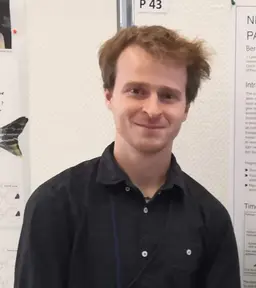
Jan Krivanek
Masaryk University, Brno, Czech Republic
Jan Krivanek gained his MSc in the Molecular Biology and Genetics Department and PhD degrees followed in Anatomy, Histology, and Embryology at Masaryk University (Brno, Czech Republic). During his doctoral studies, he started to be interested in craniofacial development and in tooth biology. During his postdoctoral studies at Medical University of Vienna (Austria) and Karolinska Institute (Stockholm, Sweden) created the Dental cell type atlas which deciphered many unknown aspects in regenerative biology – using as a model system, the continuously growing mouse tooth. Currently, he leads a group focused on tooth growth, regeneration, stem cell biology, growth control or hard tissue behaviour and structure.
Collection Overview
Organogenesis consists of the culmination and precise coordination of genetic and molecular pathways that control the fate and patterning of different cell types. The tooth, among different organs, constitutes an outstanding model to study the developmental, molecular, and genetic basis of organogenesis and its evolution. Contemporary studies, using the tooth as a model, combine developmental biology with functional genomics, molecular biology, computational approaches, human studies, population genetics, tissue engineering, stem cell biology, and translational research.
In addition, the study of tooth development in different vertebrate species allows for the delineation of conserved molecular mechanisms controlling diversity in form and function; thus offering insights into the interaction between evolutionary principles and those of environmental factors, and how their interplay drives functional equilibrium and homeostasis. The tooth has been used in the lab for decades, and numerous protocols exist for investigating its biology.
The goal of this Collection is to highlight contemporary protocols for tooth research, provide access to existing methods, and highlight its unique nature for researchers interested in working with this organ and developmental biology in general.
Articles

Use of Trowell-Type Organ Culture to Study Regulation of Dental Stem Cells
0 Views
•
Cited by 1
•
2021
•

Rapid Isolation of Single Cells from Mouse and Human Teeth
0 Views
•
Cited by 3
•
2021
•

Propagation of Dental and Respiratory Cells and Organs in Microgravity
0 Views
•
Cited by 2
•
2021
•


Spatial Transcriptomics of Early Tooth Morphogenesis in Formalin-fixed Paraffin-embedded Mouse Embryonic Tissue
0 Views
•
Cited by 1
•
2026
•
1Section on Craniofacial Genetic Disorders, Eunice Kennedy Shriver National Institute of Child Health and Human Development (NICHD), National Institutes of Health (NIH), 2Department of Surgery, Massachusetts General Hospital, 3Department of Surgery, Harvard Medical School, 4Shriners Hospital for Children

Multiplex Fluorescent mRNA In Situ Hybridization of Developing Craniofacial Tissues in FFPE Mouse Samples
0 Views
•
2026
•
1Center for Engineering in Medicine and Surgery, Department of Surgery, Massachusetts General Hospital, 2Department of Surgery, Harvard Medical School, 3Shriners Hospital for Children, 4Eunice Kennedy Shriver National Institute of Child Health and Human Development (NICHD), National Institutes of Health
Abstracts
In situ hybridization on tissue sections of model fishes
Tyler Square*1
1University of Florida