Guest Editor

Collection Overview
Lignocellulosic biomass from plants is an important renewable carbon feedstock that can be transformed in energy, materials and chemicals to replace fossil carbon from oil, gas and coal. This alternative source of energy helps decrease carbon dioxide emissions and limits global warming. However, due to its intrinsic chemical and structural complexity, lignocellulose generally requires a pretreatment before the subsequent catalytic and processing steps. The cost of pretreatment represents an important part of the overall process. Thereby it is critical to select the most appropriate and effective pretreatments for economically viable biorefineries.
The goal of this collection is to present the variety of existing lignocellulosic pretreatments and highlight their recent developments. Expected contributions to this collection may include existing technologies using chemicals (acid, alkali, solvents, ionic liquids), physical treatments (milling, extrusion, radiation) and biological actors (fungi, bacteria, enzymes) as well as combinations or hybrid treatments. We believe that visual information should bring critical details about the instruments and techniques. This will increase reproducibility, foster standard lab assays, offer comparison of different pretreatments and develop pretreatments of lignocellulose.
Articles

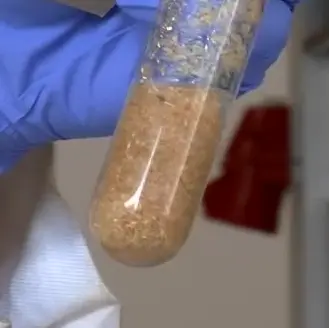
Ammonia Fiber Expansion (AFEX) Pretreatment of Lignocellulosic Biomass
0 Views
•
Cited by 53
•
2020
•
Shishir P. S. Chundawat1, Ramendra K. Pal1, Chao Zhao1, Timothy Campbell2, Farzaneh Teymouri2, Josh Videto2, Chandra Nielson2, Bradley Wieferich3, Leonardo Sousa3, Bruce E. Dale3, Venkatesh Balan4, Sarvada Chipkar5, Jacob Aguado5, Emily Burke5, Rebecca G. Ong5
1Department of Chemical and Biochemical Engineering, Rutgers-State University of New Jersey, 2Michigan Biotechnology Institute (MBI), 3Department of Chemical Engineering and Materials Science, Michigan State University, 4Engineering Technology Department, Biotechnology Program, College of Technology, University of Houston, 5Department of Chemical Engineering, Michigan Technological University


