
Weathering and Erosion
Weathering and erosion are natural processes that slowly change Earth’s surface over time. Weathering is the breaking down of rocks into smaller piece
Video Duration: 1 minute and 25 secondsMIDDLE SCHOOL
Earth and Space Science
Weathering and erosion are natural processes that slowly change Earth’s surface over time. Weathering is the breaking down of rocks into smaller piece
Video Duration: 1 minute and 25 seconds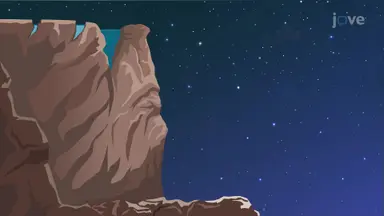
Mechanical weathering is the physical breakdown of rocks into smaller pieces without changing their chemical composition. This process happens when ro
Video Duration: 1 minute and 20 seconds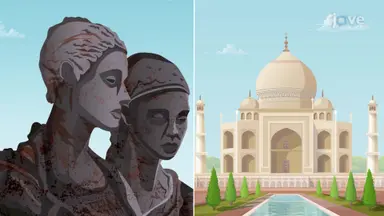
Chemical weathering is the process of breaking down rocks through chemical changes. Unlike mechanical weathering, which breaks rocks physically, chemi
Video Duration: 1 minute and 23 seconds
Weathering is the natural process that breaks down rocks into smaller pieces. Both mechanical and chemical weathering shape Earth’s surface, but the r
Video Duration: 1 minute and 26 seconds
Soil is an essential part of Earth’s surface that supports plants, animals, and ecosystems. It is made up of minerals, organic matter, water, and air,
Video Duration: 1 minute and 29 seconds
Soil is one of Earth’s most important natural resources. It forms over long periods from the breakdown of rocks and the remains of plants and animals.
Video Duration: 1 minute and 27 seconds
Soil is made up of different layers, known as soil horizons, which develop over time through weathering, decomposition, and the movement of materials.
Video Duration: 1 minute and 26 seconds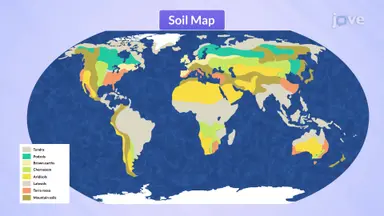
Soil is not the same everywhere. It comes in different types, each with unique properties that affect plant growth, water retention, and how the land
Video Duration: 1 minute and 26 seconds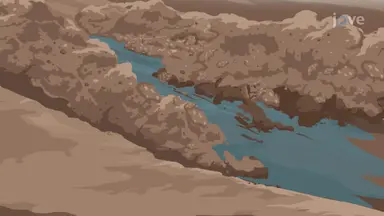
Soil is one of Earth’s most valuable natural resources, but it can be lost through erosion—the process of soil being worn away by wind, water, and hum
Video Duration: 1 minute and 27 seconds
Soil is essential for plant growth, water filtration, and supporting ecosystems, but it can be lost due to erosion, deforestation, and poor farming pr
Video Duration: 1 minute and 26 seconds
Composting is a natural process that transforms food scraps, leaves, and other organic waste into nutrient-rich soil. Microorganisms, worms, and insec
Video Duration: 1 minute and 30 seconds
As streams and rivers flow, they carry sediments like soil, sand, and small rocks. When the water slows down, it loses energy and begins to drop or de
Video Duration: 1 minute and 17 seconds
Groundwater is water that moves slowly through spaces in soil and rock beneath Earth’s surface. Over time, groundwater can cause erosion by dissolving
Video Duration: 1 minute and 25 seconds
As groundwater moves through underground spaces and rock layers, it can carry dissolved minerals with it. When the water reaches open spaces like cave
Video Duration: 1 minute and 25 seconds
Waves constantly crash against coastlines, slowly wearing away rock and soil. This process is called wave erosion. Strong waves can break apart cliffs
Video Duration: 1 minute and 20 seconds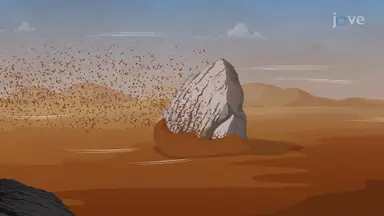
Deposition by wind is the process where wind-carried sediments, such as sand and dust, are dropped in a new location. This occurs when the wind slows
Video Duration: 0 seconds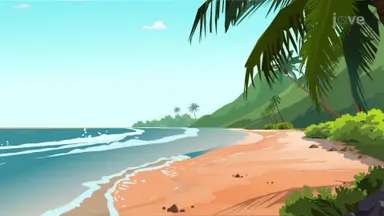
Waves not only erode coastlines, but they also build them. When waves lose energy, they drop the sand, gravel, and other materials they carry. This pr
Video Duration: 1 minute and 23 seconds
Glaciers are large, slow-moving masses of ice that shape the land through erosion and deposition. As glaciers move, they pick up rocks, soil, and debr
Video Duration: 1 minute and 25 seconds
Shorelines are constantly changing because of erosion, deposition, storms, and rising sea levels. Waves can wear away beaches and cliffs, threatening
Video Duration: 1 minute and 22 seconds
As glaciers move, they pick up rocks, soil, and debris. When the ice melts, the glacier drops or deposits these materials, creating new landforms. Thi
Video Duration: 1 minute and 20 seconds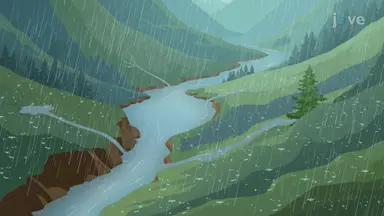
Water erosion happens when moving water carries away soil, sand, and rocks. Runoff from rain or melting snow flows over land, picking up loose particl
Video Duration: 1 minute and 25 seconds
Streams that begin in the mountains help shape the land as they flow. When the water moves quickly down steep slopes, it carries rocks and sediments w
Video Duration: 1 minute and 14 seconds
Erosion by wind is a natural process that moves sediment, soil, and small particles from one place to another. Strong winds pick up loose material and
Video Duration: 1 minute and 27 seconds
Gravity is a natural force that causes erosion and deposition by pulling rocks, soil, and sediments downhill. This process is known as mass movement a
Video Duration: 1 minute and 20 seconds
Flood maps are essential tools that help cities identify areas most likely to flood during heavy rainfall or storms. These maps display elevations, wa
Video Duration: 1 minute and 16 seconds