Guest Editor

Collection Overview
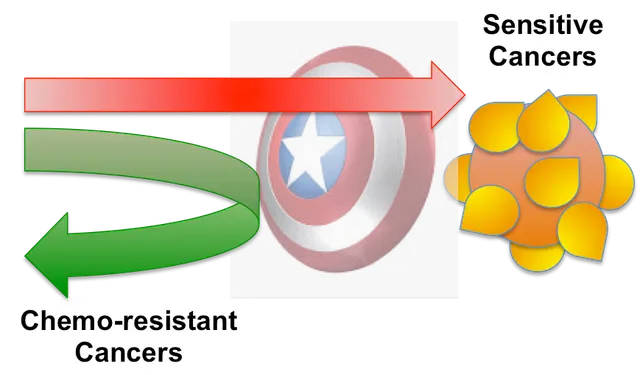
Resistance to chemotherapy, which can be both inherent and acquired, is a fundamental problem in the treatment of cancer. This collection of articles would focus on methods and models currently used both to study the basic biology of resistance mechanisms. Additionally, it will contain techniques to identify highly resistance cancers to aid patient stratification and methods to test novel therapeutic strategies developed to overcome resistance.
In this collection, I would like to include the following areas:
- Molecular mechanisms of resistance such as cell adhesion mediated drug resistance, the cell surface efflux pump, apoptotic resistance mechanism, autophagy, and cancer stemness
- The development of cell line models with acquired resistance to specific treatments in order to study mechanisms by which cells acquire resistance and act as models to test novel therapeutic strategies
- The development of biomarkers to identify resistance
- Apoptotic profiling of patient samples to identify patients with high apoptotic thresholds resulting in resistant tumors
- The establishment and utilization of tumor explants models to study drug resistance
- Metabolic profiling in resistance models to understand the role of metabolic switching in acquired resistance
Articles

Patient-Derived Tumor Explants As a "Live" Preclinical Platform for Predicting Drug Resistance in Patients
0 Views
•
Cited by 5
•
2021
•


Abstracts
Establishment of patient derived tumor cell cultures from TURBT tissue samples for ex vivo modelling of therapy efficacy in bladder cancer.
Juha Rantala*1
1University of Sheffield
Establishment and Characterization of Clinically Resistant Models of Acquired Drug Resistance via Senescence Escape
Hayley McDaid*1,
Qualia Hooker2
1Albert Eisntein College of Medicine,
2Albert Einstein College of Medicine