The NICU Network Neurobehavioral Scale (NNNS) was developed as an assessment for the at-risk infant. The purpose of this article is to describe the NNNS, provide video examples of the NNNS procedures and discuss the ways in which the exam has been used.
Method Article
Assessment and Evaluation of the High Risk Neonate: The NICU Network Neurobehavioral Scale
In This Article
Summary
Abstract
There has been a long-standing interest in the assessment of the neurobehavioral integrity of the newborn infant. The NICU Network Neurobehavioral Scale (NNNS) was developed as an assessment for the at-risk infant. These are infants who are at increased risk for poor developmental outcome because of insults during prenatal development, such as substance exposure or prematurity or factors such as poverty, poor nutrition or lack of prenatal care that can have adverse effects on the intrauterine environment and affect the developing fetus. The NNNS assesses the full range of infant neurobehavioral performance including neurological integrity, behavioral functioning, and signs of stress/abstinence. The NNNS is a noninvasive neonatal assessment tool with demonstrated validity as a predictor, not only of medical outcomes such as cerebral palsy diagnosis, neurological abnormalities, and diseases with risks to the brain, but also of developmental outcomes such as mental and motor functioning, behavior problems, school readiness, and IQ. The NNNS can identify infants at high risk for abnormal developmental outcome and is an important clinical tool that enables medical researchers and health practitioners to identify these infants and develop intervention programs to optimize the development of these infants as early as possible. The video shows the NNNS procedures, shows examples of normal and abnormal performance and the various clinical populations in which the exam can be used.
Introduction
There has been a long-standing interest in the assessment of the neurobehavioral integrity of the newborn infant. From a scientific point of view, the study of newborn neurobehavior could inform models of the developmental origins of later behavioral outcomes. From a practical point of view, the early detection of infants with poor developmental outcome would invite the study of preventive interventions that could ameliorate or reduce the severity of long term developmental deficits.
The NICU Network Neurobehavioral Scale (NNNS)1 was developed as an assessment for the at-risk infant and is used in research and clinical practice. These are infants who are at increased risk for poor developmental outcome because of insults during prenatal development, such as substance exposure or prematurity or factors such as poverty, poor nutrition or lack of prenatal care that can have adverse effects on the intrauterine environment and affect the developing fetus. However, its formulation was based on a developmental perspective emphasizing normative neurobehavior and its variation, and derailing effects of risk conditions. Thus, the NNNS was meant to have broad applicability. It assesses the full range of infant neurobehavioral performance including neurological integrity, behavioral functioning, and signs of stress/abstinence. The neurologic component includes active and passive tone, primitive reflexes, and items that reflect the integrity of the central nervous system and maturity of the infant.2, 3 The behavior component adapted items from the Neonatal Behavioral Assessment Scale (NBAS).4 The stress/abstinence component is a checklist of ‘yes’ or ‘no’ items organized by organ system based on the work of Finnegan5 and observations of behavioral signs in at-risk infant populations such as preterm infants. These neurobehavioral items are framed by the concept of behavioral states of organization (sleep to distress) because of their moderating effect on behavior and because they in and of themselves and their dynamics index central nervous system integrity. By including evaluations of classical reflexes, tone, posture, social and self-regulatory competencies, as well as signs of stress and withdrawal, and state organization, the NNNS examination is sensitive to a broad range of behaviors that high-risk infants present and can be used for a variety of infants and for infants of varying gestational ages.
The exam should be performed on medically stable infants in an open crib/isolette. It is probably not appropriate for infants less than 28-32 weeks gestational age; the upper age limit may also vary, with a reasonable upper limit of 46 weeks (corrected for conceptional age, i.e., weeks gestational age at birth plus weeks since birth).
In the NNNS, items are administered in packages with each package beginning with a change in focus or position. The order of administration is relatively invariant. Here we present a summary of the exam followed by the protocol shown in the video. During the Pre-Examination Observation the infant is asleep, prone, undressed and covered. Initial State is scored using the traditional 1-6 criteria described by Prechtl.2 The Response Decrement items (habituation) are administered with infant in state 1 or 2 and coded on scales that include criteria for when the infant stops responding ('shutdown'), and criteria for when the item is discontinued. During Unwrap and Supine, the infant's posture, skin color, and movement are observed and scored on scales that include, where appropriate, criteria for normal, hypo-responsivity and hyper-responsivity. Skin texture is also scored for the presence of specific conditions. The seven lower extremity reflexes, nine upper extremity reflexes, four upright and three prone responses are administered with the infant in states 3, 4 or 5 and include classic reflexes, measures of tone and angles, scored on scales that also include, where appropriate, criteria for normal, hypo-responsivity and hyper-responsivity. The infant, in state 4 or 5, is picked up and cuddled and scored separately for cuddle in arm and shoulder. The six orientation items are then administered with the infant still in state 4 or 5, on the examiner’s lap. The types of handling procedures used to keep the infant in a state 4 or 5 during the orientation package are scored along with the orientation responses. The infant is picked up for the vestibular items, returned to the crib for the final set of reflexes and observed for the post examination period.
Protocol
1. Pre-examination Observation
- Initial State Observation. The exam starts with the infant covered and asleep in sleep state 1 or 2.
- Record the infant's initial state as quiet or active sleep, drowsy, quiet awake, active awake or crying.
2. Habituation
- Measure response decrement to repeated presentations of a light, rattle and bell.
- Record the number of trials it takes the infant to stop responding to each stimulus.
3. Unwrap and Supine
- Unwrap and undress the infant and place in supine position.
- Posture: Record the infant’s posture as total extension, partial flexion, total flexion, or abnormal.
- Skin Color: Record skin color as normal, pallid, cyanotic or mottled.
- Skin Texture: Record any of the following skin texture signs that are observed: shedding or peeling, excoriations, loose skin or deep creases around eyes and nose.
- Movement: Record baseline motor activity as very little or none, normal or excessive.
- Response decrement to foot stimulation: Record the number of trials it takes the infant to stop responding to press of the heel.
4. Lower Extremity Reflexes
- Place infant supine and hold infant’s leg just below the knee with the leg relaxed.
- Plantar grasp: Press thumb against ball of infants’ foot.
- Record as no response, weak, normal or exaggerated.
- Babinski reflex: Scratch lateral side of infant’s foot.
- Record as no response, weak, normal or exaggerated.
- Ankle clonus: dorsiflex the ball of the infant’s foot several times.
- Record as no clonus, one, two or more, or sustained beats.
- Repeat plantar grasp, Babinski reflex and ankle clonus with opposite leg.
- Leg resistance and recoil: Hold both feet of infant’s legs near the ankles with one hand with your index finger between the feet. Fully flex hips and knees and then extend thighs and legs and release.
- Record resistance to extension as none, little, moderate or strong and note speed and amount of thigh and lower leg recoil.
- Power of Active Leg Movements: grasp the infant’s moving foot above the ankle between your index and middle fingers and apply gentle resistance.
- Record active movements against gravity as none, minimal, moderate, or strong.
- Popliteal Angle: Grasp the bottom of the infant’s heel with your fingers. In one fluid motion bring the infant’s knee to his belly and then extend leg. Repeat with the infant’s other leg.
- Record the angle formed at the knee by the upper and lower leg for Left and Right leg.
5. Upper Extremity Reflexes and Face
- Scarf sign: Place the infant’s arm just above the chest with one hand. Place your other hand on the infant’s trunk to prevent trunk rotation with your thumb at the infant’s elbow. Gently push the elbow across the chest so that the arm comes across the neck like a scarf. Repeat with the infant’s other arm.
- Record the point on the chest to which the elbow moves easily prior to significant resistance.
- Forearm resistance and recoil: Hold both infant’s arms at the wrist and fully flex arms at the elbow. Extend forearms and release one arm in 1 sec and the other arm 1 sec later.
- Record amount of forearm resistance and speed and amount of recoil.
- Power of Active Arm Movements: grasp the wrist of the moving hand between your index and middle fingers and apply gentle resistance to the infant’s movement.
- Record active movements against gravity as none, minimal, moderate, or strong.
- Rooting: With one hand hold the infant’s hands against his or her chest. With the other hand, stroke the skin at the corners of the infant’s mouth.
- Record response as none, turn away from, weak, full or exaggerated head turn toward stimulated side.
- Grasp of Hands: Place index finger in the palm of the infant’s hand and press the palmar surface without touching the back of the hand. Repeat with the infant’s other hand.
- Record response as none, weak, strong or prolonged.
- Truncal Tone: Place one hand under the infant’s buttocks and hold the back of the infant’s head at the neck with the other hand. Lift the infant a few inches above the surface of the crib so that the buttocks do not touch the surface. Gently flex the infant’s trunk by bringing the head forward and bringing the infant to a sitting position.
- Record the tone of the trunk as no tone, some tone, good tone or exaggerated tone.
- Pull to Sit: Hold the infant’s wrists/forearms with your hands. With the infant’s arms extended, pull the infant to a seated position.
- As infant is pulled to sit, observe if there is muscular resistance to stretching the neck and if the infant attempts to right head into a position that is in midline of the trunk and parallel to the body.
6. Upright Responses
- Placing: Hold the infant upright with both hands under the arms and around the chest. Use your thumbs to support movement of the infant’s head. Lift the infant so that the top of the foot is stroked and gently pressed downward against an edge on the crib or tabletop. Repeat with the other foot.
- Observe if foot is lifted and then extends to “place”.
- Stepping: Hold the infant upright with both hands under the arms and around the chest. Use your thumbs to support movement of the infant’s head. Let the soles of the feet touch the surface and move the infant forward as stepping occurs.
- Record response as none, some, clear or exaggerated stepping. If stepping was not elicited, note if infant can support weight, legs stiffen or if feet cross in a scissoring pattern.
- Ventral Suspension: Over the crib, suspend the infant in the air in a prone position by placing a hand under the infant’s chest and abdomen.
- Record final position of infant’s head, limbs and trunk.
- Incurvation: Slowly tap or stroke a line with the side of your thumb a few centimeters from the vertebrae, downward from the shoulder to the buttocks. Repeat on the other side.
- Record response of trunk as it flexes laterally in a concave curve on the stimulated side as none, weak, fully developed or exaggerated.
7. Infant Prone
- Crawling: Both 7.1 and 7.3 are scored from the following maneuver. With infant prone, place head in midline and arms near the head, palms down. If infant does not crawl spontaneously, stimulate the response by gently pressing your palms on the soles of the feet.
- Record response as none, weak, coordinated or prolonged crawling and whether stimulation was applied.
- Head Raise in Prone: From above position, record lifting of the head as none, head turning, brief lift, sustained lift, or exaggerated response such as hyperextended neck.
8. Pick up Infant
- Cuddle in Arm: Hold the infant in a cuddled position in your arms. Do not rock or talk to infant. Facilitate cuddling only if there is no active participation from the infant.
- Cuddle on Shoulder: Hold the infant in a cuddled position on your shoulder.
- Record infant’s ability to relax or mold, nestle, and cling as well as any resistance to cuddling.
9. Orientation/Attention
Administer the orientation items as you sit in a chair with the infant resting on your lap. Have the infant at a slight upward angle.
- Inanimate Visual: Hold the red ball approximately 10-12 inches from the infant’s eyes. Jiggle the ball to find the infant’s focal range. Then, slowly move the ball horizontally from one side to the other. If the eyes and head follow to at least one side, move the ball vertically and in an arc to see if the infant will continue to follow.
- Inanimate Visual and Auditory: Gently shake the red rattle approximately 10-12 inches from the infant’s eyes. Slowly move the rattle horizontally from one side to the other. If the eyes and head follow to at least one side, move the rattle vertically and in an arc to see if the infant will continue to follow.
- Animate Visual: Place your face 12-18 inches in front of the infant’s face. Slowly move from one side to the other. If the eyes and head follow to at least one side, move your face vertically and in an arc to see if the infant will continue to follow.
- Animate Visual and Auditory: Speak in a soft, slightly higher pitched voice, with your face 12-18 inches in front of the infant’s face. Slowly move from one side to the other. If the eyes and head follow to at least one side, move your face vertically and in an arc to see if the infant will continue to follow.
- For 9.1, 9.2, 9.3 and 9.4, record infants ability to become alert, focus on the object, follow with eyes and head horizontally or vertically and to coordinate head and eye movements.
- Inanimate Auditory: Shake the rattle continuously, 6-12 inches from the infant’s ear and out of sight. Repeat so there are two trials on each side.
- Animate Auditory: Speak softly into one of the infant’s ears with your face out of the infant’s line of vision, about 6-12 inches away. Repeat so there are two trials on each side.
- For 9.6 and 9.7, record infant’s ability to become alert, turn and/or look toward the stimulus.
10. Infant Spin
- Tonic Deviation of the Head and Eyes: Hold the infant upright facing you with both hands under the arms, your thumbs across the chest and fingers around the infant’s back. Use your fingers to support the base of the head. Rotate your trunk in a half circle. Rotate in the other direction.
- Observe the infant’s eye/head movements and presence/absence of nystagmus.
11. Infant Supine in Crib
- Defensive Movements: With infant’s head in midline, hold a small cloth in place over the infant’s eyes and nose but not occluding the nostrils.
- Record activity level of infant as well as presence of nondirected/directed swipes of arms toward the cloth.
- Asymmetrical Tonic Neck Reflex (ATNR): Turn the infant’s face slowly to one side and hold briefly in that position with the jaw over the shoulder. Wait for the infant to settle and make a postural adjustment. Repeat on the other side.
- Record amount of extension of the infant’s arm and leg on the face side.
- Moro Reflex: Over the crib, hold the infant supine in your hands with one hand under the head and the other hand supporting the back and buttocks. While continuing to support the head, quickly lower the infant.
- Record the abduction and adduction of the infant’s arms.
12. Stress/Abstinence
- Score each sign of stress/abstinence as yes if present during the exam.
Summary Items
Throughout the exam, observe and record the following: quality of infant’s alertness and responsiveness, general tone, motor maturity, consolability maneuvers required, level of arousal, irritability, spontaneous and elicited activity, amount of tremors and startles, lability of skin color and state, predominate state, hand to mouth efforts and self-quieting efforts.
Summary Scores
Analysis of the NNNS is based on previously established summary scores1 or scales measuring habituation, attention, need for handling, quality of movement, self-regulation, non-optimal reflexes, asymmetric reflexes, arousal, hypertonicity, hypotonicity, excitability, lethargy, and stress/abstinence. The requisite psychometric properties of these scales have been well documented including inter-examiner reliability, internal consistency, discriminant, construct, and predictive validity1 including norms for healthy term infants.6, 7 The summary scores have also been consolidated into profiles or typologies (described below) that classify infants into discrete categories.8-10
Results
Overview of Research and Clinical Applications of the NNNS
Research
Here we provide a summary of published studies using the NNNS for research across a wide range of infant populations. Infants with prenatal exposure to a wide range of substances consistently show poorer performance on the NNNS. Illegal and legal substances of abuse include cocaine,11, 12 opiates,11 methamphetamine,13, 14 marijuana,15 alcohol,11 and tobacco.16-18 Both prenatal tobacco and postnatal exposure to secondary smoke were related to poorer NNNS scores and ethnicity.19 Infants with prenatal cocaine and opiate exposure show low respiratory sinus arrhythmia during visual attention on the NNNS.20 The exam is also sensitive to more subtle prenatal exposures, such as bisphenol A, phthalates and chemicals used in the production of synthetic materials found in normal populations.21
Other prenatal exposure studies are treatment studies. Infants who required pharmacologic treatment for NAS (neonatal abstinence syndrome or withdrawal symptoms) showed more dysregulated behavior on the NNNS than those without NAS.22, 23 Infants treated for NAS with opiates and phenobarbital had better NNNS scores than those treated with opiates alone.24 Performance on the NNNS was better in infants with NAS due to treatment during pregnancy with buprenorphine vs. methadone in heroin addicted mothers.23, 24 Maternal depression during pregnancy is often treated with serotonin reuptake inhibitors (SRIs) resulting in negative findings on the NNNS.25 Thus the NNNS is capable of detecting not only strong (e.g., opiate) drug effects but subtle drugs effects as well, discriminating, infants who develop NAS from those who will not, infants who show milder withdrawal-like (SRIs) signs as well as effects of chemicals in the normal environment.
In preterm infants, medical problems result in compromised neurobehavior on the exam.26 Even in the absence of medical problems, preterm infants at term gestational age have deficits on the NNNS when compared with term infants. 27 In a brain imaging study, preterm infants with decreased regional brain volumes showed deficits on the NNNS.28 Better developmental care in the NICU (Neonatal Intensive Care Unit) improves developmental outcome on the NNNS in preterm infants when they are discharged from the hospital.29 In addition, NNNS findings in preterm infants shortly before NICU discharge are more positive when there is more family centered care, developmental care and parent satisfaction and less maternal depression and parenting stress.30 The NNNS may be useful in implementing developmental models of care in the NICU and identifying infants who may be at high risk for poor developmental outcome even without medical problems. The latter is supported by the long term predictive validity of the NNNS.
The long term predictive validity of the NNNS has been reported in several studies. In preterm infants, performance on the NNNS has been related to mental and motor outcomes at 18 months31 and motor status at 24 months28 and to the later development of cerebral palsy and impaired motor function.32 In drug exposed infants33 motor scores on the NNNS predicted motor outcomes at 18 months. In a path model, prenatal substance exposure was related to worse NNNS neurobehavior which was, in turn, related to behavior problems at ages 3 and 7.34
NNNS summary scores can be converted to profiles which can then be used for long term prediction. Each infant is assigned to a mutually exclusive profile or category based on their pattern of scores across the summary scores. Figure 1A shows five profiles identified from a sample of over 1,200 infants at risk due to factors such as prenatal substance exposure and prematurity in which the summary scores are presented as standardized scores (standard deviation units).8 Infants in profile 5 showed an abnormal pattern. These infants had poor attention that required extensive handling, poor regulation, they were highly aroused and excitable, with poor quality of movement and a high number of stress signs. As shown in Figure 1B, infants with profile 5 were more likely to show abnormalities between 2 and 4 ½ years on the Bayley Scales, behavior problems on the Child Behavior Checklist (CBCL), deficits in school readiness (DIAL-R) and low IQ. NNNS profiles have also been used to predict developmental outcome in a low risk sample9 and are related to epigenetic changes in placental genes.10 These studies raise the possibility of using the NNNS to identify which infants are at highest risk for poor outcome and develop interventions early enough to prevent or reduce the severity of later deficits.
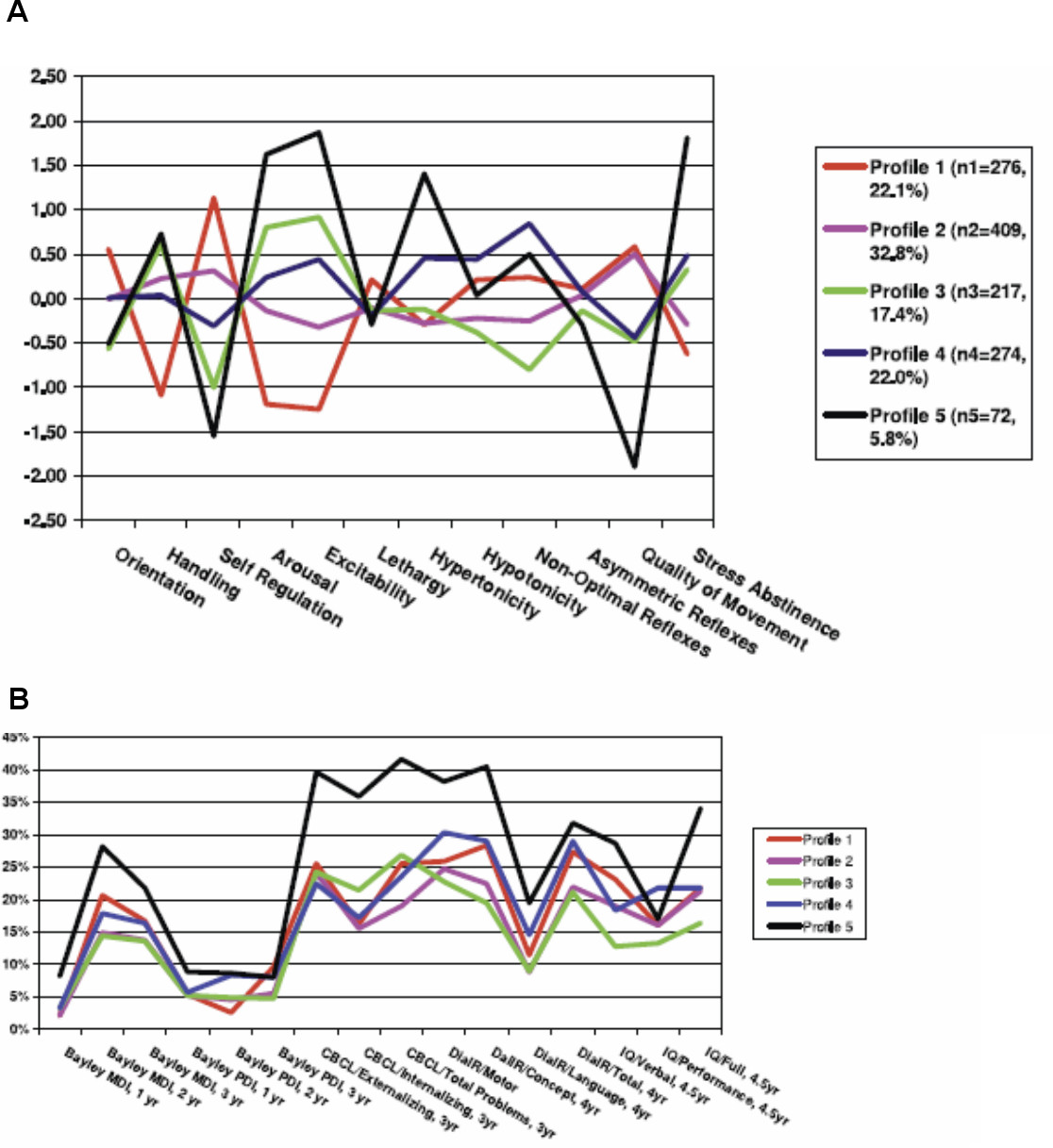
Figure 1. In studies of other at risk populations, the NNNS has been shown to be sensitive to intrauterine growth restriction35 cardiac surgery,36 maternal depression in mothers who used cocaine during pregnancy,25 and infants of adolescent mothers.37 Please click here to view a larger version of this figure.
Although we have been able to link prenatal factors to newborn neurobehavior we do not know the mechanisms responsible for these effects. One possibility is through epigenetic mechanisms such as DNA methylation that regulate gene expression. For example, reduced activity of the glucocorticoid receptor gene in the placenta due to DNA methylation can increase fetal exposure to cortisol and alter newborn neurobehavior. In recent work, NNNS scores have been related to epigenetic alterations of several candidate genes in the placenta,10, 38-40 as well as genome wide epigenetic effects.41 Growth restriction42 and maternal depression during pregnancy43 are also related to epigenetic alterations in placental genes that in turn affect NNNS scores. These studies provide insight into molecular mechanisms related to newborn neurobehavior that could have long term implications for behavioral development30, 44, 45 including the development of mental health disorders.46, 47
The NNNS has also been used with normal, healthy infants to examine methodological issues7, 48 and describe the range of variability of newborn neurobehavior in this population.6, 7 These studies provide normative data for comparisons with other populations. They are also key because they show that normal healthy infants are not a homogeneous population; that their neurobehavioral organization is affected by factors in environments not usually associated with risk. In other normative samples, the exam has been used in relation to fetal behavior,49 and infant temperament.50, 51 Thus, although the NNNS was designed for high risk infants it also appears to be sensitive to neurobehavioral variability in low risk populations as well.
Clinical Applications
In clinical settings such as hospital nurseries, neonatal follow-up clinics, drug treatment programs and early intervention programs, the NNNS examination can be used to help with the management and developmental care plan of the infant and to inform caregivers of specific strengths and vulnerabilities of high risk infants. In our hospital (Women and Infants Hospital of Rhode Island) and increasingly in other hospitals, the exam is part of standard care in the NICU and some hospitals, including ours, use the assessment as part of standard care for infants undergoing neonatal abstinence syndrome due to maternal use of opiates during pregnancy. The importance of the NNNS for nursing has been well described by Sullivan et al.52 They note that newborn assessment has become more critical with the increased acuity and complex care needed especially in the NICU. Suggestions for clinical interpretation of NNNS summary scores are available,34 along with various formats for reporting clinical observations. Summary scores can be calculated and compared with percentile scores and/or described in a clinical narrative with recommendations for treatment. Initial NNNS observations provide a baseline for developing a symptom oriented care plan to help with the management of the infant and empower the caregiver’s parenting ability. The exam provides an excellent opportunity for professionals to partner with parents in observing the infant’s competencies and needs, and in formulating a plan for developmental intervention. Thus, consultation with the NNNS is a collaborative process, that is driven by the infants neurobehavioral functioning. Since the medical and neurobehavioral status of the infant is evolving, it is preferable for the NNNS examination to be repeated over time or for consultation sessions to be done in a regularly scheduled series. An exam near to the time of discharge can be particularly helpful to families as they are better prepared to take the infant home when they appreciate the strengths and vulnerabilities of the infant. This helps them read the infant’s cues and signals, bolsters their confidence in parenting and helps in the developing parent-infant relationship. An exam at this time is also useful to inform discharge planning with recommendations for follow up clinics, community pediatricians and early intervention programs.53
Discussion
Approximately 5 to 10% of the pediatric population has a developmental disability.54 The NNNS can identify infants at high risk for abnormal developmental outcome and is an important clinical tool that enables medical researchers and health practitioners to identify these infants and develop intervention programs to optimize the development of these infants as early as possible.
The NNNS is a noninvasive neonatal assessment tool that has shown to be sensitive to a wide range of populations including risk for poor developmental outcome, treatment, quality of developmental care in the NICU, epigenetic changes and variability in normal newborn neurobehavior. The exam has predictive validity, not only of medical outcomes such as cerebral palsy, neurological abnormalities, and diseases with risks to the brain, but also of developmental outcomes such as mental and motor functioning, behavior problems, school readiness, and IQ.
The American Academy of Pediatrics has called for a referral to early intervention or special education following a positive screening result. A diagnosis is not required for such a referral.55 The NNNS profiles specify the neurobehavioral deficits associated with poor outcome that could serve as target behaviors for the development of preventive interventions to reduce or ameliorate these deficits. The NNNS profiles enable us to identify, from the larger pool of infants who are already at risk, which infants are at highest risk and affording better use of increasingly limited resources.
Disclosures
I have nothing to disclose.
Acknowledgements
The development of the NNNS was supported by NIH grants U10 DA 024119-01 and U10HD27904 and contract N01-HD-2-3159 to Dr Lester. ARTICLES: PEDIATRICS Volume 125, Number 1, January 2010 e90-e98.
References
- Lester, B. M., Tronick, E. Z. The NICU Network Neurobehavioral Scale (NNNS). Pediatrics (Supplement). 113, 631-699 (2004).
- Prechtl, H. F. The behavioural states of the newborn infant (a review). Brain Res. 76 (2), 185-212 (1974).
- Saint-Anne Dargassies, S. Neurological Development in the Full-Term and Premature Neonate. , Elsevier North Holland. New York, NY. (1977).
- Brazelton, T. B. Neonatal behavior assessment scale. , 2, Spastics International Medical Publications. (1984).
- Finnegan, L. Neonatal abstinence syndrome: Assessment and pharmacotherapy. Neonatal therapy and update. Rubatelli, F., Granata, B. , Experta Medica. New York. (1986).
- Tronick, E. Z., Olson, K., Rosenberg, R., Bohne, L., Lu, J., Lester, B. M. Normative neurobehavioral performance of healthy infants on the Neonatal Intensive Care Unit Network Neurobehavioral Scale. Pediatrics. 113 (3 Pt 2), 676-678 (2004).
- Fink, N. S., Tronick, E., Olson, K., Lester, B. Healthy newborns' neurobehavior: norms and relations to medical and demographic factors. J Pediatr. 161 (6), 1073-1079 (2012).
- Liu, J., Bann, C., Lester, B., et al. Neonatal neurobehavior predicts medical and behavioral outcome. Pediatrics. 125 (1), 90-98 (2010).
- Sucharew, H., Khoury, J. C., Xu, Y., Succop, P., Yolton, K. NICU Network Neurobehavioral Scale profiles predict developmental outcomes in a low-risk sample. Paediatric and perinatal epidemiology. 26 (4), 344-352 (2012).
- Lesseur, C., Armstrong, D. A., Murphy, M. A., et al. Sex-specific associations between placental leptin promoter DNA methylation and infant neurobehavior. Psychoneuroendocrinology. 40, 1-9 (2014).
- Lester, B. M., Tronick, E. Z., LaGasse, L., et al. The maternal lifestyle study: effects of substance exposure during pregnancy on neurodevelopmental outcome in 1-month-old infants. Pediatrics. 110 (6), 1182-1192 (2002).
- Napiorkowski, B., Lester, B. M., Freier, M. C., et al. Effects of in utero substance exposure on infant neurobehavior. Pediatrics. 98 (1), 71-75 (1996).
- Smith, L. M., Lagasse, L. L., Derauf, C., et al. Prenatal methamphetamine use and neonatal neurobehavioral outcome. Neurotoxicol Teratol. 30 (1), 20-28 (2008).
- LaGasse, L. L., Wouldes, T., Newman, E., et al. Prenatal methamphetamine exposure and neonatal neurobehavioral outcome in the USA and New Zealand. Neurotoxicol Teratol. 33 (1), 166-175 (2011).
- de Moraes Barros, M. C., Guinsburg, R., de Araujo Peres, C., Mitsuhiro, S., Chalem, E., Laranjeira, R. R. Exposure to marijuana during pregnancy alters neurobehavior in the early neonatal period. J Pediatr. 149 (6), 781-787 (2006).
- Law, K. L., Stroud, L. R., LaGasse, L. L., Niaura, R., Liu, J., Lester, B. M. Smoking during pregnancy and newborn neurobehavior. Pediatrics. 111 (6), 1318-1323 (2003).
- Stroud, L. R., Paster, R. L., Papandonatos, G. D., et al. Maternal smoking during pregnancy and newborn neurobehavior: effects at 10 to 27 days. J Pediatr. 154 (1), 10-16 (2009).
- Yolton, K., Khoury, J., Xu, Y., et al. Low-level prenatal exposure to nicotine and infant neurobehavior. Neurotoxicol Teratol. 31 (6), 356-363 (2009).
- Barros, M. C., Mitsuhiro, S. S., Chalem, E., Laranjeira, R. R., Guinsburg, R. Prenatal tobacco exposure is related to neurobehavioral modifications in infants of adolescent mothers. Clinic. (Sao Paulo, Brazil). 66 (9), 1597-1603 (2011).
- Conradt, E., Sheinkopf, S. J., Lester, B. M., et al. Prenatal substance exposure: neurobiologic organization at 1 month. J Pediatr. 163 (4), 989-994 (2013).
- Yolton, K., Xu, Y., Strauss, D., Altaye, M., Calafat, A. M., Khoury, J. Prenatal exposure to bisphenol A and phthalates and infant neurobehavior. Neurotoxicol Teratol. 33 (5), 558-566 (2011).
- Velez, M. L., Jansson, L. M., Schroeder, J., Williams, E. Prenatal methadone exposure and neonatal neurobehavioral functioning. Pediatr Res. 66 (6), 704-709 (2009).
- Jones, H., O’Grady, K., Johnson, R., Velez, M., Jansson, L. Infant Neurobehavior Following Prenatal Exposure to Methadone or Buprenorphine: Results From the Neonatal Intensive Care Unit Network Neurobehavioral Scale. Subst Use Misuse. 45 (13), 2244-2257 (2010).
- Coyle, M. G., Ferguson, A., LaGasse, L., Liu, J., Lester, B. Neurobehavioral effects of treatment for opiate withdrawal. Archives of Disease in Childhood: Fetal Neonatal Edition. 90 (1), F73-F74 (2005).
- Salisbury, A. L., Lester, B. M., Seifer, R., et al. Prenatal cocaine use and maternal depression: effects on infant neurobehavior. Neurotoxicol Teratol. 29 (3), 331-340 (2007).
- Brown, N., et al. Alterations in Neurobehavior at Term Reflect Differing Perinatal Exposures in Very Preterm Infants. Pediatrics. 118 (6), 2461-2471 (2006).
- Montirosso, R., Del Prete, A., Cavallini, A., Cozzi, P. Neurobehavioral profile in a group of healthy preterm infants. Utilization of the NICU Network Neurobehavioral Scale (NNNS). Child Development & Disabilities - ESSAYS. 3, 1-21 (2009).
- Brown, N. C., Inder, T. E., Bear, M. J., Hunt, R. W., Anderson, P. J., Doyle, L. W. Neurobehavior at term and white and gray matter abnormalities in very preterm infants. J Pediatr. 155 (1), 32-38 (2009).
- Montirosso, R., Del Prete, A., Bellu, R., Tronick, E., Borgatti, R. Level of NICU quality of developmental care and neurobehavioral performance in very preterm infants. Pediatrics. 129 (5), e1129-e1137 (2012).
- Lester, B., Miller, R., Hawes, K., et al. Infant Neurobehavioral Development. Seminars in Perinatology. 35 (1), 8-19 (2011).
- El-Dib, M., Massaro, A., Glass, P., Aly, H. Neurobehavioral assessment as a predictor of neurodevelopmental outcome in preterm infants. J Perinatol. 32, 299-303 (2013).
- Stephens, B. E., Liu, J., Lester, B., et al. Neurobehavioral assessment predicts motor outcome in preterm infants. J Pediatr. 156 (3), 366-371 (2010).
- Miller-Loncar, C., Lester, B. M., Seifer, R., et al. Predictors of motor development in children prenatally exposed to cocaine. Neurotoxicol Teratol. 27 (2), 213-220 (2005).
- Lester, B. M., Bagner, D. M., Liu, J., et al. Infant neurobehavioral dysregulation: behavior problems in children with prenatal substance exposure. Pediatrics. 124 (5), 1355-1362 (2009).
- de Moraes Barros, M., Guinsburg, R., Mitsuhiro, S., Chalem, E., Laranjeira, R. Neurobehavior of full-term small for gestational age newborn infants of adolescent mothers. J Pediatr (Rio J). 84 (3), 217-223 (2008).
- Massaro, A. N., Glass, P., Brown, J., et al. Neurobehavioral abnormalities in newborns with congenital heart disease requiring open-heart surgery. J Pediatr. 158 (4), 678-681 (2011).
- de Moraes Barros, M. C., Guinsburg, R., Mitsuhiro, S., Chalem, E., Laranjeira, R. R. Neurobehavioral profile of healthy full-term newborn infants of adolescent mothers. Early human development. 84 (5), 281-287 (2008).
- Bromer, C., Marsit, C. J., Armstrong, D. A., Padbury, J. F., Lester, B. Genetic and epigenetic variation of the glucocorticoid receptor (NR3C1) in placenta and infant neurobehavior. Developmental psychobiology. 55 (7), 673-683 (2013).
- Maccani, M. A., Padbury, J. F., Lester, B. M., Knopik, V. S., Marsit, C. J. Placental miRNA expression profiles are associated with measures of infant neurobehavioral outcomes. Pediatr Res. 74 (3), 272-278 (2013).
- Paquette, A. G., Lesseur, C., Armstrong, D. A., et al. Placental HTR2A methylation is associated with infant neurobehavioral outcomes. Epigenetics. 8 (8), 796-801 (2013).
- Marsit, C. J., Lambertini, L., Maccani, M. A., et al. Placenta-imprinted gene expression association of infant neurobehavior. J Pediatr. 160 (5), 854-860 (2012).
- Marsit, C. J., Maccani, M. A., Padbury, J. F., Lester, B. M. Placental 11-beta hydroxysteroid dehydrogenase methylation is associated with newborn growth and a measure of neurobehavioral outcome. PloS One. 7 (3), e33794(2012).
- Conradt, E., Lester, B. M., Appleton, A. A., Armstrong, D. A., Marsit, C. J. The roles of DNA methylation of NR3C1 and 11beta-HSD2 and exposure to maternal mood disorder in utero on newborn neurobehavior. Epigenetics. 8 (12), 1321-1329 (2013).
- Lester, B. M., Conradt, E., Marsit, C. J. Are epigenetic changes in the intrauterine environment related to newborn neurobehavior? Epigenomics. 6 (2), 175-178 (2014).
- Lester, B., Tronick, E., Nestler, E., et al. Behavioral epigenetics. Ann NY Acad Sci. 1226, 14-33 (2011).
- Lester, B., Marsit, C., Bromer, C. Behavioral Epigenetics and the Developmental Origins of Mental Health Disorders. Infant & Early Childhood Mental Health: Core Concepts and Clinical Practice. Brandt, K., Perry, B., Seligman, S., Tronick, E. , American Psychiatric Publishing, Inc. Washington, DC. 161-173 (2013).
- Lester, B., Conradt, E., Marsit, C. Epigenetic basis for the development of depression in children. Clinical Obstetrics and Gynecology. 56 (3), 556-565 (2013).
- Xu, Y., Yolton, K., Khoury, J. Earliest appropriate time for administering neurobehavioral assessment in newborn infants. Pediatrics. 127 (1), e69-e75 (2011).
- Salisbury, A., Duncan-Fallone, M., Lester, B. M. Neurobehavioral Assessment From Fetus To Infant. The NICU Network Neurobehavioral Scale and The Fetal Neurobehavior Coding Scale. Mental Retardation and Developmental Disabilities Research Reviews. 11, 14-20 (2005).
- Bagner, D. M., Sheinkopf, S. J., Miller-Loncar, C., et al. The effect of parenting stress on child behavior problems in high-risk children with prenatal drug exposure. Child Psychiatry Hum Dev. 40 (1), 73-84 (2009).
- Desantis, A., Harkins, D., Tronick, E., Kaplan, E., Beeghly, M. Exploring an integrative model of infant behavior: What is the relationship among temperament, sensory processing, and neurobehavioral measures? Infant Behav Dev. 34 (2), 280-292 (2011).
- Sullivan, M. C., Miller, R. J., Fontaine, L. A., Lester, B. Refining Neurobehavioral Assessment of the High-Risk Infant Using the NICU Network Neurobehavioral Scale. J Obstet Gynecol Neonatal Nurs. 41 (1), 17-23 (2012).
- Boukydis, C. F., Bigsby, R., Lester, B. M. Clinical use of the Neonatal Intensive Care Unit Network Neurobehavioral Scale. Pediatrics. 113 (3 Pt 2), 679-689 (2004).
- Simeonsson, R., Sharp, M., et al. Developmental delay: Signs and symptoms. PrimaryPediatricCare. Hoekelman, R. , 2nd, Mosby Co. St. Louis. (1992).
- Marks, K., Glascoe, F. P., Aylward, G. P., Shevell, M. I., Lipkin, P. H., Squires, J. K. The thorny nature of predictive validity studies on screening tests for developmental-behavioral problems. Pediatrics. 122 (4), 866-868 (2008).
Reprints and Permissions
