The goal of this protocol is to outline the collection and processing of human surgical samples for multiple downstream applications in vestibular schwannoma and Schwann cell research.
Method Article
A Unified Methodological Framework for Vestibular Schwannoma Research
* These authors contributed equally
In This Article
Summary
Abstract
Vestibular schwannomas are the most common neoplasms of the cerebellopontine angle, making up 6-8% percent of all intracranial growths. Though these tumors cause sensorineural hearing loss in up to 95% of affected individuals, the molecular mechanisms underlying this hearing loss remain elusive. This article outlines the steps established in our laboratory to facilitate the collection and processing of various primary human tissue samples for downstream research applications integral to the study of vestibular schwannomas. Specifically, this work describes a unified methodological framework for the collection, processing, and culture of Schwann and schwannoma cells from surgical samples. This is integrated with parallel processing steps now considered essential for current research: the collection of tumor and nerve secretions, the preservation of RNA and the extraction of protein from collected tissues, the fixation of tissue for the preparation of sections, and the exposure of primary human cells to adeno-associated viruses for application to gene therapy. Additionally, this work highlights the translabyrinthine surgical approach to collect this tumor as a unique opportunity to obtain human sensory epithelium from the inner ear and perilymph. Tips to improve experimental quality are provided and common pitfalls highlighted.
Introduction
Vestibular schwannomas (VSs) are the most common neoplasms of the cerebellopontine angle, diagnosed in 1 in every 100,000 individuals. Though non-metastatic, these tumors severely affect a patient's quality of life1,2,3,4,5,6. Affected individuals commonly live with hearing loss, tinnitus, and a feeling of aural fullness. Symptoms become increasingly debilitating as the tumor grows, causing balance problems, facial paralysis, and impairment of other cranial nerve functions. Life-threatening complications due to brainstem compression may also ensue7.
Management options for VS are essentially limited to watchful waiting for static tumors and stereotactic radiation therapy or surgical resection for growing tumors8. The surgical removal of these tumors in research-affiliated hospitals presents the opportunity to acquire and analyze fresh tumor tissue collected during patient surgeries. One specific surgical approach to VS, the translabyrinthine resection, can even offer access to valuable human sensory epithelium from the inner ear and perilymph.
Because VSs arise from a peripheral sensory nerve (i.e., the vestibular nerve), it is important to compare VS-associated observations with those derived from an appropriate control nerve, such as the human great auricular nerve (GAN). Healthy GANs are regularly sacrificed during parotidectomies or neck dissections and can be used as robust models for healthy Schwann cell physiology9.
Because there are no FDA-approved drugs for the treatment or prevention of sporadic VS, it is imperative that researchers elucidate the underlying molecular mechanisms of the disease to identify therapeutic targets. Proteins that have been shown to play a role in VS pathogenesis include merlin, vascular endothelial growth factor (VEGF), cyclooxygenase 2 (COX-2), nuclear factor kappa B (NF-κB), tumor necrosis factor alpha (TNF-alpha), epidermal growth factor receptor (EGFR), and related signaling molecules10,11,12,13,14,15,16,17.
Recent advances have expanded and improved protocols for the collection, processing, culture, and downstream investigation of primary human vestibular schwannomas and healthy nerve tissues18,19. However, most existing protocols are designed to accommodate the preparation of such tissues for a single downstream research application (i.e., cell culture alone). This article presents a unified methodological framework for the simultaneous processing of a single primary human VS or GAN sample for multiple downstream applications: cell type-specific culture, protein extraction, RNA preservation, tumor secretion collection, and tissue fixation. This work also details the surgical collection and processing of human cerebrospinal fluid (CSF) and perilymph during translabyrinthine VS resection, as these closely related tissues may serve as important sources of biomarkers for VS. Finally, this protocol presents steps for the viral transduction of primary human VS cells in culture as a novel application of this tissue for use in gene therapy.
Protocol
Written informed consent for the collection of all samples was obtained prior to surgery, and the experiments were carried out according to the Code of Ethics of the World Medical Association (Declaration of Helsinki). All sections of the study protocol were approved by the Institutional Review Board of Massachusetts Eye and Ear and Massachusetts General Hospital.
NOTE: Sections 1-7 below are designed to be performed sequentially upon the receipt of a primary human VS or GAN sample from the operating room. Processing should always begin with section 1. Then, as a rule, RNA should be preserved first (section 2), followed by the preparation of tissue for the collection of secretions (section 3) and protein extraction (section 4). Tissue to be cultured (section 5 for VS, section 6 for GAN) can sit in supplemented culture medium while sections 2, 3, and 4 are performed. The fixation of tissue for sectioning (section 7) is very short and can be performed during any centrifugation step. Section 8 (perilymph processing) and section 9 (CSF processing) can be carried out upon the receipt of perilymph or CSF from the operating room during a translabyrinthine VS resection. Section 10 (viral transduction) can be performed on growing VS or Schwann cells in culture.
1. Preparation for and Receipt of a Surgical Sample
NOTE: The following steps are to be performed in a sterile environment, such as a tissue culture hood or laminar flow hood. Familiarity with basic sterile technique is expected.
- Preparation of medium for primary human VS or Schwann cell culture
- Thaw a 50 mL aliquot of frozen fetal bovine serum (FBS) in a 37 °C water bath.
- Add 5 mL of penicillin/streptomycin mix to a 500 mL bottle of DMEM/F-12, resulting in a final dilution of 1:100.
- Add the 50 mL of thawed FBS to the 500 mL bottle of DMEM/F-12, resulting in a final dilution of 1:10.
- Write the date, researcher's initials, and supplemental information (e.g., 1% P/S, 10% FBS) on the bottle.
- Place the new culture medium in the refrigerator (4 °C).
- Receipt and cleansing of VS or GAN sample
- In the operating room, place the freshly harvested VS or GAN sample into sterile saline in a specimen container. Transport the sample on ice from the operating room to a laminar flow hood in the laboratory.
NOTE: Sample sizes and weights vary significantly between patients based on the size of the relevant tumor or the amount of excised nerve. - Remove stock-solution aliquots of hyaluronidase (25,000 U/mL) and collagenase (3,200 U/mL) from the freezer and let the enzymes thaw at room temperature (required for step 5.1.4 or 6.1.6, depending on whether the specimen is a VS or a GAN).
NOTE: The resuspension of lyophilized enzymes is described in detail on the product information sheets. Collagenase can be resuspended in any calcium-free balanced salt solution and hyaluronidase in a solution of 0.02 M phosphate buffer (pH 7.0), 77 mM NaCl, and 0.01% of 1 mg/mL bovine serum albumin. The specific activity for each lyophilized enzyme varies with the lot and should be verified prior to resuspension. - Using a series of three 1.5 mL tubes filled with 1.4 mL of 1x sterile PBS, wash the VS or GAN specimen three times. Carefully transfer the specimen from tube to tube with sterile forceps. Close each tube once it contains the specimen, and shake gently to wash.
NOTE: To avoid flooding the 1.5 mL tubes, less than 1.4 mL of PBS can be used per tube if the tumor piece is large. - Put the sample into a dry 60 mm Petri dish and use forceps to remove all dead tissue (i.e., cauterized portions, which are usually white or opaque in color) and areas with prominent blood vessels.
- Use forceps or a scalpel blade to divide the sample into separate pieces for RNA preservation, protein extraction, secretion collection, fixation, and cell culture (see sections 2 - 6, below).
- Transfer the piece of the specimen designated for cell culture (section 5/6) to a new 60 mm culture dish containing 5-8 mL of cold, supplemented DMEM/F-12 medium (alternatively, the lid of the first culture dish can be used for this step).
NOTE: The amount of DMEM/F-12 medium needed (from step 1.1) will depend on the size of the tumor or nerve, but it should fall between 5 and 8 mL. This piece can sit in culture medium while the subsequent steps are performed.
- In the operating room, place the freshly harvested VS or GAN sample into sterile saline in a specimen container. Transport the sample on ice from the operating room to a laminar flow hood in the laboratory.
2. RNA Preservation of VS and GAN Tissue (Also Valid for Human Sensory Epithelium)
- Under the laminar flow hood, transfer 1-1.2 mL of RNA stabilization solution to a new 1.5 mL tube.
- After washing the specimen with PBS (step 1.2.3), briefly dip the small piece of tissue designated for RNA preservation (approximately 3 mm3 of VS or a 5 mm length of GAN) into the RNA stabilization solution. Ensure that the specimen is completely immersed in the solution.
- Prepare and label a new 1.5 mL tube. Retrieve the specimen from the RNA stabilization solution, transfer it to the new tube, and store it in a -80 °C freezer.
3. Collection of the VS and GAN Secretions
- Day 1
- After washing the specimen with PBS (step 1.2.3), place the piece of VS or GAN designated for the collection of secretions into an empty 1.5 mL tube.
- Prepare two additional 1.5 mL tubes and pipette 500 µL of DMEM (not supplemented with FBS) into each tube.
NOTE: The first tube of DMEM will be used to collect the tumor secretions, and the second tube of DMEM will serve as a matched control. Secretions can be collected in DMEM, any other typical culture medium not supplemented with serum, or PBS. - Place one of the DMEM-containing tubes onto a calibrated digital scale. Tare the scale, such that when the tube sits atop the scale, it reads 0 mg.
- Remove the tube of DMEM from the scale, place the piece of specimen designated for the collection of secretions into the tube, and weigh it. Note the result, which will represent the weight of the tissue alone.
- Under a laminar flow hood, adjust the volume of DMEM in the tube to 100 µL per 10 mg of specimen.
- Place the tube containing the tissue sample and its matched control (DMEM alone) into the incubator (37 °C, 5% CO2) for a period consistent with the plans for this experiment. Incubate the tissue for at least 72 h to collect biologically useful quantities of tumor or nerve secretions15.
- Day 4
- After incubation for 72 h, remove the secretion-containing medium from the specimen (i.e., tissue-conditioned medium) using a 1 mL pipette. To prevent repeated freeze-thaw cycles, aliquot the medium into new tubes according to the planned downstream analyses (e.g., to run an ELISA with 4 wells requiring 50 µL each, aliquots of 210 µL can be prepared).
- If required, freeze the tissue piece remaining in the original tube (already labeled on Day 1) at -80 °C for additional analyses, such as DNA extraction, at a later date.
- Store the tissue, secretions, and control DMEM in a -80 °C freezer until the downstream applications are initiated (e.g., ELISAs, LC-MS/MS, cytokine arrays, etc.).
4. Protein Extraction from VS or GAN Tissue
- Preparation of fortified RIPA buffer
- Add one tablet of phosphatase inhibitor and one tablet of protease inhibitor to 10 mL of RIPA buffer in a 15 mL tube; this is fortified RIPA buffer.
NOTE: Store the RIPA buffer at 4 °C and add the tablets just prior to use.
- Add one tablet of phosphatase inhibitor and one tablet of protease inhibitor to 10 mL of RIPA buffer in a 15 mL tube; this is fortified RIPA buffer.
- Protein extraction
- Transfer 210 µL of fortified RIPA buffer (step 4.1.1) to a new 1.5 mL tube.
- After washing the specimen with PBS (step 1.2.3), transfer the small piece of tissue designated for protein extraction (approximately 3 mm3 of VS or a 5 mm length of GAN) to the RIPA buffer-containing tube and place it on ice for at least 10 min. If studying phosphorylated forms of proteins, supplement the RIPA buffer with protease and phosphatase inhibitors14. In the meantime, steps for other components of the tissue processing, such as fixation (section 7), can be carried out.
- Pre-cool the centrifuge to 4 °C.
- Using a plastic pestle, homogenize the tissue in the RIPA buffer-containing tube. Sonicate the tissue for 10-15 s at 20% amplitude. Ensure that the specimen remains on ice, even during sonication.
- Centrifuge for 10 min at 15,000 x g and 4 °C.
- Aliquot the supernatant in 50 µL increments into new 0.5 mL tubes (depending upon the intended downstream applications, any increment size can be chosen).
- Store the aliquots of protein lysate in a -80 °C freezer until the downstream applications are initiated (e.g., ELISAs or Western blots)20,21.
5. Primary Human VS Culture
- Day 1
- Separate the VS tissue designated for cell culture (which has been sitting in culture medium, as described in step 1.2.6) into approximately 1 mm3 pieces using a pair of forceps in each hand.
- Aspirate the tumor piece-containing medium with a 10 mL serological pipette and transfer all contents to a 15 mL conical tube.
- Centrifuge for 3 min at 1,000 x g and 25 °C.
- Prepare disintegration medium in a new 60 mm culture dish by combining 4.7 mL of supplemented DMEM/F-12 medium with 250 µL of collagenase (final concentration: 160 U/mL) and 50 µL of hyaluronidase (final concentration: 250 U/mL), for a final volume of 5 mL.
NOTE: Both enzymes should be stored in a -20 °C freezer but thawed prior to the preparation of this medium (step 1.2.2). - After centrifugation, the tumor pieces will form a pellet at the bottom of the conical tube. Carefully pipette off and discard the supernatant.
- Add 2 mL of the freshly made enzyme-containing disintegration medium (step 5.1.4) to the tumor pellet. Pipette up and down several times to mobilize the tissue and transfer the tumor-piece containing medium to the 60 mm culture dish.
- Place the culture dish into the incubator (37 °C, 5% CO2) for 18 h.
- Day 2
- Warm DMEM/F-12 medium supplemented with 10% FBS and 1% penicillin/streptomycin (prepared in step 1.1) in a 37 °C water bath.
- Remove the petri dish containing the VS culture from the incubator (step 5.1.7). Using a 22 G needle attached to a 6 mL syringe, aspirate the culture-containing medium and transfer it to a new 15 mL conical tube.
- Centrifuge for 5 min at 1,000 x g and 37 °C.
- In the meantime, use sterile forceps to place the required number of poly-D-lysine- and laminin-coated glass coverslips into a 24-well culture plate.
NOTE: The number of wells to be cultured depends on the size of the specimen; approximately 24-32 wells can be cultured from a 1 cm3 tumor, so for most smaller tumors, planning for 8-16 wells of cultured cells is appropriate. - After centrifugation, discard the supernatant (i.e., enzyme-enriched medium) and resuspend the residual cell pellet in fresh, supplemented DMEM/F-12 medium, pre-warmed in step 5.2.1.
NOTE: The volume in which to resuspend the pellet is determined by the number of wells planned in step 5.2.4, estimating 1 mL of medium per planned well. - Aspirate 2 mL of the resuspended cell medium (step 5.2.5) using a 5 mL serological pipette. Deposit 1 mL of the tumor cell-containing medium into each prepared well of the 24-well plate.
- Continue aspirating and depositing tumor cell-containing medium (aspirating in increments of 2 mL, from which 1 mL is deposited into each planned well) until the tumor cell suspension is equally divided between all prepared wells.
- Place the 24-well plate into the 37 °C incubator overnight.
- Day 3
- If significant debris is noted on the bottom of the wells, carefully change the medium in each well to new supplemented DMEM/F-12 culture medium, taking care not to dislodge adherent cells. If not, return the plate to the incubator and change the medium for the first time on Day 5.
- Days 5-7 and afterwards
- Change the medium every 3 days.
NOTE: Primary human VS and GAN cells are generally maintained in culture until their use in downstream applications, at or around 14 days of age. Culture purity decreases after this19.
- Change the medium every 3 days.
6. Primary Human GAN Culture
- Day 1
- Under a dissecting microscope, isolate fascicles from the tissue designated for the GAN culture (which has been sitting in culture medium, as outlined in step 1.2.6).
- Isolate the fascicles from the epineurium and fibrous sheath by pulling on the perineurium using no. 5 forceps while clasping the epineurium with no. 3 forceps.
- Once the fascicles are sufficiently isolated from the surrounding epineurium, transfer them to a new culture dish containing 2 mL of fresh supplemented medium.
- Cut the fascicles into 1 to 2 mm segments using the scalpel blade.
- Pipette the small fascicle pieces and surrounding medium into a 15 mL tube containing 3 mL of fresh supplemented culture medium, such that the total volume in the 15-mL tube becomes 5 mL.
- Centrifuge the specimen for 3 min at 1,000 x g and 25 °C.
- In the meantime, make a Schwann cell culture medium in a new 60 mm Petri dish by combining 4.7 mL of supplemented DMEM/F-12 medium, 250 µL of collagenase, and 50 µL of hyaluronidase, for a final volume of 5 mL.
NOTE: Store both enzymes at -20 °C; thaw them at room temperature before preparing this medium (step 1.2.2). - After the centrifugation of the specimen, the fascicles will condense into a small pellet in the conical tube. Discard the supernatant.
- Add 2 mL of the freshly made enzyme-containing disintegration medium (step 6.1.6) to the nerve pellet. Pipette up and down several times to mobilize the tissue and transfer it to a new 60 mm culture dish.
- Place dish in the incubator (37 °C, 5% CO2) for 20-22 h.
NOTE: This is a longer incubation than is needed for VS samples (step 5.1.7).
- Under a dissecting microscope, isolate fascicles from the tissue designated for the GAN culture (which has been sitting in culture medium, as outlined in step 1.2.6).
- Day 2
- Warm supplemented DMEM/F-12 medium in a 37 °C water bath.
- Using a 22 G needle attached to a 6-mL syringe, aspirate the cell culture-containing medium and transfer it to a new 15 mL conical tube.
- Centrifuge for 5 min at 1,000 x g and 37 °C.
- Discard the supernatant and resuspend the sample in new, pre-warmed, supplemented DMEM/F-12 culture medium.
- Use sterile forceps to place the required number of coated coverslips into the wells of a 24-well culture plate.
NOTE: Calculating two wells of cultured cells per 1-cm nerve specimen promotes robust culture growth. - Add 1 mL of the culture-containing medium to each designated well in the 24-well plate.
- Place the 24-well plate into the incubator at 37 °C and 5% CO2.
- Day 3
- If significant debris is noted in the wells, carefully replace the medium with new supplemented DMEM/F-12 culture medium, taking care not to dislodge adherent cells. If not, return the plate to the incubator and change the medium for the first time on Day 5.
- Days 5-7 and afterwards
- Change the medium every 3 days.
7. VS & GAN Tissue Fixation
- Pipette 1-1.2 mL of 4% paraformaldehyde (PFA; CAUTION) into a new 1.5 mL tube.
- After washing the tumor or nerve with PBS (step 1.2.3), transfer a small piece of tissue (approximately 3 mm3 of VS or a 5 mm length of GAN) into 4% PFA and place the tube on a shaker at 4 °C. Ensure that the specimen is completely immersed in the solution.
- After at least 2 h of fixation, retrieve the tube from the shaker and proceed with further processing (e.g., embedding in paraffin or optimal cutting temperature compound (OCT) for subsequent immunohistochemistry or immunofluorescence)22,23,24. Alternatively, the tissue can be snap-frozen, as previously described25,26.
8. Collection and Storage of Human Perilymph during Translabyrinthine VS Resection
- Place three sterile 1.5 mL tubes on ice.
NOTE: One tube will be kept as a backup in case of contamination. - Fill one 1.5 mL tube with approximately 1.2 mL of PBS solution that has been filtered twice using a 0.22 µm filter.
NOTE: To collect perilymph during a translabyrinthine VS resection, the surgeon must first ensure that the surgical field is free of bone dust, blood, or saline. The surgeon can use a Schuknecht 21 or 24 G suction tube in the non-dominant hand for this purpose.
A typical place from which to extract perilymph is the lateral semicircular canal (however, the posterior semicircular canal or round window membrane can also be accessed, depending on the surgeon's preference). The surgeon should carefully remove the labyrinthine bone with a diamond bur (while using continuous suction irrigation) to identify the blue line (i.e., the membranous labyrinth) of the semicircular canal. The semicircular canal is penetrated through the blue line using a long 27 G needle attached to a 1 mL tuberculin syringe. - Ask the surgeon to gently aspirate a small amount of perilymph and then pass the syringe and attached needle to the surgical nurse.
NOTE: Typically, a drop of perilymph or less is collected. If the observed volume is larger, the sample is likely contaminated with other fluid. - Open the prepared, empty 1.5 mL tube and the tube filled with PBS directly prior to use. Be careful not to touch the inside of the tube lids while opening them.
- Receive the syringe and attached needle from the surgical nurse and purge the fluid completely into the empty tube, taking care not to touch the tube itself with the needle.
- Carefully detach the needle from the syringe. Do not contaminate the needle tip, and continue to hold it in one hand.
NOTE: A very small volume of perilymph has been collected, so some fluid may remain in the long tip of the needle. - With the other hand, use the syringe itself (without the needle) to suck 0.2 mL of filtered PBS solution from the prepared tube into the body of the syringe.
- Reattach the needle to the syringe. Fully evacuate the syringe into the tube containing perilymph, using the sterile PBS to flush the needle tip.
- Close the perilymph- and PBS-containing tube and place it on ice.
- Dispose of the needle in a sharps container.
- Place the tube containing perilymph in the -80 °C freezer as soon as possible.
9. Collection and Storage of Human CSF
- Place three (or more) sterile 1.5 mL tubes on ice.
NOTE: One tube will be a backup in case of contamination or a sample volume that is larger than expected. - After opening the dura mater, ask the surgeon to collect CSF with a 3 mL syringe (without an attached needle).
NOTE: To prevent contamination, CSF collection should take place immediately following the opening of the dura mater. - Ask the surgeon to hand the syringe to the surgical nurse.
- Receive the syringe from the surgical nurse and fully evacuate the required volume of CSF into the tube(s).
- Close the tube(s) and place them on ice.
- Place the tube(s) in the -80 °C freezer as soon as possible.
10. Viral transduction experiments for primary VS cells
- Using the viral stock concentration as a reference, calculate the desired genome count (gc) number and multiplicity of infection (MOI) necessary for the proposed transduction experiment; virus stock can be diluted directly into supplemented culture medium.
NOTE: Any viral vector suitable for primary cell transduction can be used; see Landegger et al. (2017) for a detailed comparison of six different adeno-associated virus serotypes27. Additionally, when culturing primary human cells, cell counts are not typically determined before plating onto coverslips. Primary VS cells do not respond well to trypsinization and passaging, so for a reliable MOI calculation, the number of adherent cells per well can be estimated using a phase contrast microscope. Alternatively, if cells are close to confluence, their numbers can be reliably estimated by using standard cell density values for a 24-well plate (e.g., 5 x 10⁴ cells per well). - Under a laminar flow hood, prepare supplemented medium containing the desired amount of virus in a 15 mL conical laboratory tube, such that 1 mL of virus-containing medium is prepared for each well of cells to be transduced. Pipette the virus-containing medium up and down to mix gently but thoroughly.
- Using sterile forceps, transfer the coverslips containing primary VS cells (step 5.2.8) from the original 24-well plate to a new 24-well plate. After the transfer of each individual coverslip, add 1 mL of virus-containing medium. Swirl the plate each time medium is added to ensure that the cells are coated evenly with the virus.
- Incubate at 37 °C and 5% CO2 for the duration of the planned experiment.
NOTE: Incubations ranging from 48-120 h have all shown promising transduction results27.
Results
Primary human VS cells in culture, as established in section 5, can be treated as informative models for disease-associated processes in many downstream research applications (Figure 1). Healthy Schwann cells cultured in section 6 provide a direct and instructive point of comparison. As outlined below, extensive data from VSs and GANs processed according to this unified methodological framework are available in multiple articles previously published12,13,14,15,27.
The successful transduction of primary VS cells with adeno-associated viruses for gene therapy is presented here for the first time (Figure 2). Primary VS cells were transduced in culture with GFP-expressing Anc80, a predicted ancestor of adeno-associated viruses28. Anc80 has been shown to be a maximally efficient vector for gene transfer in murine cochlear tissues in vitro and in vivo27. The effective transduction of primary human cells with this vector carries important implications for future forays into gene therapy for VS.
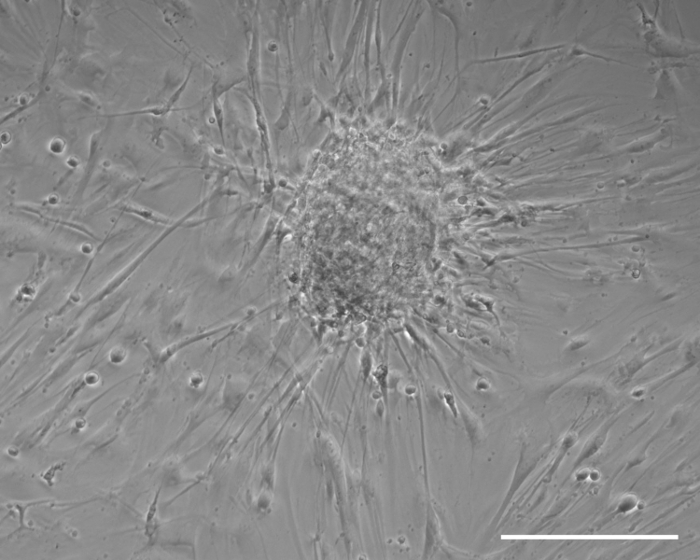
Figure 1: Bright-field Images of Primary Human Vestibular Schwannoma Cultures.
Typical patterns in the organization of VS cells in culture can be identified. Scale bar = 200 µm. Please click here to view a larger version of this figure.
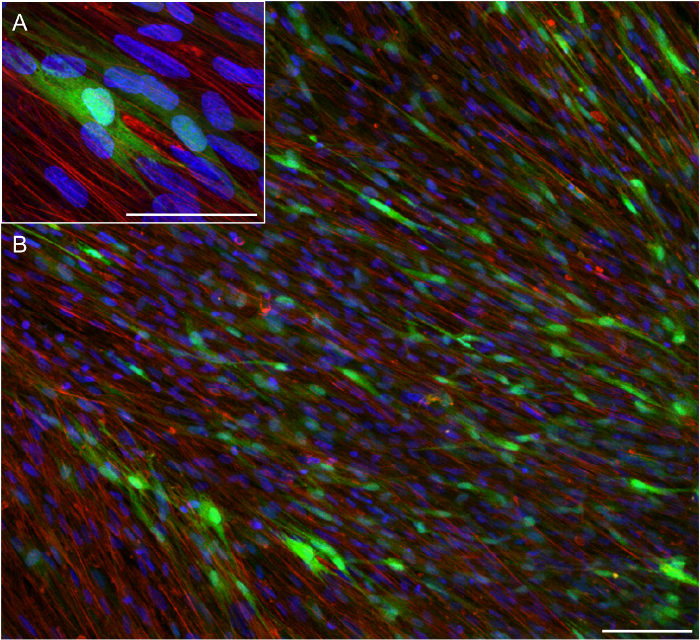
Figure 2: Representative Immunofluorescent Image of Primary Human Vestibular Schwannoma Cultures after Exposure to GFP-expressing Anc80 for 48 h at a Multiplicity of Infection (MOI) of 250,000.
Green = GFP; red = phalloidin/F-actin (stains the cytoskeleton); blue = DAPI (stains the nucleus). Scale bars = 50 µm (A) and 100 µm (B). Please click here to view a larger version of this figure.
Discussion
This manuscript describes a unified methodological framework for VS research, outlining the simultaneous processing of human VS and GAN specimens for downstream research applications. As VS research enters the age of precision medicine, preparing the same sample in forms capable of answering numerous research questions will enable the discovery of molecular, cellular, genetic, and proteomic insights specific to individual patients.
The purity of human Schwann cell and VS cultures were thoroughly assessed over time by means of immunocytochemistry, using the ratio of cells positive for the S100 marker to those positive for the DAPI nuclear stain19. Accordingly, it is recommended to perform experiments on primary human Schwann cell cultures within the first two weeks after plating the cells, as the purity of these cells is the highest during this period; afterwards, fibroblast-like cells begin to predominate. Though VS cell cultures are also maximally pure at two weeks in culture, VS cells lack contact-mediated inhibition and will continue to proliferate at later stages. Additionally, a direct microarray comparison of protein expression from VS tissue (section 4) and VS cells in culture from the same tumors (section 5) successfully showed that VS cultures demonstrate a satisfactorily high level of biological similarity to their respective parent tumors19. The successful quantification of proteins of interest can be performed via Western blot of protein lysates generated in section 4 and the quantification of RNA transcripts via qRT-PCR of RNA extracted from tissues preserved with RNA stabilization solution (section 2)12,13,14.
VS and GAN cells in culture can be exposed to chemically active substances, such as nonsteroidal anti-inflammatory drugs, small interfering RNAs (siRNAs), or natural organic compounds to elucidate disease-specific molecular mechanisms or to test a therapeutic target13,14,29. Compounds of interest can be directly added to cells in culture after appropriate dilutions in regular supplemented culture medium. To assess the effect of such substances on important aspects of cellular physiology, bromodeoxyuridine (BrdU) labeling for proliferation, terminal deoxynucleotidyl tranferase dUTP nick end labeling (TUNEL) for apoptosis, and 3-(4,5-dimethylthiazol-2-yl)-2,5-diphenyltetrazolium bromide (MTT) reduction for metabolic viability are reliable assays that can be used with confidence on these cells19. Culture medium from treated cells can also be carefully aspirated, stored at -20 °C, and tested to quantify relative levels of secreted substances, such as prostaglandin E2, the secretion of which can be affected by drug treatment13. Additionally, tissue fixation (section 7) and subsequent embedding in OCT or paraffin provides a robust substrate for immunofluorescence assays13,14.
The tumor- or nerve-conditioned medium generated in section 3 provides a simple and effective way to assess VS-secreted soluble molecules and to extract extracellular vesicles. Cytokine arrays or ELISAs can be carried out on these secretions, as indicated in the manufacturers' protocols, outlined in two published studies9,12. Extracellular vesicles can be purified from these secretions using ultracentrifugation, as detailed in a previous publication30. Alternatively, the secretions themselves can be used as patient-specific reagents for downstream research applications. For example, in an experiment that revealed a novel mechanism underlying VS-associated sensorineural hearing loss, secretions were collected from the VS tissue of patients with poor hearing and VS patients with good hearing after incubation in DMEM for 72 h (section 3). These tumor secretions were then applied to murine cochlear explants, and it was revealed that tumor secretions from VS patients with poor hearing caused more damage to cochlear explants than secretions from VS patients with good hearing15. Importantly, secretions collected at time points before 72 h did not result in substantial damage.
Human perilymph collected from patients undergoing translabyrinthine VS resection (section 8) represents an exciting new avenue for the discovery of VS biomarkers. Specimens collected according to section 8 were analyzed via liquid chromatography-tandem mass-spectrometry (LC-MS/MS) to map the proteome of human perilymph, and 15 candidate biomarkers of VS were successfully identified31. A similar analysis could be possible using human CSF collected from VS patients (section 9).
A significant consideration in VS research is the selection of appropriate control tissue. Previous studies have used the cochlear nerve, the vestibular nerve, and unrelated peripheral nerves (such as the sciatic nerve), to variable effect22,32. However, several reasons lead to the support of the use of GANs as maximally relevant controls15. Similar to the vestibular nerve, the GAN is a peripheral, sensory nerve with axons ensheathed by Schwann cells. Importantly, a literature search reveals that schwannomas have never been found to develop from the GAN, making neoplastic changes in this tissue improbable. Additionally, GANs are regularly sacrificed when accessing structures of the deeper neck, giving hospital-based researchers easy access to healthy specimens during routine neck dissections and parotidectomies. Although the cochlear nerve is often sacrificed during VS surgery and may be readily available, its close proximity to the vestibular nerves risks the sharing of the same microenvironment, which may demonstrate pre-tumorous molecular changes33. Other laboratories have also successfully utilized GANs as an adequate control for VS research, and it is recommended to continue this practice20,21,22,34.
One critical but often overlooked step within the cell type-specific culture protocols (sections 5 and 6) is the proper removal of non-viable tissue and blood vessels. Removal of these non-tumor tissues is crucial to generate robust cultures of maximal purity. Furthermore, when plating cell-containing culture medium onto coverslips, it is important to pay close attention to the amount of tissue transferred to each well. Achieving an even, mildly dense distribution of cells containing a few "chunks" of denser tissue in each well is particularly important for Schwann cells, which require a sufficient number of adherent cells to thrive. Coating the coverslips with poly-D-lysine and laminin also allows for the efficient growth of cells. Cells proliferate more robustly when the coverslips are coated in the laboratory, as compared to commercially available pre-coated products.
To ensure a high-quality protein and RNA extraction, verify that the tissue remains at temperatures below 4 °C throughout sections 2 and 4. Additionally, since the literature regarding the analysis of VS secretions is scarce (section 3), new projects might require further innovations and different lengths of incubation.
As methods to address VS pathobiology continue to advance, the use of this streamlined combination of fundamental techniques will allow the maximum amount of information to be gleaned from a single human sample. The informed simultaneous processing of VS and GAN tissues will prove integral to the generation of effective pharmacological and genetic therapies against this debilitating tumor.
Disclosures
The authors have nothing to disclose.
Acknowledgements
This work was supported by the National Institute of Deafness and Other Communication Disorders grants R01DC015824 (K.M.S.) and T32DC00038 (supporting J.E.S and S.D.), the Department of Defense grant W81XWH-14-1-0091 (K.M.S.), the Bertarelli Foundation (K.M.S.), the Nancy Sayles Day Foundation (K.M.S.), the Lauer Tinnitus Research Center (K.M.S.), and the Barnes Foundation (K.M.S.).
Materials
| Name | Company | Catalog Number | Comments |
|---|---|---|---|
| BioCoat Poly-D-Lysine/Laminin 12 mm #1 German Glass Coverslip | Corning | 354087 | Or prepare coverslips with Corning Laminin (CB-40232) and Cultrex Poly-L-Lysine (3438-100-01) |
| CELLSTAR 15 mL Centrifuge Tubes, Conical bottom, Graduation, Sterile | Greiner Bio-One | 188161 | |
| CELLSTAR 50 mL Centrifuge Tubes, Conical bottom, Graduation, Sterile | Greiner Bio-One | 227261 | |
| CELLSTAR Cell Culture Dish, 60 mm | Greiner Bio-One | 628160 | |
| Collagenase from Clostridium histolyticum, Sterile-filtered | Sigma-Aldrich | C1639 | |
| Costar 24 Well Clear TC-Treated Multiple Well Plates, Sterile | Corning | 3526 | |
| DAPI (4',6-Diamidino-2-Phenylindole, Dihydrochloride) | Thermo Fisher Scientific | D1306 | |
| DMEM, high glucose, pyruvate, no glutamine, 500 mL | Thermo Fisher Scientific | 10313-039 | |
| DMEM/F-12, 500 mL | Thermo Fisher Scientific | 11320-033 | |
| Dumont #3 Forceps, Dumoxel | Fine Science Tools | 11231-30 | Autoclave prior to use |
| Dumont #5 Forceps, Standard tip, Inox | Fine Science Tools | 11251-20 | Autoclave prior to use |
| Fetal Bovine Serum, qualified, USDA-approved regions, 500 mL | Thermo Fisher Scientific | 10437-028 | Aliquot in 50 mL tubes and store in -20°C freezer |
| Hyaluronidase from Bovine Testes, Type I-S, Lyophilized Powder | Sigma-Aldrich | H3506 | |
| Millex-GP Syringe Filter Unit, 0.22 µm, polyethersulfone, 33 mm, sterile | EMD Millipore | SLGP033RS | |
| Paraformaldehyde, Reagent Grade, Crystalline | Sigma-Aldrich | P6148 | Prior to use: Establish Standard Operating Procedures based on protocols available online |
| PBS, pH 7.4, 500 mL | Thermo Fisher Scientific | 10010-023 | Autoclave prior to use |
| Penicillin-Streptomycin (10,000 U/mL), 100 mL | Thermo Fisher Scientific | 15140-122 | |
| PhosSTOP Phosphatase Inhibitor Tablets | Roche | 04906845001 | |
| Pierce Protease Inhibitor Tablets | Thermo Fisher Scientific | 88666 | |
| Pipettes and pipette tips, 5/10/25 mL | Variable | Variable | |
| Plastic Homogenization Pestle for 1.5/2.0 mL Microtubes | E&K Scientific | EK-10539 | |
| PrecisionGlide Needles, 27 G x 1 1/2 in | BD | 301629 | |
| RIPA Buffer | Boston BioProducts | BP-115 | |
| RNAlater (RNA stabilization solution) | Thermo Fisher Scientific | AM7021 | |
| Safe-Lock Microcentrifuge Tubes, Polypropylene, 0.5 mL | Eppendorf | 022363719 | Autoclave prior to use |
| Safe-Lock Microcentrifuge Tubes, Polypropylene, 1.5 mL | Eppendorf | 022363204 | Autoclave prior to use |
| Saline - 0.9% Sodium Chloride Injection, bacteriostatic, 20 mL | Hospira | 0409-1966-05 | |
| Scalpel Blades - #15 | Fine Science Tools | 10015-00 | |
| Schuknecht Suction Tube 24 gauge | Bausch + Lomb | N1698 42 | Useful for the surgical approach (in addition to common otologic surgical instruments) and e.g. a blue surgical marker |
| Specimen Container, OR sterile, 4OZ | Medline | DYND30331H | |
| Stemi 2000-C Stereo Microscope | Zeiss | 000000-1106-133 | |
| Syringe/Needle Combination, Luer-Lok Tip, 5 mL, 22 G x 1 in. | BD | 309630 | |
| Tuberculin Syringe Only, Slip tip, 1 mL | BD | 309659 | |
| Tuberculin Syringe Only, Slip tip, 3 mL | BD | 309656 | |
| Ultrasonic homogenizer, 4710 Series, CV18 probe | Cole-Parmer | CP25013 |
References
- Babu, R., et al. Vestibular schwannomas in the modern era: epidemiology, treatment trends, and disparities in management. J Neurosurg. 119 (1), 121-130 (2013).
- Gal, T. J., Shinn, J., Huang, B. Current epidemiology and management trends in acoustic neuroma. Otolaryngol Head Neck Surg. 142 (5), 677-681 (2010).
- Propp, J. M., McCarthy, B. J., Davis, F. G., Preston-Martin, S. Descriptive epidemiology of vestibular schwannomas. Neuro Oncol. 8 (1), 1-11 (2006).
- Stangerup, S. E., Tos, M., Thomsen, J., Caye-Thomasen, P. True incidence of vestibular schwannoma? Neurosurgery. 67 (5), 1335-1340 (2010).
- Tos, M., Stangerup, S. E., Caye-Thomasen, P., Tos, T., Thomsen, J. What is the real incidence of vestibular schwannoma? Arch Otolaryngol Head Neck Surg. 130 (2), 216-220 (2004).
- Stangerup, S. E., Caye-Thomasen, P. Epidemiology and natural history of vestibular schwannomas. Otolaryngol Clin North Am. 45 (2), 257-268 (2012).
- Mahaley, M. S., Mettlin, C., Natarajan, N., Laws, E. R., Peace, B. B. Analysis of patterns of care of brain tumor patients in the United States: a study of the Brain Tumor Section of the AANS and the CNS and the Commission on Cancer of the ACS. Clin Neurosurg. 36, 347-352 (1990).
- Carlson, M. L., Link, M. J., Wanna, G. B., Driscoll, C. L. Management of sporadic vestibular schwannoma. Otolaryngol Clin North Am. 48 (3), 407-422 (2015).
- Dilwali, S., et al. Sporadic vestibular schwannomas associated with good hearing secrete higher levels of fibroblast growth factor 2 than those associated with poor hearing irrespective of tumor size. Otol Neurotol. 34 (4), 748-754 (2013).
- Caye-Thomasen, P., et al. VEGF and VEGF receptor-1 concentration in vestibular schwannoma homogenates correlates to tumor growth rate. Otol Neurotol. 26 (1), 98-101 (2005).
- Koutsimpelas, D., et al. The VEGF/VEGF-R axis in sporadic vestibular schwannomas correlates with irradiation and disease recurrence. ORL J Otorhinolaryngol Relat Spec. 74 (6), 330-338 (2012).
- Dilwali, S., Roberts, D., Stankovic, K. M. Interplay between VEGF-A and cMET signaling in human vestibular schwannomas and schwann cells. Cancer Biol Ther. 16 (1), 170-175 (2015).
- Dilwali, S., Kao, S. Y., Fujita, T., Landegger, L. D., Stankovic, K. M. Nonsteroidal anti-inflammatory medications are cytostatic against human vestibular schwannomas. Transl Res. 166 (1), 1-11 (2015).
- Dilwali, S., et al. Preclinical validation of anti-nuclear factor-kappa B therapy to inhibit human vestibular schwannoma growth. Mol Oncol. 9 (7), 1359-1370 (2015).
- Dilwali, S., Landegger, L. D., Soares, V. Y., Deschler, D. G., Stankovic, K. M. Secreted Factors from Human Vestibular Schwannomas Can Cause Cochlear Damage. Sci Rep. 5, 18599(2015).
- Blakeley, J. Development of drug treatments for neurofibromatosis type 2-associated vestibular schwannoma. Curr Opin Otolaryngol Head Neck Surg. 20 (5), 372-379 (2012).
- Schroeder, R. D., Angelo, L. S., Kurzrock, R. NF2/merlin in hereditary neurofibromatosis 2 versus cancer: biologic mechanisms and clinical associations. Oncotarget. 5 (1), 67-77 (2014).
- Schularick, N. M., Clark, J. J., Hansen, M. R. Primary culture of human vestibular schwannomas. J Vis Exp. (89), (2014).
- Dilwali, S., et al. Primary culture of human Schwann and schwannoma cells: improved and simplified protocol. Hear Res. , 25-33 (2014).
- Brown, C. M., Ahmad, Z. K., Ryan, A. F., Doherty, J. K. Estrogen receptor expression in sporadic vestibular schwannomas. Otol Neurotol. 32 (1), 158-162 (2011).
- Cioffi, J. A., et al. MicroRNA-21 overexpression contributes to vestibular schwannoma cell proliferation and survival. Otol Neurotol. 31 (9), 1455-1462 (2010).
- Doherty, J. K., Ongkeko, W., Crawley, B., Andalibi, A., Ryan, A. F. ErbB and Nrg: potential molecular targets for vestibular schwannoma pharmacotherapy. Otol Neurotol. 29 (1), 50-57 (2008).
- Aguiar, P. H., Tatagiba, M., Samii, M., Dankoweit-Timpe, E., Ostertag, H. The comparison between the growth fraction of bilateral vestibular schwannomas in neurofibromatosis 2 (NF2) and unilateral vestibular schwannomas using the monoclonal antibody MIB 1. Acta Neurochir (Wien). 134 (1-2), 40-45 (1995).
- Cattoretti, G., et al. Monoclonal antibodies against recombinant parts of the Ki-67 antigen (MIB 1 and MIB 3) detect proliferating cells in microwave-processed formalin-fixed paraffin sections. J Pathol. 168 (4), 357-363 (1992).
- Hung, G., et al. Immunohistochemistry study of human vestibular nerve schwannoma differentiation. Glia. 38 (4), 363-370 (2002).
- Archibald, D. J., et al. B7-H1 expression in vestibular schwannomas. Otol Neurotol. 31 (6), 991-997 (2010).
- Landegger, L. D., et al. A synthetic AAV vector enables safe and efficient gene transfer to the mammalian inner ear. Nat Biotechnol. 35 (3), 280-284 (2017).
- Zinn, E., et al. In Silico Reconstruction of the Viral Evolutionary Lineage Yields a Potent Gene Therapy Vector. Cell Rep. 12 (6), 1056-1068 (2015).
- Kim, B. G., et al. Sulforaphane, a natural component of broccoli, inhibits vestibular schwannoma growth in vitro and in vivo. Sci Rep. 6, 36215(2016).
- Soares, V. Y., et al. Extracellular vesicles derived from human vestibular schwannomas associated with poor hearing damage cochlear cells. Neuro Oncol. 18 (11), 1498-1507 (2016).
- Lysaght, A. C., et al. Proteome of human perilymph. J Proteome Res. 10 (9), 3845-3851 (2011).
- Caye-Thomasen, P., Borup, R., Stangerup, S. E., Thomsen, J., Nielsen, F. C. Deregulated genes in sporadic vestibular schwannomas. Otol Neurotol. 31 (2), 256-266 (2010).
- Schulz, A., et al. The importance of nerve microenvironment for schwannoma development. Acta Neuropathol. 132 (2), 289-307 (2016).
- Torres-Martin, M., et al. Global profiling in vestibular schwannomas shows critical deregulation of microRNAs and upregulation in those included in chromosomal region 14q32. PLoS One. 8 (6), e65868(2013).
Reprints and Permissions
