This protocol describes a dynamic culture system to produce controlled size aggregates of human pluripotent stem cells and further stimulate differentiation in cerebellar organoids under chemically-defined and feeder-free conditions using a single-use bioreactor.
A subscription to JoVE is required to view this content. Sign in or start your free trial.
Method Article
Scalable Generation of Mature Cerebellar Organoids from Human Pluripotent Stem Cells and Characterization by Immunostaining
In This Article
Summary
Abstract
The cerebellum plays a critical role in the maintenance of balance and motor coordination, and a functional defect in different cerebellar neurons can trigger cerebellar dysfunction. Most of the current knowledge about disease-related neuronal phenotypes is based on postmortem tissues, which makes understanding of disease progression and development difficult. Animal models and immortalized cell lines have also been used as models for neurodegenerative disorders. However, they do not fully recapitulate human disease. Human induced pluripotent stem cells (iPSCs) have great potential for disease modeling and provide a valuable source for regenerative approaches. In recent years, the generation of cerebral organoids from patient-derived iPSCs improved the prospects for neurodegenerative disease modeling. However, protocols that produce large numbers of organoids and a high yield of mature neurons in 3D culture systems are lacking. The protocol presented is a new approach for reproducible and scalable generation of human iPSC-derived organoids under chemically-defined conditions using scalable single-use bioreactors, in which organoids acquire cerebellar identity. The generated organoids are characterized by the expression of specific markers at both mRNA and protein level. The analysis of specific groups of proteins allows the detection of different cerebellar cell populations, whose localization is important for the evaluation of organoid structure. Organoid cryosectioning and further immunostaining of organoid slices are used to evaluate the presence of specific cerebellar cell populations and their spatial organization.
Introduction
The emergence of human pluripotent stem cells (PSCs) represents a excellent tool for regenerative medicine and disease modeling, because these cells can be differentiated into most cell lineages of the human body1,2. Since their discovery, PSC differentiation using diverse approaches has been reported to model different diseases, including neurodegenerative disorders3,4,5,6.
Recently, there have been reports of 3D cultures derived from PSCs resembling human cerebral structures; these are called brain organoids3,7,8. The generation of these structures from both healthy and patient-specific PSCs provides a valuable opportunity to model human development and neurodevelopmental disorders. However, the methods used to generate these well-organized cerebral structures are difficult to apply for their large-scale production. To produce structures that are large enough to recapitulate tissue morphogenesis without necrosis inside the organoids, protocols rely on the initial neural commitment in static conditions, followed by encapsulation in hydrogels and subsequent culture in dynamic systems3. However, such approaches may limit the potential scale-up of organoid production. Even though efforts have been made to direct PSC differentiation to specific regions of the central nervous system, including cortical, striatal, midbrain, and spinal cord neurons9,10,11,12, the generation of specific brain regions in dynamic conditions is still a challenge. In particular, the generation of mature cerebellar neurons in 3D structures has yet to be described. Muguruma et al. pioneered the generation of culture conditions that recapitulate early cerebellar development13 and recently reported a protocol that allows for human embryonic stem cells to generate a polarized structure reminiscent of the first trimester cerebellum7. However, the maturation of cerebellar neurons in the reported studies requires the dissociation of the organoids, sorting of cerebellar progenitors, and coculture with feeder cells in a monolayer culture system7,14,15,16. Therefore, the reproducible generation of the desired cerebellar organoids for disease modeling under defined conditions is still a challenge associated with culture and feeder source variability.
This protocol presents optimal culture conditions for 3D expansion and efficient differentiation of human PSCs into cerebellar neurons using single-use vertical wheel bioreactors (see Table of Materials for specifications), hereafter called bioreactors. Bioreactors are equipped with a large vertical impeller, which in combination with a U-shaped bottom, provide a more homogeneous shear distribution inside the vessel, allowing gentle, uniform mixing and particle suspension with reduced agitation speeds17. With this system, shape and size-controlled cell aggregates can be obtained, which is important for a more homogeneous and efficient differentiation. Moreover, a larger number of iPSC-derived organoids can be generated in a less laborious manner.
The main feature of the organoids, which are 3D multicellular structures usually formed from stem cells, is the self-organization of different cell types that forms specific shapes like those seen in human morphogenesis18,19,20. Therefore, organoid morphology is an important criterion to be evaluated during the differentiation process. Cryosectioning of organoids and further immunostaining of organoid slices with a specific set of antibodies allow for the spatial visualization of molecular markers to analyze cell proliferation, differentiation, cell population identity, and apoptosis. With this protocol, by immunostaining organoid cryosections, an initial efficient neural commitment is observed by the 7th day of differentiation. During differentiation, several cell populations with cerebellar identity are observed. After 35 days in this dynamic system, the cerebellar neuroepithelium organizes along an apicobasal axis, with an apical layer of proliferating progenitors and basally located postmitotic neurons. During the maturation process, from days 35–90 of differentiation, distinct types of cerebellar neurons can be seen, including Purkinje cells (Calbindin+), granule cells (PAX6+/MAP2+), Golgi cells (Neurogranin+), unipolar brush cells (TBR2+), and deep cerebellar nuclei projection neurons (TBR1+). Also, a nonsignificant amount of cell death is observed in the generated cerebellar organoids after 90 days in culture.
In this system, human iPSC-derived organoids mature into different cerebellar neurons and survive for up to 3 months without the need for dissociation and feeder coculture, providing a source of human cerebellar neurons for disease modeling.
Access restricted. Please log in or start a trial to view this content.
Protocol
1. Passaging and maintenance of human iPSCs in monolayer culture
- Preparation of plates
- Thaw the basement membrane matrix (see Table of Materials) stock at 4 °C and prepare 60 μL aliquots. Freeze the aliquots at -20 °C.
- To coat the wells of a 6 well plate, thaw one aliquot of the basement membrane matrix on ice. Once thawed add 60 µL to 6 mL of DMEM-F12. Gently resuspend by pipetting up and down.
- Add 1 mL of diluted basement membrane matrix solution to each well of a 6 well plate and incubate at RT for at least 1 h before passaging or store at 4 °C for up to 1 week.
- Passaging of iPSC colonies with EDTA
- Maintain iPSCs in monolayer culture in 6 well plates in the incubator at 37 °C, 95% humidity, and 5% CO2.
NOTE: In this protocol, three distinct human iPSC lines were used: F002.1A.1321, human episomal iPSC line (iPSC6.2)22, and commercially obtained iPS-DF6-9-9T.B (see Table of Materials). - Before passaging, incubate the stored plates (step 1.1) at room temperature (RT) for 15 min and prepare the mTesR1 medium (Table 1).
- Aspirate the solution from the plate using a serological pipette and immediately add 0.5 mL of mTeSR1 medium to each well.
- Aspirate the spent medium from the well containing iPSCs and wash once using 1 mL of 0.5 mM EDTA per well.
- Add 1 mL of 0.5 mM EDTA to each well and incubate at RT for 5 min.
- Aspirate EDTA and remove the cells from the wells by gently adding mTeSR1 medium and pipetting the colonies using a P1000 micropipette. Collect the cells in a conical tube.
NOTE: Do not pipette cells up and down more than 3x. - Add 1 mL of cell suspension (diluted 1:4) to each well so that each well contains 1.5 mL of medium after the cell suspension is added. Return cells to the incubator at 5% CO2, 37 °C.
- Replace the spent medium daily and passage every 3 days when 75%–80% confluence is achieved.
- Maintain iPSCs in monolayer culture in 6 well plates in the incubator at 37 °C, 95% humidity, and 5% CO2.
2. Seeding of human iPSCs in the bioreactor
- Incubate iPSCs grown as monolayers in mTeSR1 supplemented with 10 µM of ROCK inhibitor Y-27632 (ROCKi). Add 1 mL of supplemented medium to each well from a 6 well tissue culture plate and incubate for 1 h at 37 °C, 95% humidity, and 5% CO2.
NOTE: ROCKi is used to protect dissociated iPSCs from apoptosis23. - After 1 h of incubation, aspirate the spent medium from each well and wash 1x with 1 mL of 1× PBS per well.
- Add 1 mL of the cell detachment medium (see Table of Materials) to each well of a 6 well plate and incubate at 37 °C for 7 min until cells detach easily from the wells with gentle shaking.
- Pipette the cell detachment medium up and down with a P1000 micropipette until the cells detach and dissociate into single cells. Add 2 mL of complete cell culture medium to each well to inactivate enzymatic digestion and pipette the cells gently into a sterile conical tube.
- Centrifuge at 210 × g for 3 min and remove the supernatant.
- Resuspend the cell pellet in culture medium (i.e., mTeSR1 supplemented with 10 µM of ROCKi) and count the iPSCs with a hemocytometer using trypan blue dye.
- Seed 15 × 106 single cells in the bioreactor (maximum volume of 100 mL) with 60 mL of mTeSR1 supplemented with 10 µM of ROCKi at a final cell density of 250,000 cells/mL.
- Insert the vessel containing the iPSCs in the universal base unit placed in the incubator at 37 °C, 95% humidity, and 5% CO2.
NOTE: The bioreactor stirring is maintained for 24 h by setting the universal base unit control to 27 rpm to promote iPSC aggregation.
3. Differentiation and maturation of human iPSC-derived aggregates in cerebellar organoids
- Define the day of single cell seeding as day 0.
- On day 1, collect 1 mL of the iPSC aggregates sample using a serological pipette. Maintain the bioreactor under agitation as before by placing the universal base unit with the bioreactor containing the aggregates in a sterile flow prior to collecting the sample. Plate the cell suspension in an ultra-low attachment 24 well plate. Check that iPSC-derived aggregates are formed.
- Acquire images with an optical microscope using a total magnification of 40x or 100x to measure aggregate diameter.
- Measure the area of the aggregates in each image using FIJI software.
- Select “Analyze | Set Measurements” from the menu bar and click on “Area” and “OK”.
- Select “File | Open” from the menu bar to open a stored image file. Select the line selection tool presented in the tool bar and create a straight line over the scale bar presented in the image. Select “Analyze | Set scale” from the menu bar.
- In “Known distance” add the expanse of the image's scale bar in µm. Define the “Unit of length” as µm. Click on “Global” to maintain the settings and “OK”. Select Oval Selection in the tool bar.
- For each aggregate delineate the area with the oval tool. Select “Analyze | Measure”. Calculate their diameter based on measured area, considering that aggregates are approximately spherical using
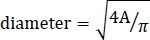
with A as the area of the aggregate.
- When the average diameter of the aggregates is 100 µm, replace 80% of the spent medium with fresh mTeSR1 without ROCKi. When aggregates reach 200–250 μm in diameter, replace all the spent medium with gfCDM (Table 1), letting the organoids settle at the bottom of the bioreactor.
NOTE: If the average aggregate diameter exceeds 350 μm do not start the differentiation protocol. Repeat the seeding of single cells. Generally, it takes around 1 day for the aggregate to reach an average diameter of 100 µm. - Insert the bioreactor containing the aggregates in the universal base unit placed in the incubator at 37 °C, 95% humidity, and 5% CO2.
- Decrease the bioreactor agitation to 25 rpm.
- On day 2, repeat steps 3.2, 3.3, and 3.4 to evaluate the aggregate diameter. Add 30 μL of FGF2 (final concentration, 50 ng/mL) and 60 μL of SB431542 (final concentration, 10 μM) to 60 mL of gfCDM differentiation medium (Table 1). Replace all spent medium from the bioreactor with the supplemented gfCDM. Repeat step 3.6.
NOTE: SB431542 is crucial to inhibit mesendodermal differentiation, inducing neural differentiation24. FGF2 is used to promote the caudalization of the neuroepithelial tissue25. - On day 5, repeat steps 3.2, 3.3, 3.4, and 3.8.
NOTE: Aggregate size should increase during the differentiation protocol. However, the diameter is only critical when the differentiation starts, because this parameter could influence the efficacy of differentiation. - On day 7, repeat steps 3.2, 3.3, and 3.4. Dilute FGF2 and SB431542 to 2/3: Add 20 μL of FGF2 and 40 μL of SB431542 to 60 mL of gfCDM differentiation medium. Replace all spent medium from the bioreactor with supplemented gfCDM. Repeat step 3.6 and increase bioreactor agitation to 30 rpm.
- On day 14, repeat steps 3.2, 3.3, and 3.4. Add 60 μL of FGF19 (final concentration, 100 ng/mL) to 60 mL of gfCDM differentiation medium. Replace all spent medium from the bioreactor with gfCDM supplemented with FGF19. Repeat step 3.6.
NOTE: FGF19 is used to promote polarization of mid-hindbrain structures26. - On day 18, repeat steps 3.2, 3.3, 3.4, and 3.11.
- On day 21, repeat steps 3.2, 3.3, and 3.4. Replace all spent medium from the bioreactor with complete neurobasal medium (Table 1). Repeat step 3.6.
NOTE: Neurobasal medium is a basal medium used to maintain the neuronal cell population within the organoid7. - On day 28, repeat steps 3.2, 3.3, and 3.4. Add 180 μL of SDF1 (final concentration, 300 ng/mL) to 60 mL of complete neurobasal medium. Replace all spent medium from the bioreactor with complete neurobasal medium supplemented with SDF1. Repeat step 3.6.
NOTE: SDF1 is used to facilitate the organization of distinct cell layers27. - On day 35, repeat steps 3.2, 3.3, and 3.4. Replace all spent medium from the bioreactor with complete BrainPhys medium (Table 1). Repeat step 3.6.
NOTE: BrainPhys is a neuronal medium that supports synaptically active neurons28. - Replace 1/3 of the total volume every 3 days with complete BrainPhys medium until day 90 of differentiation.
4. Preparation of organoids for cryosectioning and immunohistochemistry
- Collection of organoids for immunostaining
- Collect 1 mL of sample of medium containing organoids with a serological pipette from the bioreactor to a 15 mL conical tube.
NOTE: Organoids should be collected at different timepoints to evaluate the efficacy of differentiation, including days 7, 14, 21, 35, 56, 70, 80, and 90. - Remove the supernatant and wash once with 1 mL of 1× PBS.
NOTE: Do not centrifuge the organoids. Let the organoids settle at the bottom of the tube by gravity. - Remove the supernatant and add 1 mL of 4% paraformaldehyde (PFA). Incubate at 4 °C for 30 min. Remove the spent PFA and add 1 mL of 1× PBS.
- Store the organoids in 1 mL of 1× PBS at 4 °C until processing for cryosectioning.
NOTE: Store the organoids in 1x PBS for no more than 1 week after fixation.
- Collect 1 mL of sample of medium containing organoids with a serological pipette from the bioreactor to a 15 mL conical tube.
- Preparation of organoids for cryosectioning
- Remove the supernatant from the stored organoids. Add 1 mL of 15% sucrose (w/v, diluted in 1× PBS), mix well by gentle swirling, and incubate overnight at 4 °C.
- Prepare a solution of 15% sucrose/7.5% gelatin (Table 2) and maintain at 37 °C during preparation to avoid gelatin to solidify.
- Remove the 15% sucrose solution, add 1 mL of 15% sucrose/7.5% gelatin to the organoids, and quickly mix by gentle swirling. Incubate at 37 °C for 1 h.
- Add 15% sucrose/7.5% gelatin solution to a plastic container up to half of its volume. Wait for solidification at RT.
- After a 1 h incubation, carefully place a sucrose/gelatin drop containing the organoids on the solidified gelatin with a Pasteur pipette. Leave to solidify at RT for about 15 min. Make sure to avoid bubble formation.
- Place 15% sucrose/7.5% gelatin on top of the organoids until the container is filled. Wait for complete solidification at RT.
- After solidification, incubate 20 min at 4 °C.
- Cut the gelatin into a cube containing the organoids in the center and fix the gelatin cube on a piece of cardboard with a drop of O.C.T. compound.
- Place 250 mL of isopentane in a 500 mL cup and fill an appropriate container with liquid nitrogen. Using forceps and thick gloves, carefully place the cup containing isopentane on the surface of liquid nitrogen and cool the isopentane to -80 °C.
- When -80 °C is reached, place the gelatin cube into the cup containing isopentane until it freezes, keeping the temperature at -80 °C. Depending on the size of the cube, it might take 1–2 min.
NOTE: Avoid temperatures below -80 °C or excessive freezing time, because it might cause cracking of the cube. - When frozen, quickly store the gelatin cube at -80 °C and store until cryosectioning.
- Cryosectioning of organoids
- Turn on the cryostat and define both specimen (OT) and cryochamber (CT) temperatures at -25 °C.
- When both temperatures stabilize, fix the gelatin cube containing the organoids on the specimen by using O.C.T. compound.
- Define section thickness at 12 µm.
- Cut the cube and collect 3–4 slices on adhesion microscope slides (see Table of Materials).
- Store at -20 °C until use.
- Immunostaining of organoids slices
- Place the microscope slides containing organoid sections in a copling jar with 50 mL of prewarmed 1x PBS, holding up to 10 slides back-to-back.
NOTE: All organoid sections should be submerged with liquid. - Incubate for 45 min at 37 °C to degelatinize slides.
- Wash 1x with 50 mL of 1× PBS for 5 min at RT: Transfer the slides to a copling jar containing fresh 1× PBS.
- Transfer the slides to a copling jar containing 50 mL of freshly prepared glycine (Table 2) and incubate for 10 min at RT.
- Transfer the slides to a copling jar containing 50 mL of 0.1% triton (Table 2) and permeabilize for 10 min at RT.
- Wash with 1× PBS for 5 min 2x.
- Prepare the immunostaining dish with 3 mm paper soaked in 1× PBS. Dry slides with a tissue all around the slices and place them onto 3 mm paper. With a Pasteur pipette, cover the whole surface of the slides with blocking solution (Table 2) with ~0.5 mL per slide. Incubate for 30 min at RT.
- Remove excess blocking solution and dry the slides with a tissue all around the slices. Place 50 µL of the primary antibody (Table 3) diluted in blocking solution over the sections and cover with the coverslips. Place the slices in a previously prepared immunostaining dish. Incubate overnight at 4 °C.
- Transfer the slides to a copling jar with 50 mL of TBST (Table 2), let the coverslips fall, and wash with TBST for 5 min 3x.
- Place 50 µL of the secondary antibody diluted in blocking solution over the sections and cover with the coverslips. Place the slices in the previously prepared immunostaining dish. Incubate for 30 min at RT, protected from light.
- Transfer the slides to a copling jar again and wash with 50 mL of TBST for 5 min 3x.
- Dry the slides with a tissue all around the slices and place the slices in a previously prepared immunostaining dish. Add 0.5 mL of DAPI solution over the whole surface of the slides with a Pasteur pipette. Incubate for 5 min at RT.
- Repeat step 4.4.9.
- Carefully dry the slides with a tissue. Add 50 µL of mounting medium drop by drop along the slide and then carefully lower a coverslip onto each slide, slightly bending it to avoid bubbles.
- Place the microscope slides containing organoid sections in a copling jar with 50 mL of prewarmed 1x PBS, holding up to 10 slides back-to-back.
Access restricted. Please log in or start a trial to view this content.
Results
The protocol was initiated by promoting cell aggregation using the 0.1 L bioreactors (Figure 1A). Single cell inoculation of the iPSCs was performed, with 250,000 cells/mL seeded in 60 mL of medium with an agitation speed of 27 rpm. This was defined as day 0. After 24 h, the cells efficiently formed spheroid-shaped aggregates (day 1, Figure 1B), and the morphology was well-maintained until day 5, with a gradual increase in size, demonstrating a high degree of ho...
Access restricted. Please log in or start a trial to view this content.
Discussion
The need for large cell numbers as well as defined culture conditions to generate specific cell types for drug screening and regenerative medicine applications has been driving the development of scalable culture systems. In recent years, several groups have reported the scalable generation of neural progenitors and functional neurons32,33,34, providing significant advances in the development of new models for neurodegenerative ...
Access restricted. Please log in or start a trial to view this content.
Disclosures
Authors YH and SJ are employees of PBS Biotech. The author BL is CEO and co-founder of PBS Biotech, Inc. These collaborating authors participated in the development of the bioreactors used in the manuscript. This does not alter the authors’ adherence to all the policies of the journal on sharing data and materials. All other authors declare no conflict of interest.
Acknowledgements
This work was supported by Fundação para a Ciência e a Tecnologia (FCT), Portugal (UIDB/04565/2020 through Programa Operacional Regional de Lisboa 2020, Project N. 007317, PD/BD/105773/2014 to T.P.S and PD/BD/128376/2017 to D.E.S.N.), projects co-funded by FEDER (POR Lisboa 2020—Programa Operacional Regional de Lisboa PORTUGAL 2020) and FCT through grant PAC-PRECISE LISBOA-01-0145-FEDER-016394 and CEREBEX Generation of Cerebellar Organoids for Ataxia Research grant LISBOA-01-0145-FEDER-029298. Funding was also received from the European Union's Horizon 2020 Research and Innovation Programme, under the Grant Agreement number 739572—The Discoveries Centre for Regenerative and Precision Medicine H2020-WIDESPREAD-01-2016-2017.
Access restricted. Please log in or start a trial to view this content.
Materials
| Name | Company | Catalog Number | Comments |
|---|---|---|---|
| 3MM paper | WHA3030861 | Merck | |
| Accutase | A6964 - 500mL | Sigma | cell detachment medium |
| Anti-BARHL1 Antibody | HPA004809 | Atlas Antibodies | |
| Anti-Calbindin D-28k Antibody | CB28 | Millipore | |
| Anti-MAP2 Antibody | M4403 | Sigma | |
| Anti-N-Cadherin Antibody | 610921 | BD Transduction | |
| Anti-NESTIN Antibody | MAB1259-SP | R&D | |
| Anti-OLIG2 Antibody | MABN50 | Millipore | |
| Anti-PAX6 Antibody | PRB-278P | Covance | |
| Anti-SOX2 Antibody | MAB2018 | R&D | |
| Anti-TBR1 Antibody | AB2261 | Millipore | |
| Anti-TBR2 Antibody | ab183991 | Abcam | |
| Anti-TUJ1 Antibody | 801213 | Biolegend | |
| Apo-transferrin | T1147 | Sigma | |
| BrainPhys Neuronal Medium N2-A & SM1 Kit | 5793 - 500mL | Stem cell tecnhnologies | |
| Chemically defined lipid concentrate | 11905031 | ThermoFisher | |
| Coverslips 24x60mm | 631-1575 | VWR | |
| Crystallization-purified BSA | 5470 | Sigma | |
| DAPI | 10236276001 | Sigma | |
| Dibutyryl cAMP | SC- 201567B -500mg | Frilabo | |
| DMEM-F12 | 32500-035 | ThermoFisher | |
| Fetal bovine serum | A3840001 | ThermoFisher | |
| Gelatin from bovine skin | G9391 | Sigma | |
| Glass Copling Jar | E94 | ThermoFisher | |
| Glutamax I | 10566-016 | ThermoFisher | |
| Glycine | MB014001 | NZYtech | |
| Ham’s F12 | 21765029 | ThermoFisher | |
| Human Episomal iPSC Line | A18945 | ThermoFisher | iPSC6.2 |
| IMDM | 12440046 | ThermoFisher | |
| Insulin | 91077C | Sigma | |
| iPS DF6-9-9T.B | WiCell | ||
| Iso-pentane | PHR1661-2ML | Sigma | |
| L-Ascorbic acid | A-92902 | Sigma | |
| Matrigel | 354230 | Corning | basement membrane matrix |
| Monothioglycerol | M6154 | Sigma | |
| Mowiol | 475904 | Millipore | mounting medium |
| mTeSR1 | 85850 -500ml | Stem cell technologies | |
| N2 supplement | 17502048 | ThermoFisher | |
| Neurobasal | 12348017 | ThermoFisher | |
| Paraformaldehyde | 158127 | Sigma | |
| PBS-0.1 Single-Use Vessel | SKU: IA-0.1-D-001 | PBS Biotech | |
| PBS-MINI MagDrive Base Unit | SKU: IA-UNI-B-501 | PBS Biotech | |
| Recombinant human BDNF | 450-02 | Peprotech | |
| Recombinant human bFGF/FGF2 | 100-18B | Peprotech | |
| Recombinant human FGF19 | 100-32 | Peprotech | |
| Recombinant human GDNF | 450-10 | Peprotech | |
| Recombinant human SDF1 | 300-28A | Peprotech | |
| ROCK inhibitor Y-27632 | 72302 | Stem cell technologies | |
| SB431542 | S4317 | Sigma | |
| Sucrose | S7903 | Sigma | |
| SuperFrost Microscope slides | 12372098 | ThermoFisher | adhesion microscope slides |
| Tissue-Tek O.C.T. Compound | 25608-930 | VWR | |
| Tris-HCL 1M | T3038-1L | Sigma | |
| Triton X-100 | 9002-93-1 | Sigma | |
| Tween-20 | P1379 | Sigma | |
| UltraPure 0.5M EDTA, pH 8.0 | 15575020 | ThermoFisher |
References
- Takahashi, K., et al. Induction of Pluripotent Stem Cells from Adult Human Fibroblasts by Defined Factors. Cell. 131 (5), 861-872 (2007).
- Thomson, J. A. Embryonic Stem Cell Lines Derived from Human Blastocysts. Science. 282 (5391), 1145-1147 (1998).
- Lancaster, M. A., et al. Cerebral organoids model human brain development and microcephaly. Nature. 501 (7467), 373-379 (2013).
- Ishida, Y., et al. Vulnerability of Purkinje Cells Generated from Spinocerebellar Ataxia Type 6 Patient-Derived iPSCs. Cell Reports. 17 (6), 1482-1490 (2016).
- Liu, Y., Zhang, S. C. Human stem cells as a model of motoneuron development and diseases. Annals of the New York Academy of Sciences. 1198, 192-200 (2010).
- Mariani, J., Coppola, G., Pelphrey, K. A., Howe, J. R., Vaccarino, F. M. FOXG1-Dependent Dysregulation of GABA/ Glutamate Neuron Differentiation in Autism Spectrum Disorders. Cell. 162 (2), 375-390 (2015).
- Muguruma, K., Nishiyama, A., Kawakami, H., Hashimoto, K., Sasai, Y. Self-Organization of Polarized Cerebellar Tissue in 3D Culture of Human Pluripotent Stem Cells. Cell Reports. 10 (4), 537-550 (2015).
- Qian, X., et al. Generation of human brain region-specific organoids using a miniaturized spinning bioreactor. Nature Protocols. 13 (3), 565-580 (2018).
- Aubry, L., et al. Striatal progenitors derived from human ES cells mature into DARPP32 neurons in vitro and in quinolinic acid-lesioned rats. Proceedings of the National Academy of Sciences. 105 (43), 16707-16712 (2008).
- Gunhanlar, N., et al. A simplified protocol for differentiation of electrophysiologically mature neuronal networks from human induced pluripotent stem cells. Molecular Psychiatry. 23 (5), 1336-1344 (2018).
- Hu, B. Y., Zhang, S. C. Differentiation of spinal motor neurons from pluripotent human stem cells. Nature Protocols. 4 (9), 1295-1304 (2009).
- Jo, J., et al. Midbrain-like Organoids from Human Pluripotent Stem Cells Contain Functional Dopaminergic and Neuromelanin-Producing Neurons. Cell Stem Cell. 19 (2), 248-257 (2016).
- Muguruma, K., et al. Ontogeny-recapitulating generation and tissue integration of ES cell-derived Purkinje cells. Nature Neurosciences. 13 (10), 1171-1180 (2010).
- Watson, L. M., Wong, M. M. K., Vowles, J., Cowley, S. A., Becker, E. B. E. A Simplified Method for Generating Purkinje Cells from Human-Induced Pluripotent Stem Cells. The Cerebellum. 17 (4), 419-427 (2018).
- Wang, S., et al. Differentiation of human induced pluripotent stem cells to mature functional Purkinje neurons. Science Reports. 5, 9232(2015).
- Tao, O., et al. Efficient generation of mature cerebellar Purkinje cells from mouse embryonic stem cells. Journal of Neuroscience Research. 88 (2), 234-247 (2010).
- Croughan, M. S., Giroux, D., Fang, D., Lee, B. Novel Single-Use Bioreactors for Scale-Up of Anchorage-Dependent Cell Manufacturing for Cell Therapies. Stem Cell Manufacturing. , 105-139 (2016).
- Simunovic, M., Brivanlou, A. H. Embryoids, organoids and gastruloids: new approaches to understanding embryogenesis. Development. 144 (6), 976-985 (2017).
- Lou, Y. R., Leung, A. W. Next generation organoids for biomedical research and applications. Biotechnology Advances. 36 (1), 132-149 (2018).
- Silva, T. P., et al. Design Principles for Pluripotent Stem Cell-Derived Organoid Engineering. Stem Cells International. 2019, 1-17 (2019).
- Silva, T. P., et al. Maturation of human pluripotent stem cell-derived cerebellar neurons in the absence of co-culture. Frontiers of Bioengineering and Biotechnology. , (2020).
- Burridge, P. W., et al. A universal system for highly efficient cardiac differentiation of human induced pluripotent stem cells that eliminates interline variability. PLoS One. 6 (4), 18293(2011).
- Watanabe, K., et al. A ROCK inhibitor permits survival of dissociated human embryonic stem cells. Nature Biotechnology. 25 (6), 681-686 (2007).
- Smith, J. R., et al. Inhibition of Activin/Nodal signaling promotes specification of human embryonic stem cells into neuroectoderm. Developmental Biology. 313 (1), 107-117 (2008).
- Yaguchi, Y., et al. Fibroblast growth factor (FGF) gene expression in the developing cerebellum suggests multiple roles for FGF signaling during cerebellar morphogenesis and development. Developmental Dynamics. 238 (8), 2058-2072 (2008).
- Fischer, T., et al. Fgf15-mediated control of neurogenic and proneural gene expression regulates dorsal midbrain neurogenesis. Developmental Biology. 350 (2), 496-510 (2011).
- Bagri, A., et al. The chemokine SDF1 regulates migration of dentate granule cells. Development. 129 (18), 4249-4260 (2002).
- Bardy, C., et al. Neuronal medium that supports basic synaptic functions and activity of human neurons in vitro. Proceedings of the National Academy of Sciences. 112 (20), 2725-2734 (2015).
- Bauwens, C. L., et al. Control of Human Embryonic Stem Cell Colony and Aggregate Size Heterogeneity Influences Differentiation Trajectories. Stem Cells. 26 (9), 2300-2310 (2008).
- Bratt-Leal, A. M., Carpenedo, R. L., McDevitt, T. C. Engineering the embryoid body microenvironment to direct embryonic stem cell differentiation. Biotechnology Progress. 25 (1), 43-51 (2009).
- Miranda, C. C., et al. Spatial and temporal control of cell aggregation efficiently directs human pluripotent stem cells towards neural commitment. Biotechnology Journal. 10 (10), 1612-1624 (2015).
- Miranda, C. C., Fernandes, T. G., Diogo, M. M., Cabral, J. M. S. Scaling up a chemically-defined aggregate-based suspension culture system for neural commitment of human pluripotent stem cells. Biotechnology Journal. 11 (12), 1628-1638 (2016).
- Bardy, J., et al. Microcarrier Suspension Cultures for High-Density Expansion and Differentiation of Human Pluripotent Stem Cells to Neural Progenitor Cells. Tissue Engineering Part C Methods. 19 (2), 166-180 (2013).
- Rigamonti, A., et al. Large-Scale Production of Mature Neurons from Human Pluripotent Stem Cells in a Three-Dimensional Suspension Culture System. Stem Cell Reports. 6 (6), 993-1008 (2016).
- Arora, N., et al. A process engineering approach to increase organoid yield. Development. 144 (6), 1128-1136 (2017).
- Gimeno, L., Martinez, S. Expression of chick Fgf19 and mouse Fgf15 orthologs is regulated in the developing brain by Fgf8 and Shh. Developmental Dynamics. 236 (8), 2285-2297 (2007).
Access restricted. Please log in or start a trial to view this content.
Reprints and Permissions
